Location
Mount Vernon, WA 98274

Location
Mount Vernon, WA 98274
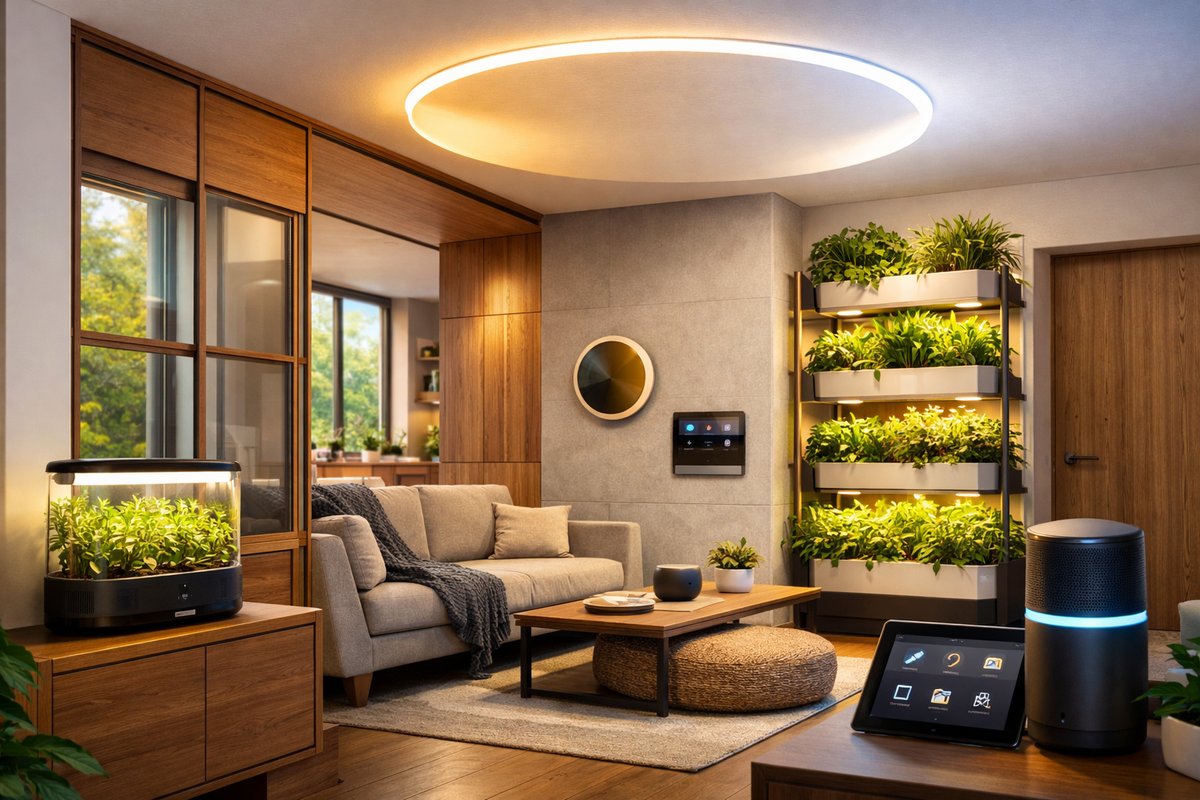
A blend of thoughtful design, sustainable materials and intelligent systems is reshaping how we experience home. From circadian lighting and modular walls to self-watering planters and privacy-first AI, discover the latest in intentional living tech that balances comfort with conscience.
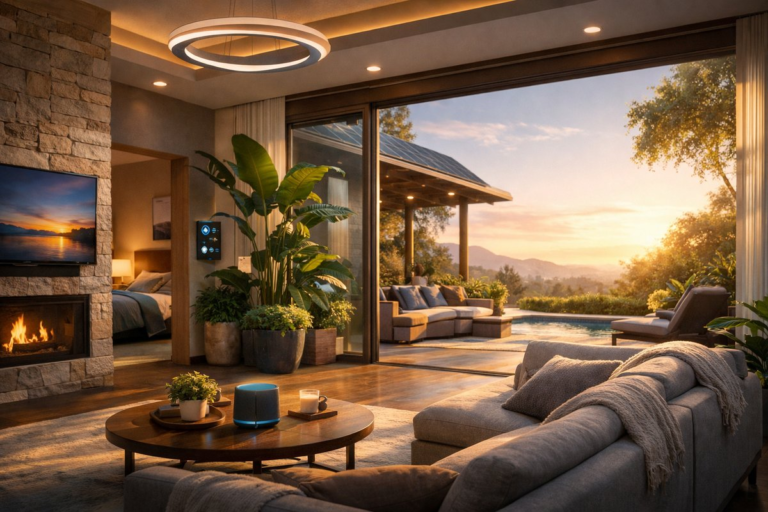
Every corner of modern home design is undergoing a quiet revolution-one that bridges the gap between cold automation and warm, mindful living. As residents seek environments that nurture well-being and tread lightly on the planet, innovators are answering with holistic solutions. Imagine windows that tint to soothe glare and heat, walls that reconfigure at will, air systems that carve personalized microclimates and lighting that follows your body’s natural rhythms. This isn’t tomorrow’s fantasy; it’s happening now in prototypes and pilot installations around the world.
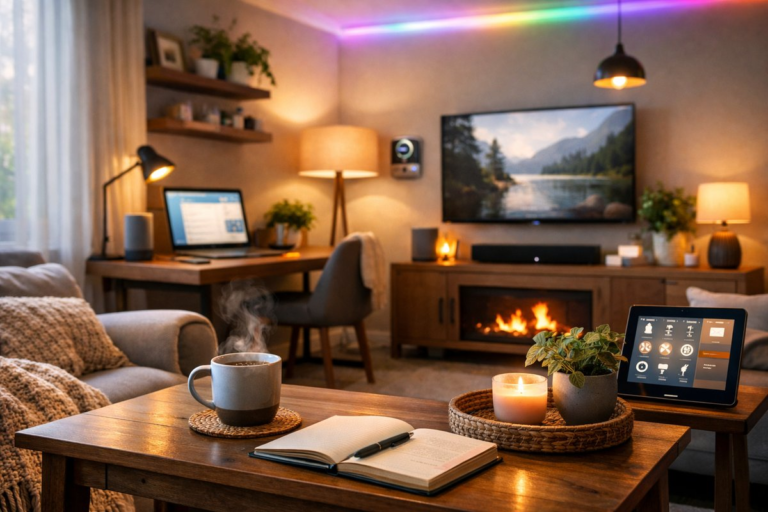
Across major cities, forward-thinking designers are pairing circadian LED panels with multi-channel soundscapes to mimic dawn choruses or the hush of twilight. Indoor light fixtures now shift color temperature in subtle gradients, emulating the sun’s progression and reducing evening blue-light exposure. At the same time, ceiling-mounted speakers blend ambient tracks-think soft rain or forest winds-to mask urban noise pollution. Residents report deeper sleep cycles and clearer focus, and early studies from a university research lab found measurable drops in evening stress hormones.
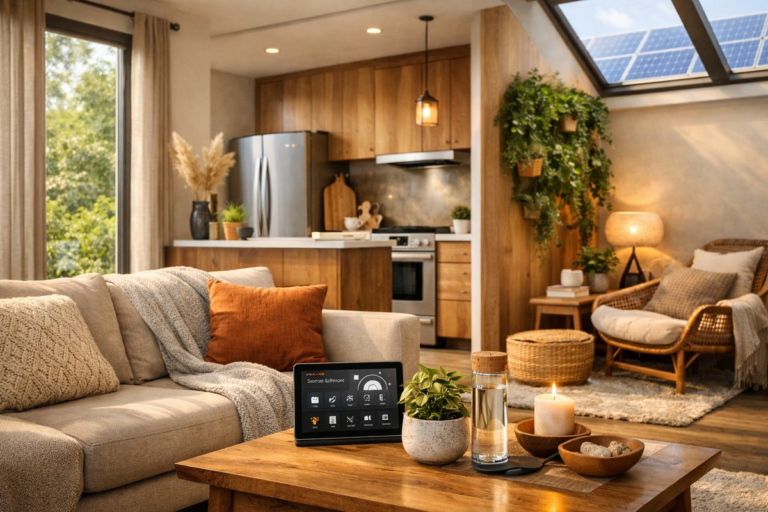
Climate control has also evolved beyond a single thermostat on the wall. Micro-zone heating and cooling systems use discreet floor and ceiling sensors to map occupancy patterns in real time. In a co-living building in northern Europe, each resident adjusts a personal comfort dial via smartphone, while shared spaces auto-regulate based on collective presence. The result: energy consumption has dropped by nearly 20 percent, according to building managers, and complaints about drafty corners or overheated lounges are all but gone.
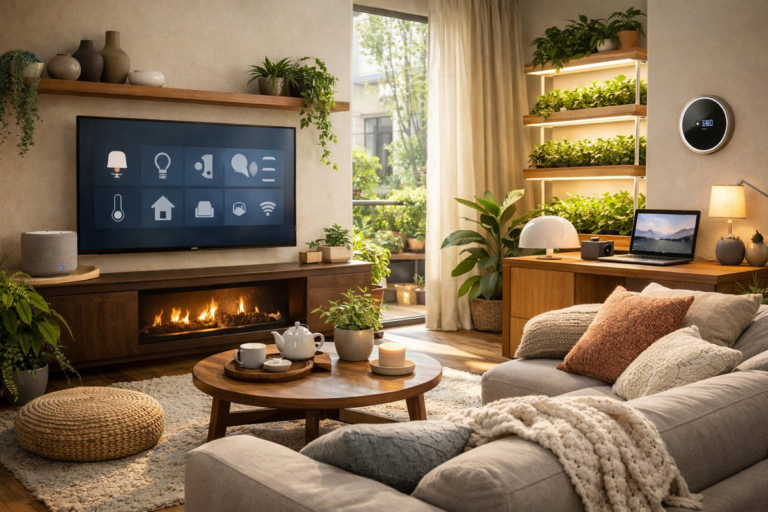
Sustainability takes more than efficient HVAC. Self-watering planters equipped with soil moisture sensors now harvest excess humidity from the air, feeding ornamental ferns or herbs with reclaimed water. In high-rise apartments, window attachments channel rain runoff into transparent reservoirs that double as living art. Passive ventilation panels-crafted from recycled polymers-draw fresh air through narrow channels, filtering particulates without a fan. Together, these systems form a closed-loop ecosystem that both decorates and sustains indoor green spaces.
Yet pure tech can feel sterile without tactile warmth. Enter modular magnetic wall panels with interchangeable textile covers. One day, a room dons a felted cork finish for acoustics; the next, a woven hemp tapestry for visual depth. Furniture mounts and light fixtures attach via magnetic plates, so reconfiguring a floor plan or swapping a reading nook takes minutes. These surfaces often incorporate recycled fibers or bio-based composites, underscoring an emphasis on material transparency and cradle-to-cradle stewardship.
Behind the scenes, data minimalism and edge-computing are gaining ground over cloud-centralized systems. Smart home hubs now process voice commands and occupancy analytics locally, sending only anonymized summaries off-site. This privacy-first approach resonates with users wary of outsourcing their everyday habits. Open standards and modular firmware updates mean homeowners can tune features without waiting for a corporate release cycle-or worrying about subscription lock-in.
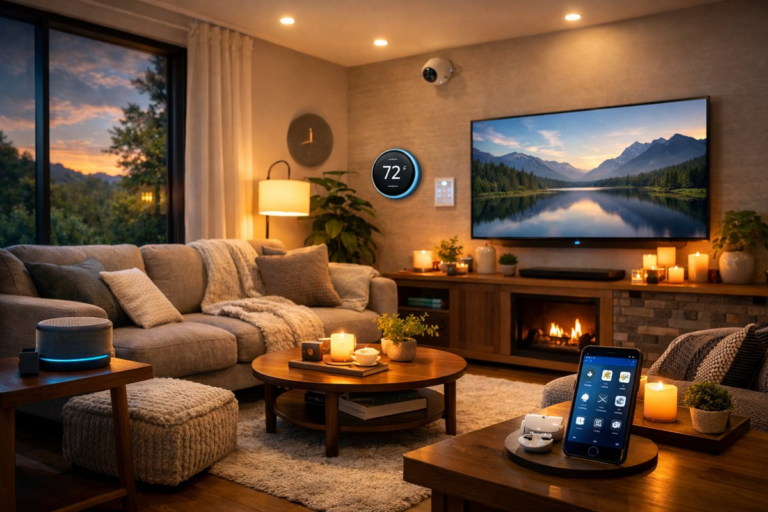
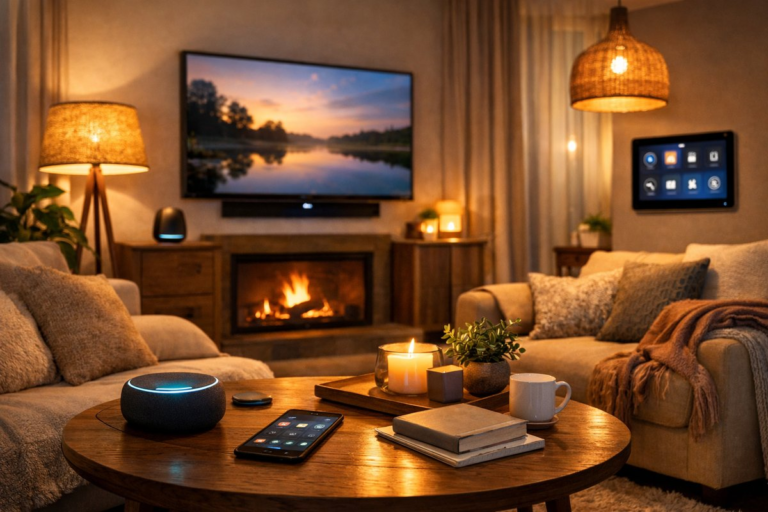
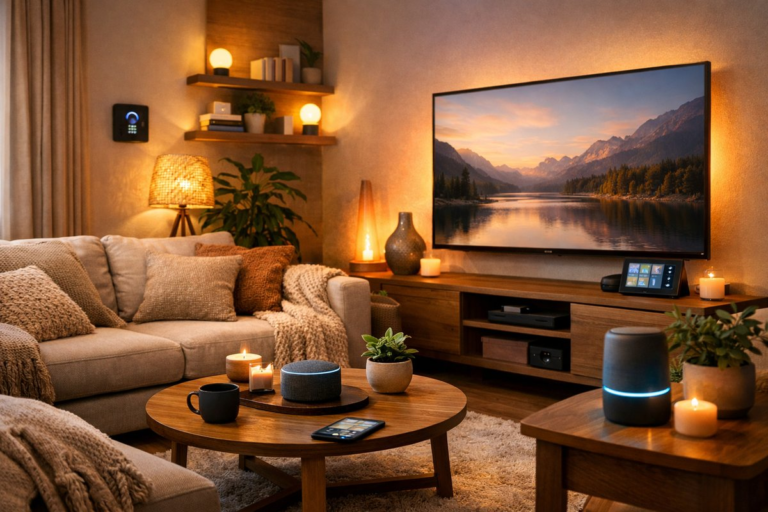
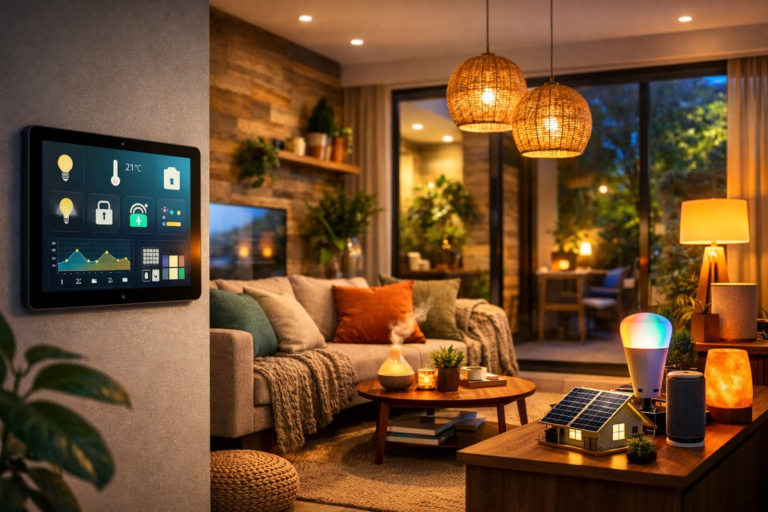
For those eager to start but uncertain where to invest, small steps yield big returns. Swap in a dimmable LED bulb that auto-adjusts color temperature, or install a self-calibrating humidity sensor near your favorite armchair. A single smart thermostat with zoning add-ons can transform your living room into a cozy retreat while cutting down hallway drafts. Complement these upgrades with a portable soundscape speaker tucked into a corner or bookshelf. Over time, layer in adaptive window film or a magnetic wall grid-each piece integrates seamlessly into a growing ecosystem of mindful tech.
Looking ahead, communities of creators are forging peer-to-peer networks that share energy data, surplus water and even ambient sound libraries. Imagine your apartment block trading solar harvest curves or swapping curated morning playlists across a mesh network. Collaborative dashboards let neighbors propose shifts in shared lighting scenes or coordinate eco-friendly cleaning cycles. This collective intelligence extends the ethos of intentional living beyond individual dwellings and into the social fabric.
The fusion of ambient intelligence, sustainable materials and modular design is more than a gadget craze-it’s a paradigm shift toward homes that adapt to our bodies, moods and ecological footprint. As the boundaries between “smart” and “serene” blur, intentional living spaces become not just places to reside but active partners in our well-being and in the health of the planet.