Location
Mount Vernon, WA 98274

Location
Mount Vernon, WA 98274
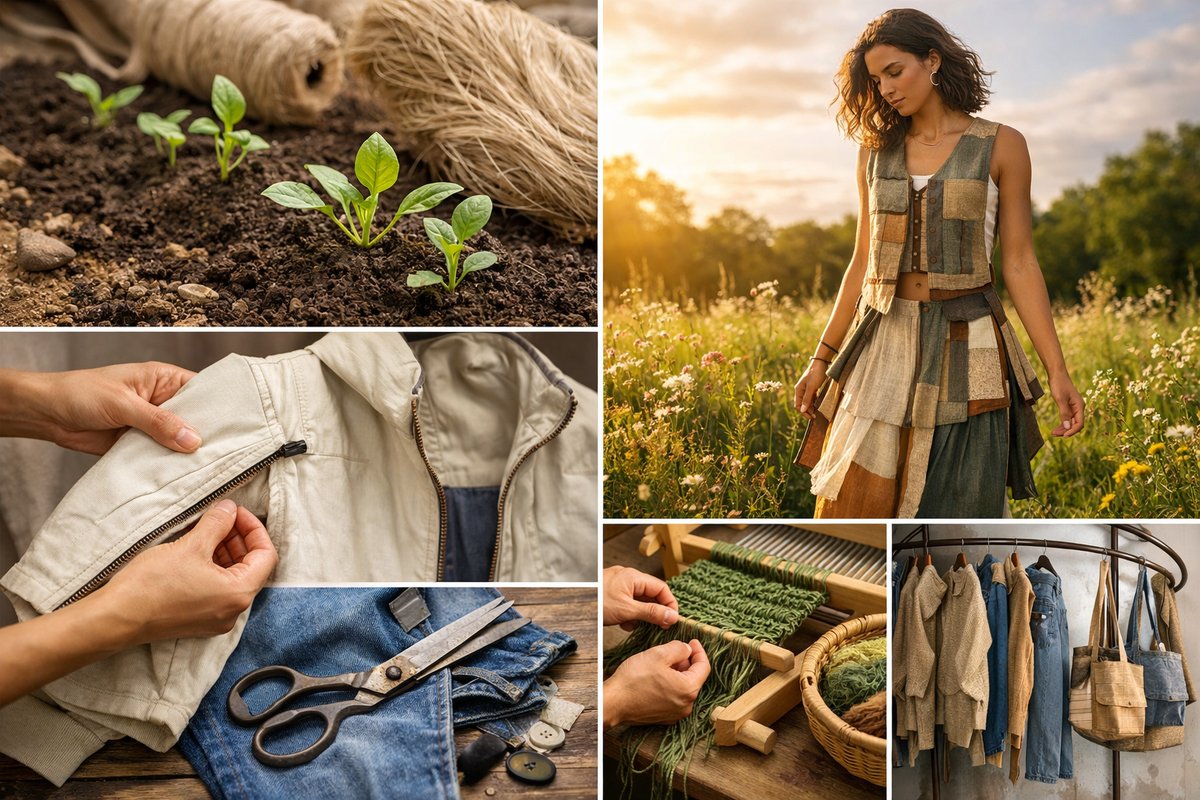
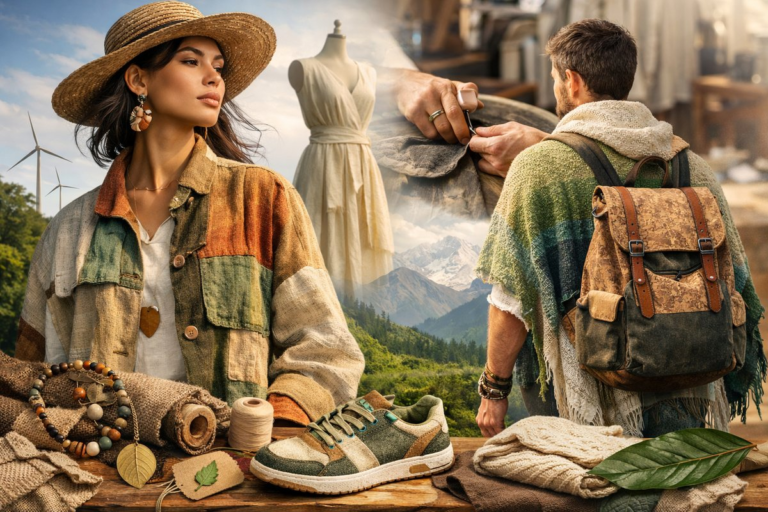
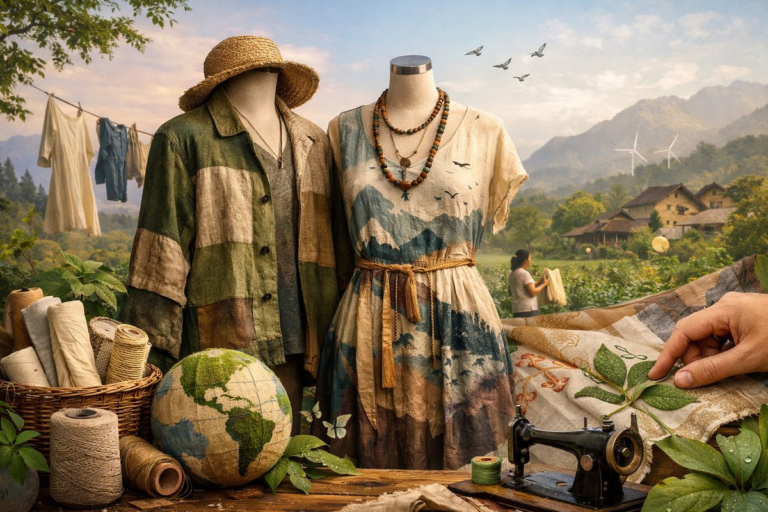
Fashion is undergoing a transformative shift as designers and consumers alike embrace regenerative practices and circularity to redefine style beyond aesthetics. From soil-enriching fibers to modular garment design, the new wave of apparel celebrates both environmental stewardship and personal storytelling.
In a world increasingly aware of environmental challenges and social responsibility, the fashion industry is at a pivotal crossroads. No longer content with fast trends and disposable styles, a growing movement is championing garments that heal the planet and honor the wearer’s identity. This emerging paradigm centers on regenerative fashion and circular wardrobes-concepts that invite us to reconsider how clothing is made, worn, and valued over time.
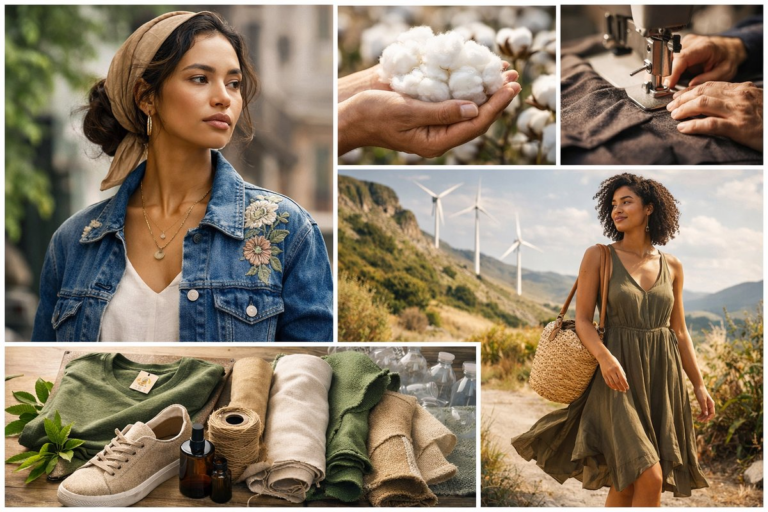
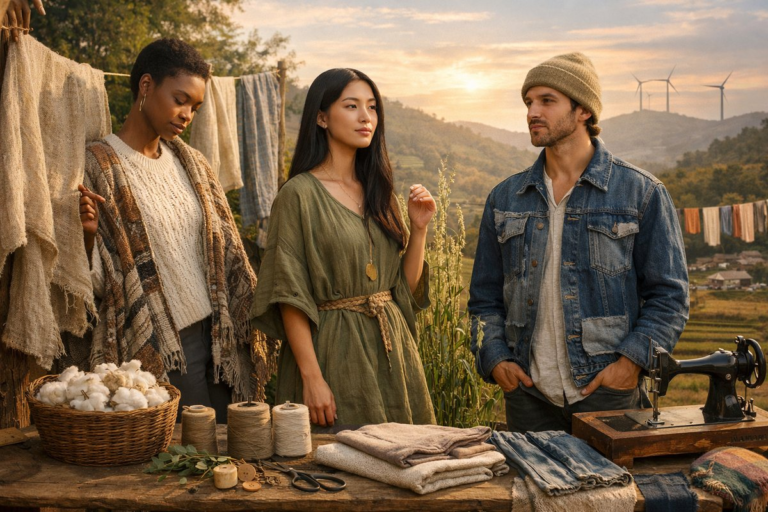
Regenerative fashion extends beyond sustainability by actively improving ecosystems rather than simply minimizing harm. It begins at the fiber level, where innovative materials sourced from regenerative agriculture are gaining traction. Unlike conventional cotton farming, which often depletes soil nutrients and consumes excessive water, regenerative cotton is cultivated using methods that restore soil health, increase biodiversity, and sequester carbon. Such farming practices not only yield high-quality fibers but also contribute to climate resilience.
Moreover, designers are exploring natural dyeing techniques that utilize plant-based pigments harvested from agricultural byproducts. This approach reduces reliance on synthetic dyes notorious for polluting waterways and harmful chemical residues. Artisanal dyeing processes, sometimes passed down through generations, add a unique, tactile quality to fabrics, making each piece a wearable work of art imbued with cultural heritage.
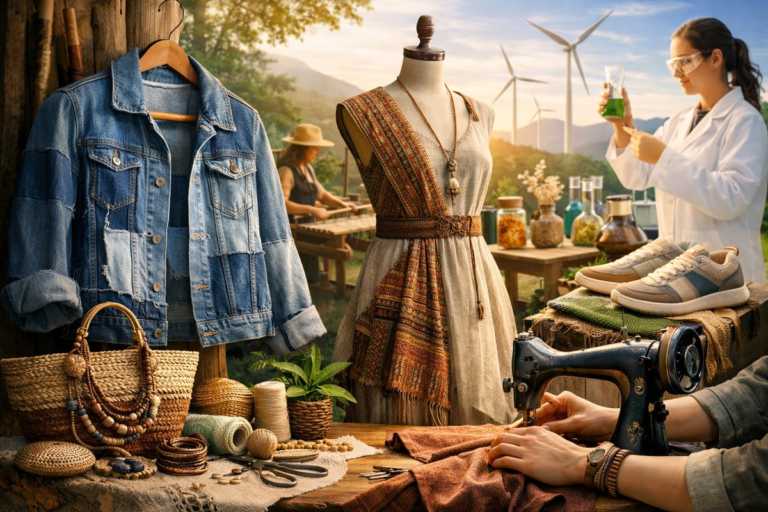
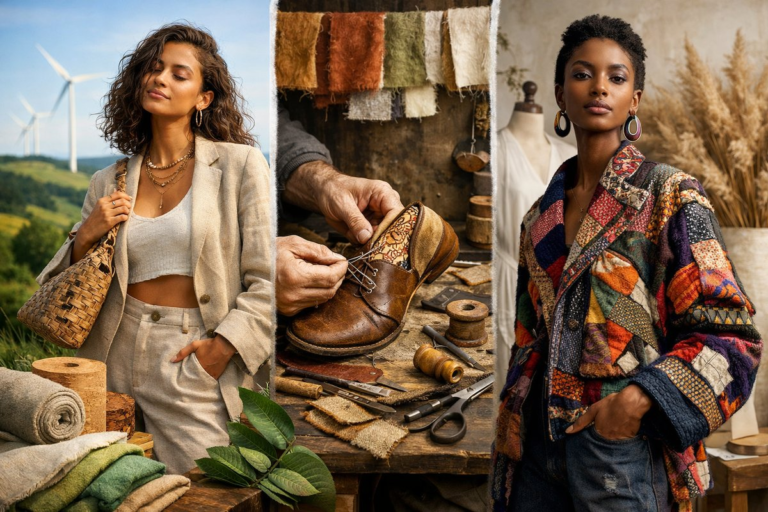
Circular wardrobes complement these regenerative efforts by reimagining garments as components of an ongoing lifecycle rather than single-use commodities. This involves modular designs that allow for easy repair, customization, and eventual recycling. Brands adopting this ethos encourage consumers to participate in the garment’s journey-through take-back programs, peer-to-peer exchanges, or DIY upcycling workshops.
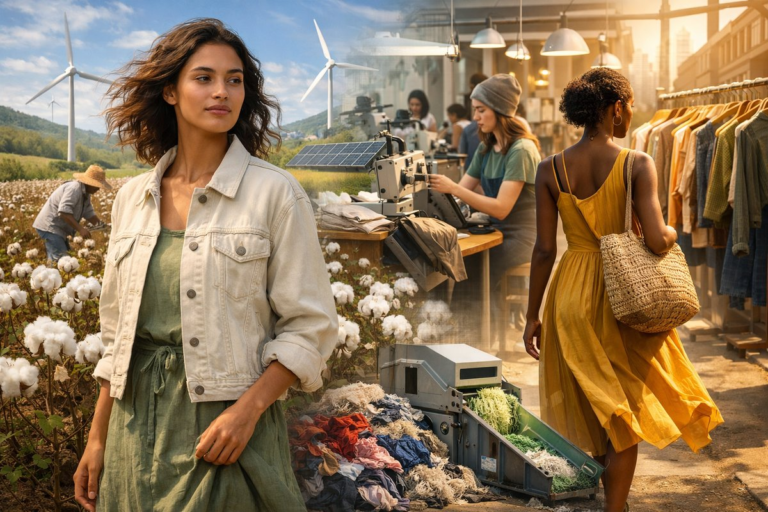
Technology also plays a vital role in facilitating circularity. Digital platforms enable seamless peer-to-peer sharing and resale, reducing waste by extending garment lifespans and diversifying usage. Meanwhile, advances in textile recycling are enabling fibers to be reclaimed and re-spun into new fabrics without significant quality loss, closing the loop in the fashion supply chain.
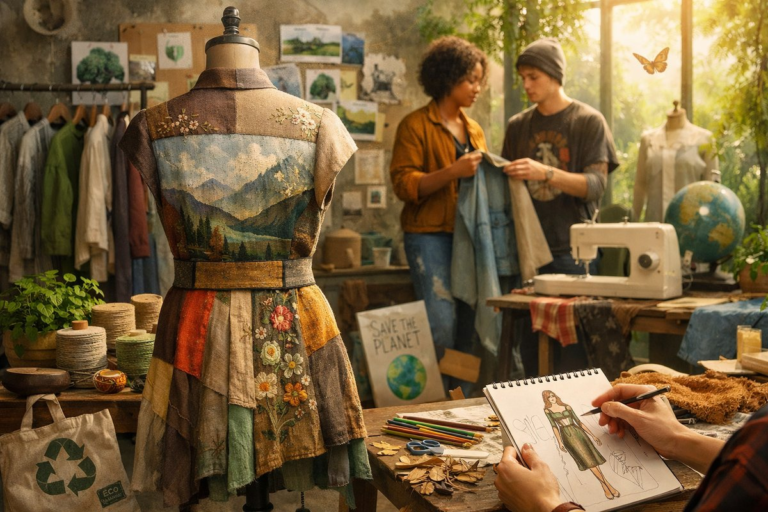
The emotional resonance of these approaches lies in the stories garments carry-stories of the land they came from, the hands that crafted them, and the wearer’s own journey. Consumers are increasingly drawn to apparel that reflects their values, identity, and aspirations for a healthier planet. This shift is redefining style as a medium for expression rooted in mindfulness and connection.
However, transitioning to regenerative and circular fashion presents challenges. Scaling regenerative agriculture requires collaboration across farming communities, brands, and policymakers. Educating consumers about garment care and lifecycle stewardship is essential to foster responsible ownership. Moreover, balancing innovation with tradition demands sensitivity to cultural contexts and artisanal knowledge.
Despite these hurdles, the momentum behind conscious couture continues to build. Events showcasing regenerative collections and circular design principles are attracting attention from fashion insiders and eco-advocates alike. Social media amplifies narratives of sustainable style, inspiring wider audiences to rethink their relationship with clothing.
Looking forward, the fusion of regenerative practices with circular economy models holds promise for a fashion industry that nurtures both people and planet. By embracing materials that regenerate ecosystems, designs that invite longevity, and stories that celebrate authenticity, fashion can transcend its extractive past to become a catalyst for positive change.
This evolution invites all of us-not just designers or activists-to participate in crafting wardrobes that are as thoughtful as they are beautiful. Every garment becomes an opportunity to wear our values, embody resilience, and contribute to a future where style and sustainability walk hand in hand.