Location
Mount Vernon, WA 98274

Location
Mount Vernon, WA 98274
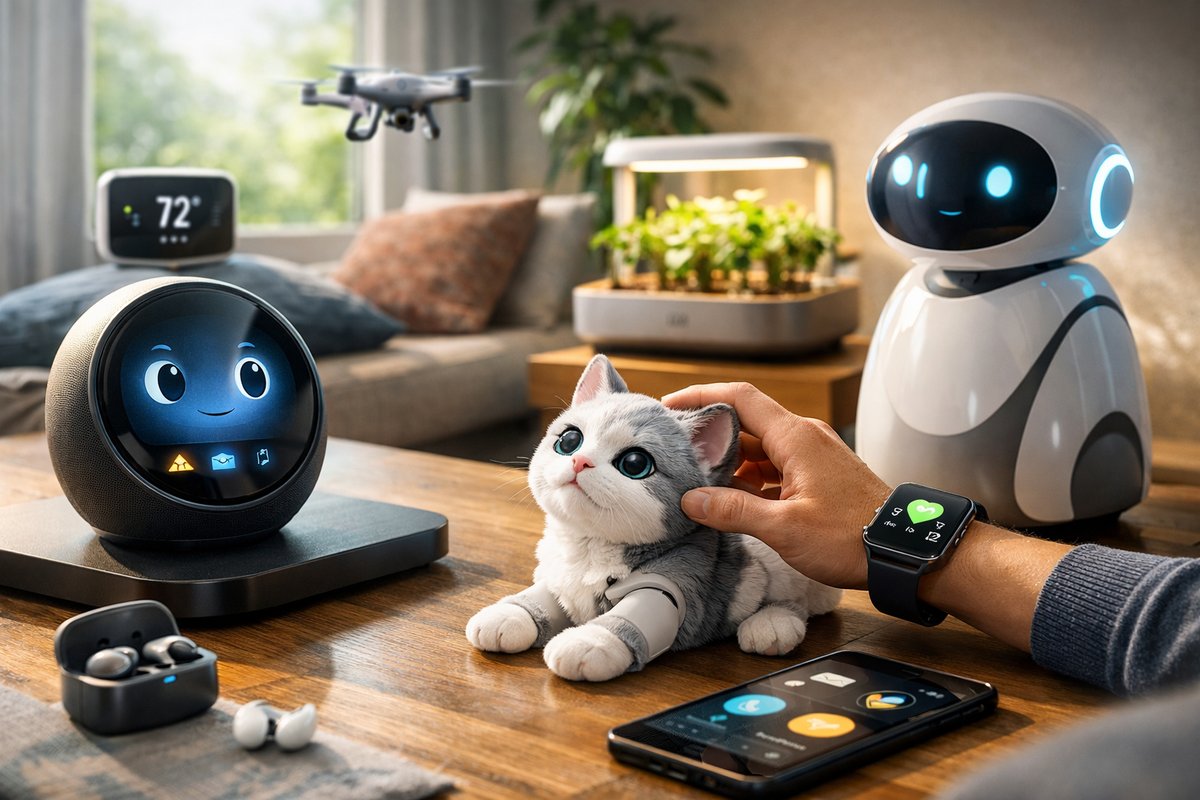
As technology evolves, smart gadgets are becoming more than just tools-they're adaptive companions that learn and respond to our unique lifestyles. This shift towards intuitive, sustainable, and emotionally intelligent devices is transforming how we interact with everyday technology.
In recent years, the landscape of consumer technology has shifted dramatically from static, one-size-fits-all devices to smart gadgets that adapt to users’ needs and environments. This evolution is not only a testament to advances in artificial intelligence and sensor technology but also reflects a growing cultural emphasis on sustainability, privacy, and emotional intelligence in our digital lives. As we explore this frontier, it becomes clear that the future of everyday tech lies in devices that are not only powerful but also context-aware, energy-efficient, and empathetic.
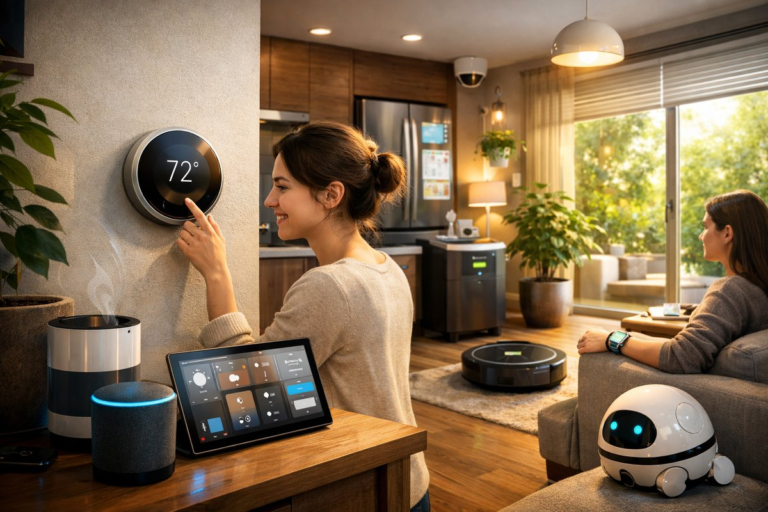
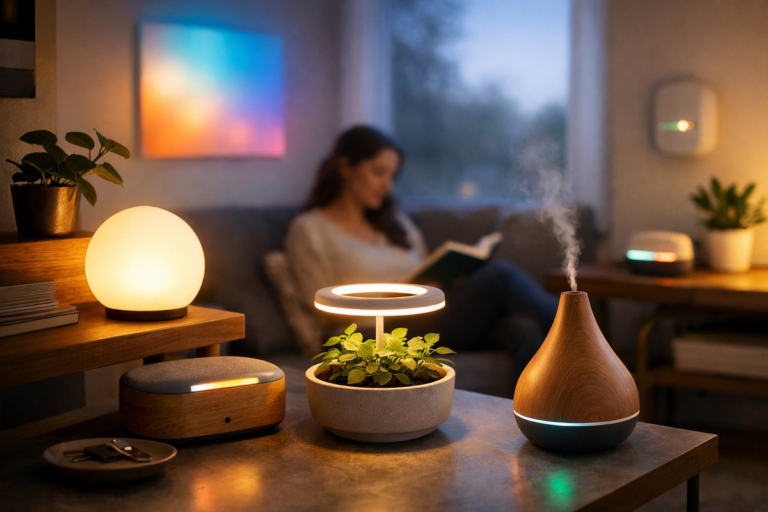
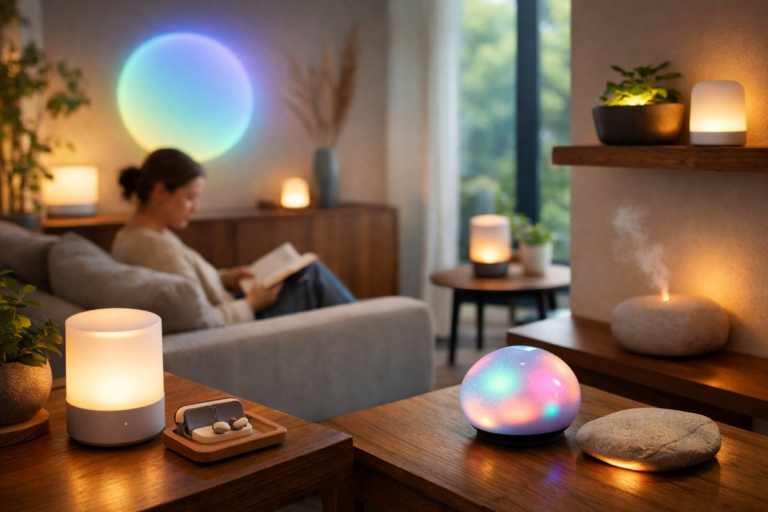
One of the most compelling trends is the rise of adaptive smart gadgets-devices that learn from user behavior and environmental cues to optimize their functionality. Unlike traditional gadgets that require manual input or preset modes, these smart tools employ machine learning algorithms and ambient sensors to anticipate needs and adjust settings in real time. For example, smart lighting systems now can detect natural light levels and user activity patterns to modulate brightness and color temperature, promoting better circadian rhythms and reducing energy consumption.
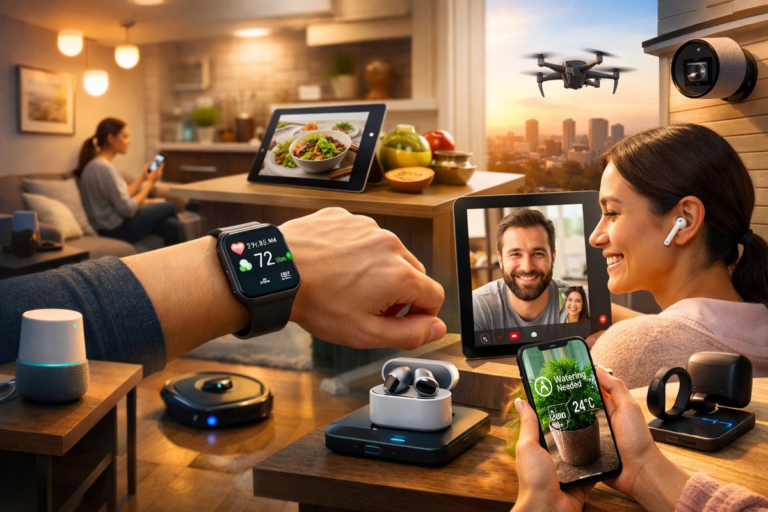
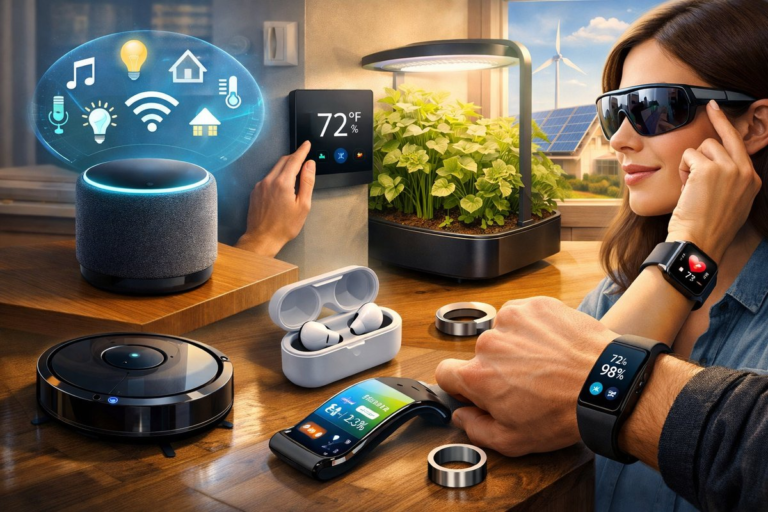
This adaptive approach extends beyond home automation into personal devices as well. Wearable health monitors, for instance, are evolving from simple trackers to sophisticated assistants that interpret biometric data to provide personalized wellness insights. By integrating emotional intelligence, some wearables can even detect stress or mood changes through physiological signals, offering mindfulness prompts or relaxation exercises tailored to the moment. This blend of technology and empathy exemplifies a new paradigm where gadgets support mental and emotional well-being, not just physical health.
Privacy remains a paramount concern as these intelligent devices become more integrated into our daily routines. Leading innovators are prioritizing edge computing-processing data locally on the device rather than relying heavily on cloud servers-to minimize data exposure and enhance user control. This decentralized model aligns with a values-driven approach to technology, emphasizing transparency and user autonomy. Consumers are increasingly drawn to products that clearly communicate their data policies and offer granular privacy settings.
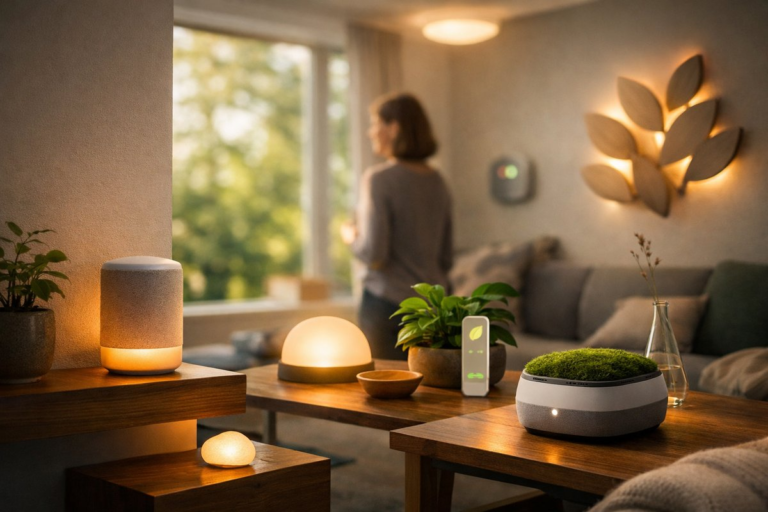
Sustainability is another critical dimension shaping the design of modern smart gadgets. Manufacturers are embracing modular construction, enabling users to upgrade or repair components instead of discarding entire devices. This reduces electronic waste and extends product lifespans. Additionally, energy-efficient components and low-power wireless protocols contribute to greener operation. Some gadgets even incorporate recycled or biodegradable materials, reflecting a holistic commitment to environmental responsibility.
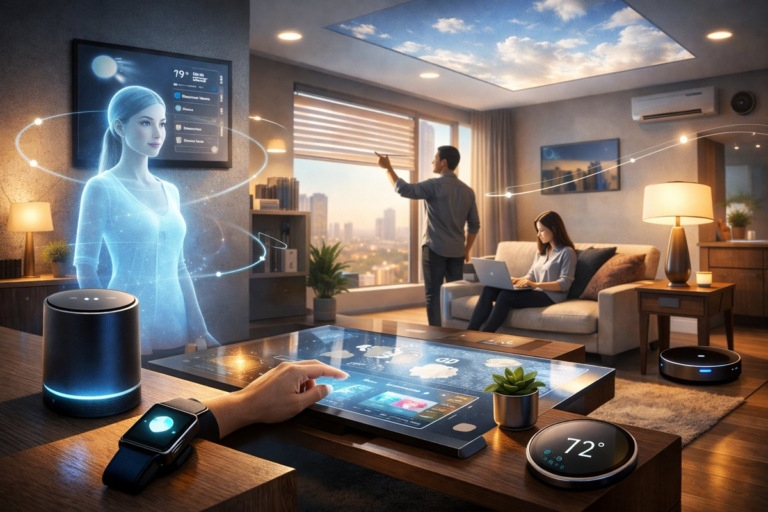
The integration of ambient intelligence is also redefining how we interact with technology. Devices equipped with context-aware capabilities can seamlessly blend into our environments, offering assistance without intrusive interfaces. Voice-activated assistants, gesture recognition, and proximity sensors allow for natural, intuitive control. This ambient computing model fosters a more harmonious relationship between humans and machines, where technology anticipates needs and acts unobtrusively.
In practical terms, these innovations are transforming everyday experiences. Consider the smart kitchen, where adaptive appliances monitor ingredient freshness, suggest recipes based on dietary preferences, and optimize cooking times to reduce energy use. In the office, ergonomic smart desks adjust height and lighting based on user posture and time of day, promoting health and productivity. Even travel is enhanced by compact, multi-functional gadgets that consolidate tools like translation, navigation, and health monitoring into sleek, portable devices.
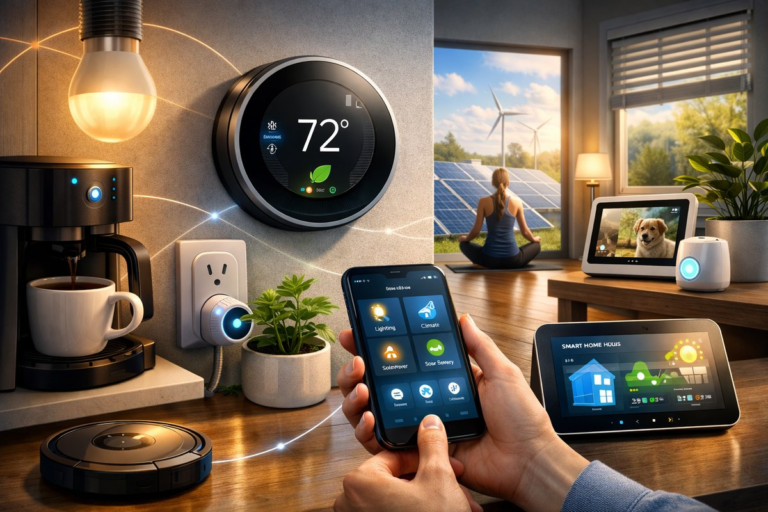
As these technologies mature, the challenge lies in balancing sophistication with accessibility. Designers must ensure that smart gadgets remain user-friendly and inclusive, accommodating diverse abilities and tech literacy levels. Open standards and interoperability are vital to prevent fragmentation and ensure that devices from different manufacturers can communicate effectively, creating cohesive ecosystems rather than isolated silos.
Looking ahead, the convergence of adaptive intelligence, ethical design, and sustainability promises a new era of technology that enriches our lives while honoring our values. This vision invites ongoing curiosity and critical engagement from users and creators alike, fostering innovation that is as thoughtful as it is transformative. In embracing these principles, we can shape a future where technology empowers us gently, respects our privacy, and nurtures our well-being in every facet of daily life.