Location
Mount Vernon, WA 98274

Location
Mount Vernon, WA 98274
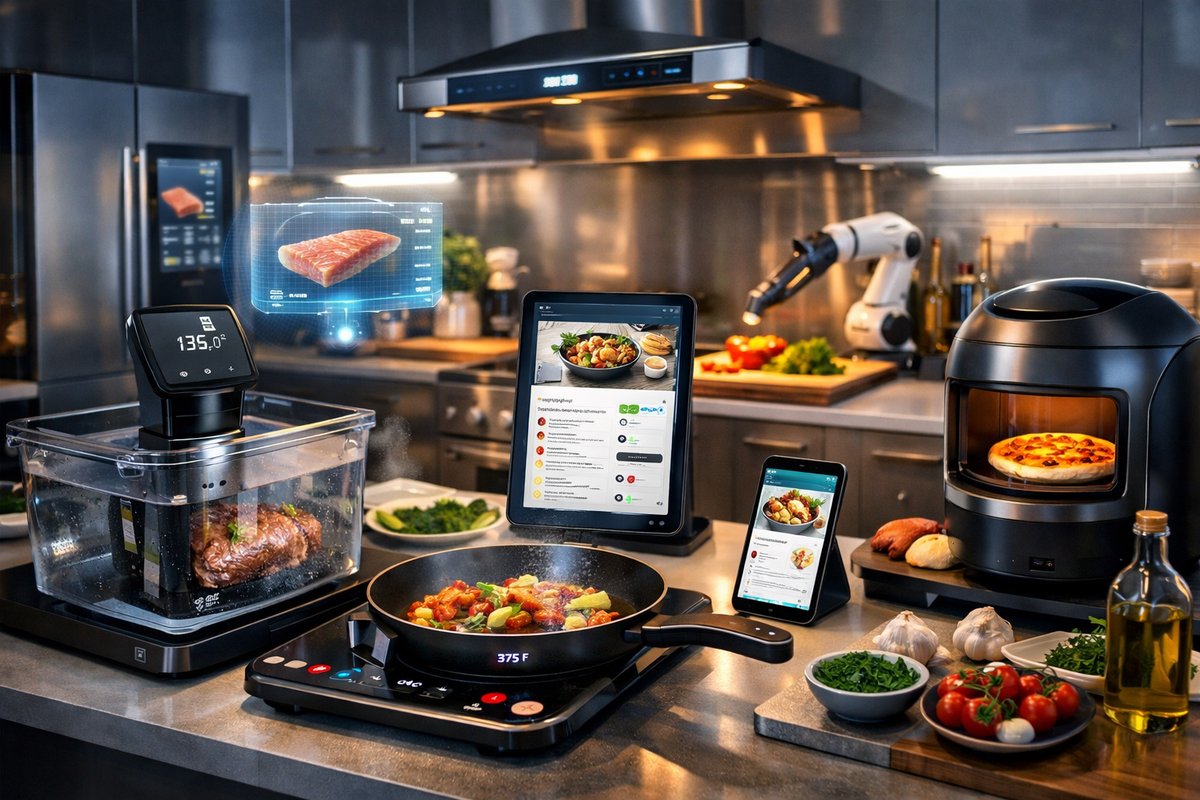
Kitchen technology is rapidly evolving beyond traditional appliances, blending sensors, connectivity, and automation to redefine how we cook and enjoy food. From smart sous vide devices to AI-powered recipe assistants, these innovations are transforming kitchens into interactive culinary studios that inspire creativity and precision.
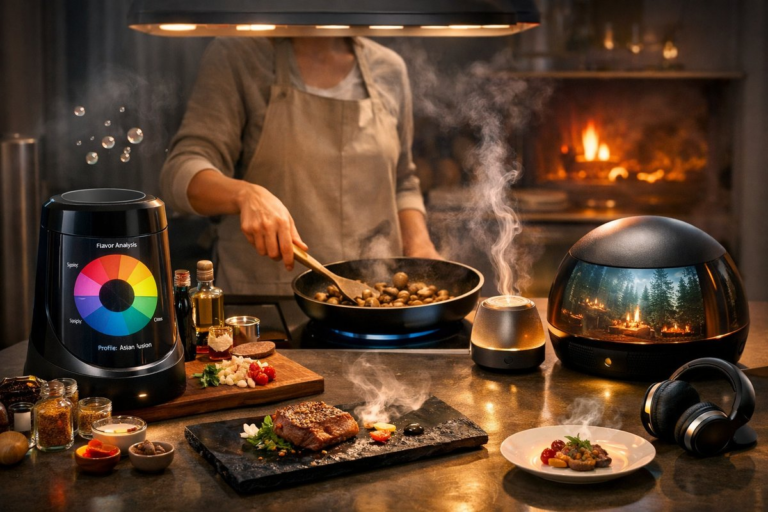
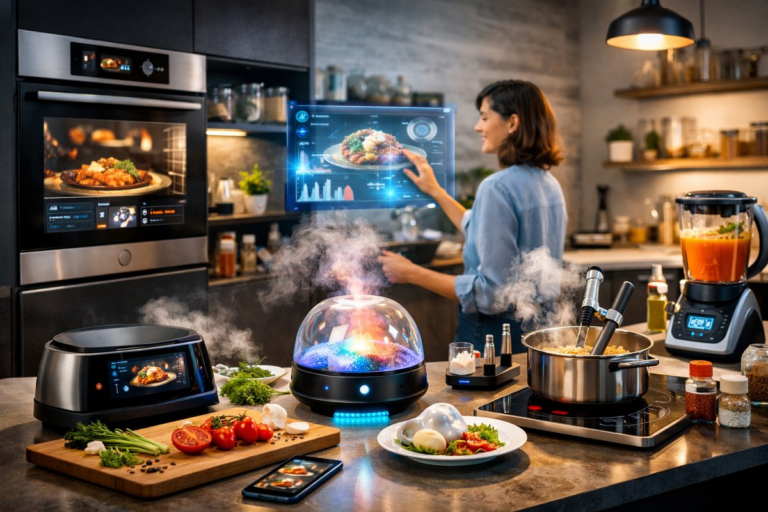
The kitchen has long been the heart of the home, a place where food is crafted, memories are made, and flavors come alive. In recent years, a technological revolution has quietly been reshaping this essential space. No longer confined to simple electric mixers or microwaves, the modern kitchen is becoming an ecosystem of intelligent tools and connected devices designed to enhance every step of the cooking process.
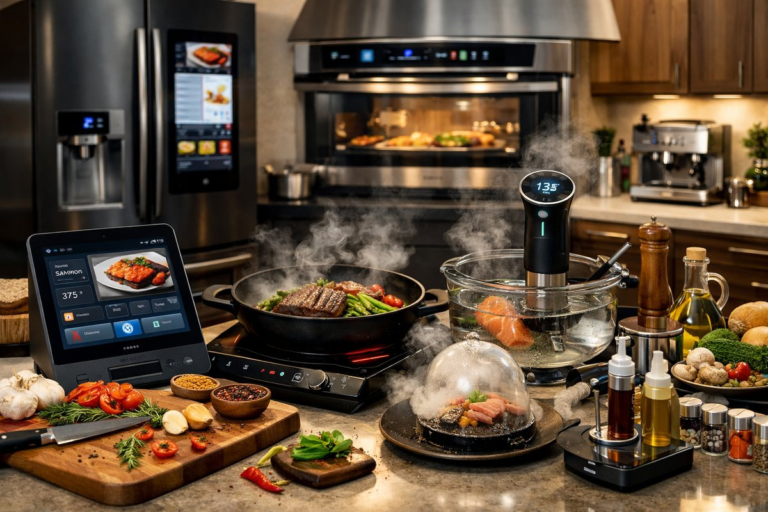
At the forefront of this transformation are smart appliances equipped with sensors and connectivity. These devices collect data on temperature, humidity, and cooking times, then communicate with each other and with users’ smartphones or voice assistants. This connectivity allows for unprecedented control and precision. For example, smart ovens can adjust their heating patterns based on the thickness and type of food, while connected refrigerators monitor ingredient freshness and suggest recipes to minimize waste.
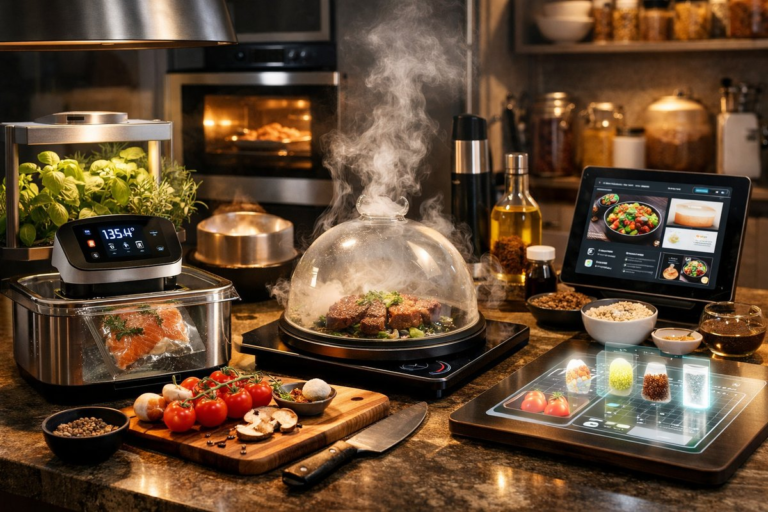
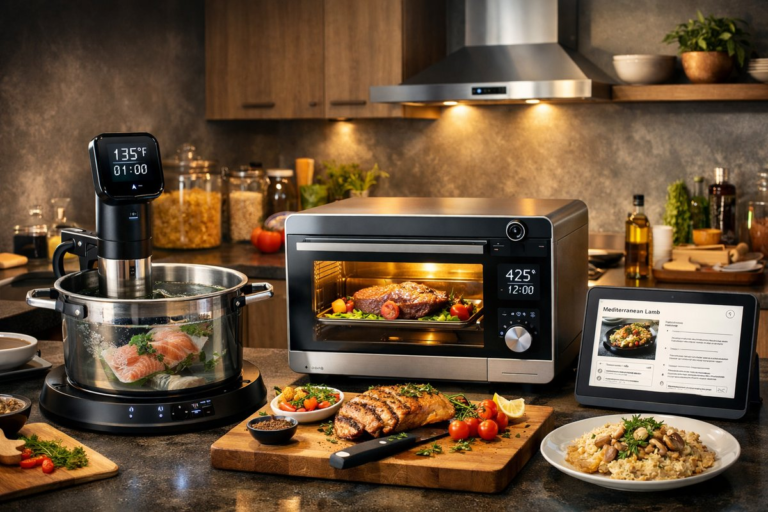
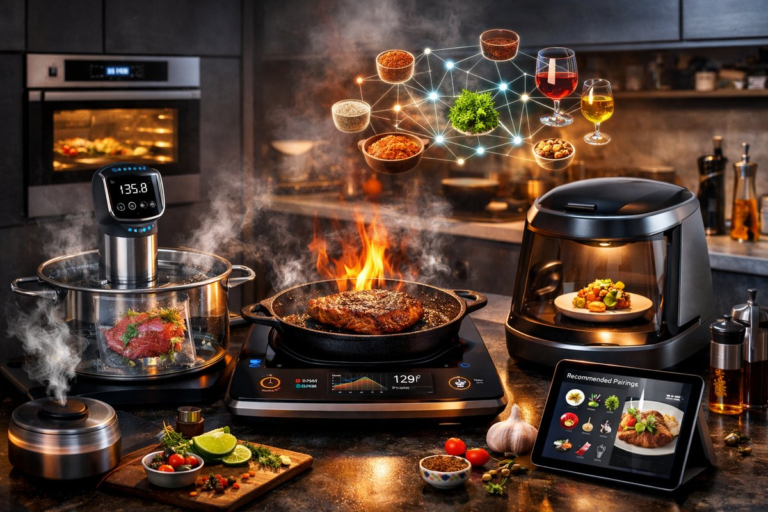
One compelling trend is the integration of sous vide cooking technology with smart controls. Sous vide, which involves vacuum-sealing food and cooking it in a water bath at precise temperatures, has traditionally been the domain of professional chefs. Today, affordable smart sous vide immersion circulators enable home cooks to replicate these results with minimal effort. These devices allow users to set exact temperatures via mobile apps and receive alerts when their food is ready, ensuring perfectly cooked meals every time.
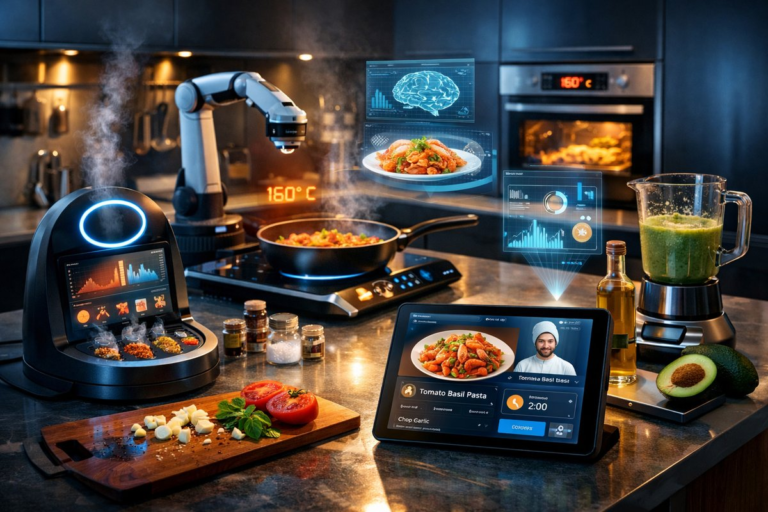
Beyond individual appliances, kitchen ecosystems are emerging where devices communicate and cooperate. For example, a smart scale can measure ingredients and send the data to a connected recipe app, which then guides the user through the cooking process step-by-step, adjusting for portion sizes or ingredient substitutions. Some systems even use AI to analyze user preferences and cooking habits, tailoring recommendations and suggesting new dishes to try.
Robotics is also making inroads into home kitchens. While fully autonomous cooking robots remain in early stages, assistive devices that handle repetitive tasks such as chopping, stirring, or kneading dough are becoming more accessible. These tools free cooks to focus on creativity and presentation, reducing the time and effort required for labor-intensive preparations.
Sustainability and food waste reduction are increasingly important considerations in kitchen tech innovation. Smart compost bins equipped with sensors can track organic waste and provide feedback on how to reduce it. Connected storage containers monitor the freshness of produce and alert users before spoilage, encouraging mindful consumption. This alignment of technology with environmental values empowers cooks to make more responsible choices.
The user experience is central to the success of these technologies. Intuitive interfaces, voice control, and seamless integration with existing smart home systems lower barriers to adoption. Many devices now come with comprehensive apps that offer cooking tutorials, nutritional information, and social sharing features, fostering a community of engaged home chefs.
Despite the promise of these innovations, challenges remain. The proliferation of proprietary platforms can create compatibility issues, and the cost of cutting-edge appliances may be prohibitive for some. Privacy concerns also arise as devices collect personal data related to eating habits and home environments. Manufacturers and users alike must navigate these complexities to build trust and ensure that technology serves to enhance, rather than complicate, the cooking experience.
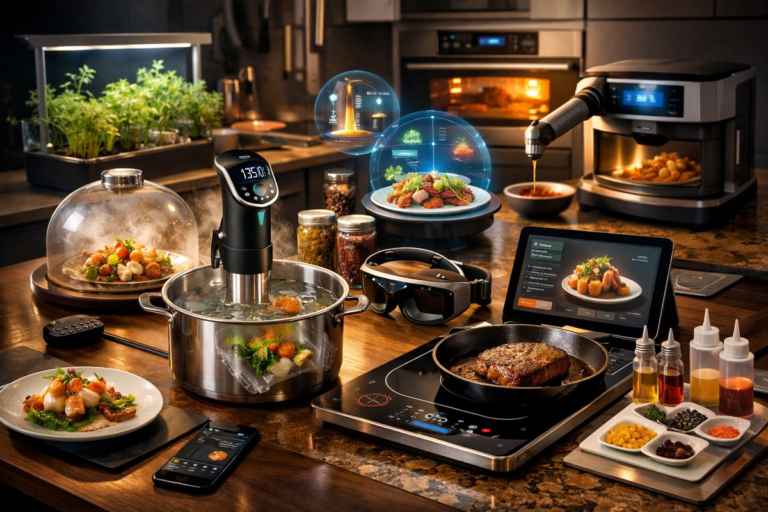
Looking ahead, the fusion of augmented reality (AR) and kitchen technology holds exciting potential. Imagine donning AR glasses that overlay recipe instructions directly onto your countertop, highlighting ingredients and guiding knife skills in real time. Such immersive experiences could revolutionize culinary education and make advanced techniques accessible to all.
In summary, kitchen technology is evolving into a vibrant landscape of smart, connected, and sustainable tools that empower home cooks to explore flavors with greater confidence and creativity. This wave of innovation not only streamlines cooking processes but also nurtures a deeper connection to food and its preparation. As these technologies become more affordable and integrated, they promise to transform everyday meals into moments of discovery and delight.