Location
Mount Vernon, WA 98274

Location
Mount Vernon, WA 98274
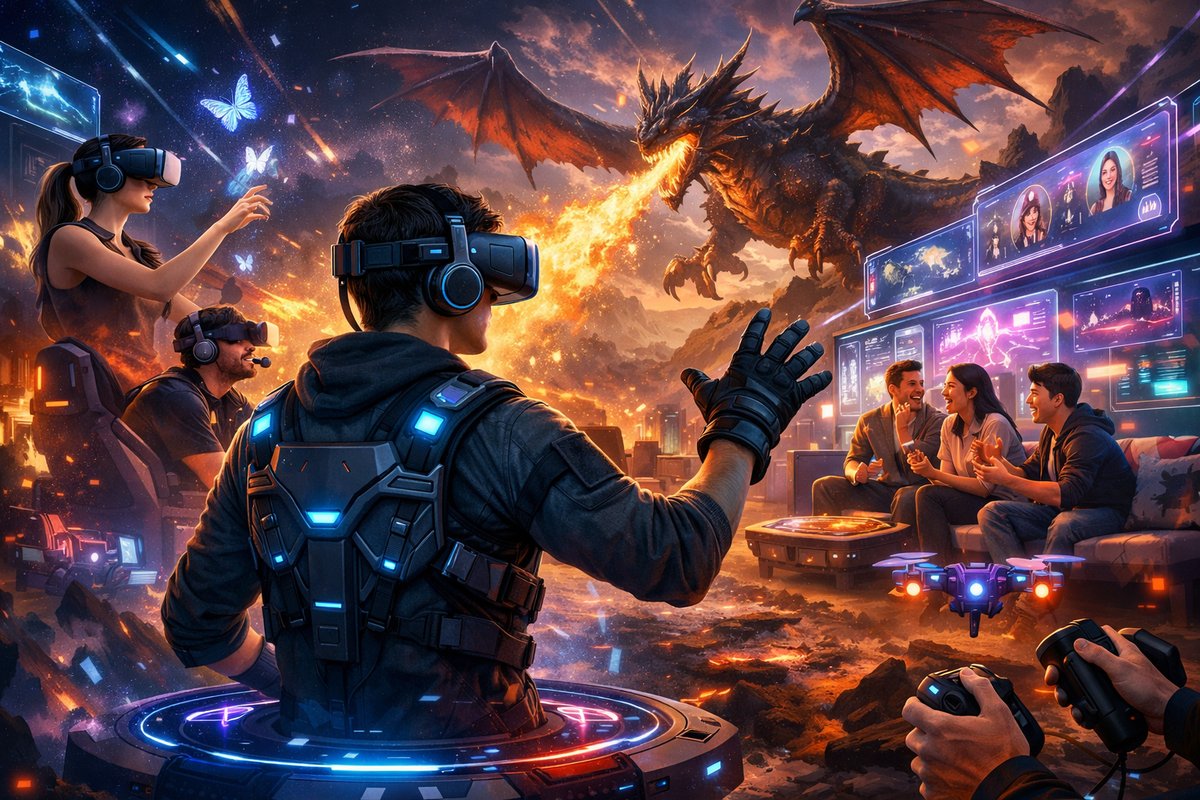
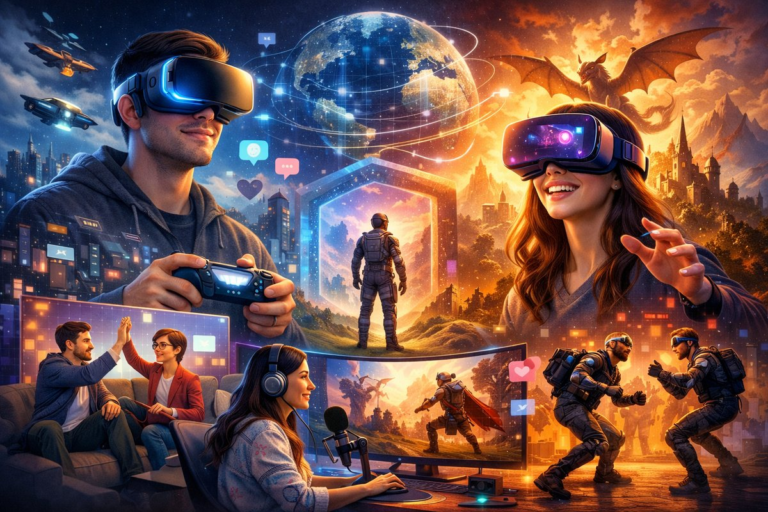
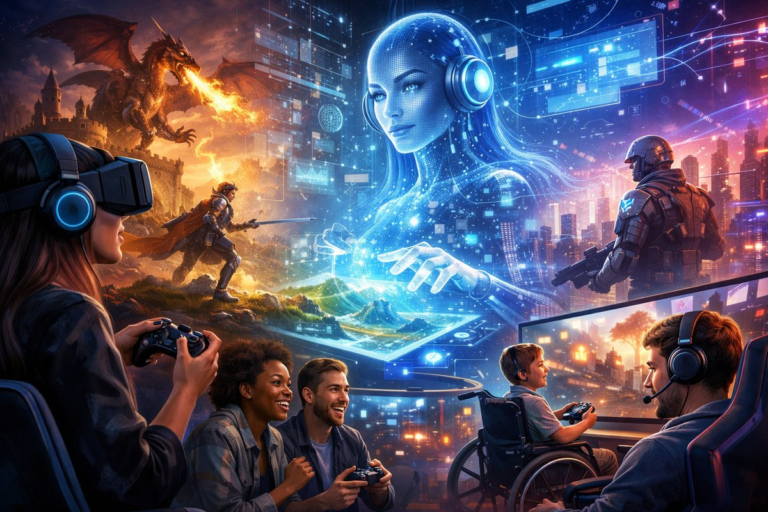
Gaming is transcending traditional screens, embracing multisensory experiences and social connectivity that transform how players engage with digital worlds. From advanced haptic feedback to dedicated community hubs, the future of play is immersive, collaborative, and deeply personal.
The landscape of gaming and entertainment is undergoing a profound transformation as technology and social dynamics converge to redefine how players experience play. No longer confined to a simple screen-and-controller setup, contemporary gaming environments are evolving into immersive, multisensory ecosystems that invite deeper engagement and connection. This shift is driven by innovations in hardware, software, and community design that emphasize emotional resonance, tactile feedback, and shared social experiences.
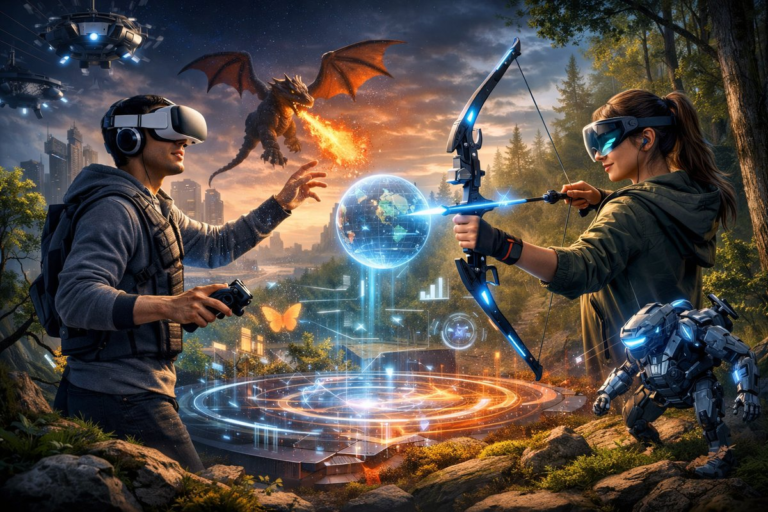
One of the most exciting frontiers in gaming is the integration of sophisticated haptic technologies that engage the sense of touch alongside sight and sound. Advanced haptic feedback systems now allow players to feel the impact of in-game actions-from the subtle vibrations of a stealthy footstep to the intense rumble of a virtual explosion-enhancing immersion and presence. These tactile sensations create a physical connection to the digital world, making gameplay more intuitive and emotionally compelling. This progression reflects a broader trend toward multisensory immersion, where auditory, visual, and tactile inputs blend seamlessly to transport players into richly detailed, believable environments.
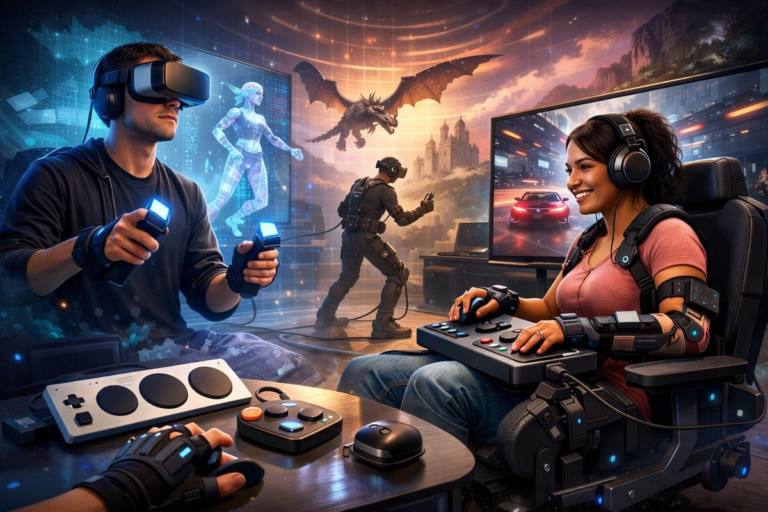
Complementing this sensory evolution are modular hardware setups designed for customization and adaptability. Gamers increasingly demand equipment that can be tailored to their unique preferences and play styles, from adjustable mechanical keyboards and ergonomic controllers to modular audio systems that deliver spatial soundscapes. These setups empower players to optimize comfort and performance, creating personalized sanctuaries for focused, extended play sessions. Moreover, modularity supports sustainability by encouraging upgrades and component swaps rather than full replacements, aligning with growing environmental consciousness within gaming communities.
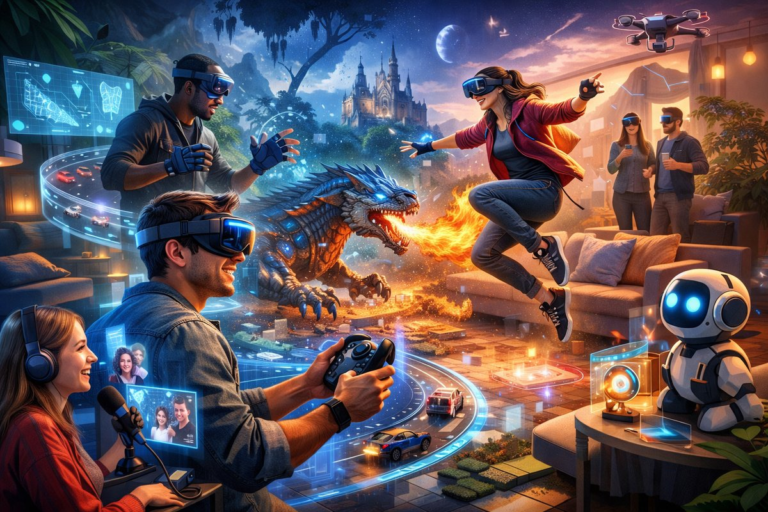
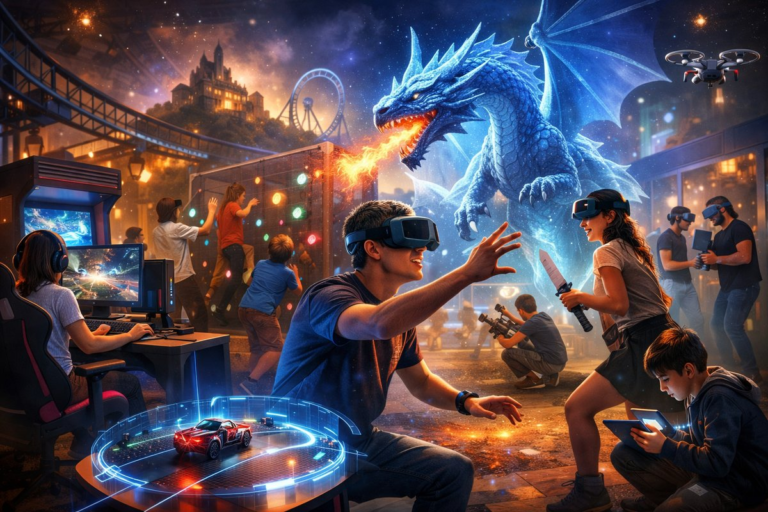
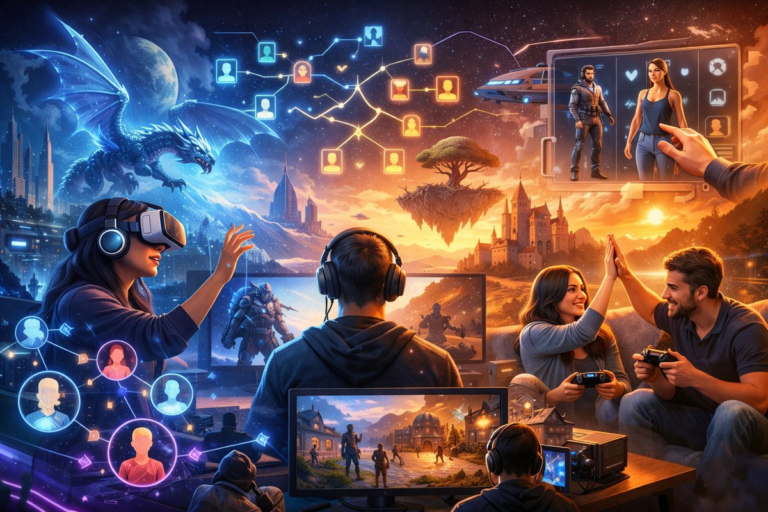
Beyond individual hardware, the social dimension of gaming is gaining renewed emphasis through the rise of dedicated community hubs and hybrid play spaces. These physical or virtual venues serve as gathering points where players can share experiences, collaborate on challenges, and celebrate their passions together. By blending digital and real-world interaction, hybrid hubs foster a sense of belonging and collective identity, countering the isolation sometimes associated with solo gaming. The design of these spaces often incorporates elements that enhance comfort and sensory engagement-such as immersive lighting, ambient soundscapes, and interactive displays-further enriching the social experience.
This social resurgence is also reflected in the proliferation of multiplayer and cooperative game genres that prioritize teamwork, communication, and shared storytelling. These games invite players to co-create narratives and problem-solve in real time, reinforcing bonds and emotional investment. The trend underscores a shift from purely competitive play toward more inclusive and empathetic gaming cultures that celebrate diversity and collaboration.
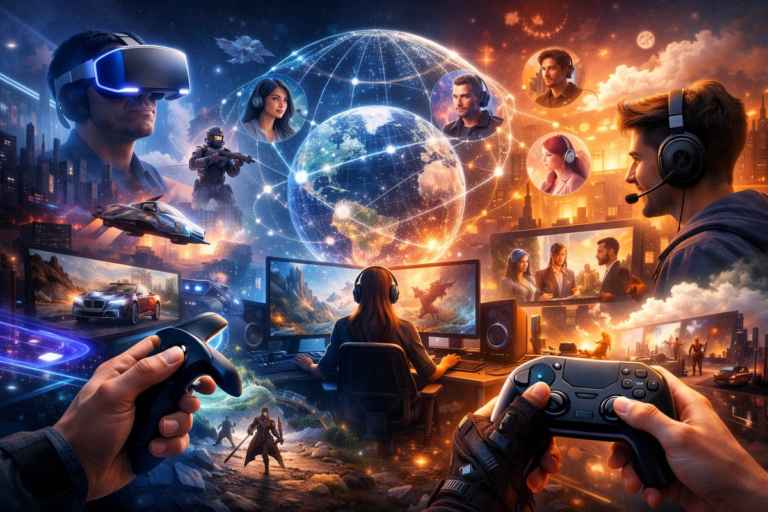
In parallel, cloud gaming services continue to democratize access to high-fidelity experiences by removing hardware barriers and enabling play across multiple devices. This accessibility expands opportunities for social interaction by connecting diverse communities worldwide, fostering cross-cultural exchanges and new forms of digital citizenship. However, it also raises important considerations around data privacy and digital well-being, prompting calls for transparent policies and user empowerment.
As immersive technologies and community-centric design reshape gaming, developers and hardware makers are increasingly attentive to emotional intelligence and player well-being. Features such as customizable sensory inputs, adaptive difficulty, and mindful session timers reflect a commitment to respectful, health-conscious play. This ethical approach recognizes gaming not only as entertainment but as a meaningful space for personal growth, social connection, and creative expression.
Looking ahead, the fusion of sensory innovation, modular personalization, and social integration promises a vibrant, inclusive future for gaming and entertainment. Whether through the thrill of tactile feedback, the comfort of tailored setups, or the joy of shared adventures, play is becoming a richer, more human experience. This evolution invites players to explore new worlds with curiosity, empathy, and a renewed sense of community.