Location
Mount Vernon, WA 98274

Location
Mount Vernon, WA 98274
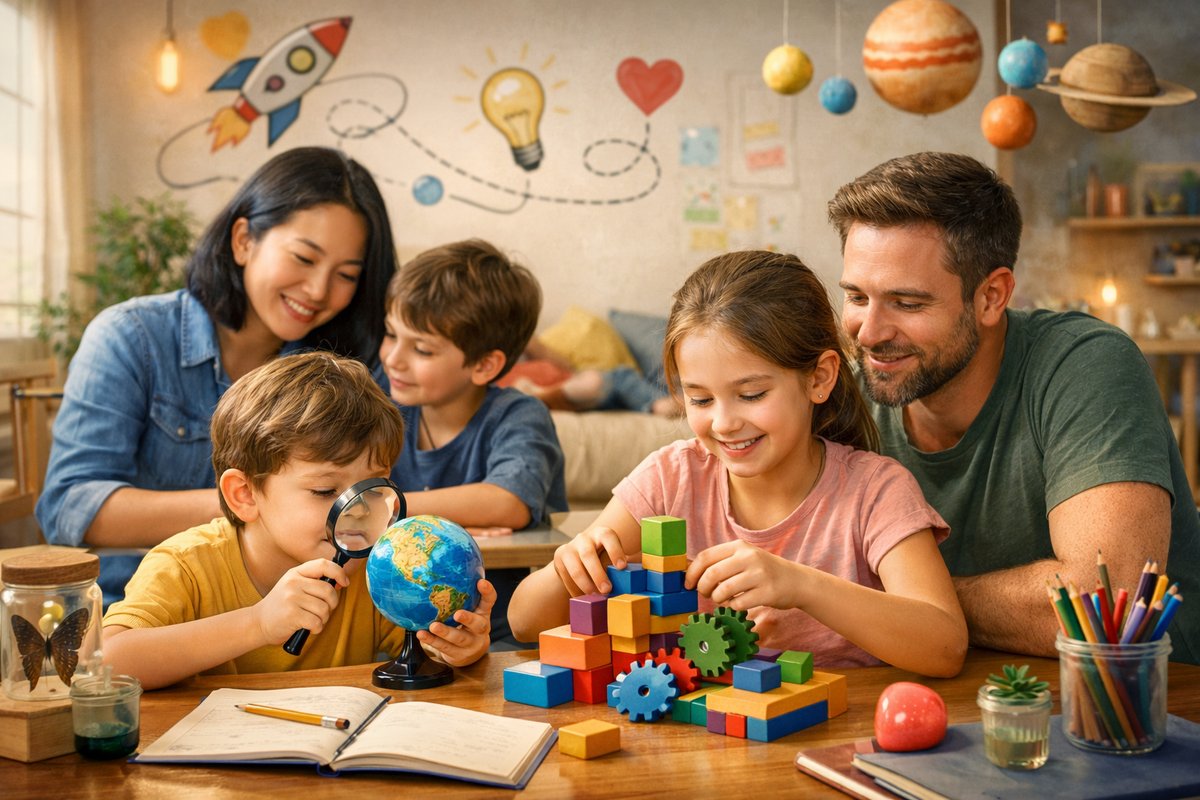
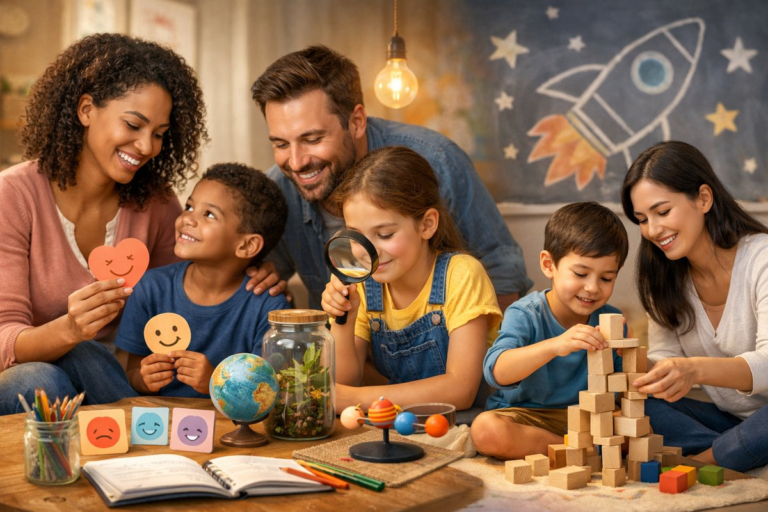
Parents today are reshaping education by blending emotional intelligence with curiosity-driven learning. This approach nurtures children's agency and joy, creating environments where intellectual growth and emotional well-being thrive side by side.
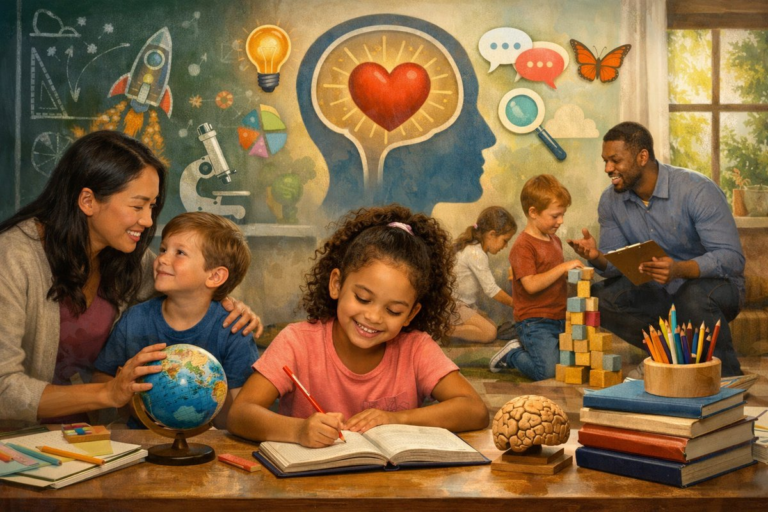
In recent years, a profound shift has taken root in the way families approach education. Moving beyond traditional academic milestones, parents are increasingly embracing a holistic model that prioritizes emotional intelligence alongside intellectual development. This evolution reflects a growing awareness that learning is not merely about knowledge acquisition but also about cultivating curiosity, resilience, and empathy – qualities essential for lifelong success and well-being.
This transformative approach to parenting and education is anchored in the belief that children flourish best when their emotional needs are met with equal care as their cognitive challenges. Instead of viewing education as a rigid, standardized process, families are creating nurturing environments where exploration and emotional growth coexist naturally. This synergy fosters a sense of agency in children, empowering them to become active participants in their own learning journeys.
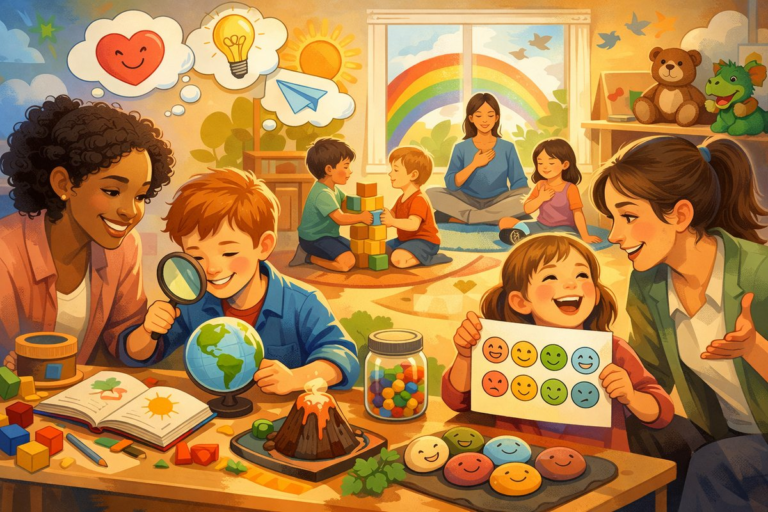
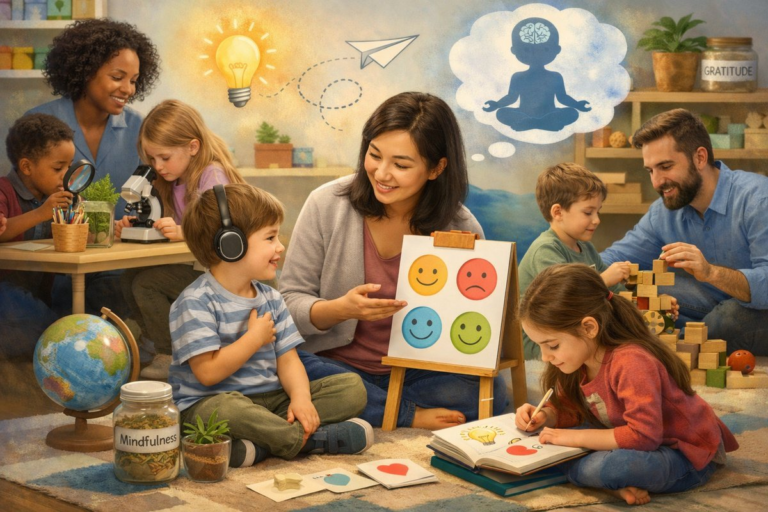
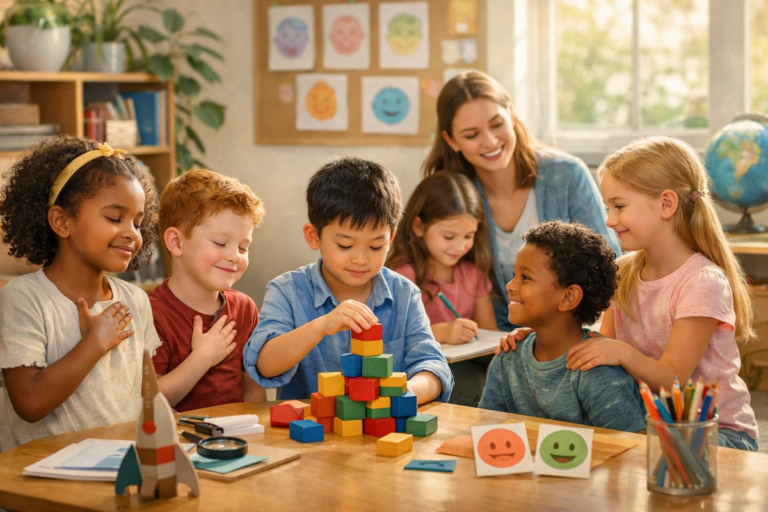
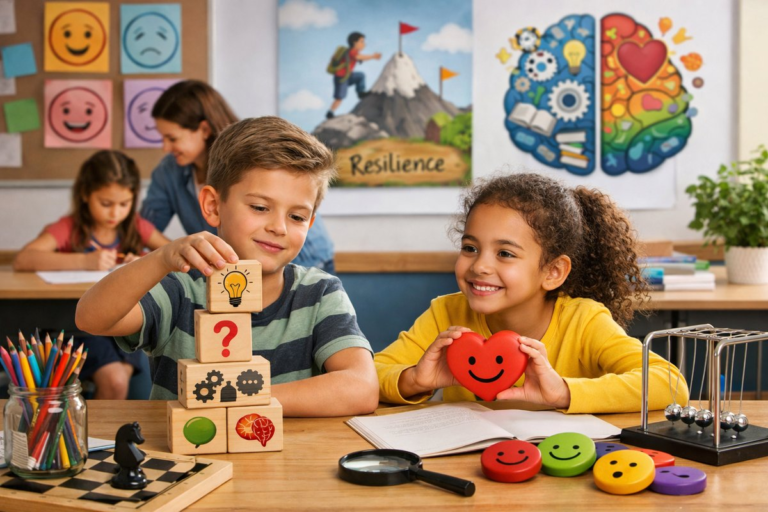
One of the cornerstones of this movement is the integration of emotional tools into everyday learning. Parents are introducing practices such as mindfulness exercises, emotion identification games, and reflective storytelling to help children develop self-awareness and emotional regulation skills. These tools not only support mental health but also enhance focus and creativity, enriching the learning experience.
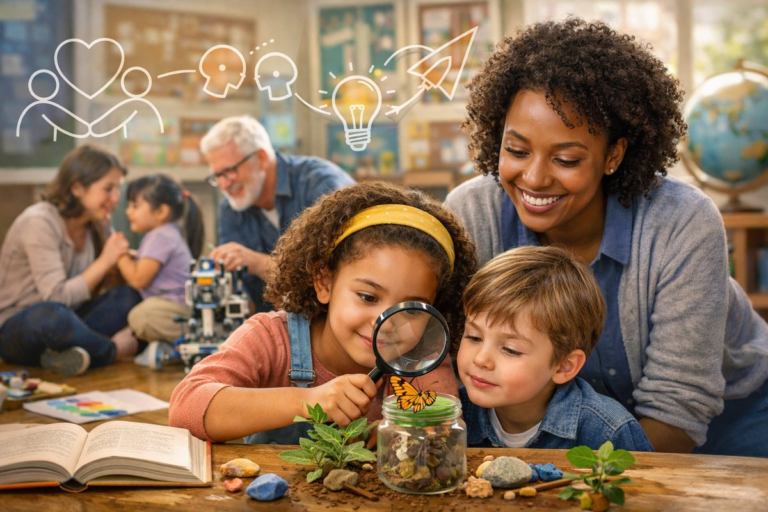
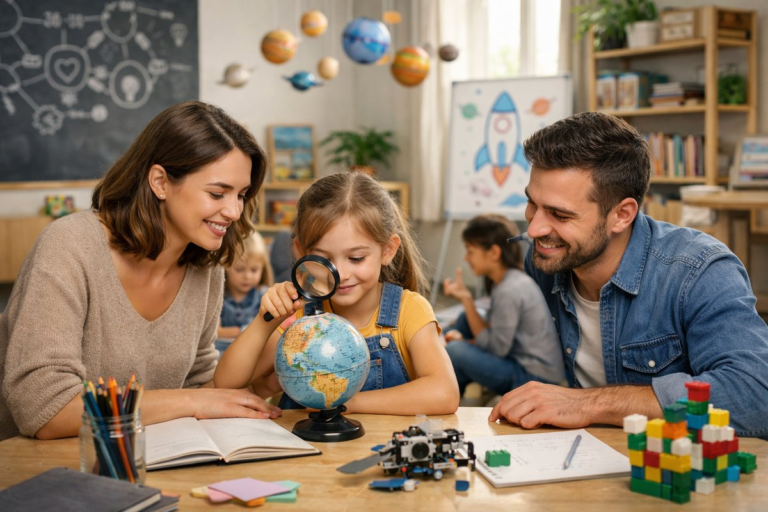
Simultaneously, curiosity-driven learning has taken center stage. Families are designing home environments rich with opportunities for hands-on exploration, from science kits and nature walks to creative arts and problem-solving challenges. This emphasis on experiential learning encourages children to ask questions, experiment, and embrace failure as a natural part of growth.
The rise of open-ended play materials and educational toys that blend STEM concepts with imaginative scenarios reflects this trend. These resources allow children to approach complex ideas through play, fostering critical thinking and adaptability. Importantly, parents are choosing materials that respect sustainability and safety, underscoring a commitment to nurturing not only their children but also the planet.
Moreover, technology is being thoughtfully integrated to support personalized learning without overshadowing human connection. Digital tools that encourage collaboration, creativity, and emotional expression are carefully selected to complement offline activities. Parents are mindful of screen time, prioritizing quality interactions and intentional use.
Community involvement also plays a vital role. Many families participate in local learning co-ops, workshops, and support groups that share values of emotional intelligence and curiosity-based education. These networks provide parents with resources, encouragement, and opportunities for children to engage socially in meaningful ways.
The emotional dimension of this educational philosophy extends to how parents communicate and relate to their children. Emphasizing active listening, validation of feelings, and gentle guidance, parents create a secure base from which children can explore the world confidently. This approach fosters trust and resilience, equipping children to navigate challenges with empathy and self-compassion.
Research supports the benefits of this integrated approach. Studies have shown that children who develop strong emotional skills alongside academic competencies tend to have better mental health, stronger relationships, and greater adaptability. Educational models that incorporate social-emotional learning alongside traditional curricula are gaining traction in schools, reflecting a broader societal shift.
For parents navigating this path, the journey is both rewarding and complex. Balancing structure with flexibility, encouraging independence while providing support, and integrating diverse learning modalities require ongoing reflection and adjustment. Yet, the joy of witnessing children grow into thoughtful, curious, and emotionally intelligent individuals offers profound fulfillment.
As this parenting and education paradigm continues to evolve, it invites a reimagining of what it means to raise thinkers in a rapidly changing world. By centering heart alongside head, families are cultivating environments where children not only learn but also thrive, embracing the full spectrum of human experience.