Location
Mount Vernon, WA 98274

Location
Mount Vernon, WA 98274
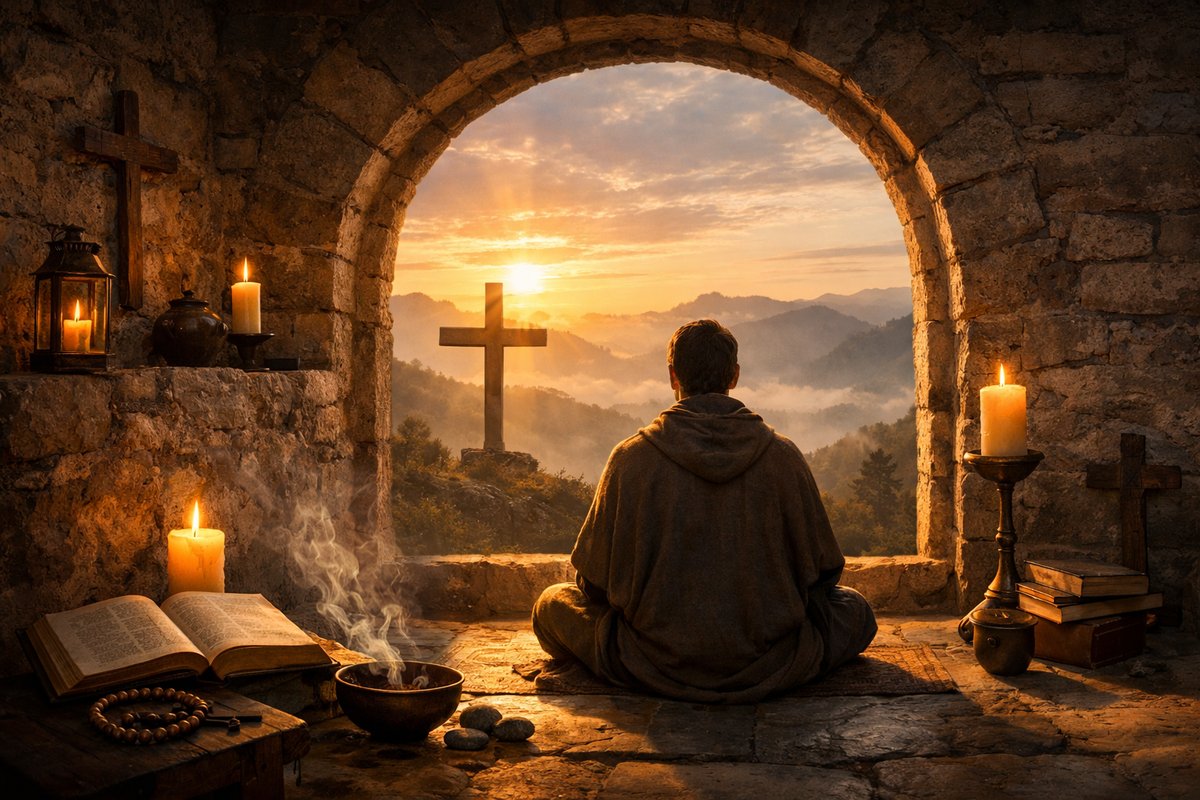
In an era dominated by rapid information and constant connectivity, a renewed interest in contemplative Christian practices is emerging. This movement invites believers to rediscover ancient spiritual disciplines as a pathway to deeper faith and inner peace.
As the modern world accelerates with technological advances and nonstop communication, many Christians are seeking refuge in contemplative practices that emphasize stillness, reflection, and presence. This quiet resurgence of contemplative Christianity offers an alternative to the noise and busyness that characterize contemporary life, inviting believers to engage with their faith through ancient spiritual disciplines that foster renewal and transformation.
Contemplative Christianity, rooted in traditions such as the Desert Fathers and Mothers, monastic prayer, and mysticism, focuses on cultivating an interior life of prayer and meditation. These practices encourage slowing down to listen deeply-to God, to oneself, and to the world around. In doing so, practitioners often report experiencing a profound sense of peace and connection that transcends the distractions of daily life.
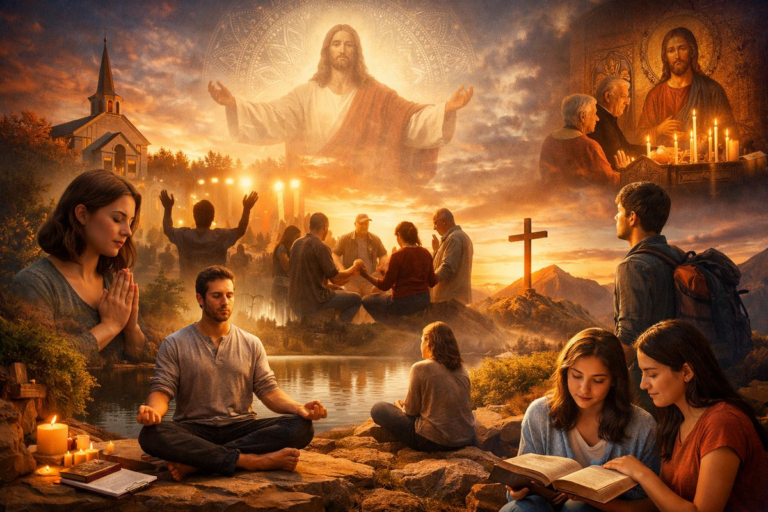
One key practice gaining traction is centering prayer, a method of silent prayer that emphasizes consent to God’s presence and action within. Unlike vocal prayers or petitions, centering prayer invites a surrendering of thoughts and a resting in divine love. Many find this practice accessible and transformative, even within busy schedules, because it requires only a few minutes of quiet focus.
Another element of this contemplative revival is the integration of sacred reading, or lectio divina. This ancient practice involves slow, meditative reading of scripture, allowing the text to speak personally and deeply. Rather than rushing through verses for information, lectio divina invites the reader to dwell with the words, noticing what resonates or challenges. This approach nurtures a living relationship with scripture, making it a source of ongoing spiritual nourishment.
Communities around the world are embracing these contemplative practices, often blending them with modern expressions of faith. Retreat centers and churches offer workshops and silent retreats that provide space for individuals to experience contemplative prayer and meditation. Online platforms also facilitate virtual gatherings and guided sessions, making these ancient disciplines accessible to a broader audience.
This movement is not without its challenges. Some Christians worry that contemplative practices may lead to passivity or distract from active service and social justice. However, many proponents emphasize that contemplation and action are complementary; deepened spiritual awareness often fuels compassionate engagement with the world. By grounding activism in prayerful reflection, believers find renewed motivation and resilience.
The resurgence of contemplative Christianity also resonates with broader cultural trends toward mindfulness and mental well-being. While contemplative prayer is distinct from secular mindfulness, both share a focus on presence and awareness. This convergence has opened doors for interfaith dialogue and mutual learning, enriching Christian spirituality through respectful engagement with other traditions.
Importantly, this contemplative turn reflects a yearning for authenticity and depth amid the superficiality of digital culture. As social media and constant connectivity can fragment attention and foster anxiety, contemplative practices offer a counterbalance-inviting believers to reclaim their inner lives and rediscover the sacred in everyday moments.
In embracing contemplative Christianity, many find a path of quiet courage. This courage is not loud or confrontational but steady and humble, rooted in trust and surrender. It invites a reorientation of life’s priorities, where presence and relationship with God take precedence over productivity and performance.
This movement also highlights the diversity within Christian faith expressions today. Far from being a retreat into isolation, contemplative Christianity often fosters community, as individuals gather to share experiences, support one another, and grow together in spiritual maturity.
Ultimately, the contemplative revival challenges believers to reconsider what it means to live faithfully in a complex world. It calls for a balance between action and stillness, engagement and withdrawal, noise and silence. By reclaiming these ancient practices, Christians are crafting a renewed spirituality that speaks to the deepest human longings for meaning, peace, and connection.
As this quiet revolution unfolds, it invites all who are curious to explore the rich heritage of Christian contemplation. Whether through centering prayer, lectio divina, or silent retreats, these practices offer a pathway into a more grounded and resilient faith-one that can sustain believers amid the uncertainties and challenges of contemporary life.
In a culture often defined by haste and distraction, contemplative Christianity stands as a beacon of hope and renewal, encouraging a journey inward that ultimately leads outward to greater love and service.