Location
Mount Vernon, WA 98274

Location
Mount Vernon, WA 98274

Emerging technologies are weaving intelligence directly into our daily lives through smart textiles and ambient AI devices. These innovations prioritize seamless integration, sustainability, and emotional responsiveness, signaling a future where technology adapts intuitively to human needs without intrusion.
In recent years, the trajectory of everyday technology has shifted from bulky, overt devices to subtle, integrated systems that blend effortlessly into our environments and routines. This evolution is now entering a new phase characterized by smart textiles and ambient artificial intelligence (AI), which promise to transform how we interact with technology on a fundamental level.
Smart textiles, fabrics embedded with sensors and conductive materials, are redefining wearable technology by moving beyond traditional gadgets. These textiles can monitor health metrics, adjust to environmental conditions, and even change appearance or texture in response to stimuli. Unlike conventional wearables, which often require charging and can feel cumbersome, smart textiles are designed for comfort, durability, and sustainability. For example, fabrics that regulate temperature or monitor heart rate without the need for separate devices are becoming increasingly viable thanks to advances in nanotechnology and flexible electronics.
One of the most compelling aspects of smart textiles is their potential to enhance emotional well-being. By sensing physiological signals such as skin conductivity or muscle tension, garments can provide real-time feedback to help users manage stress or improve posture. This biofeedback loop fosters a more intuitive connection between body and mind, encouraging mindfulness and healthier habits without demanding conscious effort.
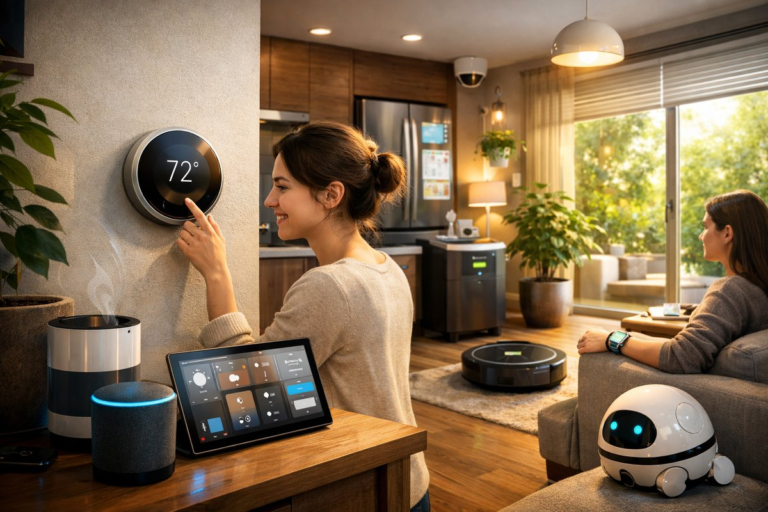
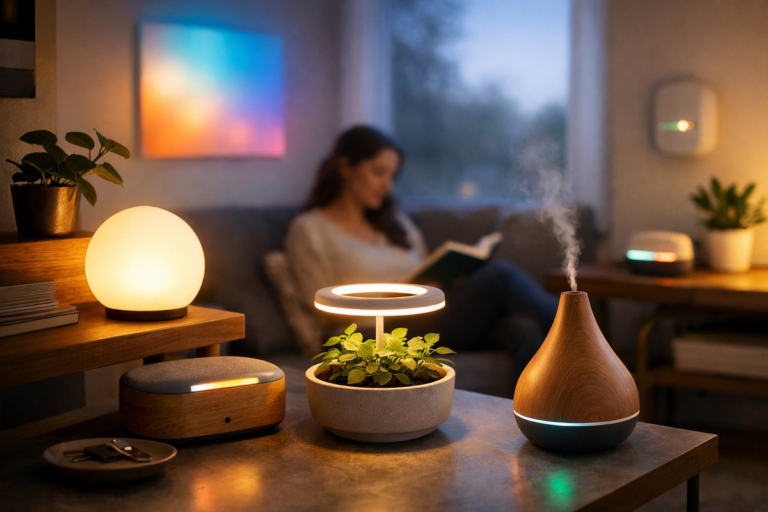
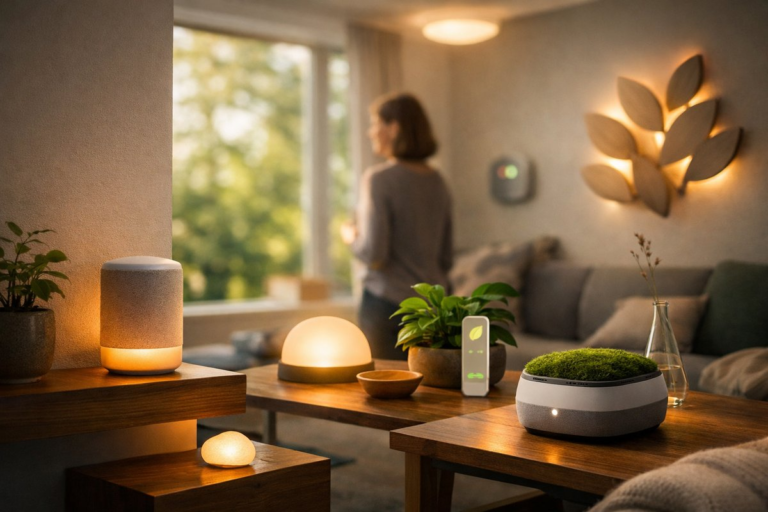
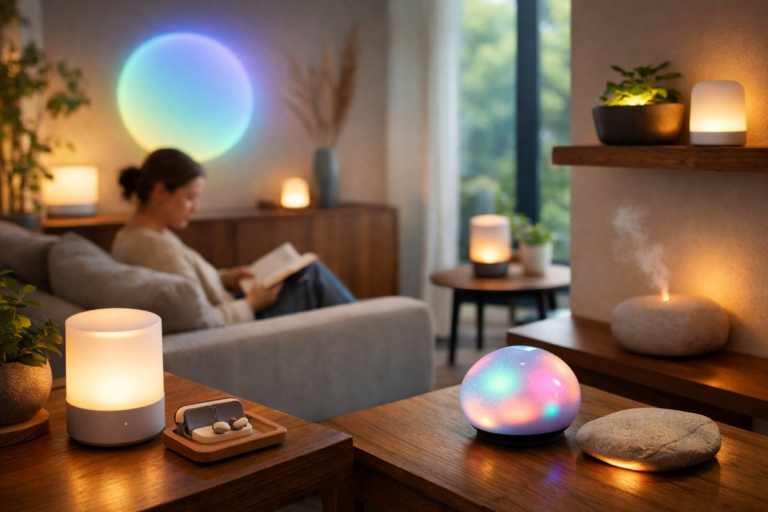
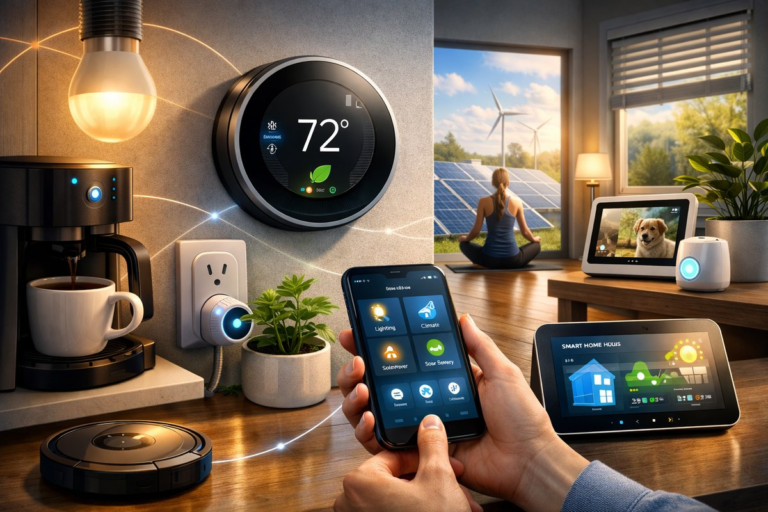
Parallel to smart textiles, ambient AI is quietly revolutionizing the spaces we inhabit. Unlike traditional AI that requires direct user input through screens or voice commands, ambient AI operates unobtrusively in the background, interpreting context and anticipating needs. These systems leverage data from multiple sensors embedded in home or office environments to optimize lighting, temperature, soundscapes, and even air quality.
For instance, an ambient AI system might detect when a person is feeling fatigued based on subtle cues such as typing speed or facial expression and respond by adjusting room lighting to mimic natural daylight or playing calming music. This form of adaptive technology prioritizes emotional intelligence, aiming to create environments that support mental health and productivity.
Importantly, both smart textiles and ambient AI are being developed with sustainability at their core. The materials used in smart fabrics increasingly incorporate recycled fibers and biodegradable components, addressing concerns about electronic waste. Meanwhile, ambient AI systems focus on energy efficiency by learning user patterns to minimize unnecessary power consumption.
The integration of these technologies also raises important questions about privacy and data security. As garments and environments become more sensor-rich, ensuring that personal data is handled transparently and securely is paramount. Emerging frameworks emphasize user consent, data minimization, and local processing to reduce risks associated with cloud-based data storage.
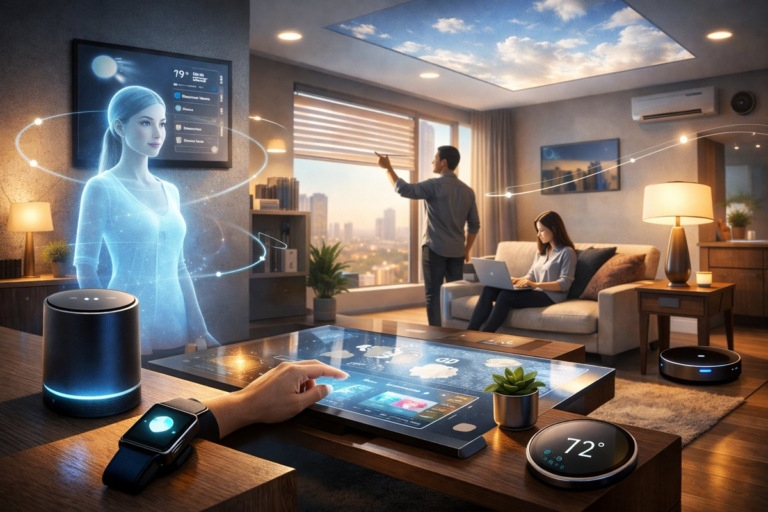
Looking ahead, the convergence of smart textiles and ambient AI could lead to hybrid solutions that offer unprecedented personalization. Imagine clothing that communicates seamlessly with your living space to adjust environmental settings in harmony with your physical and emotional state. This synergy could redefine comfort, health, and productivity in ways that are both subtle and profound.
These innovations are already finding footholds in sectors such as healthcare, sports, and workplace wellness. Smart compression garments aid in recovery and injury prevention for athletes, while ambient AI-driven offices enhance focus and reduce stress for employees. As these technologies mature, their accessibility and affordability are expected to improve, making them part of everyday life for a broader audience.
In summary, the next wave of everyday tech is less about flashy gadgets and more about intelligent, responsive systems that respect user autonomy and environmental impact. Smart textiles and ambient AI exemplify this shift, offering tools that empower individuals through seamless integration and emotional attunement. As curiosity drives further exploration, these innovations hold the promise of a future where technology serves as a gentle, sustaining presence rather than a disruptive force.