Location
Mount Vernon, WA 98274

Location
Mount Vernon, WA 98274
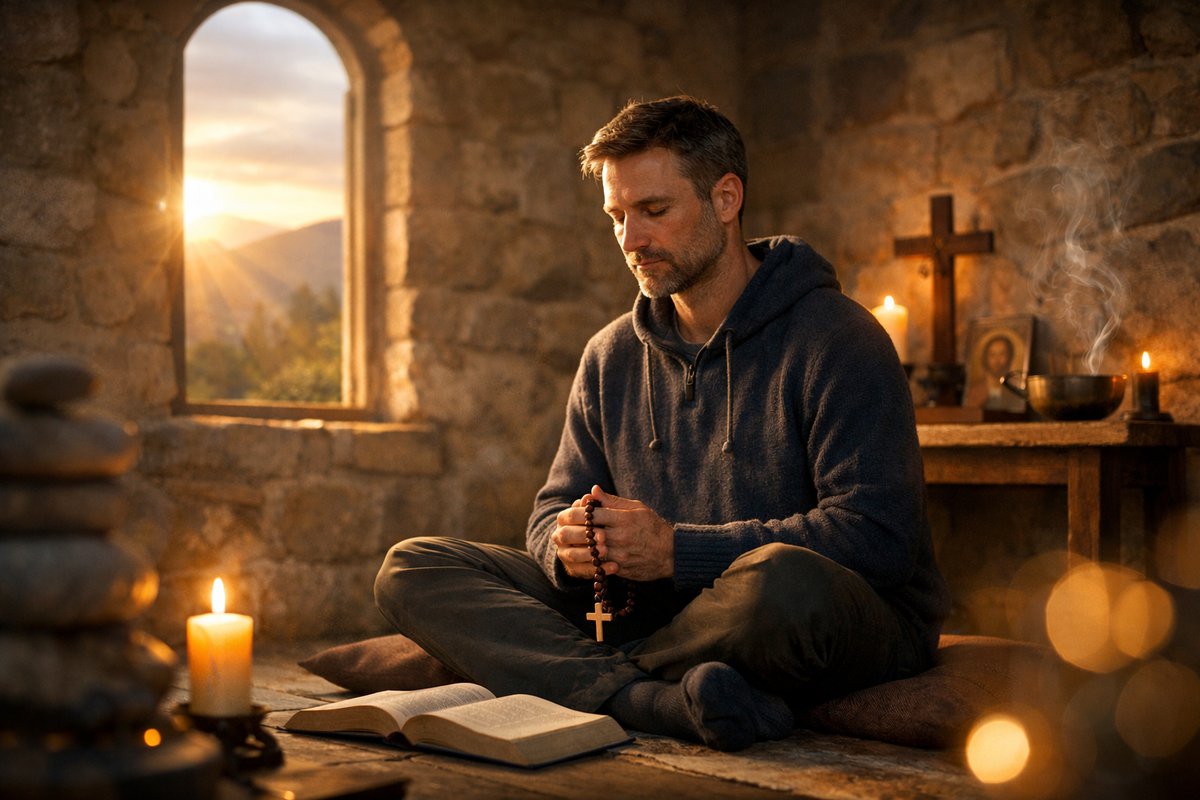
In an era marked by constant noise and digital distractions, a growing number of Christians are turning inward, rediscovering contemplative practices as a path to spiritual depth and renewal. This quiet revival reflects a yearning for meaningful connection, rooted in ancient traditions yet resonant with modern seekers.
In today’s fast-paced society, where information floods every moment and digital engagement often replaces face-to-face connection, many Christians find themselves yearning for a deeper, quieter encounter with their faith. This longing has sparked a renewed interest in contemplative Christianity-a form of spiritual practice that emphasizes stillness, silence, and attentive presence to God. Far from being a retreat into escapism, this movement invites believers to engage with their faith in ways that nurture emotional resilience, spiritual insight, and a profound sense of peace.
Contemplative Christianity is not new; its roots extend deep into the early church, drawing from monastic traditions, the Desert Fathers and Mothers, and mystics who sought to cultivate an inner life centered on prayer and reflection. What is new, however, is the context in which this ancient wisdom is being reclaimed. In a world overwhelmed by constant connectivity, the contemplative path offers a countercultural rhythm-one that slows down the relentless pace and invites a more mindful, embodied experience of faith.
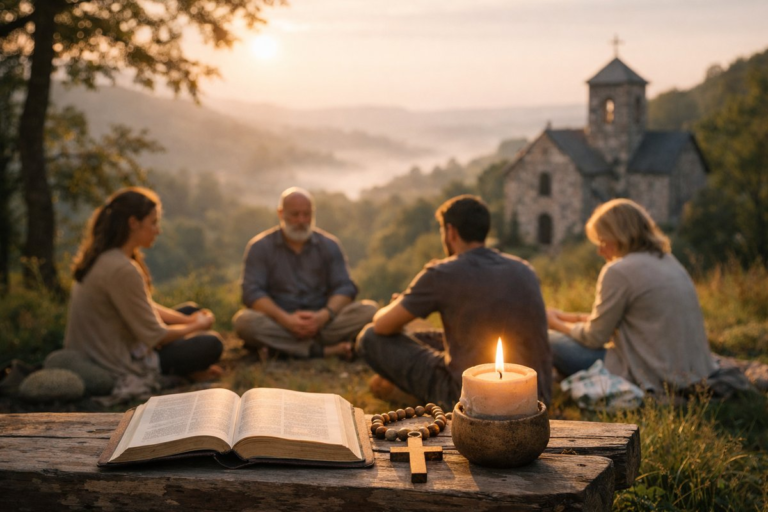
This resurgence is visible in various expressions: from small groups gathering for silent prayer and meditation, to churches incorporating contemplative liturgies, to individuals adopting daily practices like lectio divina (sacred reading) and centering prayer. These practices foster a deeper listening-to God, to oneself, and to the world-cultivating an awareness that transcends intellectual assent and touches the heart.
The appeal of contemplative Christianity also lies in its capacity to address the emotional and psychological challenges of modern life. Anxiety, burnout, and a pervasive sense of disconnection are common experiences, and contemplative practices offer tools for grounding and healing. Through intentional stillness and presence, practitioners report enhanced emotional regulation, greater empathy, and a renewed capacity for hope and courage amid uncertainty.
Moreover, contemplative spirituality encourages an ethical engagement with the world. It nurtures compassion and a commitment to justice, rooted in the recognition of the sacredness of all life. This dimension resonates deeply with those who seek to live out their faith authentically in a fractured and complex global landscape.
The revival of contemplative Christianity also invites a reconsideration of what it means to be a community of faith. Rather than prioritizing activity and output, these communities emphasize shared silence, mutual support, and the cultivation of spiritual depth. This shift challenges churches to create spaces that honor vulnerability, authenticity, and the transformative power of presence.
Importantly, this movement is inclusive and adaptable. It welcomes diverse expressions of Christianity and honors the unique spiritual journeys of individuals. Whether one is new to faith or has walked the path for decades, contemplative practices offer a way to encounter God that transcends doctrinal boundaries and cultural differences.
As this quiet resurgence continues, it opens new possibilities for how Christianity can be lived and experienced in the contemporary world. It invites believers to slow down, listen deeply, and find strength not in busyness or control, but in surrender and trust. In doing so, it offers a pathway to renewal-both personal and communal-that is urgently needed in these turbulent times.
Ultimately, the revival of contemplative Christianity is a testament to the enduring human desire for meaning, connection, and transcendence. It calls us to a journey of inner transformation that ripples outward, shaping how we relate to ourselves, each other, and the sacred mystery at the heart of existence.