Location
Mount Vernon, WA 98274

Location
Mount Vernon, WA 98274
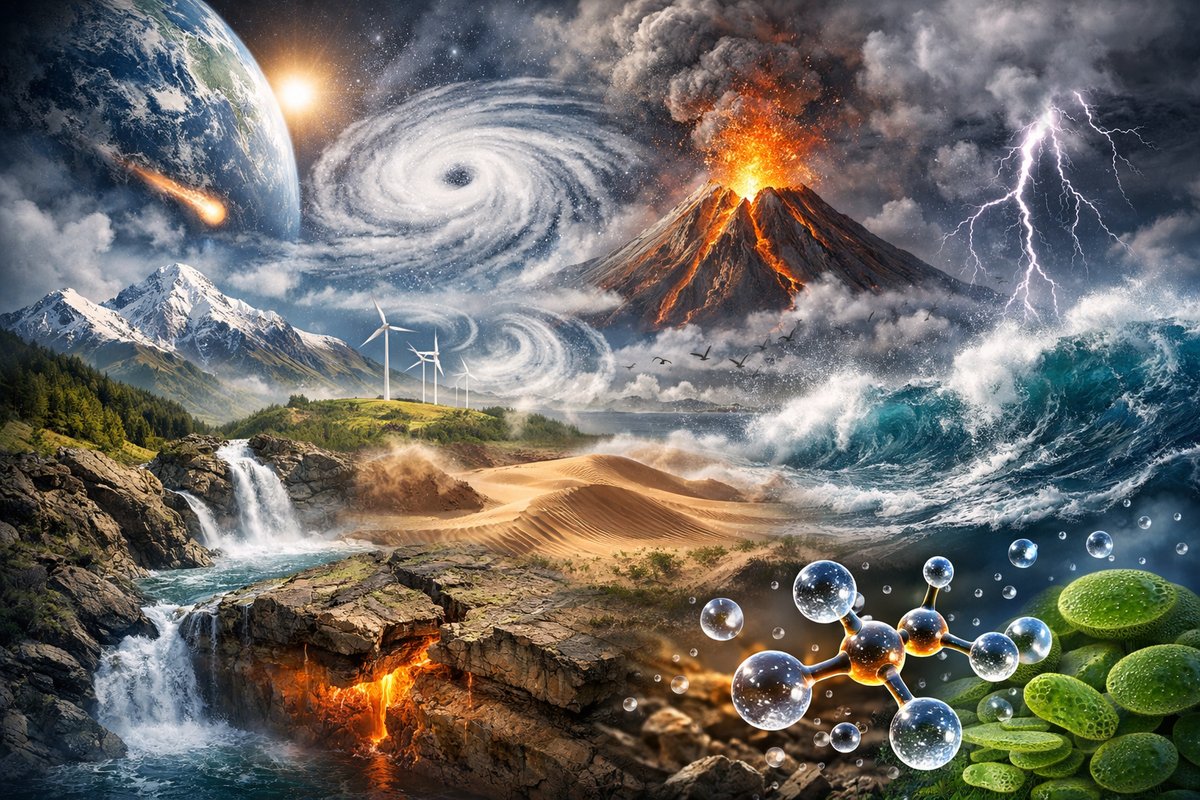
From the gentle pull of gravity to the chaotic dance of turbulent winds, natural forces operate unseen yet ceaselessly to shape the world around us. This article explores the subtle and powerful phenomena that govern Earth's landscapes, weather, and even the microscopic interactions that sustain life.
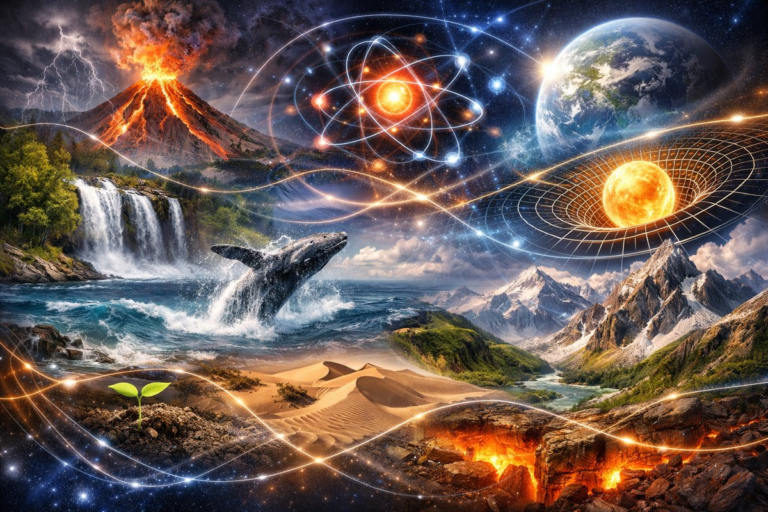
Every moment on Earth, a complex interplay of natural forces quietly governs the shape and behavior of our planet. These forces, while often invisible to the naked eye, manifest in the shifting of continents, the flow of rivers, the rise and fall of tides, and the very air we breathe. Understanding these phenomena not only deepens our appreciation for the natural world but also equips us to better anticipate changes and challenges in our environment.
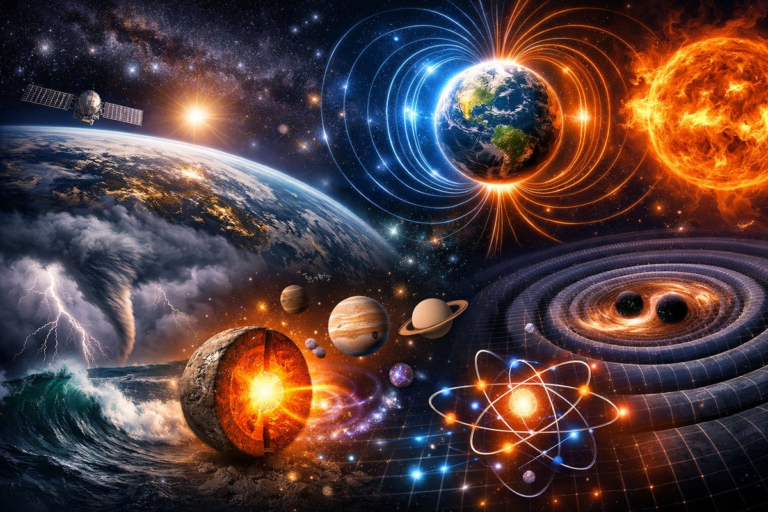
Gravity, the fundamental force pulling objects toward one another, is the most familiar yet profoundly influential natural force. It anchors us to the planet and orchestrates the movements of oceans through tides driven by the gravitational pull of the moon and sun. These tidal rhythms regulate coastal ecosystems and influence marine life migration patterns. Beyond Earth, gravity governs the orbits of planets and the structure of galaxies, reminding us that this force is a universal architect.
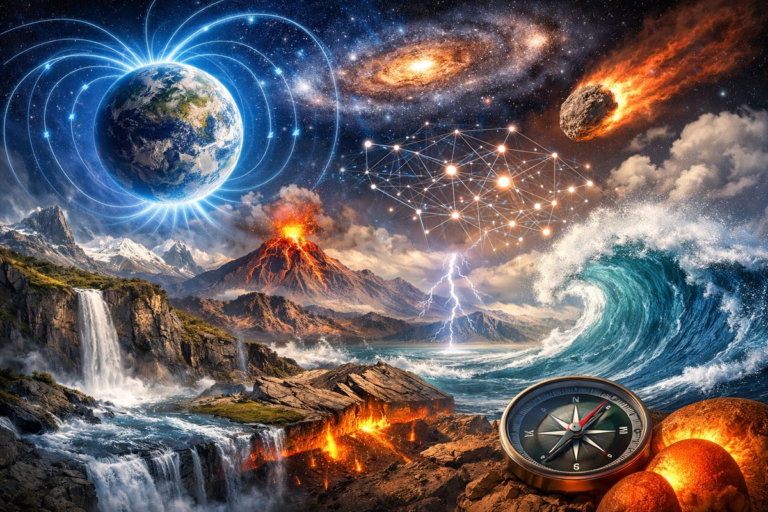
Magnetism, another subtle force, originates from the Earth’s molten iron core, generating a magnetic field that shields the planet from harmful solar radiation. This geomagnetic field not only protects life but also guides migratory species like birds and sea turtles. Fluctuations in this field can lead to spectacular auroras, painting the skies with vivid colors as charged particles collide with atmospheric gases.
Wind and atmospheric pressure differences drive weather systems, shaping climates and ecosystems worldwide. The chaotic nature of turbulence in the atmosphere results in storms, from gentle breezes that disperse seeds to devastating hurricanes that reshape coastlines. These dynamic air movements redistribute heat and moisture, maintaining the delicate balance necessary for life.
Water, in its various forms, acts as both a sculptor and a conveyor. Rivers carve valleys over millennia, glaciers grind mountains into new shapes, and ocean currents transport nutrients across vast distances. The hydrologic cycle-evaporation, condensation, precipitation-connects these processes, sustaining terrestrial and aquatic habitats.
At a microscopic level, emergent phenomena arise from the interactions of countless particles and forces. For example, the self-organization of molecules leads to the formation of complex structures essential for life. Quantum forces, though operating at scales far removed from everyday experience, underpin the chemical reactions that fuel biological processes.
Human understanding of these natural forces has advanced dramatically with modern technology. Satellite imaging reveals shifting tectonic plates and deforestation patterns, while sensors monitor atmospheric changes in real time. Computational models simulate weather and climate, aiding in disaster preparedness and environmental stewardship.
Yet, despite these advances, nature retains an element of mystery. Phenomena such as sudden magnetic pole reversals, unpredictable volcanic eruptions, and the intricate feedback loops within ecosystems continue to challenge scientists. This ongoing exploration invites a sense of wonder and humility, reminding us of our place within a vast, interconnected system.
Embracing the complexity of natural forces encourages sustainable interaction with our environment. By recognizing the delicate balances and powerful energies at play, societies can develop practices that minimize harm and promote resilience. Whether through harnessing renewable energy sources or protecting natural habitats, aligning human activity with the rhythms of nature is vital for the future.
In essence, the invisible currents of natural forces are the threads weaving the tapestry of life on Earth. Their study not only satisfies human curiosity but also nurtures a deeper connection to the planet we call home, inspiring stewardship and awe in equal measure.