Location
Mount Vernon, WA 98274

Location
Mount Vernon, WA 98274

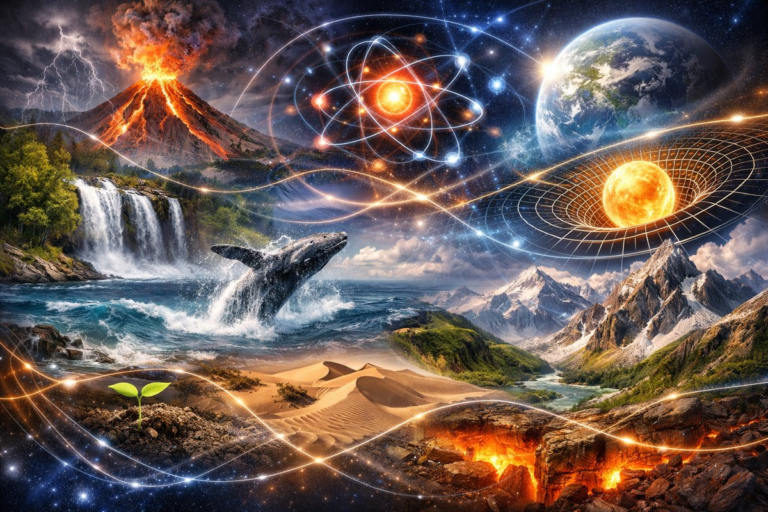
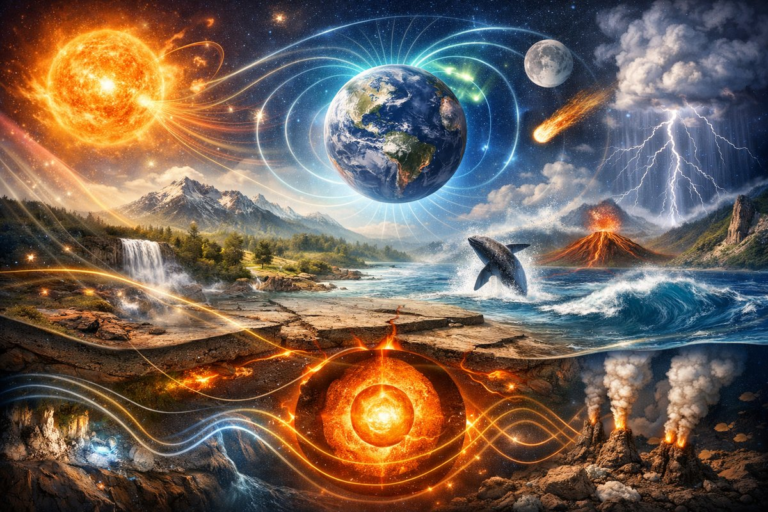
Natural forces operate as invisible architects of our world, orchestrating a complex interplay that shapes landscapes, climates, and ecosystems. From the subtle pull of gravity to the enigmatic behaviors of emergent systems, these phenomena invite us to explore the intricate patterns that govern Earth's dynamic processes.
Our planet is a living mosaic of forces-some visible, many imperceptible-that continuously sculpt its surface and influence life in profound ways. While we often take for granted the stability of the ground beneath our feet or the steady flow of rivers, these realities are the result of a delicate balance between natural forces such as gravity, magnetism, fluid dynamics, and emergent phenomena. Recent advances in sensor technology and computational modeling have begun to reveal the hidden rhythms and interactions that govern these forces, offering new insights into Earth’s complex systems.
Gravity, the most familiar of these forces, is far from a simple downward pull. It subtly varies across the globe due to differences in Earth’s density and topography, influencing ocean currents, atmospheric circulation, and even the flow of magma beneath the crust. High-precision gravimeters deployed worldwide have detected minute fluctuations that correlate with seismic activity, volcanic unrest, and groundwater changes, providing critical data for natural hazard monitoring and resource management.
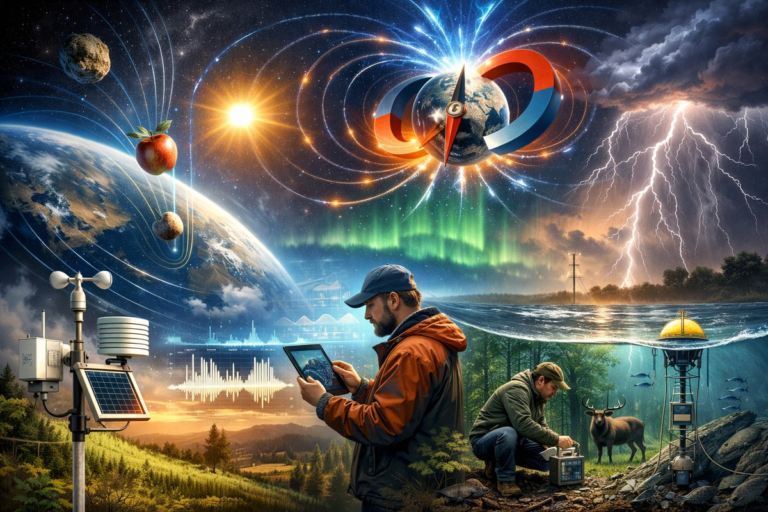
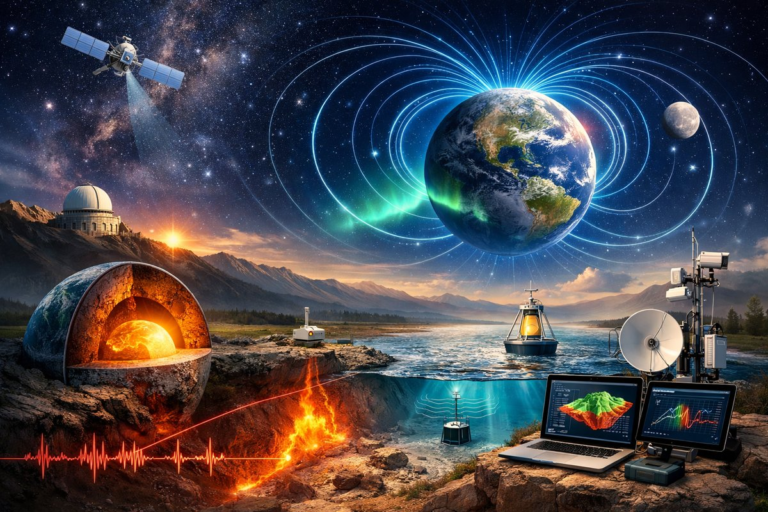
Magnetism, another fundamental force, weaves an invisible web around the planet. Earth’s magnetic field shields us from cosmic radiation and solar winds, but it also undergoes continuous changes, including periodic pole reversals that unfold over thousands of years. Recent studies utilizing satellite magnetometers and ground observatories have mapped subtle shifts in the magnetic field, uncovering anomalies linked to deep Earth processes and contributing to navigation and communication technologies.
Beyond these classical forces, emergent phenomena arise from the complex interactions of simpler components, producing patterns that cannot be predicted by examining individual elements alone. Examples include the formation of weather systems, the self-organization of ecosystems, and the fractal geometry of river networks. Understanding these emergent behaviors requires interdisciplinary approaches, combining physics, ecology, and computational science.
One compelling illustration is the study of fluid dynamics in ocean currents and atmospheric jets. These flows are driven by temperature gradients, Earth’s rotation, and gravitational forces, creating intricate patterns such as eddies, gyres, and jet streams. These patterns regulate climate by distributing heat and moisture globally, influencing weather extremes and long-term trends. Advanced modeling and satellite observations have improved forecasts and deepened our understanding of climate variability.
On a smaller scale, the interaction between tectonic plates exemplifies the power of natural forces in shaping the Earth’s surface. The slow but relentless movement of plates driven by mantle convection leads to earthquakes, mountain building, and volcanic activity. Seismic networks and GPS measurements track these movements with increasing precision, enabling better risk assessment and disaster preparedness.
Emerging research also explores the quantum quirks present in natural materials, such as magnetite crystals in bacteria that respond to Earth’s magnetic field, enabling navigation. These quantum effects, though subtle, hint at a deeper layer of natural forces influencing biological systems and geological processes alike.
As we deepen our understanding of these natural forces and phenomena, we gain not only scientific knowledge but also a renewed sense of wonder and responsibility. The patterns we uncover reveal the interconnectedness of Earth’s systems and the delicate balance sustaining life. They remind us that our actions ripple through these forces, underscoring the importance of sustainability and stewardship.
Looking ahead, the integration of global sensor networks, machine learning, and citizen science promises to accelerate discoveries and democratize access to knowledge about our planet’s dynamic forces. By embracing curiosity and emotional intelligence, we can foster a collective appreciation for the invisible threads that bind us to the natural world and inspire innovative solutions to the challenges we face.
In essence, natural forces are the silent composers of Earth’s ongoing symphony-a complex, ever-evolving masterpiece that invites us to listen closely, learn deeply, and act wisely.