Location
Mount Vernon, WA 98274

Location
Mount Vernon, WA 98274
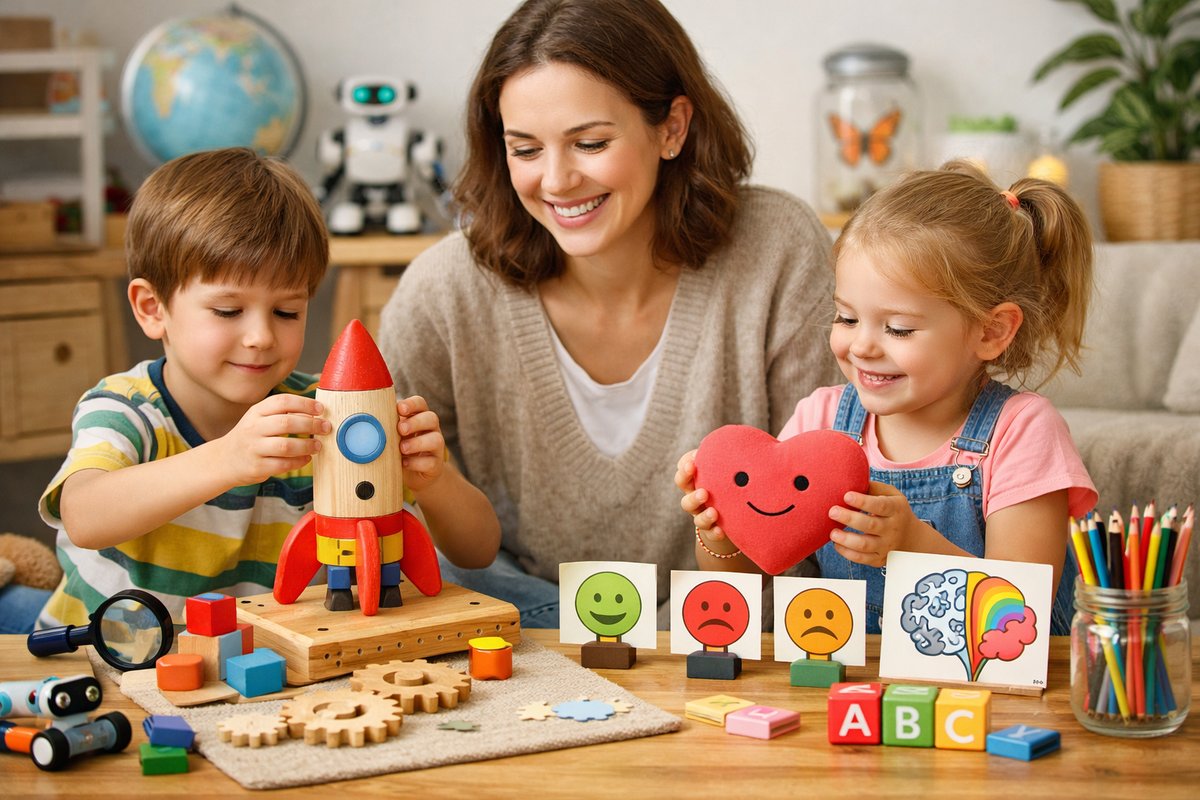
Modern parenting and education are increasingly focused on fostering curiosity, emotional intelligence, and agency in children. By blending learning toys with emotional tools, caregivers can support holistic development that prepares young minds for a complex world.
In recent years, there has been a notable shift in how parents and educators approach childhood development. Moving beyond traditional academic metrics, the focus has expanded to include emotional intelligence, curiosity-driven learning, and empowering children to take ownership of their growth. This evolution reflects a deeper understanding that nurturing a child’s heart and mind simultaneously is essential for fostering well-rounded, resilient individuals.
Central to this new paradigm is the recognition that children learn best when they are emotionally supported and intellectually engaged. Parents and educators are increasingly seeking tools and strategies that encourage exploration and self-expression while cultivating empathy and emotional regulation. This holistic approach not only supports cognitive skills but also builds the social and emotional competencies critical for lifelong success.
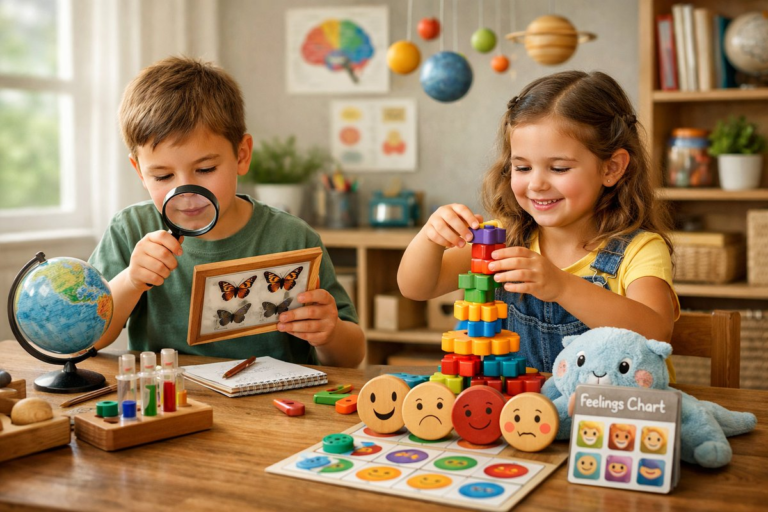
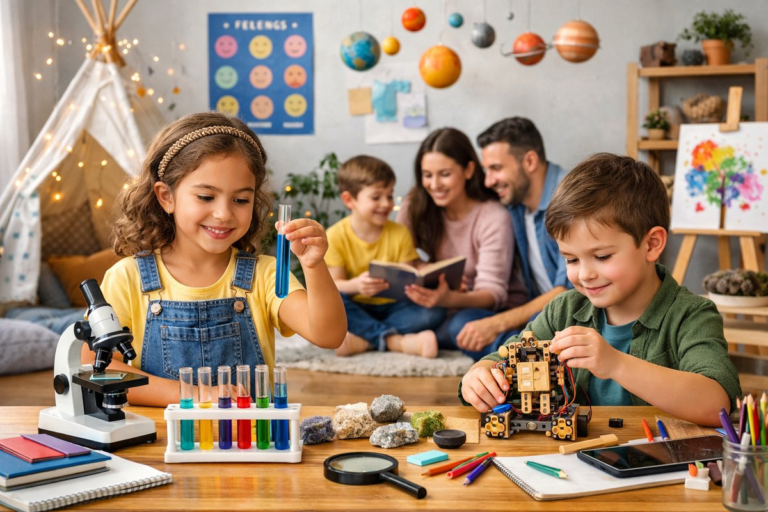
One of the most effective ways to encourage curiosity and agency is through thoughtfully designed learning toys. These are not mere distractions; rather, they are carefully crafted to challenge children’s problem-solving abilities, creativity, and critical thinking. Open-ended toys such as building blocks, puzzles, and science kits invite children to experiment, hypothesize, and discover at their own pace. This type of play fosters a growth mindset, where mistakes are seen as valuable learning opportunities rather than failures.
Alongside physical toys, emotional tools have gained prominence in homes and classrooms. These tools include books that explore feelings, mindfulness activities tailored for children, and interactive games that teach empathy and communication skills. For example, emotion flashcards can help young children identify and name their feelings, while guided meditation apps designed for kids promote calmness and self-awareness. These resources equip children with the vocabulary and strategies to navigate their inner world and social interactions more effectively.
The integration of technology in parenting and education also plays a nuanced role. While screen time is often a concern, many digital platforms now emphasize interactive, educational content that aligns with developmental goals. Apps that encourage storytelling, coding, or environmental awareness can complement hands-on play and emotional learning. The key is mindful use-choosing high-quality content and balancing screen engagement with offline activities that promote real-world connection.
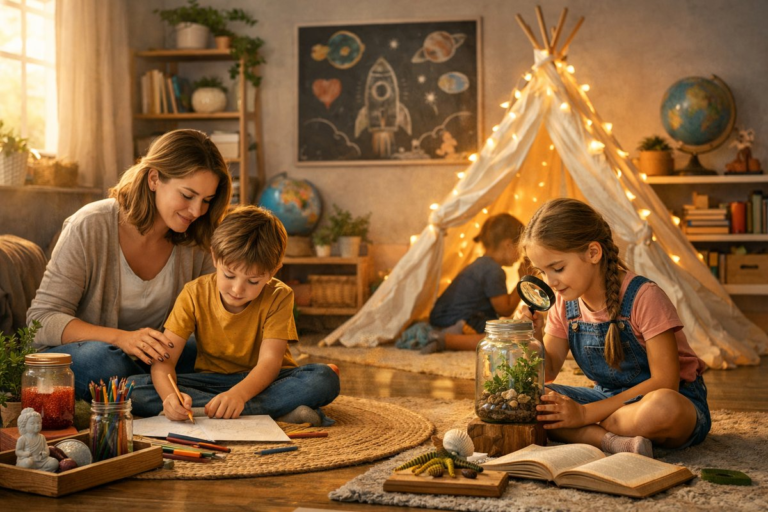
Importantly, this approach respects the individuality of each child. Parents and educators are encouraged to observe and listen closely, adapting their support to meet unique needs and interests. This personalized attention nurtures a sense of agency, empowering children to take charge of their learning journey and build confidence in their abilities.
Furthermore, fostering emotional intelligence in early years has profound implications for mental health and social relationships. Children who learn to recognize and manage their emotions are better equipped to handle stress, resolve conflicts, and build positive friendships. This foundation reduces the risk of anxiety and behavioral challenges later in life.
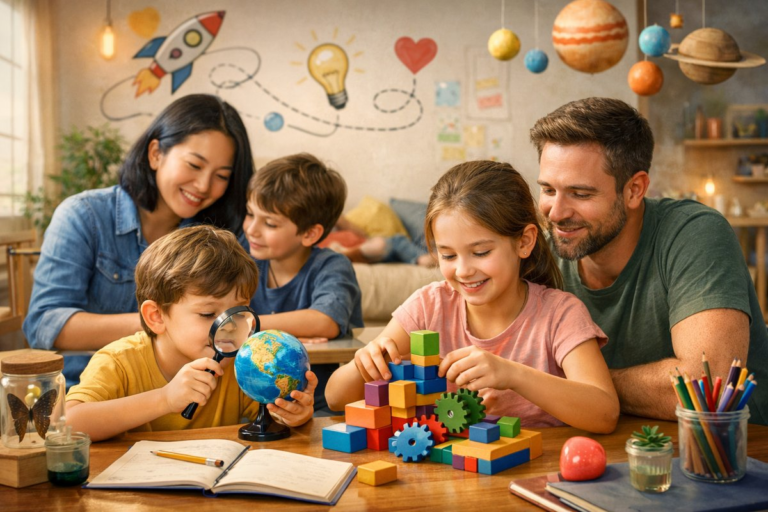
Community involvement also enhances this holistic model. Programs that bring families, schools, and local organizations together create supportive environments where children’s curiosity and emotional growth are celebrated. Workshops on mindful parenting, peer support groups, and family learning events provide practical tools and reinforce the shared commitment to nurturing thoughtful, compassionate future generations.
In summary, the convergence of curiosity-driven learning and emotional intelligence represents a transformative shift in parenting and education. By combining engaging learning toys with emotional tools and mindful technology use, caregivers can cultivate environments where children thrive intellectually, emotionally, and socially. This balanced approach honors the complexity of human development and inspires a lifelong love of learning and self-discovery.