Location
Mount Vernon, WA 98274

Location
Mount Vernon, WA 98274
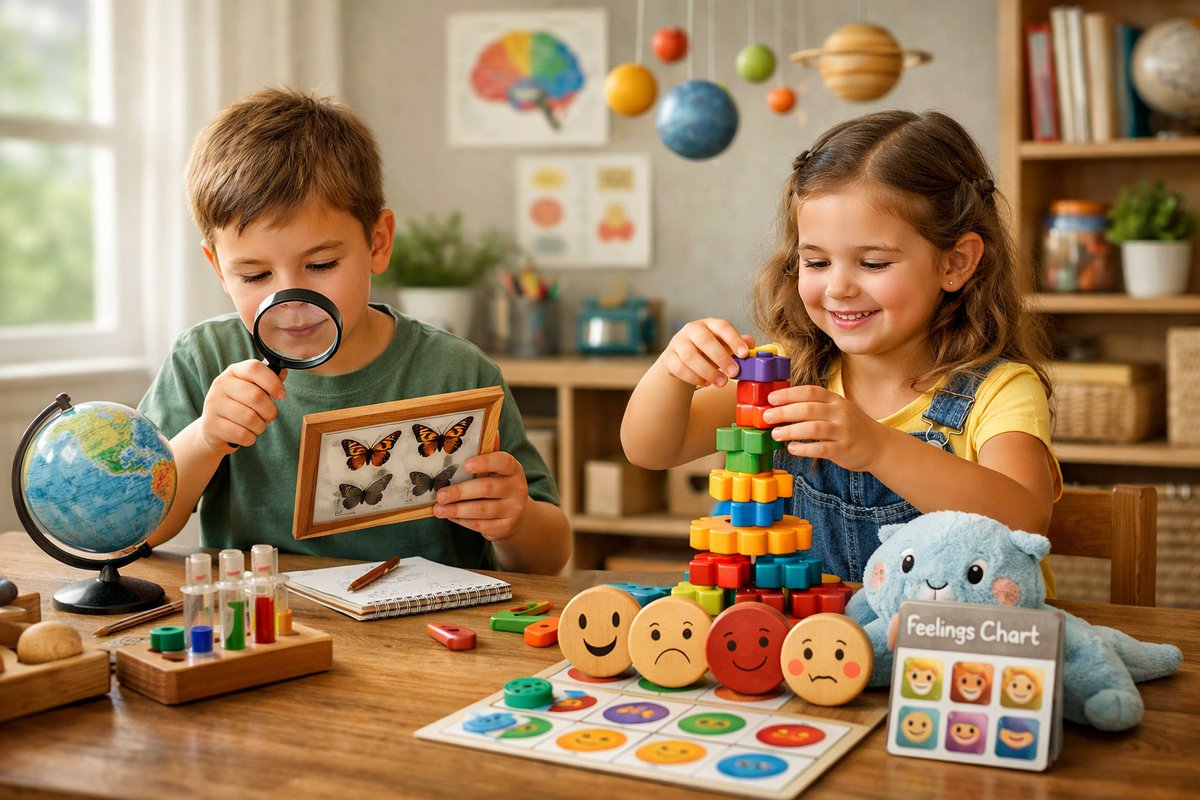
Modern parenting and education increasingly emphasize fostering curiosity, emotional intelligence, and independent thinking in children. Integrating learning toys and emotional tools into daily routines supports children's holistic growth and prepares them to navigate a complex world with empathy and confidence.
In recent years, the approach to parenting and education has undergone a significant transformation, shifting from rigid structures and rote learning toward a more holistic, child-centered philosophy. This evolution reflects a growing recognition that nurturing curiosity and emotional intelligence is just as crucial as academic achievement. As families and educators seek to raise thoughtful, resilient children, the integration of learning toys and emotional tools into everyday life has become a vital strategy.
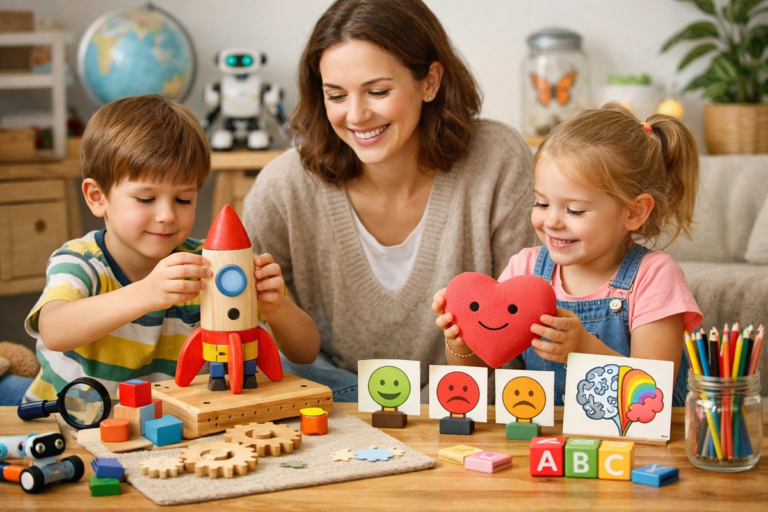
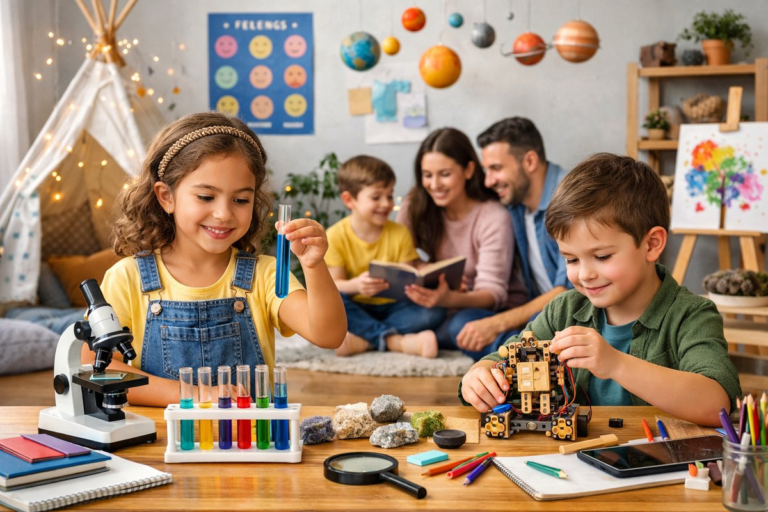
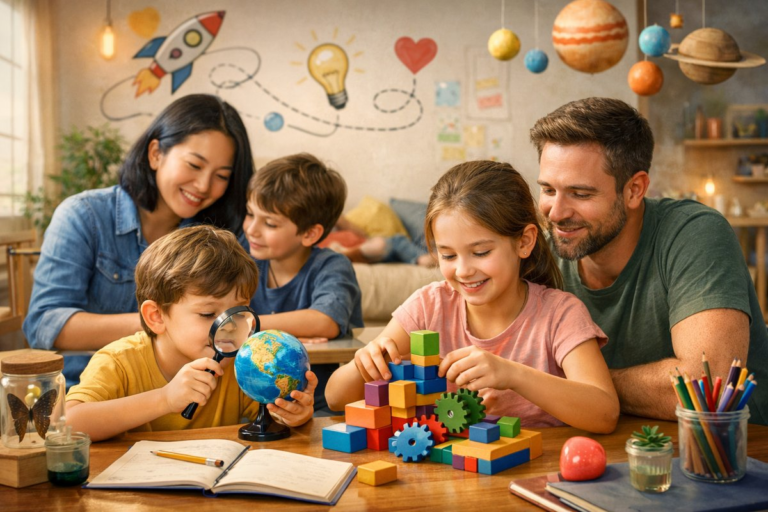
Children naturally possess a boundless curiosity about the world around them. When nurtured, this curiosity blossoms into a lifelong love of learning and discovery. However, the challenge for parents and educators is to create environments that encourage exploration without overwhelming or directing it too rigidly. Open-ended toys that stimulate imagination, such as building blocks, puzzles, and art supplies, allow children to experiment freely and develop problem-solving skills. These tools not only engage cognitive faculties but also promote fine motor development and spatial reasoning.
Beyond cognitive growth, emotional intelligence has emerged as a cornerstone of effective parenting and education. Emotional intelligence-the ability to recognize, understand, and manage one’s own emotions and empathize with others-equips children with essential life skills. Emotional tools like mindfulness exercises, emotion cards, and guided storytelling help children articulate their feelings and develop empathy. Such practices reduce anxiety, improve social interactions, and foster a supportive community both at home and in the classroom.
Educational frameworks are increasingly incorporating social-emotional learning (SEL) to complement traditional curricula. SEL programs teach children skills such as self-awareness, self-regulation, social awareness, relationship building, and responsible decision-making. These competencies create a foundation for academic success and personal well-being. Schools that prioritize SEL report improvements in student behavior, attendance, and academic performance, highlighting the interconnectedness of emotional health and learning.
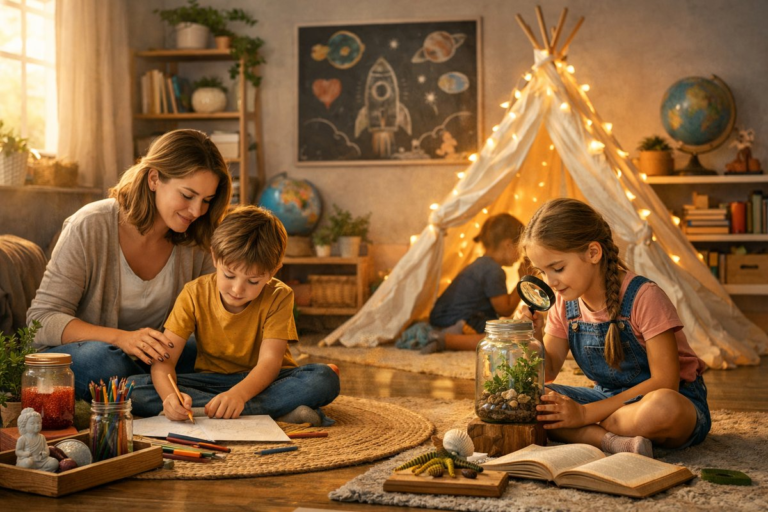
Parents play a pivotal role in modeling and reinforcing these values. Consistent communication, active listening, and validating children’s emotions create a secure attachment that encourages openness and trust. Tools like emotion wheels or journals can assist children in naming and processing their feelings. Additionally, family routines that include shared reading, reflective conversations, and cooperative play strengthen bonds and cultivate a culture of curiosity and kindness.
Technology, when used thoughtfully, can also enhance learning and emotional development. Interactive apps designed to teach mindfulness or emotional recognition can engage children in a format that resonates with their digital fluency. However, balance is key-screen time should be moderated to ensure that hands-on, real-world experiences remain central to growth.
Another critical aspect is fostering agency-the ability of children to make choices and take ownership of their learning journey. Providing opportunities for decision-making, whether through selecting books, planning activities, or solving problems independently, nurtures confidence and intrinsic motivation. This approach respects children as active participants rather than passive recipients of knowledge.
As families and educators continue to adapt, the emphasis on curiosity, agency, and emotional intelligence promises to cultivate a generation of thinkers who are not only knowledgeable but also compassionate and adaptable. The integration of thoughtfully chosen learning toys and emotional tools into daily life supports this vision, making the journey of raising and educating children a joyful, heart-centered endeavor.