Location
Mount Vernon, WA 98274

Location
Mount Vernon, WA 98274
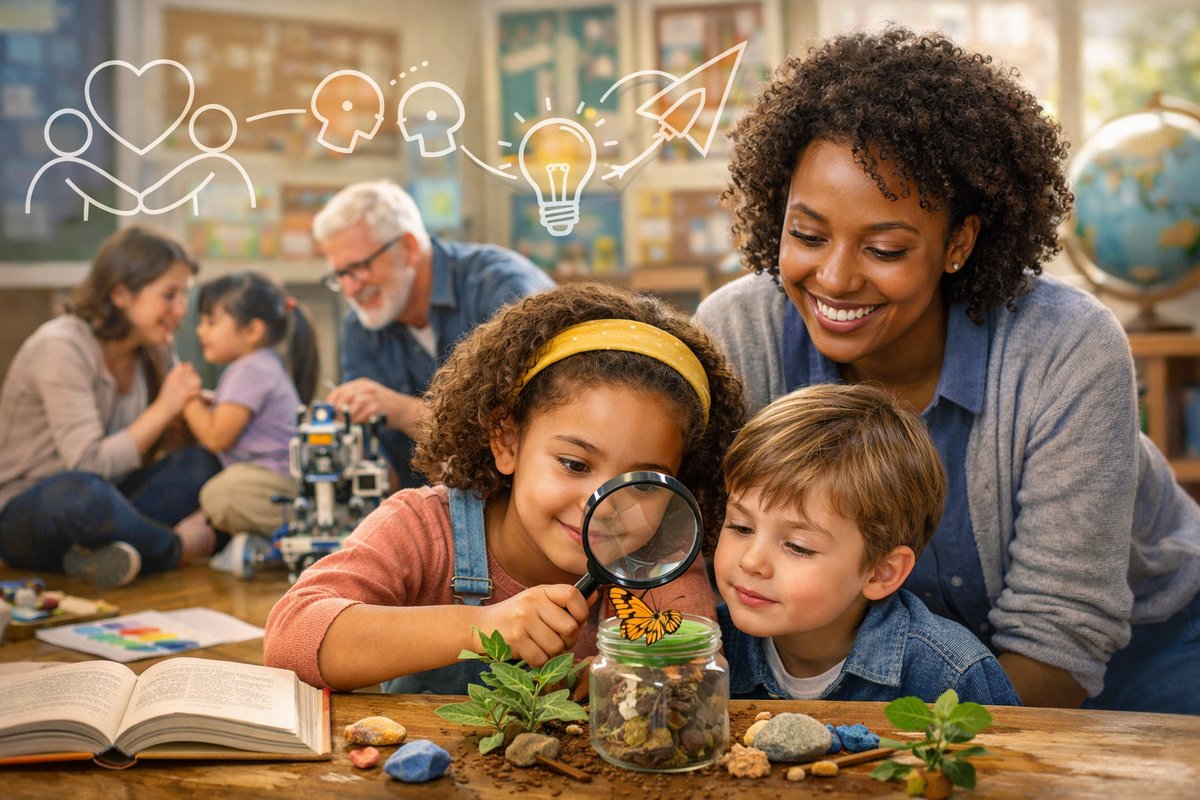
As parents and educators navigate an increasingly complex world, fostering emotional intelligence alongside curiosity has become essential. This evolving approach to child development emphasizes agency, empathy, and the joy of discovery, reshaping how families and schools support young thinkers.
In today’s rapidly changing landscape, parenting and education are undergoing a profound transformation. No longer confined to rote memorization or standardized testing, the focus has shifted toward nurturing emotional intelligence, critical thinking, and curiosity. This holistic approach recognizes that children thrive when their emotional needs are met alongside their intellectual growth, creating resilient, empathetic, and engaged learners.
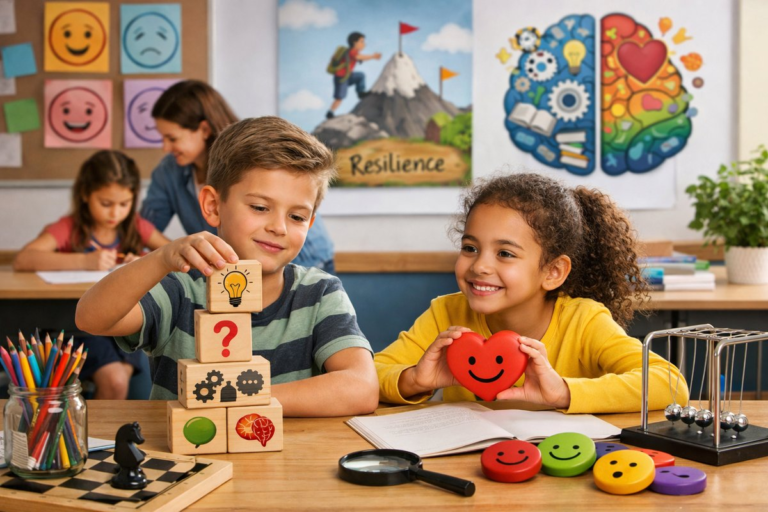
The foundation of this evolution lies in understanding the interplay between emotional development and cognitive skills. Emotional intelligence-the ability to recognize, understand, and manage one’s own feelings while empathizing with others-has been linked to improved academic performance, stronger social relationships, and better mental health. By cultivating emotional awareness early on, parents and educators empower children to navigate challenges with confidence and compassion.
Curiosity, often described as the engine of learning, fuels children’s desire to explore and make sense of the world. When curiosity is nurtured, children become active participants in their education rather than passive recipients. This shift encourages agency, allowing young minds to ask questions, experiment, and embrace uncertainty as a natural part of discovery.
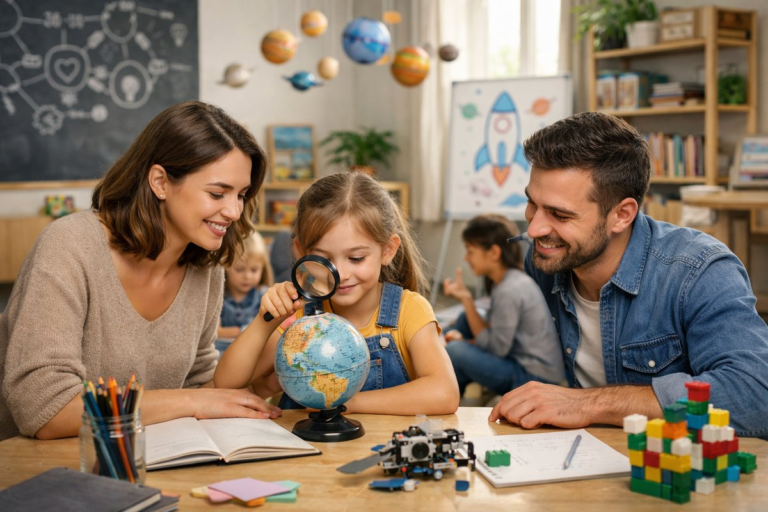
One of the most significant changes in parenting styles is the move from authoritarian or purely directive approaches to more responsive, empathetic methods. Parents today increasingly prioritize listening to their children, validating their feelings, and guiding rather than controlling. This empathetic parenting supports emotional regulation and fosters secure attachments, which are critical for healthy brain development.
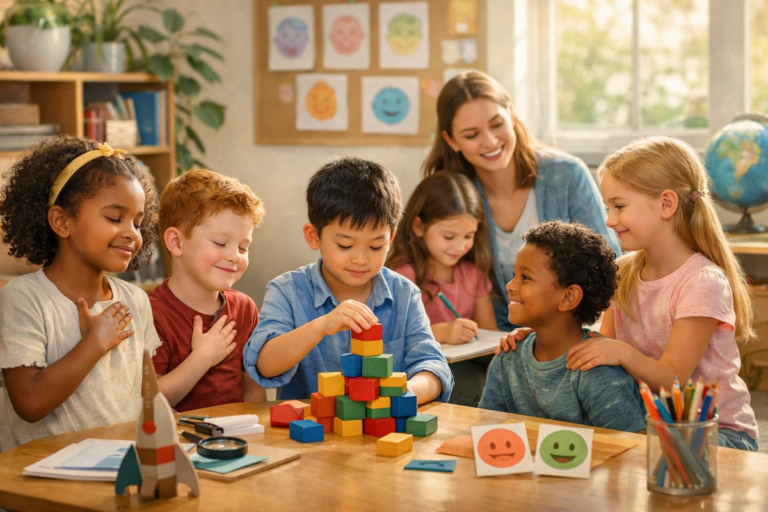
In parallel, educational environments are evolving to reflect these values. Classrooms are becoming spaces where social-emotional learning (SEL) is integrated into daily routines. Techniques such as mindfulness exercises, collaborative projects, and reflective discussions help students develop self-awareness and interpersonal skills. Teachers act as facilitators who encourage curiosity through inquiry-based learning, hands-on experiences, and interdisciplinary connections.
Technology also plays a nuanced role in this new paradigm. While excessive screen time remains a concern, thoughtfully designed educational apps and digital tools can enhance emotional and cognitive growth. Interactive storytelling platforms, emotion recognition games, and virtual collaborative spaces offer children opportunities to practice empathy and problem-solving in engaging ways.
Parents and educators face challenges balancing structure with freedom, ensuring safety while promoting exploration, and addressing diverse emotional needs. Resources such as parenting workshops, SEL curricula, and community support networks provide valuable guidance. Moreover, recognizing cultural differences in emotional expression and learning styles enriches this inclusive approach.
Ultimately, the joy of raising thinkers lies in embracing complexity and imperfection. Celebrating small victories, encouraging resilience in the face of setbacks, and fostering a growth mindset help children develop lifelong skills. This compassionate and curious framework not only prepares young people for academic success but also equips them to contribute thoughtfully to society.
By weaving emotional intelligence and curiosity into the fabric of parenting and education, families and schools are cultivating environments where children can flourish holistically. This shift honors the whole child, nurturing hearts and minds in tandem and inspiring a new generation of thoughtful, empathetic leaders.