Location
Mount Vernon, WA 98274

Location
Mount Vernon, WA 98274
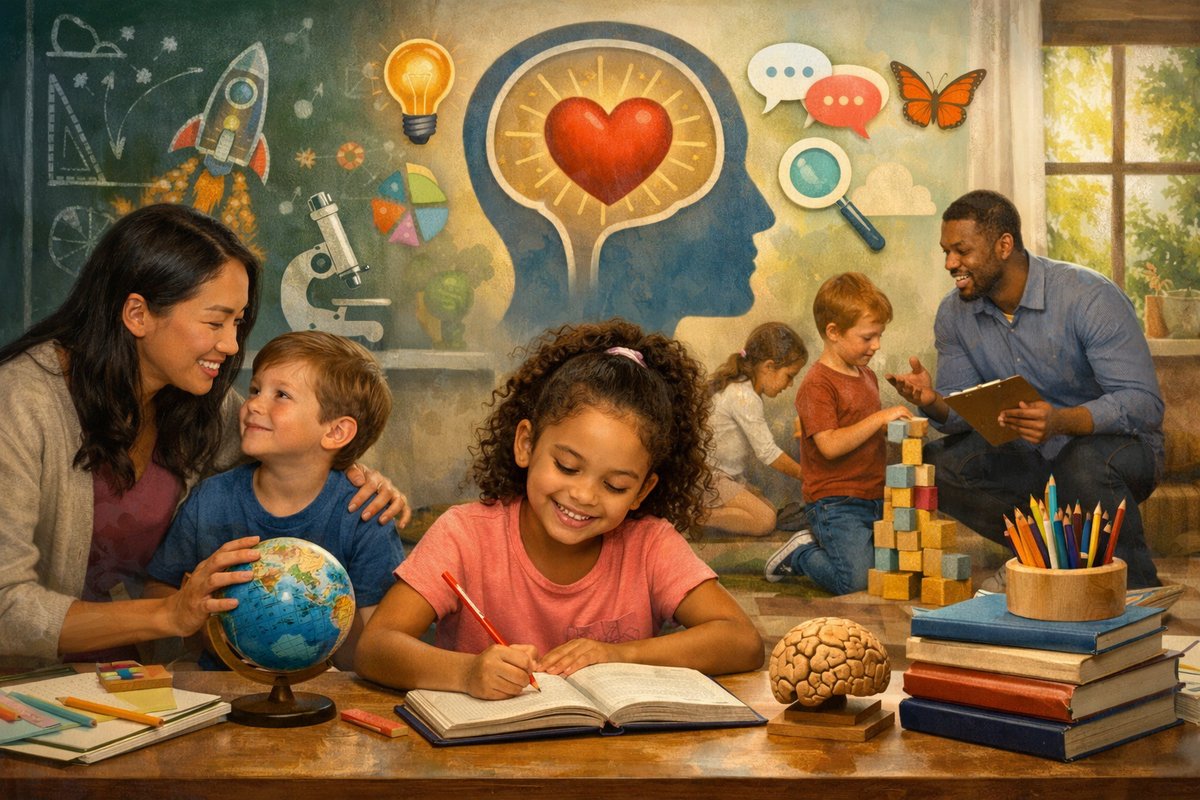
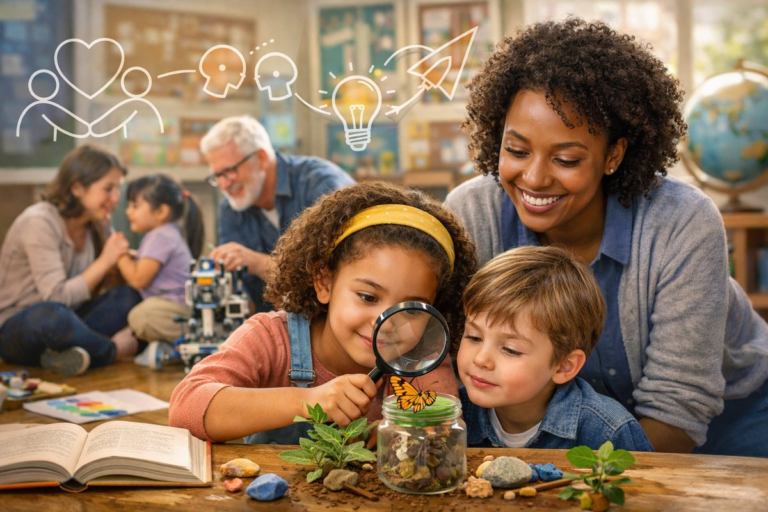
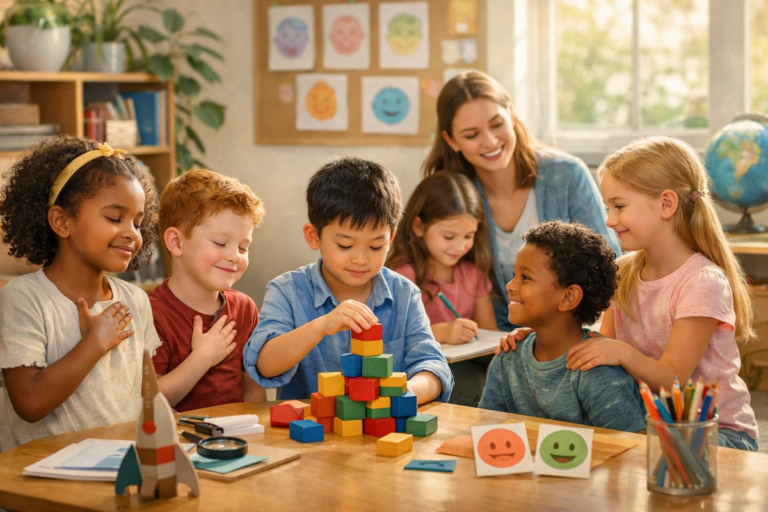
Modern parenting and education increasingly emphasize nurturing emotional intelligence alongside academic skills. This holistic approach fosters children's natural curiosity, empowering them to become resilient, empathetic thinkers ready to navigate an ever-changing world.
In recent years, there has been a noticeable shift in how parents and educators approach the development of children. No longer is the focus solely on academic achievement or rote learning; instead, a more integrated model that values emotional intelligence, curiosity, and agency is gaining momentum. This approach recognizes that children thrive when their emotional well-being is supported alongside their intellectual growth, laying a foundation for lifelong learning and adaptability.
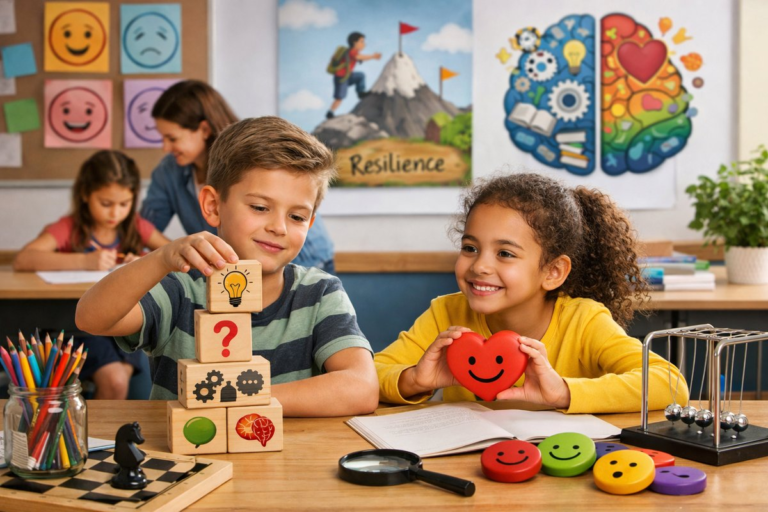
The traditional model of education, which often prioritized memorization and standardized testing, is increasingly seen as insufficient for preparing children for the complexities of modern life. Emotional intelligence-the ability to understand and manage one’s own emotions, as well as empathize with others-has emerged as a critical skill. Research shows that children who develop strong emotional intelligence tend to have better social relationships, higher academic performance, and greater mental health resilience.
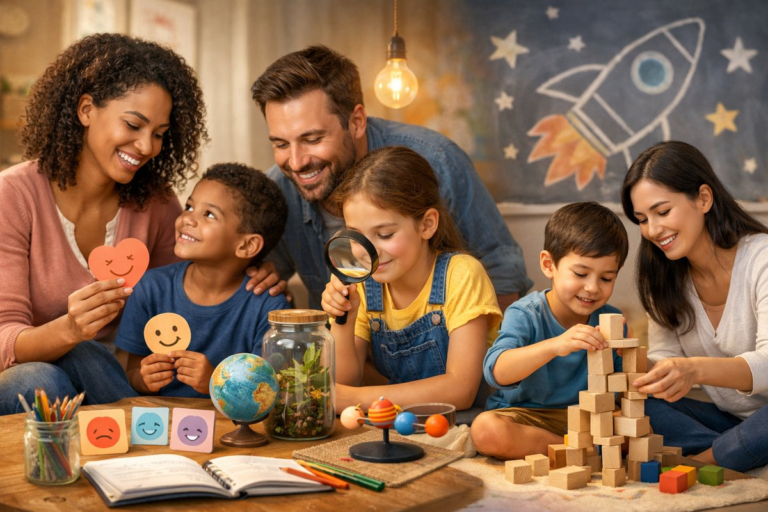
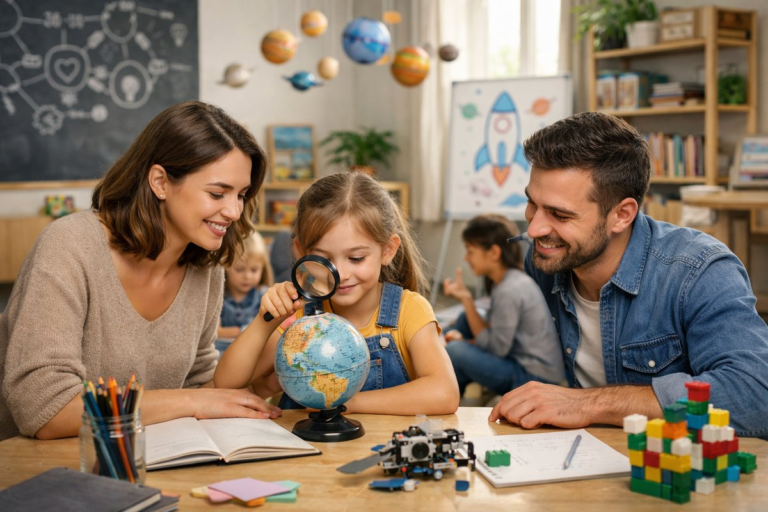
Parenting styles that encourage open communication, emotional awareness, and problem-solving contribute significantly to this development. When parents actively listen to their children’s feelings and questions, they foster a sense of safety and trust that encourages exploration. This nurturing environment allows children to approach learning not as a chore but as a joyful discovery process.
Curiosity, in particular, is a powerful driver of learning. Children naturally ask questions and seek to understand the world around them, but this innate curiosity can be stifled by rigid educational systems or overly directive parenting. Instead, supporting curiosity means creating spaces where children can explore topics of interest, experiment, and even fail safely. This kind of experiential learning builds critical thinking and creativity.
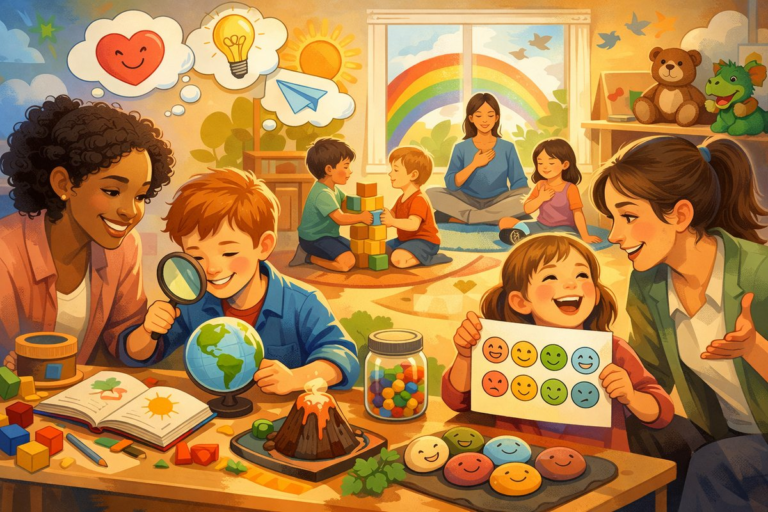
Educational environments that integrate social-emotional learning (SEL) programs exemplify this holistic approach. SEL curricula teach children skills such as emotional regulation, empathy, cooperation, and responsible decision-making. Schools adopting these frameworks report improvements not only in student behavior but also in academic outcomes, highlighting the interconnectedness of emotional and cognitive development.
Moreover, technology and educational toys have evolved to support these values. Tools designed to promote emotional recognition, mindfulness, and collaborative play are becoming staples in both homes and classrooms. These resources help children practice emotional skills in engaging ways, reinforcing lessons learned through daily interactions.
The role of parents as facilitators rather than directors of learning is also emphasized. Rather than providing all answers, parents are encouraged to guide children’s inquiry, ask open-ended questions, and model curiosity themselves. This approach respects children’s agency and encourages them to take ownership of their learning journey.
Balancing structure with freedom is key. While some routines and boundaries provide security, allowing flexibility for children to pursue their interests supports motivation and engagement. Encouraging reflection on feelings and experiences further deepens learning and self-awareness.
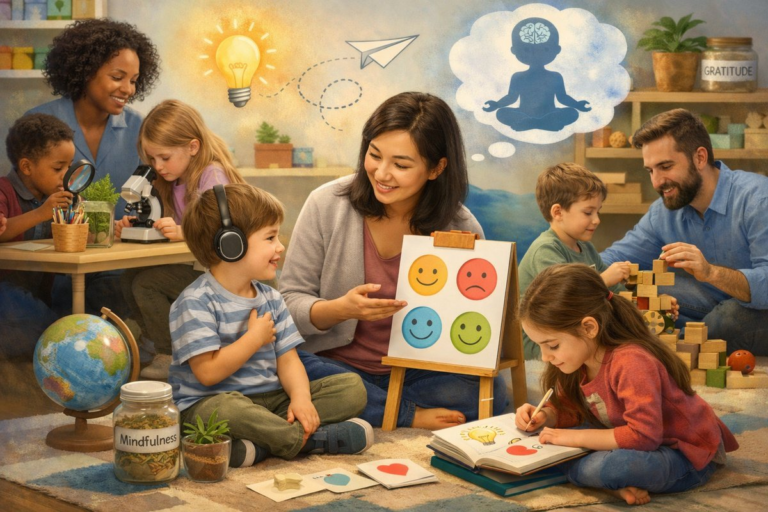
Incorporating mindfulness practices into daily routines is another strategy gaining traction. Mindfulness helps children develop attention control, reduce stress, and enhance emotional regulation. Simple activities such as breathing exercises, sensory awareness, or quiet reflection can be integrated into family life or school days.
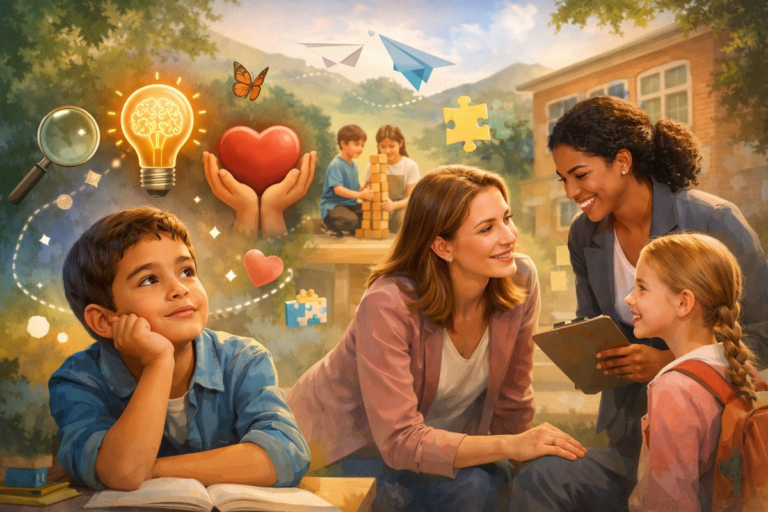
Ultimately, the evolving landscape of parenting and education underscores the importance of raising children who are not only knowledgeable but also emotionally intelligent, curious, and resilient. This holistic development equips them to face future challenges with confidence and compassion, fostering a generation of thoughtful learners and empathetic citizens.