Location
Mount Vernon, WA 98274

Location
Mount Vernon, WA 98274
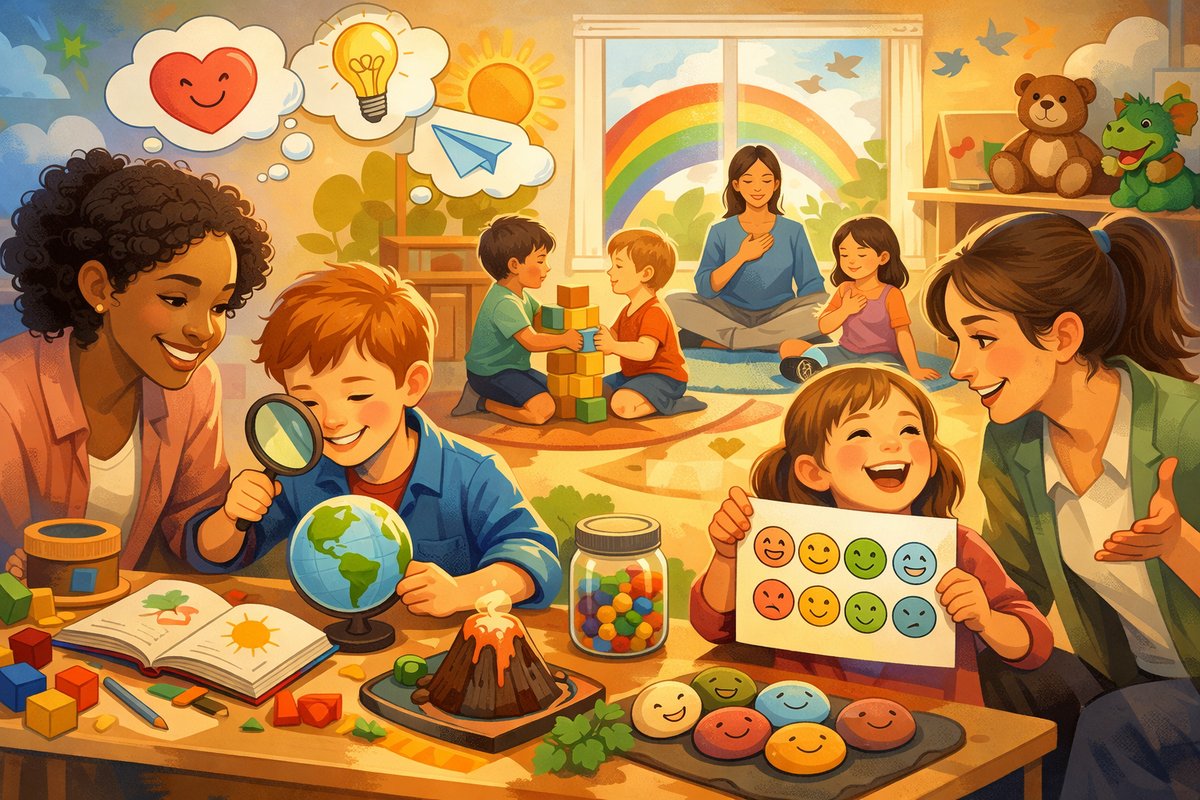
In today's evolving landscape of parenting and education, fostering emotional intelligence alongside intellectual curiosity has become a vital goal. This article explores how caregivers and educators can nurture children's agency and joy in learning by integrating emotional tools and playful discovery into daily routines.
As families and educational systems navigate the complexities of raising children in a rapidly changing world, a renewed focus on emotional growth and curiosity is reshaping approaches to parenting and teaching. Beyond traditional academic achievement, there is growing recognition that cultivating emotional intelligence-the ability to understand and manage feelings-works hand in hand with encouraging intellectual exploration and independent thinking.
Modern parents and educators increasingly view children not just as learners who absorb facts but as active agents capable of self-discovery and emotional awareness. This shift aligns with research highlighting that children who develop strong emotional skills tend to perform better academically, exhibit greater resilience, and build healthier relationships throughout life.
One foundational element in this approach is creating environments rich in opportunities for open-ended play and inquiry. Toys and materials that invite experimentation, problem-solving, and creativity empower children to ask questions and explore at their own pace. Such experiences stimulate curiosity and foster a sense of agency, encouraging children to take ownership of their learning journeys.
At the same time, integrating emotional tools-such as feeling charts, mindfulness activities, and storytelling focused on emotions-helps children identify and express their feelings constructively. These tools can be seamlessly incorporated into both home and classroom settings, supporting children’s social-emotional development in ways that complement cognitive growth.
Educators adopting this holistic framework often emphasize collaboration and reflection, encouraging children to share their thoughts and feelings in safe spaces. This nurtures empathy and communication skills, which are essential for thriving in diverse communities. Moreover, it helps children develop a growth mindset, viewing challenges as opportunities rather than obstacles.
Parents play a critical role by modeling emotional awareness and curiosity themselves. When caregivers approach parenting with patience, openness, and a willingness to explore alongside their children, they cultivate trust and reinforce the joy of learning. This partnership between adult and child strengthens the foundation for lifelong intellectual and emotional well-being.
Technology and digital tools also offer new possibilities to support this integrated approach. Apps and interactive platforms designed to promote emotional literacy and creative problem-solving can complement hands-on experiences. However, mindful use is key to ensuring these tools enhance rather than replace meaningful human interactions.
In summary, the evolving landscape of parenting and education calls for embracing both heart and mind. By fostering environments that celebrate curiosity, agency, and emotional intelligence, caregivers and educators can raise thoughtful, resilient thinkers prepared to navigate the complexities of the world with empathy and confidence. This holistic approach not only enriches children’s developmental trajectories but also contributes to more compassionate and innovative communities.