Location
Mount Vernon, WA 98274

Location
Mount Vernon, WA 98274
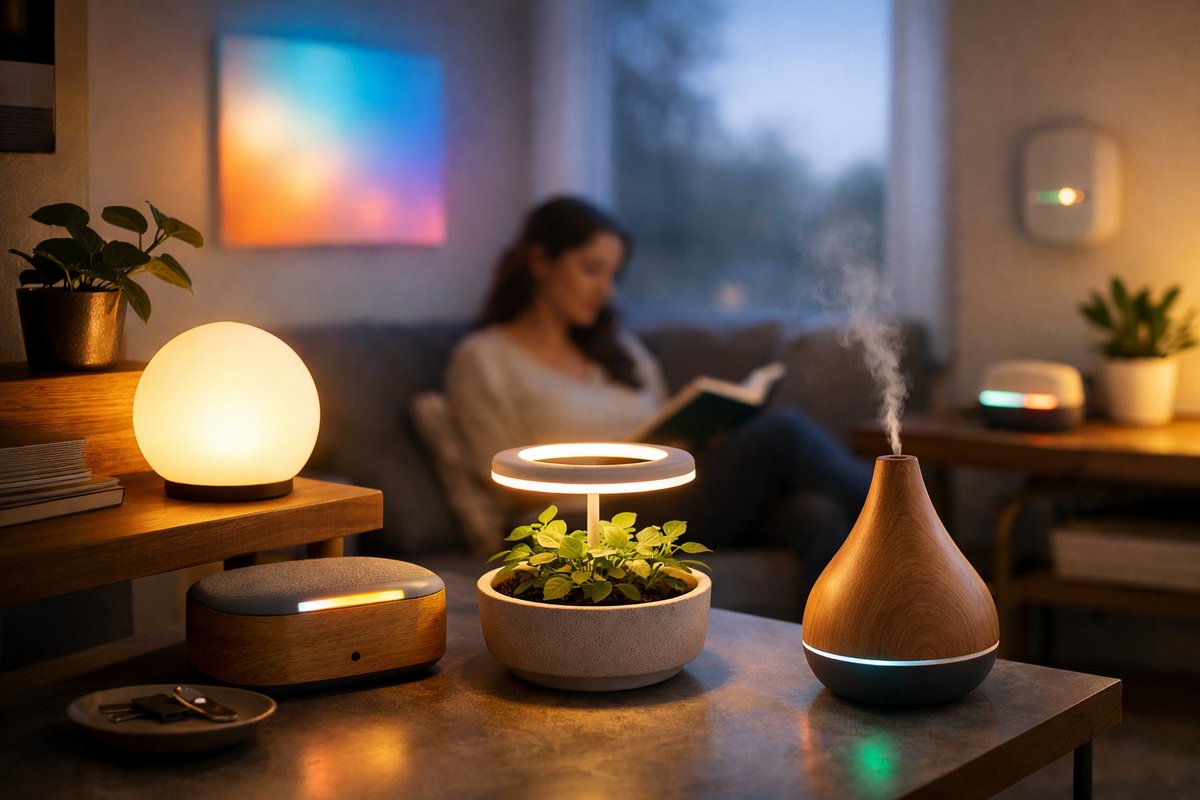
In a world saturated with screens and notifications, a new wave of ambient technology is emerging to subtly enhance daily life without demanding our constant attention. This shift towards unobtrusive, context-aware gadgets invites us to reconsider how technology can serve us quietly and intuitively, blending seamlessly into our environments.
The rapid evolution of consumer technology has long been characterized by an arms race for bigger screens, faster processors, and more dazzling features. Yet, as digital fatigue grows and attention becomes a scarce resource, a quieter revolution is underway: ambient technology designed to integrate effortlessly into our surroundings and daily routines. This approach prioritizes subtlety, emotional intelligence, and sustainability, aiming to enrich lives without overwhelming senses or compromising privacy.
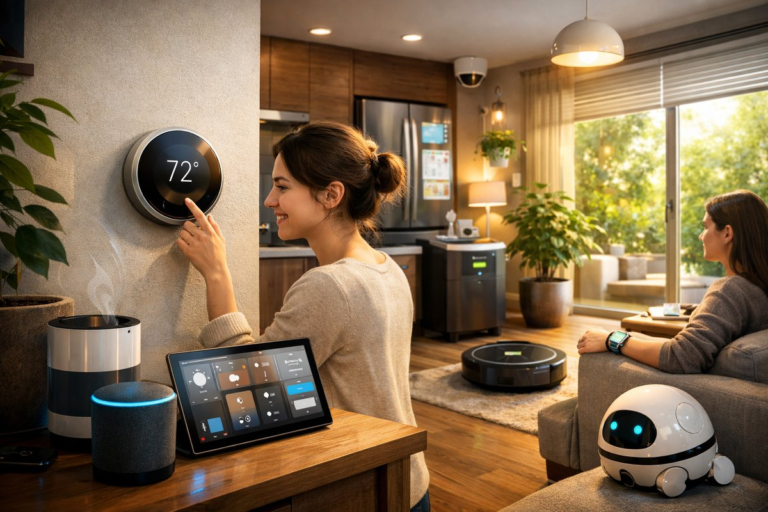
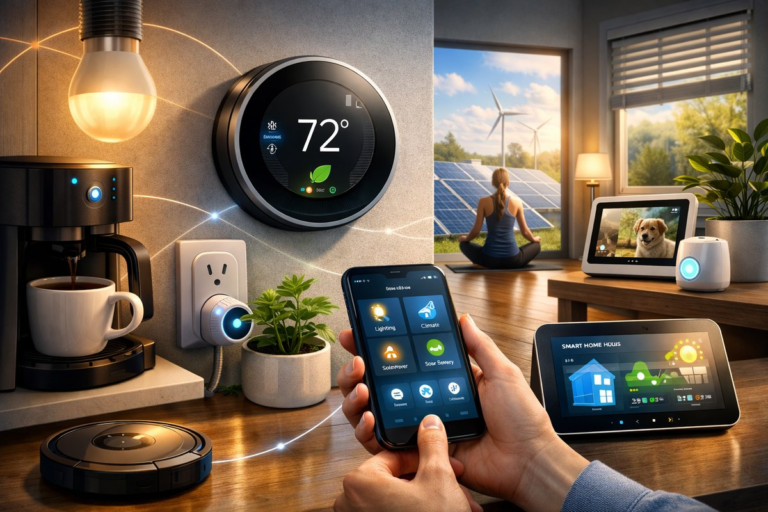
Ambient tech encompasses devices and systems that operate in the background, providing helpful information and functionality through gentle cues rather than intrusive alerts. These technologies leverage advances in sensors, artificial intelligence, and connectivity to anticipate needs and respond contextually, often without requiring direct user input. The result is a more harmonious interaction between humans and machines, one that respects our cognitive bandwidth and emotional states.
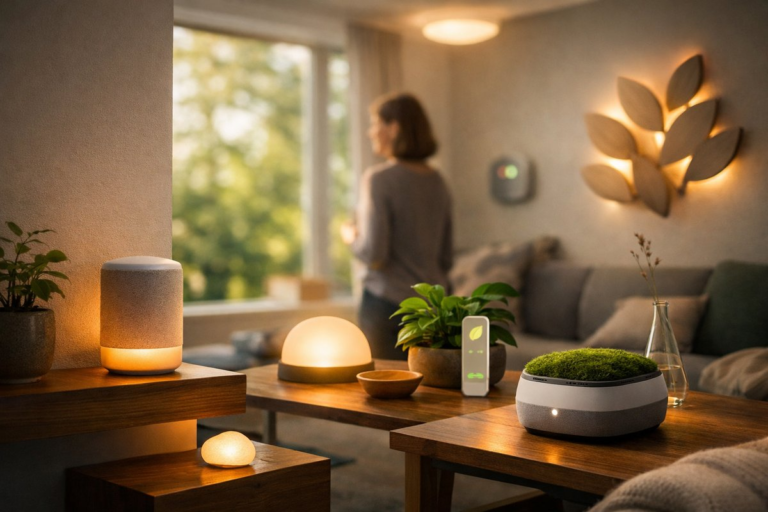
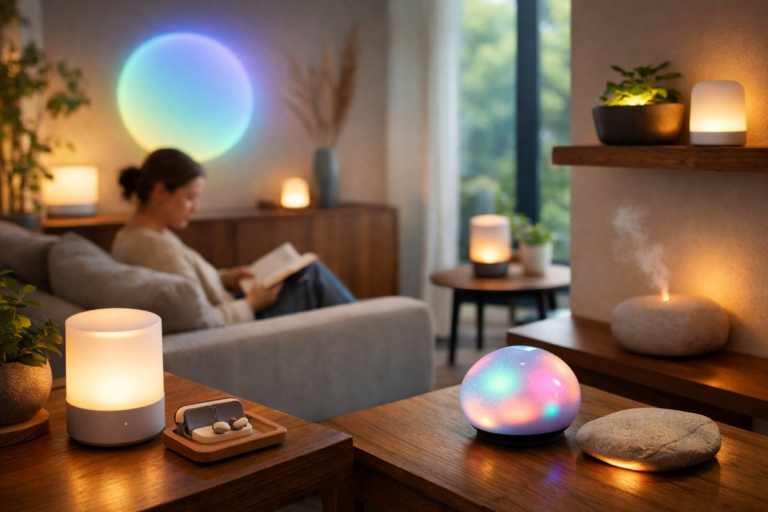
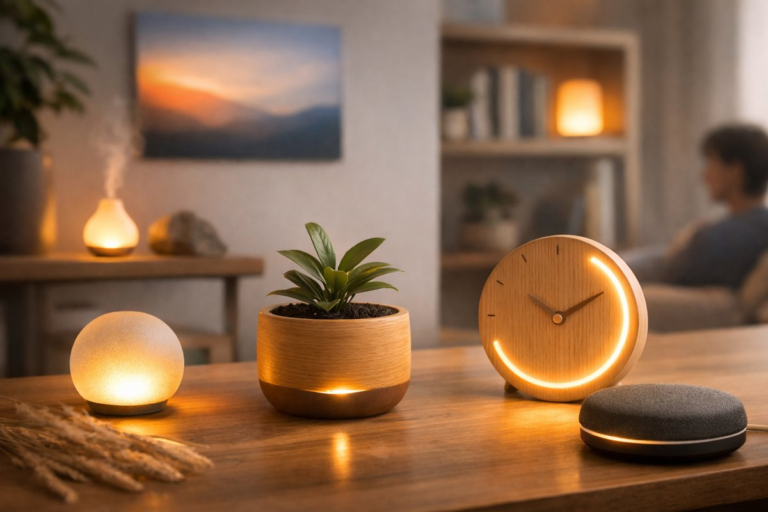
One compelling example is the rise of smart lighting systems that adjust color temperature and brightness based on time of day, weather, or user activity. Rather than simply turning lights on or off, these systems mimic natural light patterns to support circadian rhythms, enhancing mood and sleep quality. Their presence is felt rather than seen, a quiet companion to daily life. Similarly, ambient sound devices use gentle background noise or nature sounds to create calming environments, improving focus or relaxation without demanding active engagement.
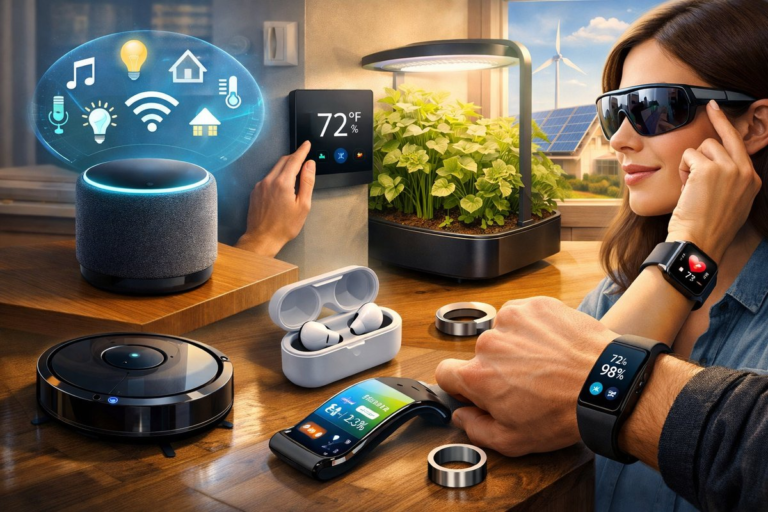
Beyond the home, ambient technology is making strides in wearable devices that monitor health metrics continuously and unobtrusively. Instead of bombarding users with data, these wearables analyze trends and provide insights through simple, glanceable indicators or gentle haptic feedback. This allows individuals to stay informed about their well-being while avoiding the anxiety that can come with constant monitoring.
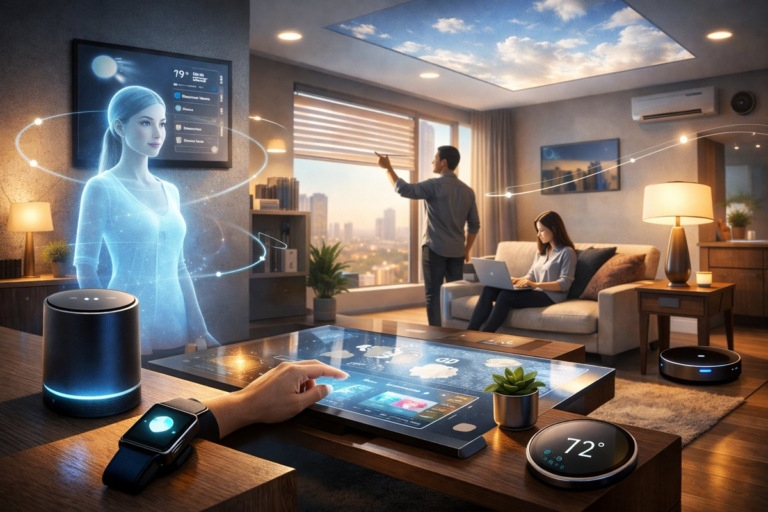
Another frontier is ambient computing interfaces embedded in everyday objects – from furniture to clothing – that respond to gestures, proximity, or environmental changes. Imagine a desk that adjusts its height and lighting as you approach or a jacket that subtly warms when temperatures drop. These interactions are designed to feel natural and intuitive, reducing friction and cognitive load.
Privacy and sustainability are foundational values in this ambient tech movement. By minimizing overt screens and notifications, these technologies reduce energy consumption and electronic waste. They also emphasize local data processing and anonymization to protect user information, fostering trust in an era of growing digital surveillance concerns.
The emotional intelligence embedded in ambient devices is another key differentiator. By sensing emotional cues such as voice tone, facial expressions, or physiological signals, these systems can adapt their responses to better support mental health and social connection. For example, a smart speaker might lower its volume and switch to soothing music if it detects stress in the user’s voice, or a lighting system might shift to warmer hues during moments of solitude.
This paradigm shift invites us to rethink how we design and interact with technology. It challenges the notion that more information and more interaction are always better, proposing instead that technology should become a silent partner that enhances well-being and productivity in subtle, respectful ways.
As ambient technology continues to mature, it holds the promise of transforming environments into responsive, empathetic spaces that support human flourishing. Whether in homes, workplaces, or public spaces, this quiet revolution is poised to redefine our relationship with the digital world, making it less intrusive and more attuned to our natural rhythms and emotional needs.
In embracing ambient tech, we step towards a future where innovation is measured not by how loudly it shouts for our attention, but by how gracefully it fits into the background of our lives-empowering us to focus on what truly matters.