Location
Mount Vernon, WA 98274

Location
Mount Vernon, WA 98274
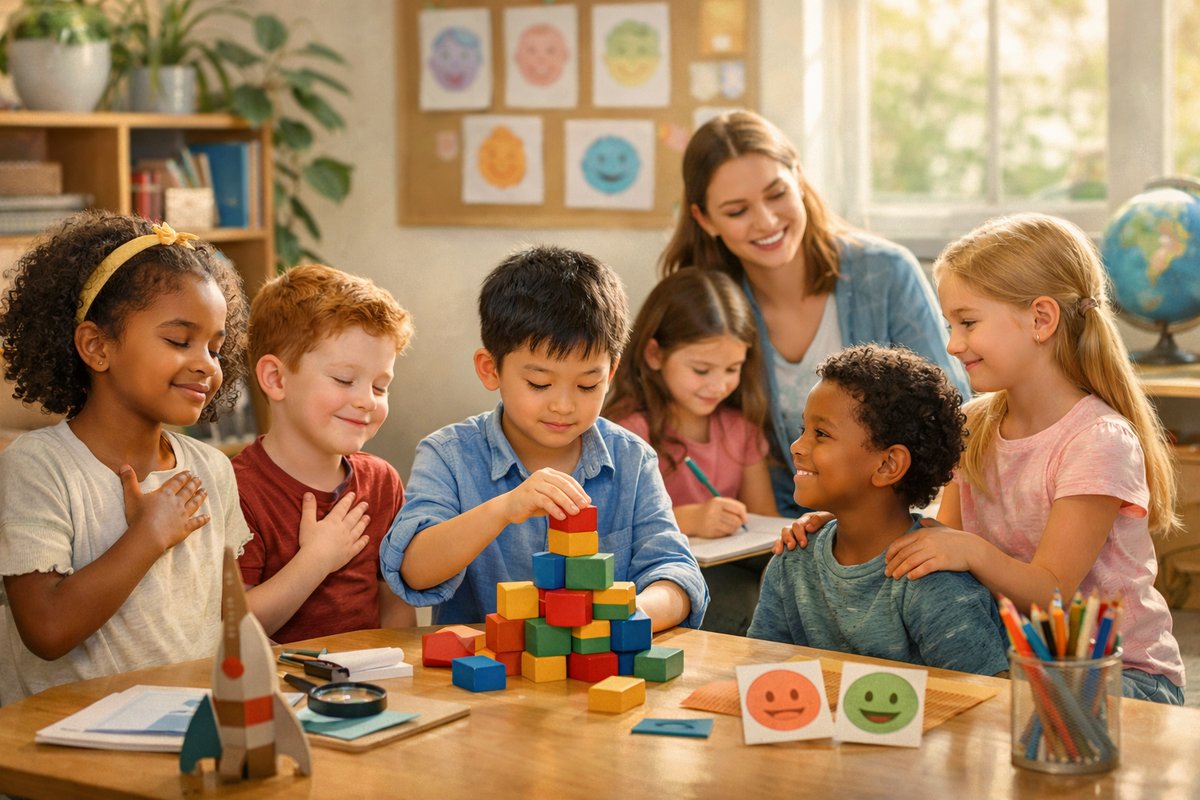
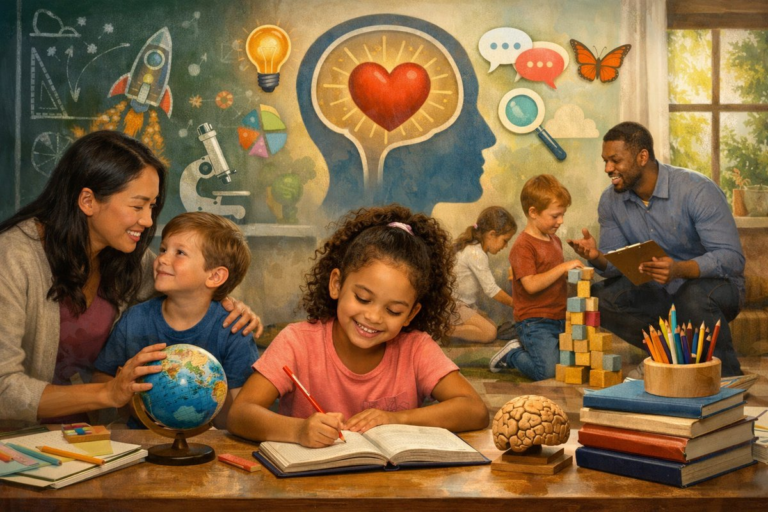
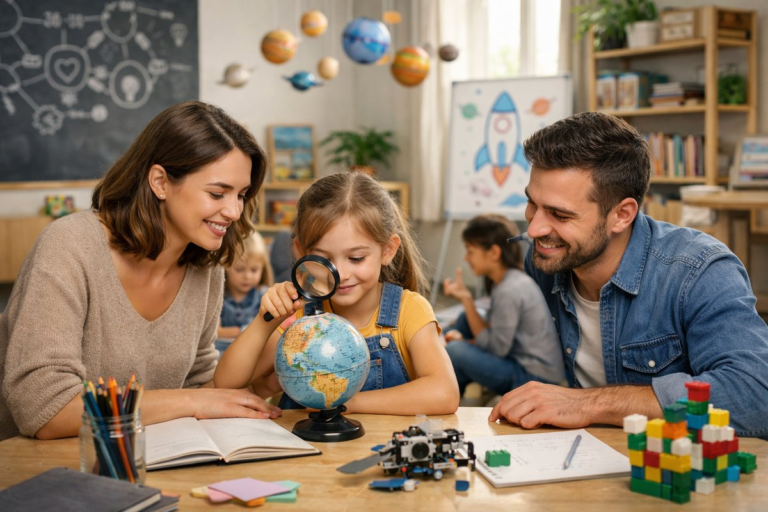
As the landscape of parenting and education evolves, a growing emphasis on nurturing emotional intelligence alongside intellectual curiosity is reshaping how children learn and grow. This approach encourages children to develop agency, resilience, and empathy, creating a foundation for lifelong learning and well-being.
In recent years, the conversation around parenting and education has undergone a significant transformation. No longer focused solely on academic achievement or rote learning, there is a broader recognition of the importance of emotional intelligence, curiosity, and agency in a child’s development. This shift reflects a growing understanding that education is not just about imparting knowledge but also about fostering the whole child-emotionally, socially, and intellectually.
Traditional educational models have often emphasized standardized testing and memorization, sometimes at the expense of creativity and emotional growth. However, educators and parents alike are increasingly aware that children thrive when they are encouraged to explore their interests, express their feelings, and develop critical thinking skills in a supportive environment. This holistic approach aligns with research indicating that emotional intelligence-the ability to recognize, understand, and manage one’s own emotions and those of others-is a powerful predictor of success and happiness.
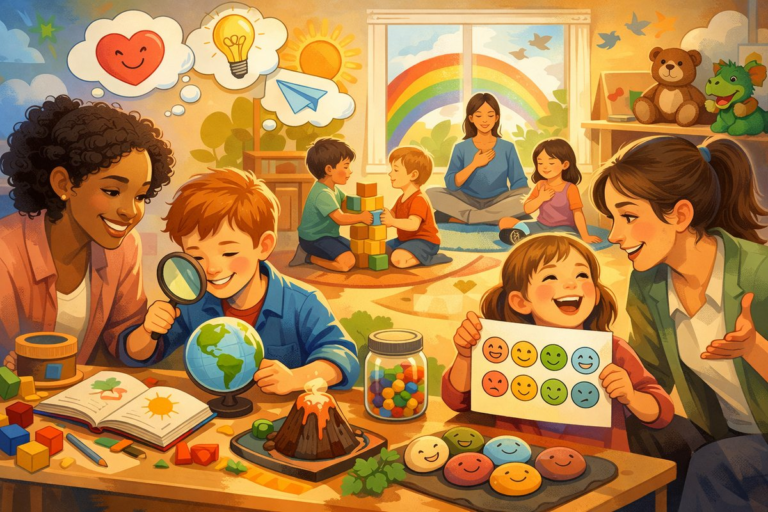
One of the key elements of this evolving approach is nurturing curiosity. Curiosity drives children to ask questions, seek out new experiences, and engage deeply with the world around them. When parents and educators create spaces where curiosity is welcomed and encouraged, children learn to become active participants in their own learning journeys rather than passive recipients of information. This can be as simple as providing open-ended toys, encouraging exploration in nature, or engaging in thoughtful conversations that invite children to reflect and wonder.
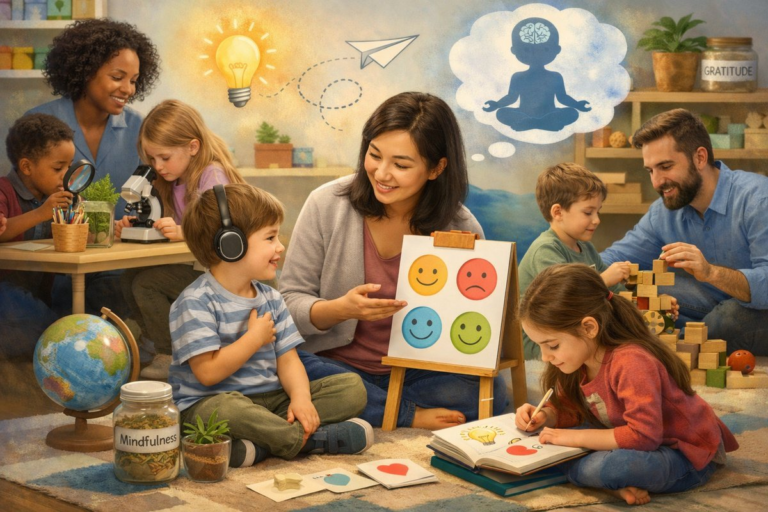
At the same time, emotional tools are becoming essential components in both parenting and education. Teaching children to identify their emotions, practice empathy, and develop coping strategies helps them navigate challenges and build resilience. Emotional literacy can be cultivated through storytelling, role-playing, mindfulness exercises, and even through technology designed with emotional development in mind.
The role of parents in this landscape is both profound and multifaceted. Rather than dictating every step, parents act as guides and collaborators, respecting children’s agency and supporting their intrinsic motivation. This means listening actively, validating feelings, and providing opportunities for children to make choices and learn from natural consequences. Such an approach fosters a sense of autonomy and confidence that is crucial for lifelong learning.
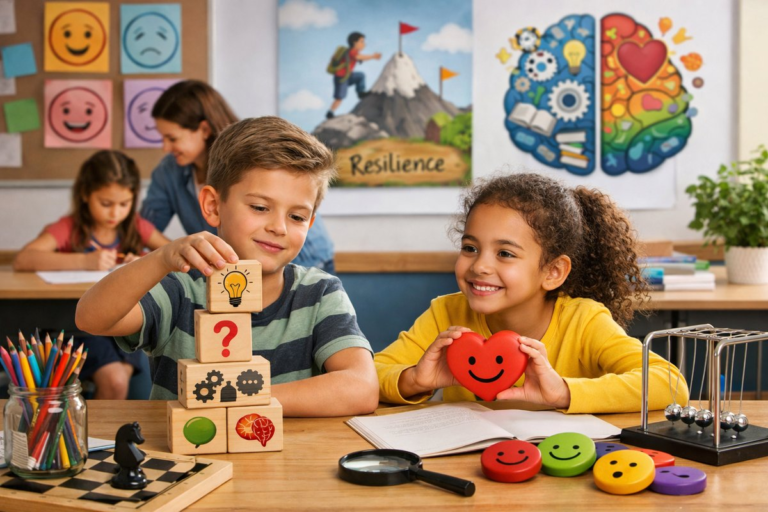
Educational settings are also adapting to these principles. Many schools are integrating social-emotional learning (SEL) curricula, which teach skills such as self-awareness, self-management, social awareness, relationship building, and responsible decision-making. These programs have shown promising results in improving academic outcomes, reducing behavioral issues, and enhancing students’ emotional well-being.
Technology, too, plays a nuanced role. While screen time often raises concerns, thoughtfully designed educational apps and tools can support curiosity and emotional learning when used mindfully. Interactive storytelling apps, emotion recognition games, and virtual environments that encourage problem-solving can complement real-world experiences and provide personalized learning pathways.
This shift toward a more compassionate and curiosity-driven model of parenting and education also emphasizes sustainability and ethical awareness. Children who are encouraged to think critically about their impact on the environment and society develop a deeper sense of responsibility and empathy. Integrating lessons about nature, community, and global citizenship helps children connect their learning to real-world issues and inspires proactive engagement.
Challenges remain, of course. Balancing the demands of modern life, navigating diverse educational philosophies, and ensuring equitable access to resources are ongoing concerns for families and educators. However, the momentum behind this holistic approach continues to grow, fueled by a collective desire to raise not only knowledgeable but also emotionally intelligent and curious thinkers.
Ultimately, the evolving landscape of parenting and education invites us to reconsider what it means to nurture a child. By valuing emotional intelligence alongside intellectual curiosity, and by fostering environments where children’s agency and joy are central, we create the conditions for healthier, more resilient, and more engaged individuals. This approach not only enriches childhood but also lays the groundwork for a more empathetic and innovative society.