Location
Mount Vernon, WA 98274

Location
Mount Vernon, WA 98274
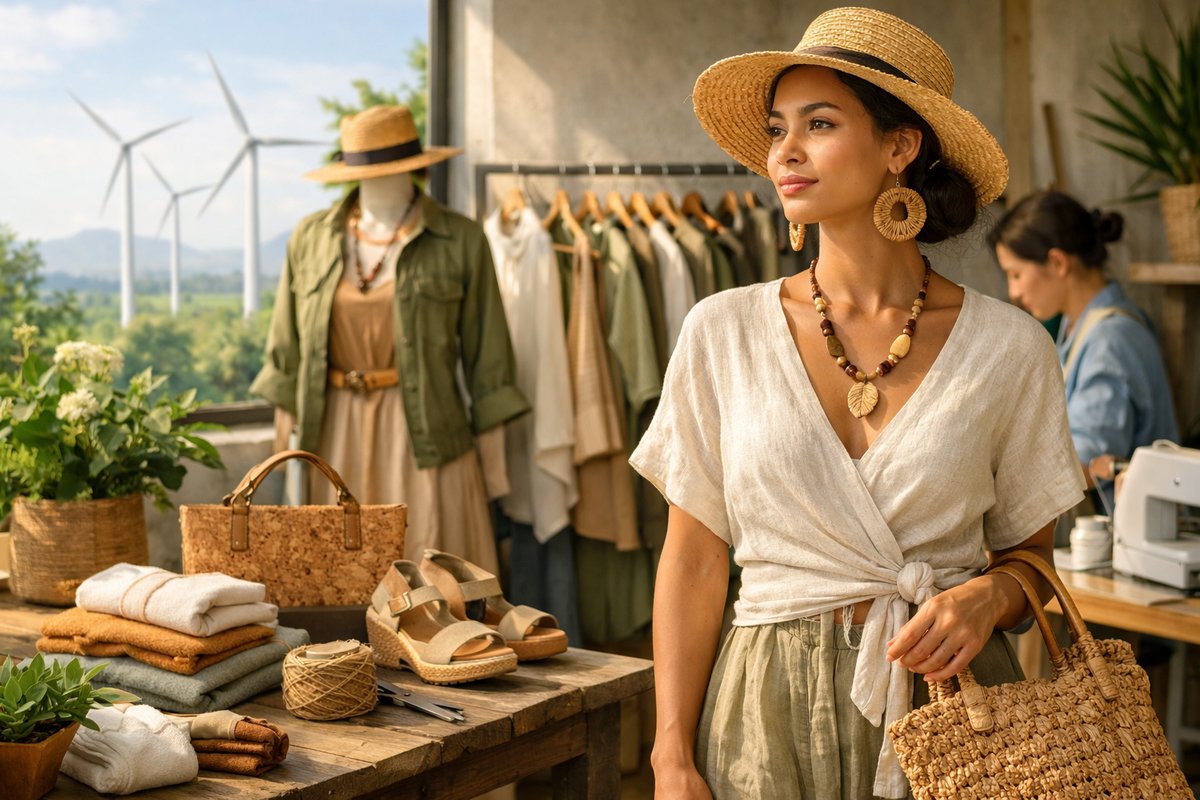
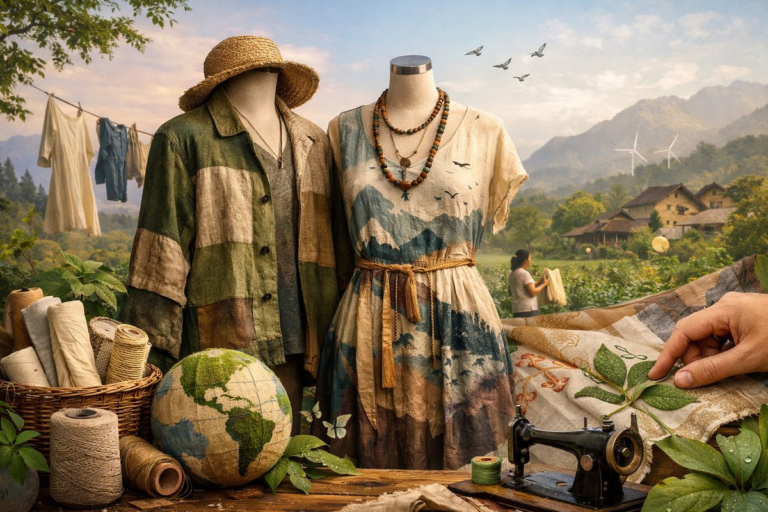
Fashion is undergoing a profound transformation as designers and consumers alike embrace ethical practices that marry style with sustainability. This movement transcends trends, inviting individuals to express their values through carefully crafted apparel and accessories that honor the planet and its people.
In recent years, the fashion industry has faced increasing scrutiny for its environmental impact and labor practices, prompting a shift towards more responsible and mindful approaches to clothing and accessories. This new era of fashion is defined not only by aesthetics but by the stories woven into every fiber and the intentional choices behind each piece.
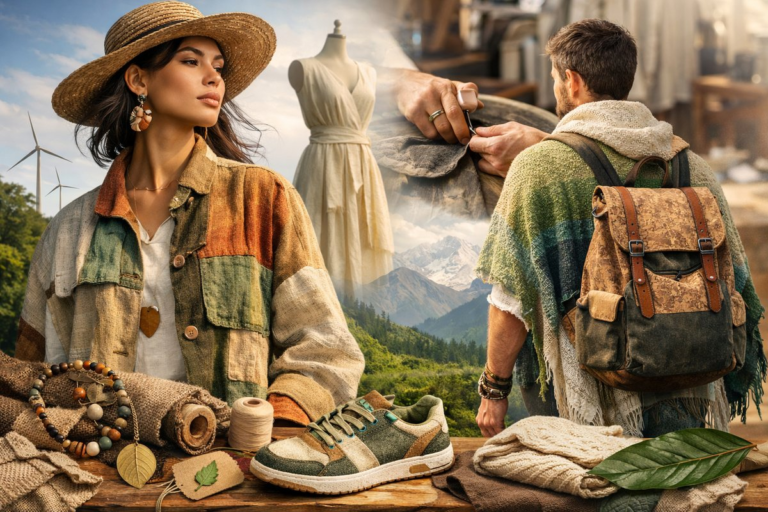
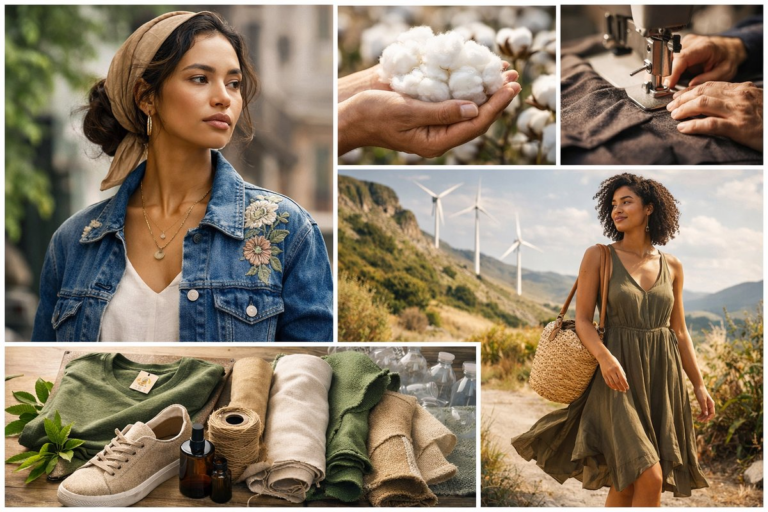
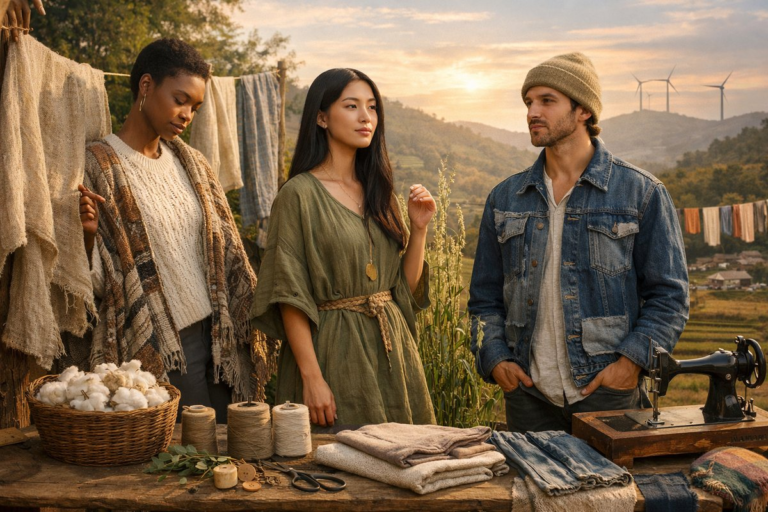
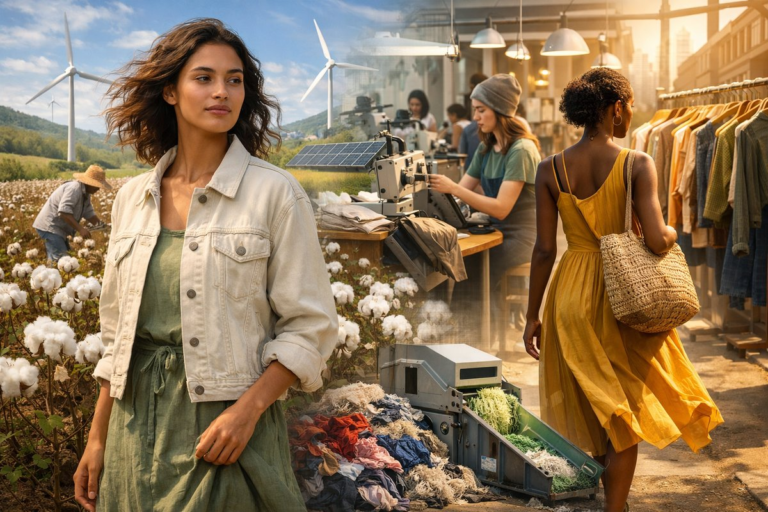
At the heart of this transformation is the growing demand for materials and production methods that reduce waste, lower carbon footprints, and support fair labor. Natural fibers such as organic cotton, hemp, and bamboo are gaining popularity due to their renewable qualities and minimal need for pesticides and water compared to conventional crops. Additionally, innovations in recycled fabrics, including regenerated nylon and polyester made from ocean plastics, are enabling designers to repurpose existing materials into high-quality garments without compromising style.
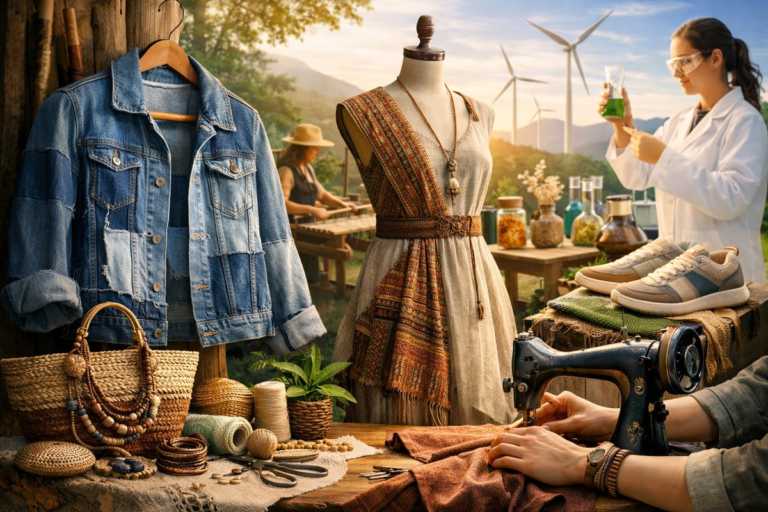
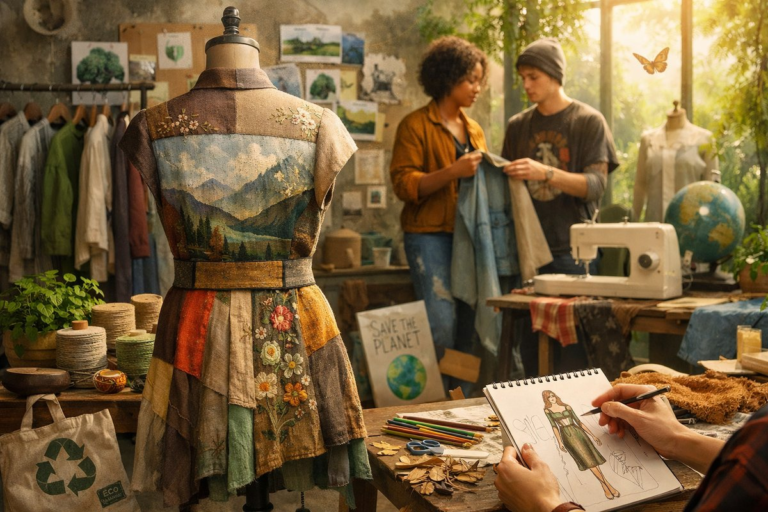
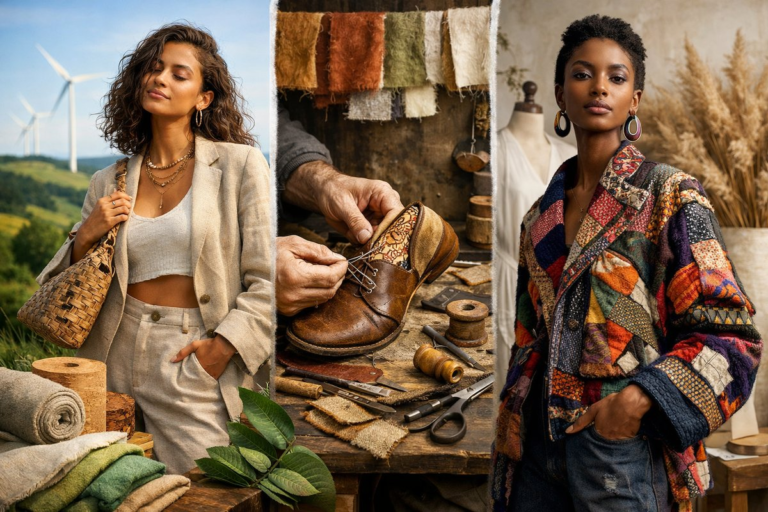
Artisanal craftsmanship is also experiencing a renaissance as consumers seek unique, handmade pieces that celebrate cultural heritage and slow fashion principles. By supporting small-scale artisans and upcycling vintage textiles, the fashion community fosters economic empowerment while preserving traditional skills. This approach not only reduces the demand for mass-produced fast fashion but also creates meaningful connections between creators and wearers.
Accessories have become a powerful vehicle for storytelling and self-expression within this conscious framework. Bold jewelry crafted from sustainable metals and ethically sourced stones, handbags made from vegetable-tanned leather or plant-based alternatives, and scarves dyed with natural pigments all serve as tactile narratives of environmental stewardship and social responsibility.
The digital age amplifies this movement by allowing brands to share transparent information about their supply chains and production processes. Consumers can now trace the journey of their garments from seed to stitch, fostering trust and encouraging more thoughtful purchasing decisions. Social media platforms further empower individuals to showcase their sustainable wardrobes, inspiring communities to embrace values-driven style.
Challenges remain, particularly in balancing affordability with ethical production, but the collective momentum is undeniable. Many emerging designers prioritize circularity by designing for durability, repairability, and end-of-life recyclability, shifting the paradigm from disposable fashion to lasting value.
This evolution invites us to reconsider our relationship with clothing-not merely as commodities but as extensions of our identity and convictions. Wearing our values through conscious fashion enables us to participate in a broader cultural dialogue about sustainability, equity, and creativity.
As this movement grows, it cultivates a fashion ecosystem where beauty and ethics coexist harmoniously, proving that style need not come at the expense of the planet or its people. The garments we choose today are more than fabric; they are statements of purpose, craftsmanship, and hope for a more mindful tomorrow.