Location
Mount Vernon, WA 98274

Location
Mount Vernon, WA 98274
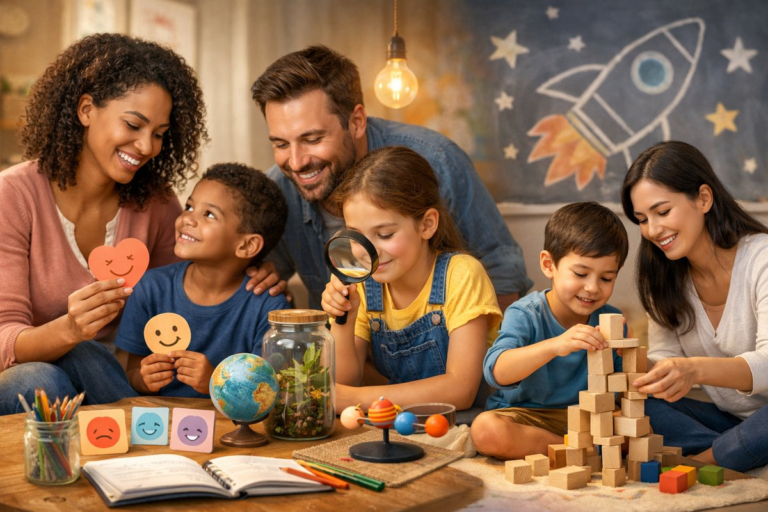
Modern parenting and education are increasingly intertwined with fostering emotional intelligence and curiosity in children. This evolving approach prioritizes nurturing thoughtful, resilient learners who engage with the world through empathy and inquiry.
In recent years, the landscape of parenting and education has undergone a significant transformation. No longer confined to the traditional models of rote learning and discipline, contemporary approaches emphasize the holistic development of children, integrating emotional intelligence with intellectual curiosity. This shift reflects a growing awareness that raising thoughtful, empathetic, and resilient individuals requires more than academic instruction-it demands nurturing the whole child.
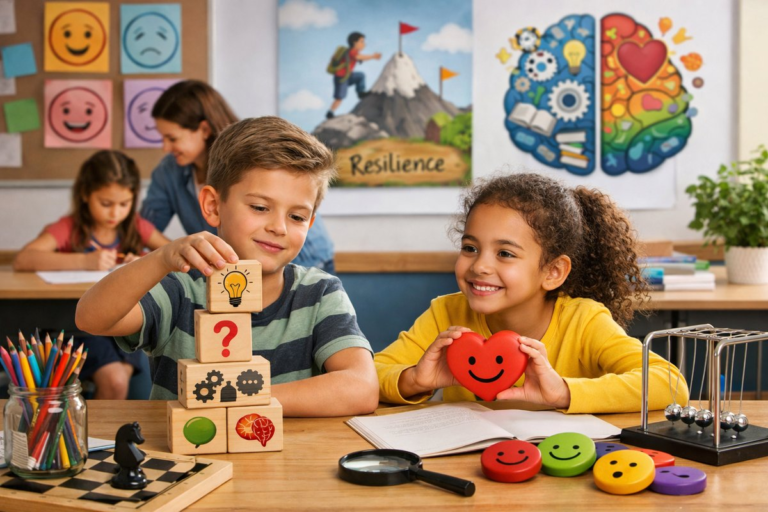
At the heart of this evolving paradigm is the recognition that emotional intelligence-the ability to understand and manage one’s emotions and empathize with others-is foundational to lifelong learning and social success. Parents and educators alike are embracing strategies that support children in identifying their feelings, practicing self-regulation, and developing compassion. These skills are not only crucial for interpersonal relationships but also enhance cognitive processes such as problem-solving and creative thinking.
Curiosity, too, is being celebrated as a vital driver of learning. Encouraging children to ask questions, explore new ideas, and experiment without fear of failure fosters a mindset of growth and adaptability. This approach contrasts with the more rigid, test-focused methods of the past, which often stifled creativity and intrinsic motivation. Instead, learning environments are becoming more flexible and responsive, allowing children to pursue their interests and learn through hands-on experiences.
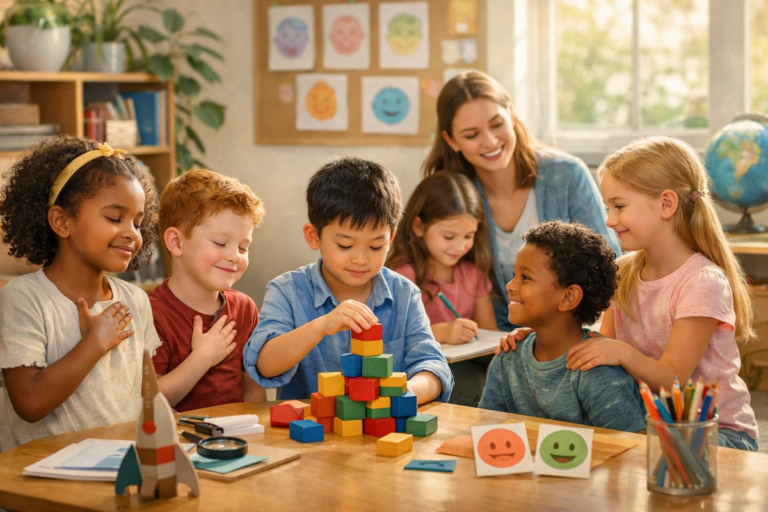
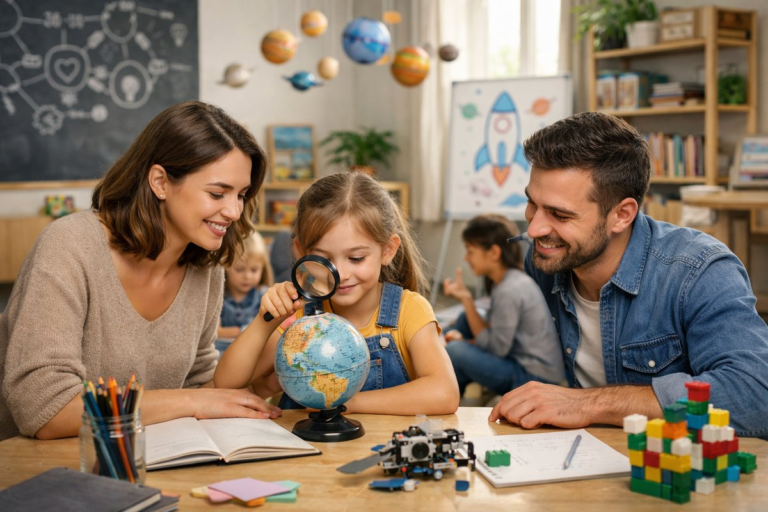
Integrating emotional intelligence and curiosity in parenting and education requires intentionality and resources. Parents are increasingly turning to tools and materials that support these goals, such as interactive learning toys that encourage exploration and social-emotional games designed to build empathy and communication skills. Likewise, educational programs and curricula are evolving to include mindfulness practices, cooperative learning activities, and opportunities for reflective dialogue.
One of the challenges in this shift is balancing the desire to nurture agency and independence with the need for guidance and boundaries. Effective parenting in this context involves creating safe spaces where children feel heard and supported while also helping them develop resilience and responsibility. Educators play a complementary role by fostering classroom cultures that value diversity of thought and emotional expression.
Technology also plays a nuanced role. While digital devices can offer access to vast information and interactive educational content, mindful use is critical to prevent overstimulation and ensure meaningful engagement. Parents and educators are exploring ways to integrate technology that enhances curiosity and emotional learning without replacing face-to-face interactions and real-world experiences.
The benefits of this integrated approach are becoming evident. Children raised in environments that prioritize emotional intelligence alongside intellectual growth tend to demonstrate better social skills, higher academic achievement, and greater well-being. They are more likely to approach challenges with confidence and creativity, equipped to navigate an increasingly complex and interconnected world.
Looking ahead, the movement towards nurturing curiosity and emotional intelligence in parenting and education invites ongoing reflection and adaptation. It challenges adults to model empathy, curiosity, and resilience themselves, recognizing that these qualities flourish in relationships and communities. By embracing this holistic vision, families and schools can contribute to raising not only knowledgeable learners but also compassionate, engaged citizens.