Location
Mount Vernon, WA 98274

Location
Mount Vernon, WA 98274
Art Basel Miami Beach's latest edition spotlights a shift toward eco-conscious materials and generative technologies. From recycled-plastic sculptures to interactive AI-driven light works, the fair illuminates how artists and designers are redefining creative practice under environmental and technological pressures.
When the doors of Art Basel Miami Beach opened last month, visitors encountered a striking departure from last year’s neon-saturated pavilion. Across the sprawling fairgrounds, installations crafted from recycled plastics and biodegradable resins shared space with generative light sculptures powered by machine learning. This confluence of sustainability and artificial intelligence-once niche interests in separate camps-now forms the beating heart of one of the world’s most influential art fairs.
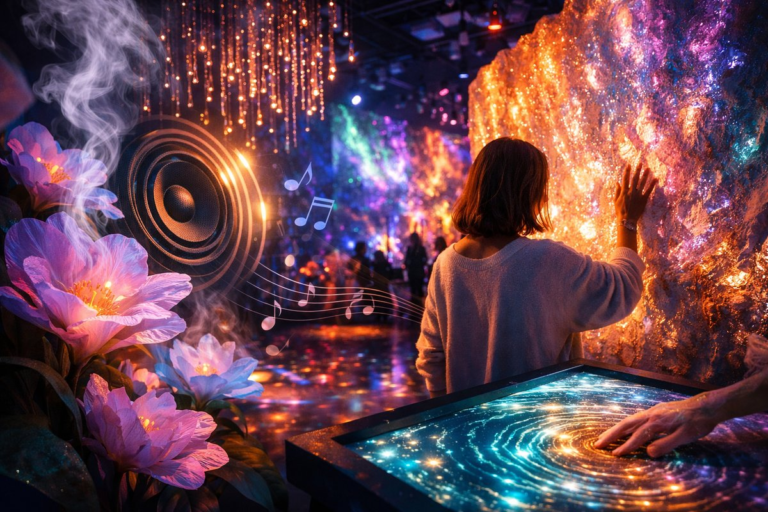
On the fair’s central axis, a towering sculpture assembled from repurposed plastic water bottles reimagined waste as raw beauty. The sculpture’s translucent, multicolored panels glowed under programmable LED fixtures, casting dappled light across the hall. Nearby, a series of AI-driven video loops filled an entire gallery with shifting geometric patterns that responded in real time to ambient sound and visitor movement.
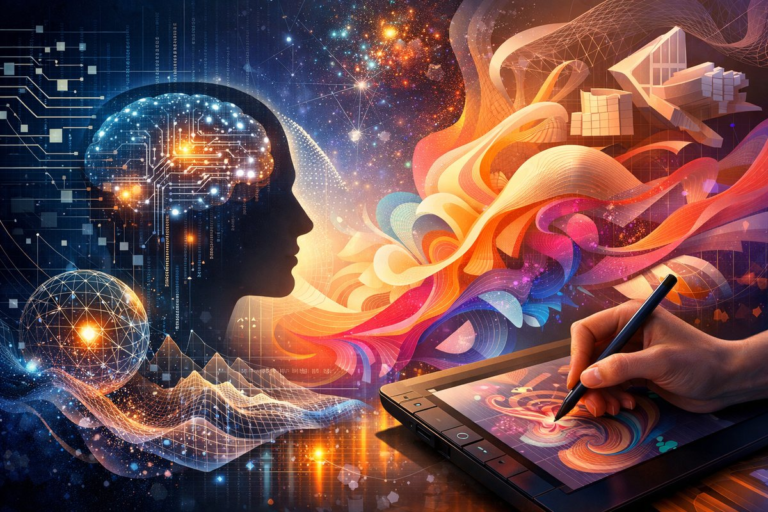
These dual threads-upcycled materials and algorithmic design-offer a snapshot of emerging priorities in the global art community. Climate crises and resource scarcity have driven artists to interrogate their material footprint, while breakthroughs in generative models have empowered creators to explore new formal languages.
A recycled-resin installation, for instance, incorporated ground-up shards from consumer electronics and food packaging. Suspended from the ceiling by thin steel cables, the biomorphic forms seemed to float, their speckled surfaces resembling cosmic nebulae. According to fair statistics, installations emphasizing environmental themes accounted for nearly 30 percent of the total presentation space, up from 12 percent just two years ago.
Across the corridor, a series of eight kinetic sculptures demonstrated another slice of the fair’s dual focus. Each piece housed a small neural network trained on the daily movement data of the surrounding Miami Beach neighborhood. As ambient temperature, pedestrian flow, and even weekly weather forecasts shifted, the works rotated on silent motors, their gently turning arms tracing unpredictable trajectories. The result felt more alive than static–a testament to the expanding role of machine learning in sculptural practice.
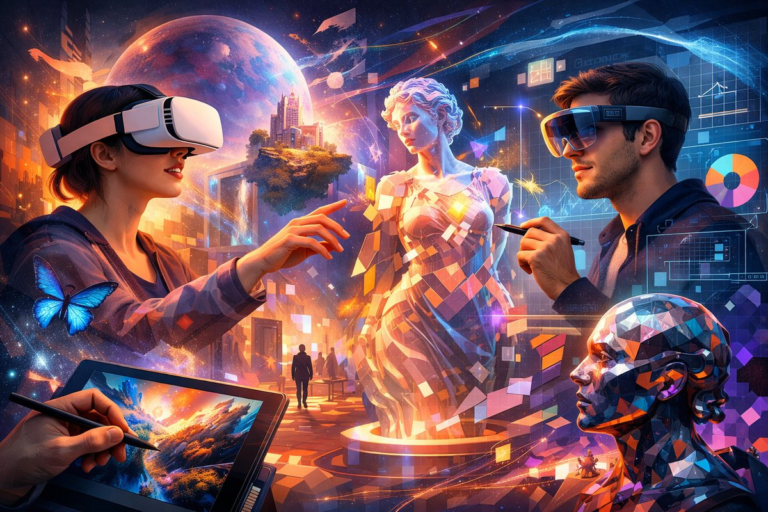
Other booths embraced more modest DIY approaches. One collective showed a wall-mounted mosaic composed entirely of dehydrated coffee grounds bound in natural latex. Swirls of deep brown and coffee-cream hues evoked images of forest floors and natural topographies. Nearby, a Berlin-based duo exhibited a VR headset experience that dropped viewers into an augmented digital forest built from 3D scans of fallen wood and local flora. The headset tracked viewers’ hand gestures, allowing them to “plant” virtual seedlings that reacted with subtle particle simulations.
Beyond the exhibition halls, Art Basel’s Design Miami satellite fair further explored ecology in design. A pavilion dedicated to sustainable textiles featured fabrics dyed with vegetable waste and coffee byproducts. Upholstered chairs displayed fiber-blend weaves spun from recycled fishing nets. At one corner, a low table carved from reclaimed mahogany planks demonstrated how traditional woodworking techniques could marry upcycling with fine craftsmanship.
The fair’s programming also emphasized public dialogue around ethics and impact. A panel convened educators, material scientists, and curators to discuss how design schools can integrate both circular-economy principles and coding basics into their curricula. Another workshop invited local community members to remix bioplastic sheets on-site, experimenting with temperature-controlled molds to create functional dinnerware. The resulting plates and bowls, emblazoned with marbled patterns, were later donated to neighborhood shelters.
Amid these eco-driven efforts, some voices raised questions about tech hype overtaking material inquiry. A lunchtime discussion asked whether AI-generated work risks flattening artistic intent into patterns driven by probability alone. Could a neural network trained on millions of images produce truly original content, or will it simply remix entrenched visual tropes? The conversation highlighted an essential tension: artists and designers must balance fascination with new tools against a critical interrogation of their cultural and environmental costs.
The fair’s broad roster of exhibitors underscored this balance. One section dedicated to emerging practitioners featured sculptors who had never coded but found ways to collaborate with technologists. A duo from São Paulo paired hand-woven baskets made of native grass with small circuit boards that monitored humidity, triggering hidden hydraulic lifts to shift the baskets’ shapes as moisture levels changed. The effect was subtle, almost poetic, reminding viewers that technology can amplify, rather than overshadow, tactile craft.
In one of the most talked-about booths, a series of large-format prints traced the data footprints of everyday online searches. Rendered in pastel inks on heavyweight recycled paper, the charts looked like abstract landscapes, their peaks and valleys recording search volumes for terms like “forest bathing,” “upcycled furniture,” and “generative art.” This data-driven art simultaneously documented and aestheticized the public’s burgeoning interests, reminding attendees that consumer demand itself shapes creative production.
As Art Basel Miami Beach drew to a close, fair organizers reported attendance that matched pre-pandemic highs, with over 73,000 visitors across five days. Surveys indicated a growing interest in workshops and artist-led talks, suggesting that audiences yearn not just for spectacle but for participatory experiences that reveal process and premise. For many, the fair’s emphasis on ecological materials and generative methods offered hope that art and design can model new paradigms of sustainable innovation.
Feedback from collectors and institutions echoed this shift. Several major museums announced acquisitions of works from eco-focused artists, and a handful of galleries revealed plans to host material-research residencies. Tech companies also took note: proposals to partner with local makerspaces on open-source material databases demonstrated how collaborations could bridge digital and physical realms.
Looking ahead, the ripples from Miami Beach will likely influence other biennials and fairs. Artists who once hesitated to experiment with AI are now seeking partnerships with data scientists. Designers committed to slow fashion are exploring bioplastic innovations. Meanwhile, curators are rethinking the logistics of shipping heavy sculpture across oceans, investigating decentralized fabrication models that allow works to be produced closer to exhibition sites.
Art Basel’s latest edition thus stands as more than a showcase of individual works. It represents a crossroads where environmental urgency intersects with technological curiosity. By integrating recycled plastics, biodegradable resins, neural networks, and augmented realities, artists and designers are charting paths toward futures that demand both imagination and responsibility.
In the weeks since the fair, several of the highlighted installations have embarked on traveling tours, from urban galleries in São Paulo to ecological art parks in northern Europe. Each new presentation will adapt to local materials, climates, and cultural contexts-reinforcing the idea that art and design can be at once global in vision and grounded in place-based realities.
Ultimately, the Miami Beach experience underscores a broader lesson: creative expression need not trade ethics for aesthetics. When curiosity meets conscientiousness, the resulting works can inspire audiences to rethink not only how they look at art, but how they live within the planet’s fragile ecosystems. As the art world embraces these practices, the next generation of makers will find in sustainable materials and AI tools not opposing forces, but complementary allies in the pursuit of creativity.