Location
Mount Vernon, WA 98274

Location
Mount Vernon, WA 98274
As savvy travelers seek sustainable, off-grid experiences, small villages and forgotten regions are emerging as the new hot spots. This article explores the rise of micro-adventure hubs, their impact on local communities, and what you need to know before booking your next unconventional getaway.
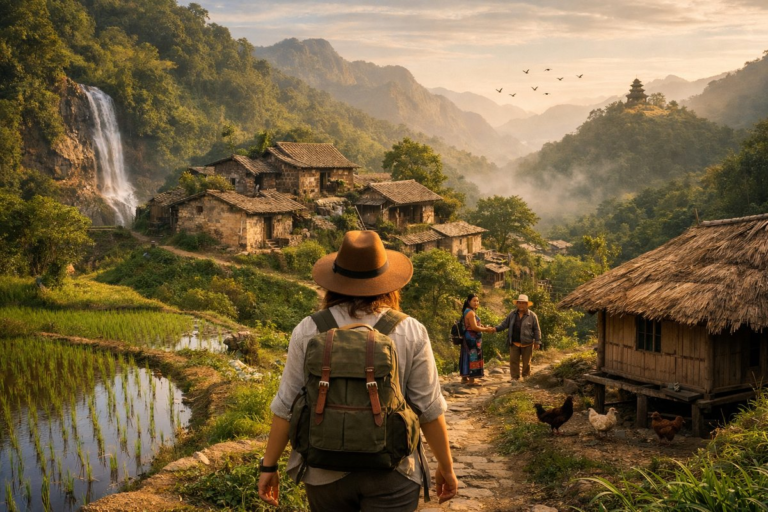
A winding road through the limestone hills of Slovenia’s Karst region leads you to Štanjel, a medieval village whose narrow streets now buzz with global visitors. Once overlooked by mass-tourism operators, isolated places like Štanjel are being rediscovered by travelers craving authenticity, sustainability, and a chance to unplug.
Last year, Booking.com’s sustainable travel survey found that 68 percent of global travelers value destinations that preserve local culture, while 54 percent seek off-grid settings for digital detox. Meanwhile UNESCO has highlighted rising interest in heritage villages, encouraging governments to develop infrastructure in ways that protect traditions and landscapes. Together, these trends are fueling the micro-adventure hub phenomenon: small-scale, community-centered travel experiences in unexpected corners of the world.
Beyond the Guidebook
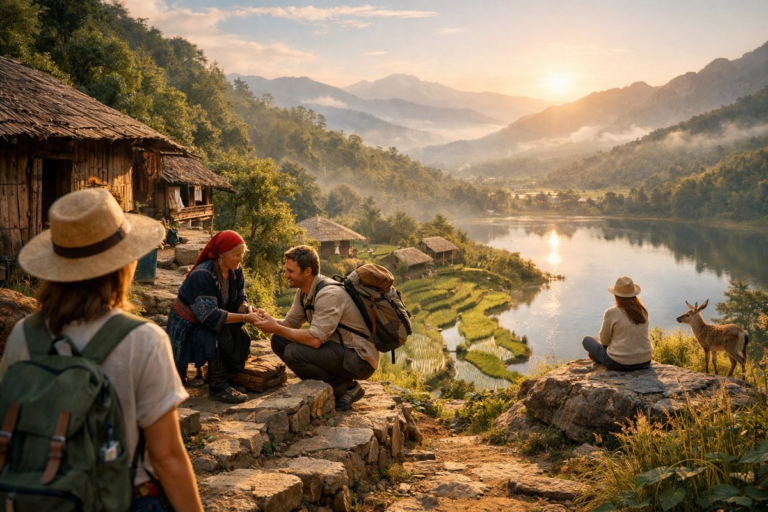
Long gone are the days when every itinerary revolved around main-street attractions in big cities. Today’s explorers want more than a selfie at a landmark. They yearn for stories passed down through generations, for a sense of belonging rather than mere observation. In northern Spain’s Albariño wine region, visitors join harvest crews for a day, stomping grapes with local families and learning ancient fermentation methods. In rural Japan, refurbished farmhouses welcome guests for multi-night stays, offering workshops on traditional paper-making and rice planting.
These micro-adventure hubs thrive on small numbers. Many limit bookings to preserve both environment and lifestyle. That exclusivity often comes with premium rates, but travelers reason that a few nights of genuine immersion outweigh weeks in cookie-cutter resorts. Local entrepreneurs adapt unused barns into eco-lodges, convert old railway cars into glamping pods, and outfit riverside cabins with solar power and composting toilets.
Economic and Cultural Impact
The economic ripple effect of micro-adventures can be profound. In Croatia’s Istria Peninsula, a collective of rural hosts reported a 37 percent rise in off-season occupancy after launching a shared booking platform. Earnings flowed to family-run taverns, handicraft cooperatives, and bakeries. Similarly, in Morocco’s Atlas Mountains, small-scale trekking camps have helped reverse youth migration by creating guided-tour and hospitality jobs.
However, the influx of travelers also brings challenges. Pressure on water resources, waste management, and trail erosion requires careful planning. In response, municipalities are tightening visitor caps, enforcing leave-no-trace rules, and steering travelers to lesser-known trails. Digital platforms now embed real-time capacity updates, allowing guests to choose quieter times and reduce overcrowding.
Digital Detox and Slow Travel
Ironically, it takes digital tools to plan a digital detox. Apps that auto-erase notifications, starlit village maps, and offline language-translation software guide visitors to unplug without losing their bearings. Slow-travel blogs chronicle journeys by foot, bike, or rail-celebrating the unhurried pace of crossing a mountain pass or island-hopping on regional ferries.
Rail travel has enjoyed a renaissance. In Appalachia, a dormant heritage line reopened last spring, offering window-seat views of canyons and waterfalls. Several cities in Eastern Europe are reviving 19th-century trains for scenic loops through wine country, complete with onboard chefs serving local delicacies. Folding-bike rentals at each station make it easy to explore trails along the tracks.
A Government Response
National tourism boards are collaborating with rural councils to promote balanced visitation. Italy’s Ministry of Culture initiated a “Welcome Back Thrift” program, subsidizing stays in villages with fewer than 2,000 residents and encouraging accommodations to use renewable energy. Spain’s Green Villages Network now lists 300 towns certified for sustainable practices, with itineraries ranging from salt-harvesting workshops to night-sky stargazing tours.
These incentives aim to extend tourist seasons beyond peak months, distribute income more evenly, and preserve fragile ecosystems. Local governments have also started issuing “culture passes” providing discounts on artisanal workshops and public-transport tickets, hoping to engage visitors in village life rather than highway pit stops.
Planning Your Own Micro-Adventure
Choosing a micro-adventure hub begins with a clear intent: Are you seeking solitude, skill-building, or community engagement? Research local events-harvest festivals, craft markets, or regional sporting competitions can add depth to your stay. Check capacity updates on dedicated apps and reserve experiences weeks in advance; many hubs operate with limited staff and low overhead.
Pack with purpose. Lightweight, multi-functional gear keeps you mobile. A refillable water-filtration bottle ensures safe drinking water in remote areas. Portable power banks or small solar panels can sustain essential devices without tethering you to grid power. A compact journal helps capture fleeting moments, and a universal travel adaptor covers unpredictable outlets in restored farmhouses or converted barns.
Embracing the Unexpected
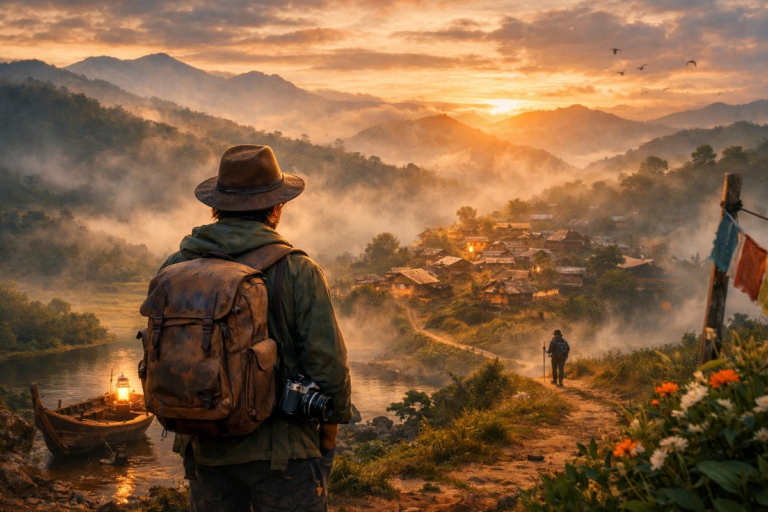
Much of the magic lies in unscripted encounters. You might be invited to a fisherman’s campfire beside a remote lagoon or stumble upon a midnight folklore gathering in a centuries-old courtyard. Embrace language mishaps, dietary surprises, and spontaneous invitations; these experiences often become the most memorable chapters of your journey.
As micro-adventure hubs continue to emerge-from the highlands of Ethiopia to coastal villages in Vietnam-they remind us that travel is not merely about places, but about connection. When a local artisan shows you how to carve a wooden bowl, or a mountaineer guides you up a steep ridge, the act of going becomes an exchange of knowledge and trust.
Looking Ahead
Experts predict that micro-adventure hubs will shape the next decade of travel. Virtual-reality previews may help travelers choose destinations wisely, while blockchain ticketing could ensure fair compensation for local hosts. Meanwhile, community-led rating systems will spotlight truly sustainable operators over those merely adopting green jargon.
For curious travelers and lifelong learners, these hidden villages and small-town retreats offer more than a holiday-they offer a chance to see differently, to slow down and engage deeply, and to carry home stories that resonate far beyond any postcard landscape. In every winding path and communal table, they remind us that sometimes the smallest places leave the biggest impressions.