Location
Mount Vernon, WA 98274

Location
Mount Vernon, WA 98274
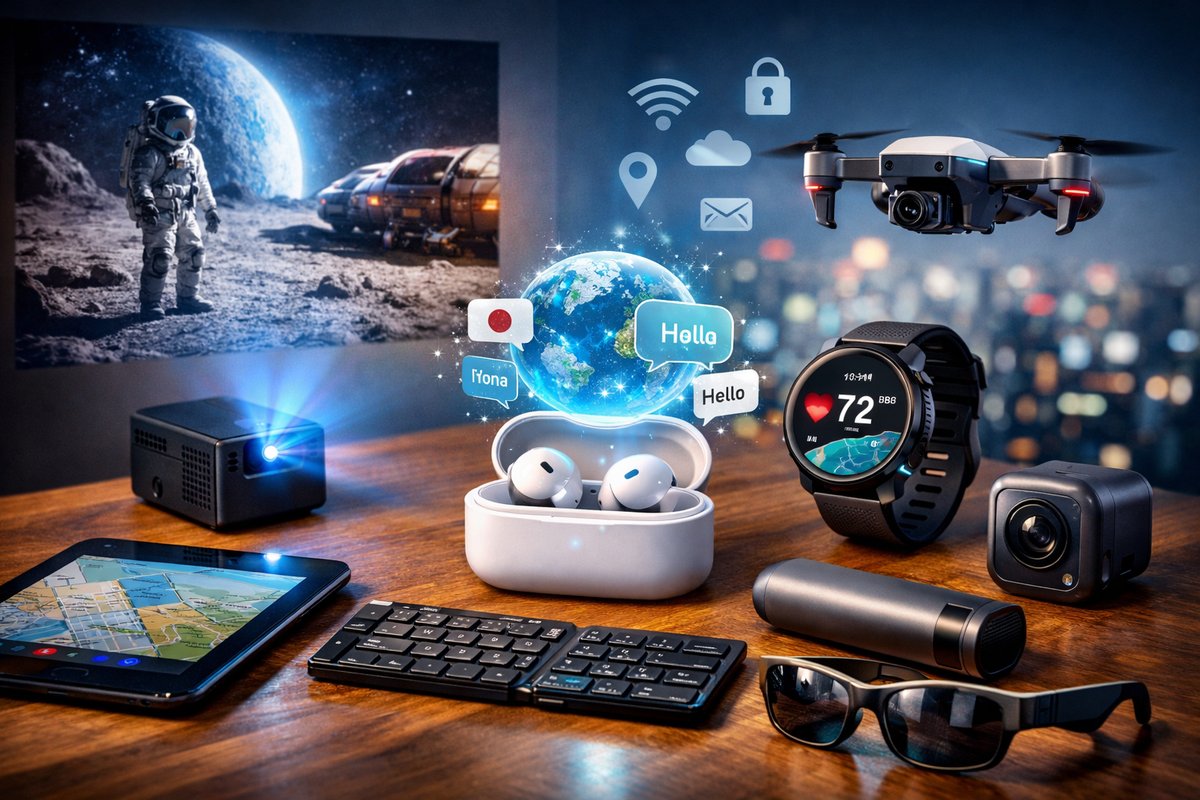
From miniature projectors that turn any surface into a cinema screen to smart earbuds capable of real-time translation, the latest wave of micro gadgets is reshaping how we work, learn, and explore. These portable innovations pack big impact into small frames, promising sustainability, privacy, and seamless connectivity wherever you go.
In an era where sleek design and seamless integration reign supreme, a new breed of gadgets is rising to prominence: tiny titans that fit in the palm of your hand but deliver capabilities once reserved for bulky desktops or industrial-grade instruments. As modern life grows ever more mobile, these pocket-sized powerhouses are seeding pockets, backpacks, and even belts with tools that blur the line between science fiction and everyday reality.
Whether you’re a digital nomad hopping between coworking hubs, a student diving into field research, or simply a curious consumer seeking smarter routines, the appeal of micro gadgets lies in their ability to amplify creativity, productivity, and well-being without weighing you down. Recent product launches and startup pitches have showcased everything from portable pico projectors to wearable air-quality monitors-each device reflecting a broader quest for sustainability, data privacy, and emotional intelligence in how technology interfaces with human life.
Imagine streaming your favorite film on an impromptu cinema screen projected onto a museum wall or hotel room ceiling. Mini portable projectors leveraging DLP technology no larger than a coffee cup are achieving 1080p image clarity, built-in speakers, and Wi-Fi video casting. For road-weary presenters, this means ditching bulky briefcases of cables and HDMI adaptors: simply unfold the tripod, pair via Bluetooth, and let the show begin.
Beyond entertainment, researchers and educators are seizing on handheld digital microscopes that illuminate cells and crystals at up to 1,000× magnification. Lightweight and battery-powered, these pocket microscopes connect via USB to smartphones and tablets, making it possible to inspect pond water samples on hiking trails or scrutinize mineral grains in geology fieldwork. By democratizing access to microscopes once confined to labs, these micro marvels are fueling curiosity-driven science in backyards and classrooms alike.
Language barriers are another frontier being tackled by diminutive devices. True wireless translation earbuds now promise bidirectional, near-instant interpretation across dozens of languages. Wearers can carry on conversations with locals during overseas travel, collaborate with multicultural teams in video calls, and tap into tutor-led language lessons on the go. AI-driven noise suppression and adaptive tuning ensure that ambient sounds-be it street markets or office chatter-don’t drown out the voice you’re translating.
Sustainability advocates have also embraced micro gadgets, particularly portable solar chargers outfitted with high-efficiency monocrystalline panels. These foldable units pack into messenger bags and backpacks, able to rejuvenate power banks or USB-C laptops during extended stays off-grid. By harnessing renewable energy at campsites, festivals, or commuter rail terminals, users can sidestep fossil-fuel-powered outlets-reducing carbon footprints while ensuring devices never run flat.
Yet the smallest sensors often dwell in the air itself. Miniature air-quality monitors, some barely larger than a matchbox, track particulate matter (PM2.5), volatile organic compounds (VOCs), and carbon dioxide levels in real time. Urban commuters clip these devices to jackets or bags to detect pollution hotspots along jogging routes or bike commutes. At home, smart environmental hubs aggregate readings and trigger ventilation systems or air purifiers when thresholds are breached, marrying personal health data with home automation.
Many of these gadgets share one underlying ethos: emotional intelligence in design. Haptic feedback on earbuds can signal scheduled breaks or silent alarms that nudge you away from screen fatigue. Micro vibration motors embedded in wearable fitness patches encourage posture correction without disruptive buzzers. Even pocket translators adapt tone detection to discern urgency in speech patterns, allowing more nuanced dialogue between speakers.
Privacy, too, has found a home in these micro devices. In an age of ubiquitous cameras and microphones, some pocket recorders and data loggers emphasize encrypted storage and local processing-minimizing cloud dependencies that could expose sensitive content. Open-source firmware options further empower tinkerers to audit code, ensuring no background data siphoning occurs.
The commercial momentum behind these innovations is palpable. Venture capitalists have poured funding into startups specializing in sub-gram sensors and ultralight composite casings. Crowdfunding platforms regularly feature kits that invite users to assemble modular microcontrollers, encouraging maker communities to prototype bespoke wearables. Meanwhile, established electronics firms are unveiling micro-LIDAR sensors for autonomous drones and smartphones-hinting at broader integration of depth-sensing cameras in devices smaller than a matchbox.
For consumers weighing the merits of each micro gadget, several factors stand out:
– Power management: Battery life ranges widely based on component efficiency and load. Solar-assist options or swappable cell packs can extend runtimes for travelers and field researchers.
– Connectivity: Wi-Fi 6 and 5G-capable SIM-slot models ensure fast data uplink, but may come at the cost of higher power draw. Bluetooth Low Energy remains the low-power champion for casual syncing.
– Build materials: Aerospace-grade aluminum and reinforced polymers keep weight down while maintaining ruggedness. Some devices even pass IP65 water and dust resistance standards, making them reliable in harsh environments.
– Modular upgrades: A budding trend is the ability to swap out sensor modules-whether upgrading to a higher-resolution camera or swapping LiDAR for ultrasonic proximity detection-prolonging device lifespans and reducing e-waste.
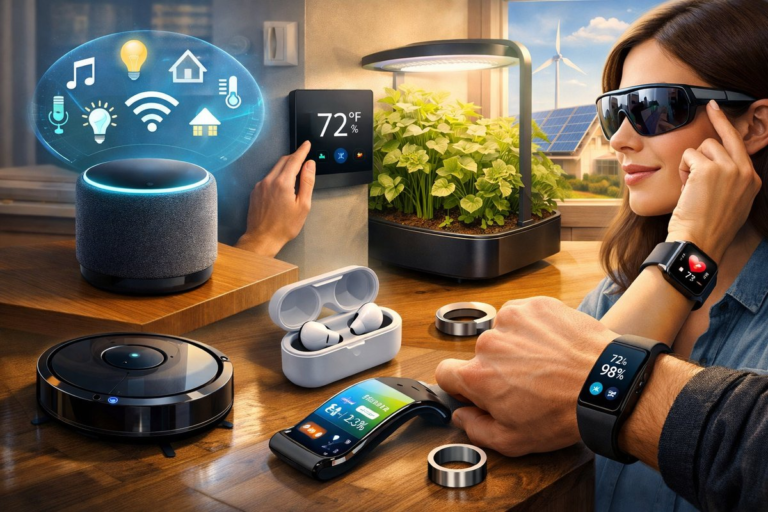
As miniaturization technology continues its march, the distinction between standalone pocket devices and daily accessories will likely blur. We can envision eyewear frames that project notifications into your visual periphery, or rings that measure blood oxygen like hospital-grade sensors. Integration with augmented reality platforms could embed micro projectors and depth cameras into clothing seams, making dresses and jackets into interactive displays.
These developments also raise questions about digital boundaries and mindful use. When every object becomes a potential data-collection node, navigating informed consent and setting personal boundaries will be crucial. Designers and policymakers alike will need to ensure that tiny titans remain tools of empowerment rather than instruments of intrusion.
For early adopters eager to explore the potential of pocket-sized powerhouses, the current lineup of micro gadgets offers an exciting toolkit. From spontaneous backyard science experiments to immersive pop-up cinemas and real-time cross-border conversations, these devices are proving that big ideas often come in small packages. And as the micro revolution unfolds, everyday life will continue to grow smarter, more sustainable, and more intimately connected with the natural world, one tiny titan at a time.