Location
Mount Vernon, WA 98274

Location
Mount Vernon, WA 98274

Automotive technology is shifting from horsepower battles to intelligent ecosystems where vehicles, roads, and grids communicate in real time. From connected sensors to adaptive charging networks, every mile reflects a fusion of engineering ingenuity and data-driven insights.
Automobiles have long been symbols of freedom and exploration, but the modern vehicle is becoming so much more than a means of transport. Advances in connectivity, artificial intelligence, and electric powertrains are weaving cars into a digital tapestry, where highways exchange information with traffic management centers, charging stations share data with energy grids, and vehicles learn to anticipate driver needs. This transformation is reshaping not only how we drive but where, when, and why we choose to journey. As transportation networks embrace greater intelligence, the age-old romance of the open road gains new dimensions-one where every route, every charge, and every destination benefits from unprecedented layers of insight.
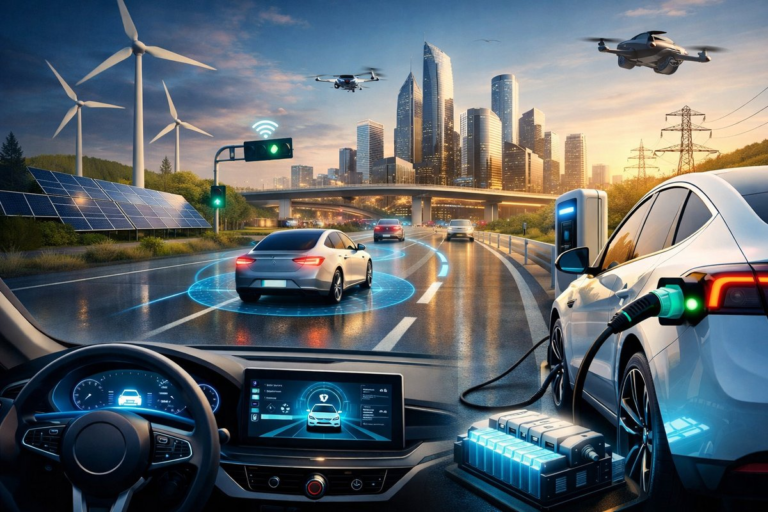
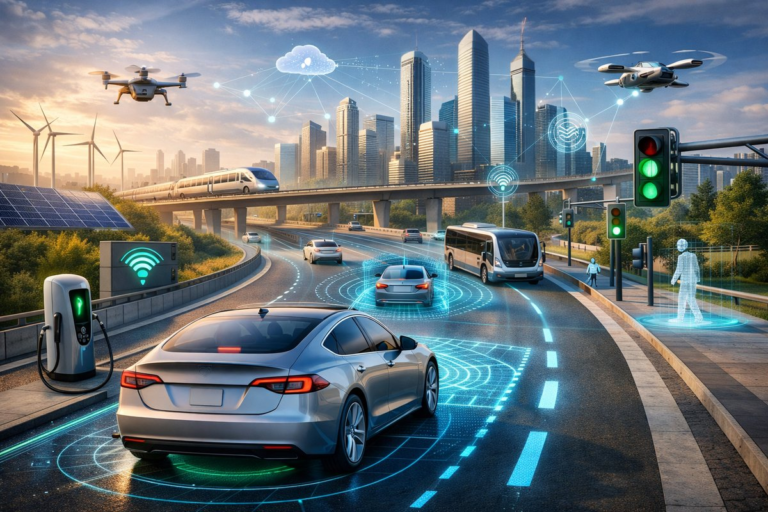
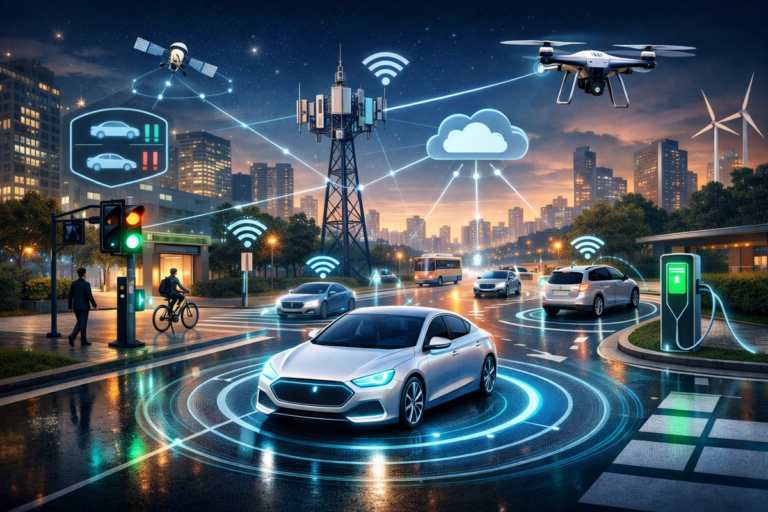
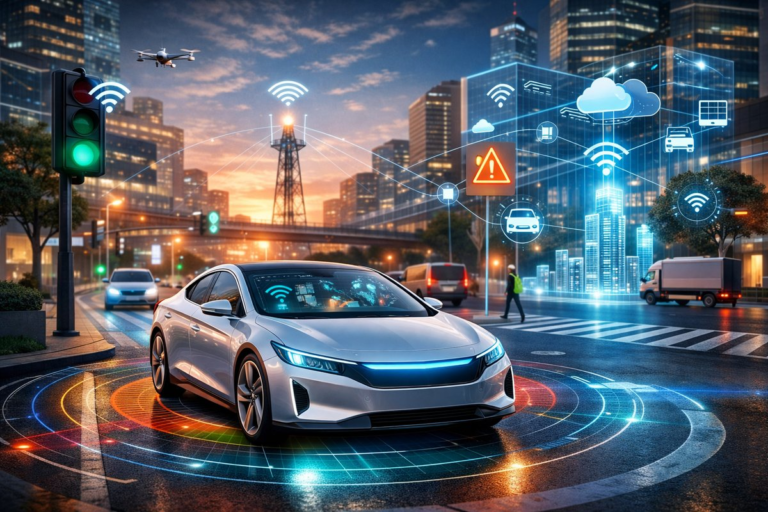
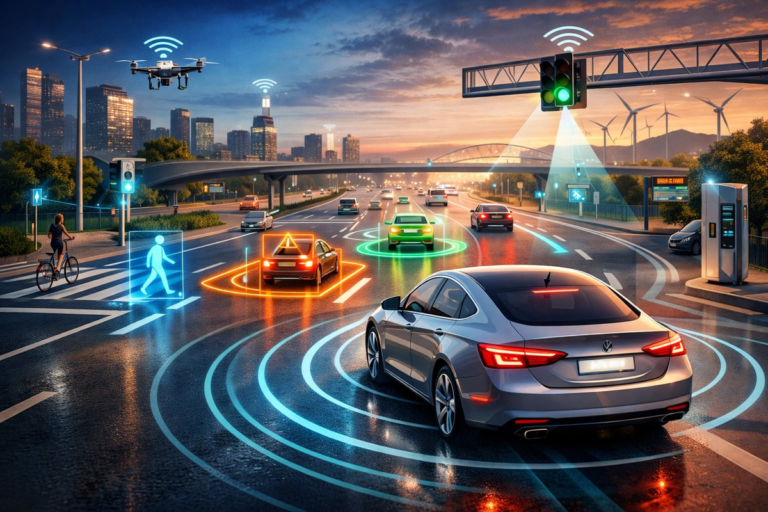
One of the most visible shifts on city streets is the proliferation of connected vehicle-to-everything (V2X) technology. Vehicles equipped with dedicated short-range communication modules can now exchange real-time data with nearby cars, traffic lights, and roadside units. Imagine cruising through urban corridors guided by traffic signals that adjust their cadence to your car’s approach. The result is fewer stops, smoother traffic flow, and reduced emissions from idling. Pilot projects in major metropolitan areas have demonstrated as much as a 20 percent cut in intersection wait times, showing how every intersection becomes an active participant in the journey.
Under the hood of these connected machines lies a complex orchestra of sensors. Radar modules detect the speed and position of surrounding vehicles and pedestrians, while lidar units generate high-resolution maps of the environment. Camera arrays feed image data into neural networks that recognize road signs, lane markings, and even the gestures of roadside workers. Combining these sensor inputs with GPS and cellular backups creates a redundancy that boosts both safety and reliability. During snowstorms or dense fog, when a human glance might miss a hazard, sensor fusion algorithms can maintain situational awareness and alert drivers to unexpected obstacles.
As vehicles talk to each other and the infrastructure around them, artificial intelligence has begun to play a starring role. Traffic management centers are deploying AI-driven software to predict congestion patterns based on historical data, real-time sensor feeds, and even planned events like concerts or sports games. These systems can reroute vehicles dynamically, sending alerts to in-dash navigation apps or even adjusting speed limits on digital signage to optimize flow. In this sense, the road becomes a living entity, its behavior shaped by a continuous feedback loop between human drivers, autonomous subsystems, and intelligent control centers.
Electric vehicles (EVs) are another pillar of the ongoing revolution. Early adopters once worried about range anxiety, but growing networks of fast-charging stations are quelling those doubts. New ultra-rapid chargers now offer up to 150 miles of range in 15 minutes, blurring the line between a coffee break and a fill-up. Behind these cables lies careful system design: load-balancing algorithms manage power draw from the grid to avoid spikes during peak demand, while smart billing platforms track energy costs in real time. Open standards for charging connectors and authentication protocols ensure that drivers face fewer barriers when traveling across regions operated by different charging providers.
Vehicle-to-grid (V2G) integration is adding another layer of value. EV owners can now return energy to the grid during peak price periods, turning their parked cars into mobile battery banks. In some pilot programs, homeowners benefit from lower electricity bills by selling surplus stored energy back to utilities overnight. This level of bidirectional flow hinges on advanced power electronics within the vehicle’s onboard charger, capable of both drawing and delivering AC current. Grid operators appreciate the additional buffer that parked EVs provide, smoothing out fluctuations as renewable energy sources like wind and solar feed unpredictable power into the network.
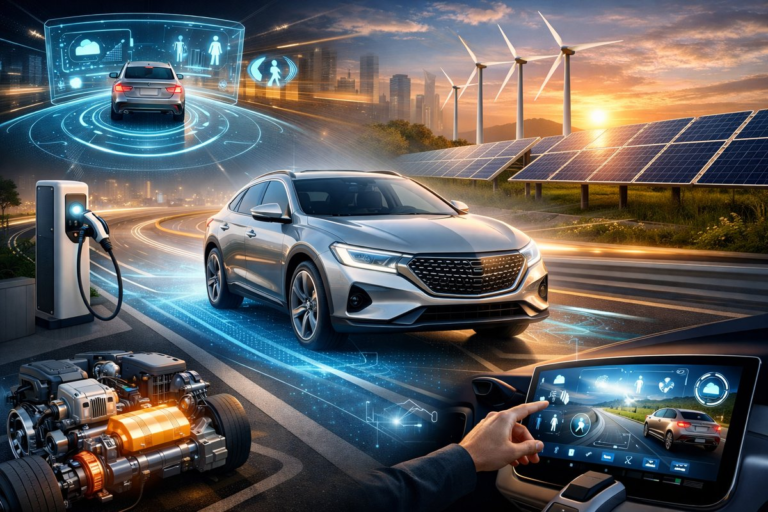
Within the vehicle cabin, the driving experience itself is being reimagined. Advanced driver-assist systems use haptic feedback in the steering wheel or seat to warn of lane departures, while heads-up displays project critical information directly onto the windshield. Voice-activated assistants can manage nearly every in-car function, from temperature control to playlist curation, enabling drivers to keep their eyes on the road. Over-the-air software updates deliver new features and safety refinements without the need for a dealership visit, allowing manufacturers to refine performance or introduce entirely new capabilities post-sale.
These digital upgrades are driving a shift in how vehicles are marketed and maintained. Subscription-based features-such as enhanced navigation, adaptive cruise control, or premium audio tuning-can be activated on demand. A car owner might sample a performance package over a weekend or subscribe to advanced safety features during winter months for extra peace of mind. This modular approach turns a vehicle into a living platform, continuously evolving to meet the driver’s changing needs.
On the manufacturing side, data-driven design is accelerating innovation cycles. Engineers use real-world telematics data to understand how customers actually drive-rather than relying on simulated models alone. Patterns in acceleration, braking, and route preferences inform everything from chassis stiffness to battery management algorithms. Prototype vehicles outfitted with data loggers transverse test tracks in diverse climates, collecting millions of data points that feed directly into digital twins. These virtual replicas let engineers run exhaustive simulations before finalizing hardware, slashing development timelines by months and reducing physical prototyping costs.
As automotive systems grow more complex, cybersecurity has emerged as an urgent priority. Protecting connected vehicles from remote intrusion requires hardened communications protocols and intrusion detection systems embedded within control units. Manufacturers collaborate with industry consortia to develop security standards, ensuring that encryption and authentication measures evolve in step with emerging threats. Periodic security audits and vulnerability disclosure programs help identify weaknesses before bad actors can exploit them, safeguarding not just individual vehicles but entire transportation networks.
Beyond new cars rolling off assembly lines, aftermarket solutions are bridging the gap for existing vehicles. Plug-and-play OBD-II modules deliver Wi-Fi or cellular connectivity to older cars, enabling features like live diagnostics, stolen vehicle tracking, and remote start. High-definition dash cams with AI-based collision detection can record incidents and alert emergency services automatically, offering newfound protection on even the most familiar roads. Smartphone mounts with wireless charging pads ensure that every driver can access real-time navigation and hands-free communication without fumbling for cables.
Despite the heady pace of technological change, questions of privacy and data ownership linger. Who controls the streams of driving behavior, location history, and vehicle health metrics produced by modern cars? Some jurisdictions are crafting regulations that give drivers the right to delete or port their data, while others are mandating anonymization standards for aggregated traffic information. Striking the right balance between personalization, safety, and privacy will shape not only consumer trust but also the competitive dynamics among automakers and tech providers.
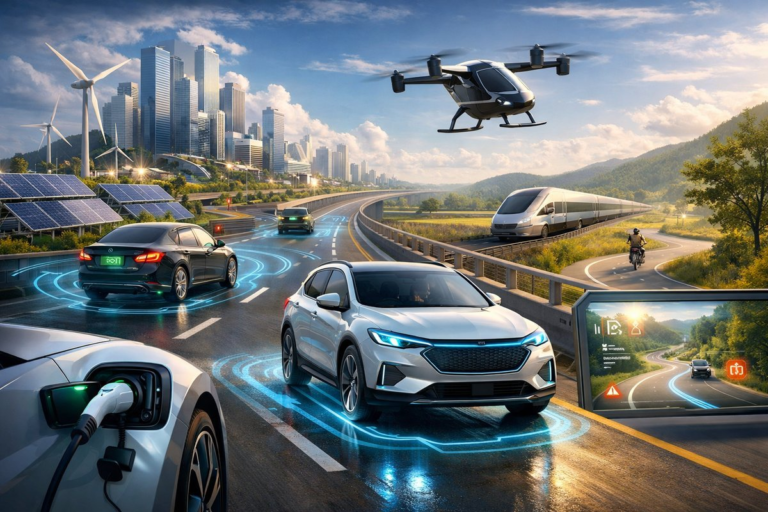
Looking ahead, shared mobility platforms are integrating with public transit to create seamless door-to-door experiences. Riders might book a curbside microtransit shuttle that drops them at a nearby train station, with the entire itinerary coordinated by a single app. Autonomous pods could eventually handle first-mile and last-mile segments of trips, plugging gaps in transit deserts without adding to traffic congestion. By treating vehicles as dynamic resources rather than personal assets, planners aim to optimize fleet utilization and reduce the environmental footprint of urban travel.
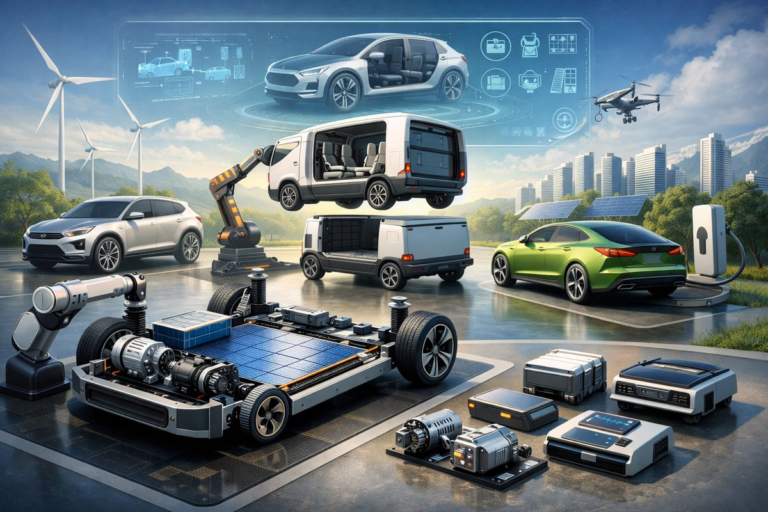
Sustainability remains a touchstone throughout this transformation. Beyond zero-emission powertrains, manufacturers are exploring circular economy practices-using recycled or bio-based materials in vehicle interiors, remanufacturing battery packs, and designing components for easier disassembly. Some companies are offering battery-as-a-service programs, where consumers lease the battery separately from the vehicle itself. This model helps lower upfront costs, ensures consistent recycling processes, and provides clearer end-of-life pathways for critical materials.
Ultimately, the automotive revolution is more than a collection of new parts and clever algorithms. It’s a cultural shift toward mobility as a service, data as a fuel, and the journey itself as part of the destination. Every sensor, every network handshake, and every kilowatt-hour of stored energy contributes to a vision of transportation that’s safer, more efficient, and more responsive to the needs of both drivers and communities.
For curious drivers, gearheads, and everyday commuters, the road ahead promises a series of discoveries. Whether it’s tapping into a charging network responsive to grid signals, upgrading a classic vehicle with a connected OBD-II adapter, or simply enjoying a smoother ride through AI-optimized traffic corridors, the modern automobile offers more avenues for exploration than ever before. As this ecosystem matures, our relationship with machines of motion, memory, and meaning will continue to evolve-fueling new stories, new journeys, and new ways to connect communities across time and terrain.
The next time you buckle in, remember that you’re not just starting an engine. You’re logging into a network of sensors, software, and infrastructure designed to learn from your drive, anticipate your needs, and redefine what’s possible on four wheels. The future of transportation is mobilizing around us, and each journey is an invitation to experience the art of motion in an age of intelligence and connectivity.