Location
Mount Vernon, WA 98274

Location
Mount Vernon, WA 98274
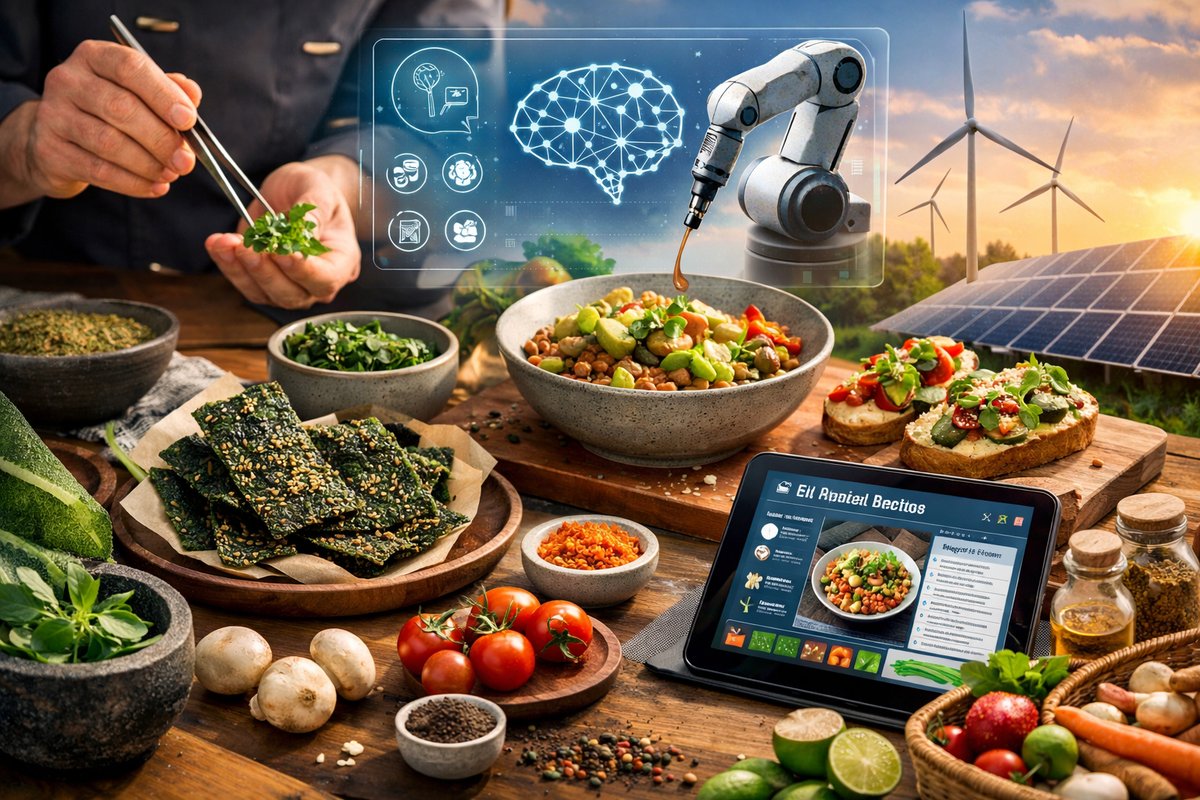
From seaweed-powered snacks to AI-driven recipe creation, a new wave of culinary innovation bridges sustainability, culture, and connection. These emerging trends invite home cooks and professional chefs alike to experiment with ingredients, tools, and mindsets that honor community and planetary health.
Across bustling markets in coastal towns and in the quiet hum of home kitchens, a transformation is underway. What was once seen as mere sustenance has become a canvas for creativity, connection, and shared values. This year, culinary enthusiasts are finding new ways to marry tradition with innovation, seeking flavors that resonate with personal stories, ecological stewardship, and a desire for community. From the resurgent interest in indigenous grains to the rise of algae-based proteins, food trends are reflecting deeper conversations about equity, climate impact, and emotional wellbeing. In this exploration, we map five currents that are reshaping how we shop for ingredients, prepare meals, and break bread together-offering a glimpse of the table we’ll gather around tomorrow. Whether you’re a home cook planning next week’s menu or an industry insider refining large-scale offerings, these patterns hint at where our palates will travel next and how every bite can carry purpose.
A rising star in kitchens both professional and homegrown is seaweed and algae. Once confined to coastal communities, these marine vegetables are making inroads onto dinner plates far from the shore. Rich in umami, minerals, and protein, powdered seaweed blends are transforming everyday snacks into nutrient-dense bites-think seaweed-dusted popcorn or algae-infused tortilla chips. Algal protein isolates, harvested from freshwater bioreactors, are now appearing in plant-based burgers and protein bars, offering a sustainable alternative to animal- and soy-based proteins. According to a recent market analysis, global seaweed production is expected to grow by over 7 percent annually, driven by demand for healthy, low-impact ingredients. Chefs are pairing kelp noodles with fermented chili pastes, while home cooks experiment with fresh nori rolls filled with local vegetables. The result is a versatile ingredient that honors ocean ecosystems while introducing new textures and depths of flavor.
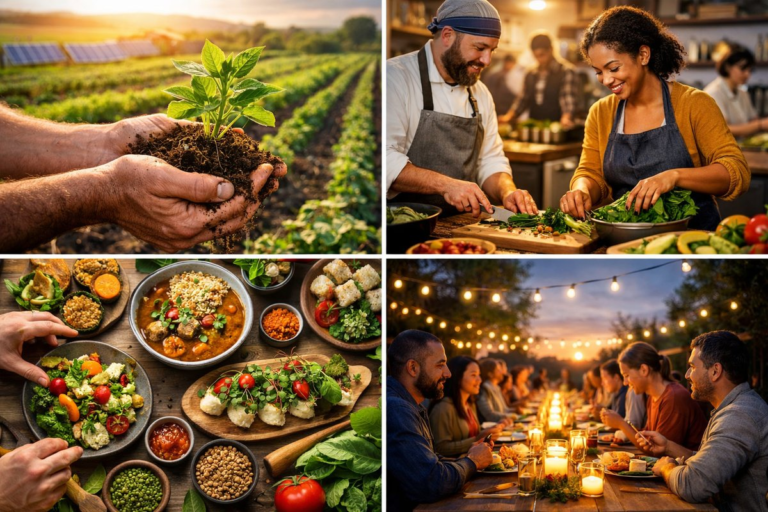
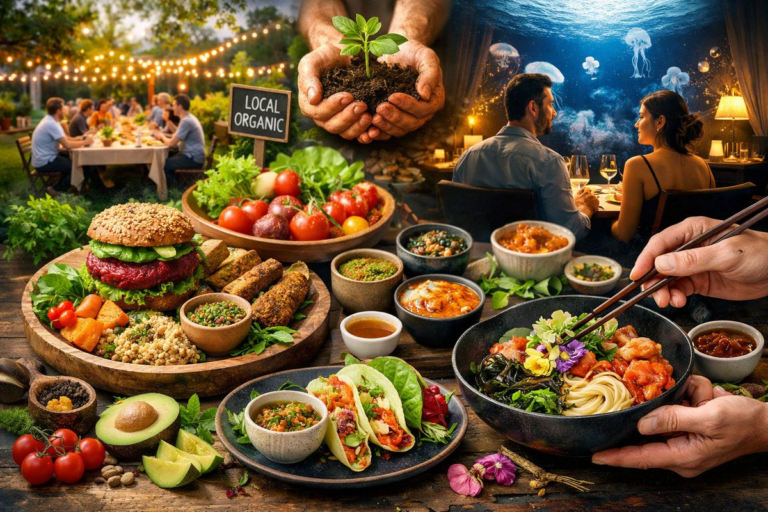
Hyper-local agriculture and regenerative farming practices are also redefining our relationship with ingredients. Urban vertical farms, rooftop gardens, and countertop hydroponic units are making fresh herbs and microgreens available year-round, even in neighborhoods far from full-service grocery stores. These systems use up to 90 percent less water than conventional agriculture and eliminate the carbon emissions associated with long-distance shipping. On rural and suburban plots, farmers are adopting regenerative techniques-cover cropping, rotational grazing, and minimal tillage-to rebuild soil health and boost biodiversity. Buyers can now trace the soil amendments used to grow a head of lettuce or a jar of honey, thanks to apps that record field conditions, rainfall, and cover-crop rotations. This transparency nurtures trust between grower and eater, and invites us to consider the broader impact of our plate.
In tandem with new plant sources and production methods, zero-waste cooking has evolved from niche ethic to guiding principle. Beyond compost piles and food-scrap pick-up, innovators are designing edible packaging derived from rice, seaweed, and even milk proteins-packets you can tear open and toss right into the pot. Kitchen tools built for longevity replace single-use plastics: silicone storage bags stand in for disposable wraps, and modular utensil sets accommodate a range of tasks to cut cupboard clutter. On the stove, chefs are crafting broths from vegetable tops and peels, then drying the resulting sludge into flavor-packed seasoning powders. These powders serve as a base for soups, marinades, and finishing salts, ensuring no scrap goes unused. Community organizations have even set up “scrap exchanges,” where leftover carrot greens become someone else’s pesto, and spent coffee grounds join local mushroom kits. The ethos of respect for resources reshapes not only how we cook, but how we value and share every ingredient.
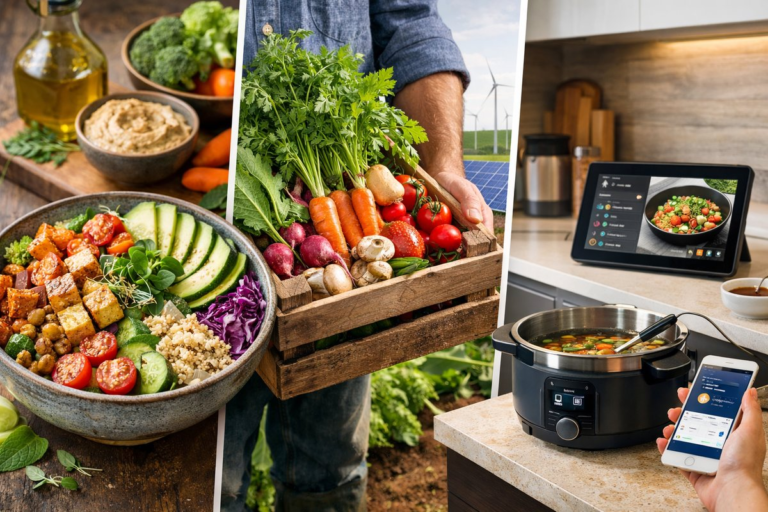
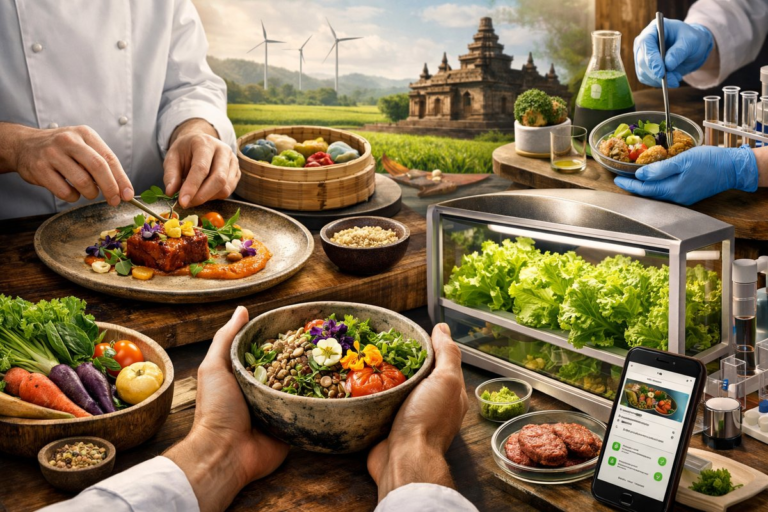
Technology is weaving itself into the fabric of modern cooking, but rather than replacing intuition, it amplifies creative possibilities. AI-powered recipe generators can now synthesize flavor profiles from thousands of cookbooks and social media posts, proposing ingredient combinations we might never have considered. Imagine typing “spice-forward summer salad” into an app and receiving a custom recipe integrating black lime, pickled watermelon rind, and micro basil. Precision cooking tools-immersion circulators and smart induction burners-maintain exact temperatures, unlocking textures that once required years of practice. Ingredient scanners reveal nutritional breakdowns and potential allergens with a simple shine of a built-in sensor. Even voice assistants in the kitchen are evolving, able to field follow-up questions on timing and taste adjustments while you’re busy kneading dough or arranging garnishes. These tools streamline routine steps, so cooks can focus on the artistry of plating and the pleasure of shared meals.
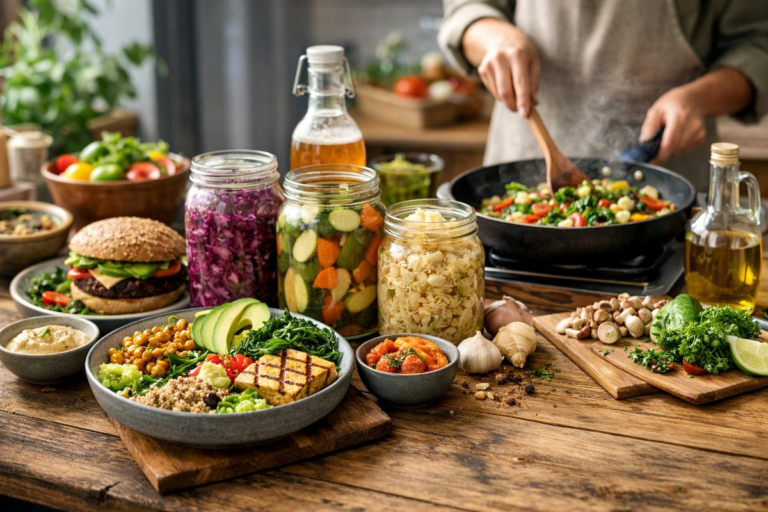
Innovation in fermentation and cell-based foods continues to drive headlines, but it’s fermentation’s long-taught lessons in patience and transformation that matter most. Artisanal krauts, yogurt cultures, and kimchis are now household staples, and fermentation kits with digital temperature controls make the process approachable for novices. On a larger scale, precision fermentation facilities produce dairy proteins without cows, enabling the creation of plant-based cheeses and creams that melt, stretch, and taste remarkably like their animal-derived counterparts. Mushroom-based craft brewers are experimenting with unique fungal strains to craft brews that offer earthy, woodsy notes alongside traditional hops. These techniques build bridges between science and ancestral foodways, harnessing beneficial microbes to enhance nutrition, preserve produce, and add complexity to flavor. In a world seeking healthier, more sustainable alternatives, fermentation reminds us that time and care can yield astonishing results.
While much attention is paid to novel ingredients and gadgets, the resurgence of cross-cultural comfort foods speaks to a deeper human craving for belonging. Home cooks are digging into family archives to reimagine dishes passed down through generations-perhaps substituting teff or sorghum flour for wheat, or introducing a homemade vegan mooli pickle alongside a classic dim sum spread. Urban restaurants are collaborating with community elders to preserve recipes that might otherwise be lost, then giving them a modern twist. At the same time, long-standing street foods are making their way into fine-dining tasting menus, inviting patrons to experience a hawker-center favorite alongside artisan sake and edible flower petals. The result is a dynamic dialogue between past and present, honoring the stories behind each bite while inviting experimentation.
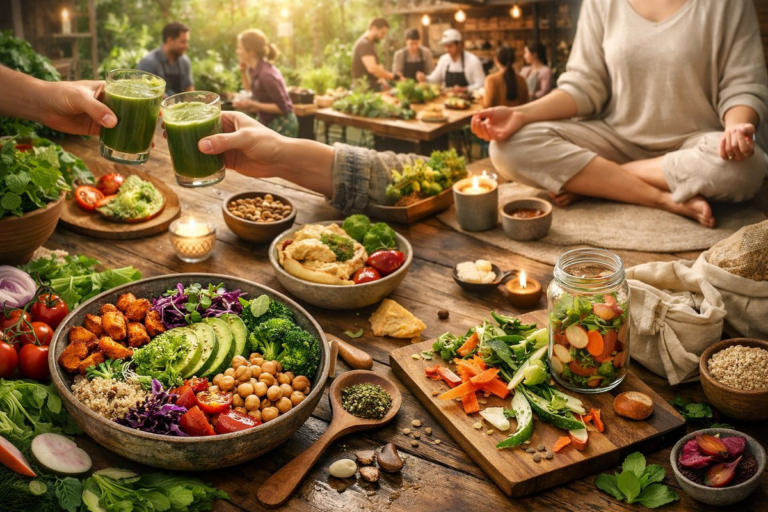
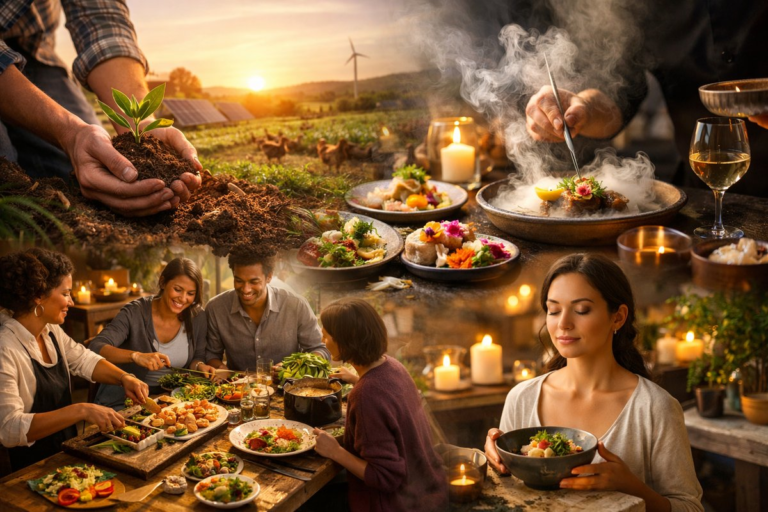
Community-centered initiatives are strengthening our sense of collective responsibility at the dinner table. Pop-up supper clubs in underutilized spaces-from empty storefronts to community centers-bring neighbors together over low-cost, plant-forward menus. Shared “community fridges” stocked by volunteers allow anyone to take or leave perishable food items, reducing waste and increasing access. Online platforms facilitate seed swaps, preserving heirloom varieties while connecting gardeners across regions. Seasonal food swaps invite participants to barter homemade jams, pickles, and granolas, turning the act of sharing into a festive ritual. In countless neighborhoods, these gatherings foster empathy and cultural exchange-reminding us that cooking is as much about care for one another as it is about nourishing the body.
Beyond the plate, transparency in supply chains is gaining traction through emerging traceability tools. Blockchain and QR-code-enabled labels enable consumers to scan the origin of a single tomato or piece of cheese, revealing everything from the farm address to the carbon footprint per ounce. Data partners certify compliance with fair-trade and animal-welfare standards, while dynamic labeling might even update to show real-time environmental conditions in the growing region. In tandem, voluntary “carbon labels” on menus and packaging translate complex emissions data into simple rating systems-helping diners and shoppers make informed choices with every transaction. This layer of accountability challenges producers to adopt sustainable practices, and invites eaters to consider the hidden costs behind familiar products.
Amid these technical advancements and shifting ingredient lists, emotional intelligence remains at the heart of why we eat. Mindful eating practices-slowing down to appreciate aromas, textures, and company-are gaining followers seeking relief from screen-driven multitasking. Families are reviving the ritual of communal meal planning, gathering weekly to choose recipes, assign tasks, and share memories associated with each dish. Food journaling apps capture not just ingredients, but moods, stories, and treasured recipes passed through texts or voice notes. Culinary educators emphasize the importance of empathy in the kitchen: understanding cultural contexts, honoring dietary needs, and creating spaces where everyone feels welcome at the table. These soft skills ensure that innovation is grounded in respect-for ourselves, for each other, and for the planet.
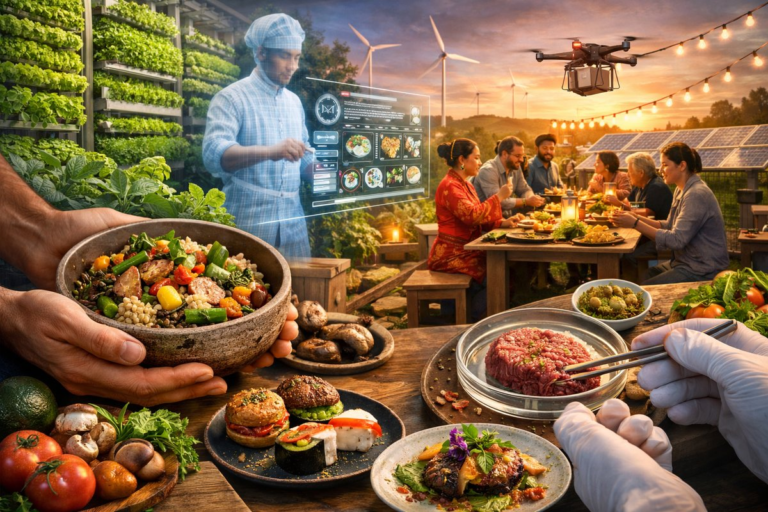
Looking ahead, these culinary currents will converge in unexpected ways. Imagine a meal that begins with AI-designed small bites flavored with locally sourced seaweed, served alongside regenerative-farm vegetables grown in vertical racks mere blocks away, all garnished with edible compostable wraps. Drone delivery might bring fermentation crocks or hyper-local honey straight to your doorstep, while real-time updates on crop conditions land as a daily breakfast newsletter. Yet in every speculation, the guiding principle remains the same: food is a vehicle for connection, a mirror of our values, and a reminder that growth often comes from embracing both new technologies and age-old traditions.
Whether you’re experimenting with kelp noodles on weeknights, joining a seed swap on a Sunday afternoon, or simply savoring leftovers in a reusable container, these trends invite curiosity and creativity. They ask us to look beyond recipes and gadgets into the stories we tell around the dinner table-and to recognize that what we cook and share today will shape our culture and environment tomorrow. So gather some friends, explore an unfamiliar ingredient, or try fermenting a small batch of vegetables. In every experiment, you contribute to a richer, more sustainable culinary tapestry. The table is set-how will you leave your mark?