Location
Mount Vernon, WA 98274

Location
Mount Vernon, WA 98274

A groundbreaking study from a leading education institute highlights the power of combining emotional literacy with hands-on STEM activities. Families across the country are embracing tools that spark curiosity, resilience, and meaningful connection at home.
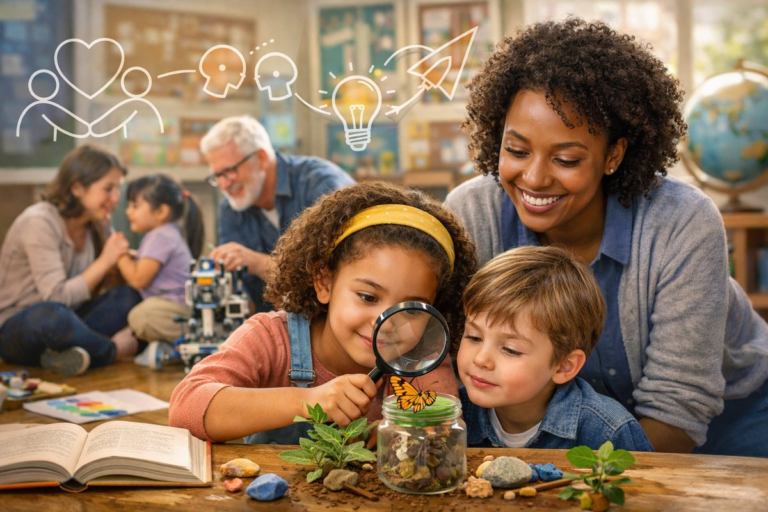
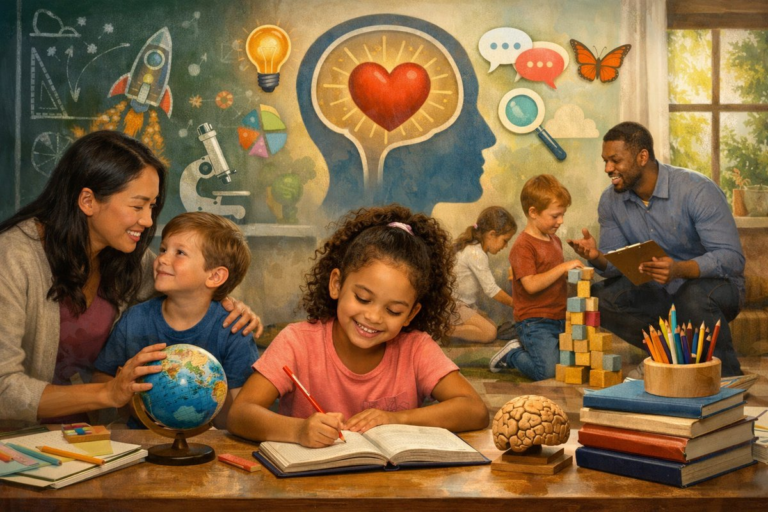
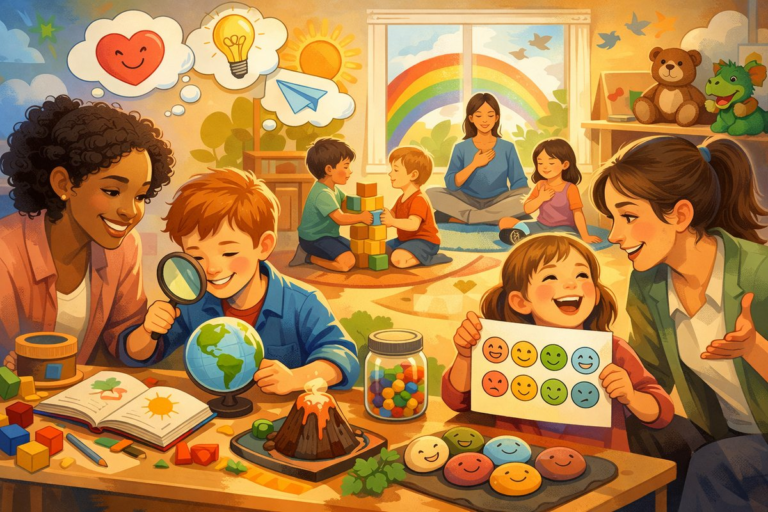
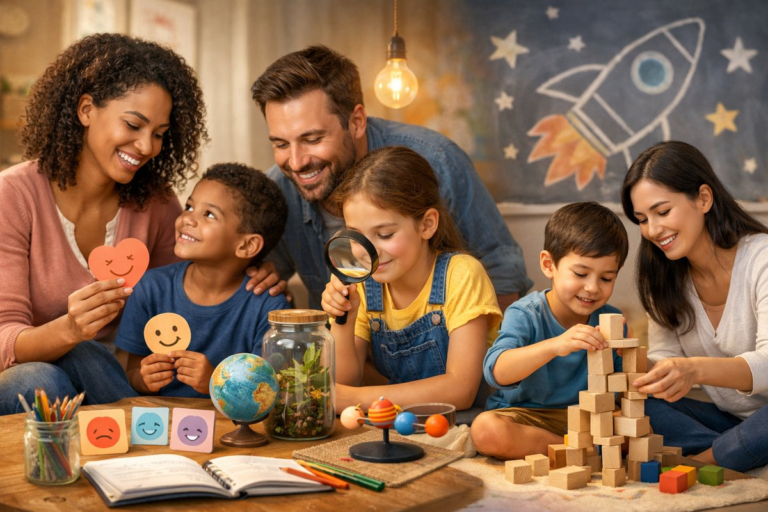
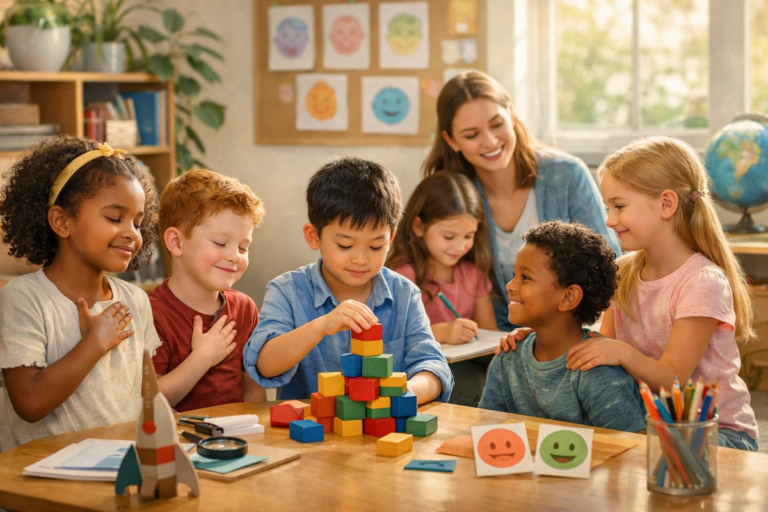
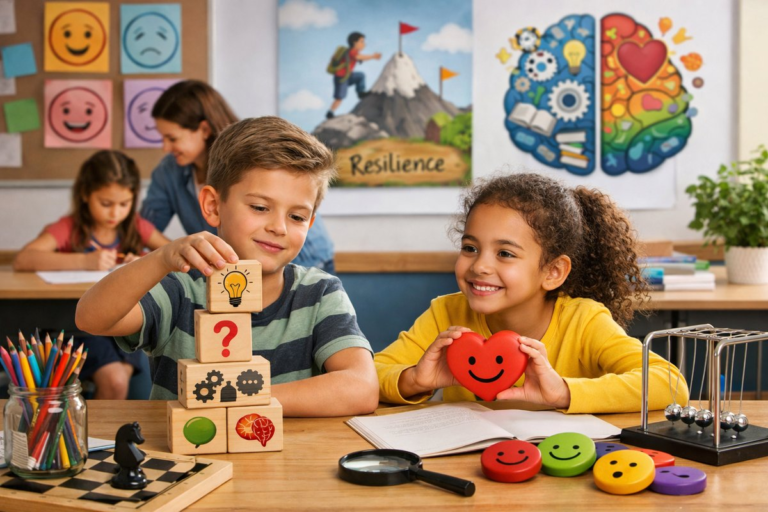
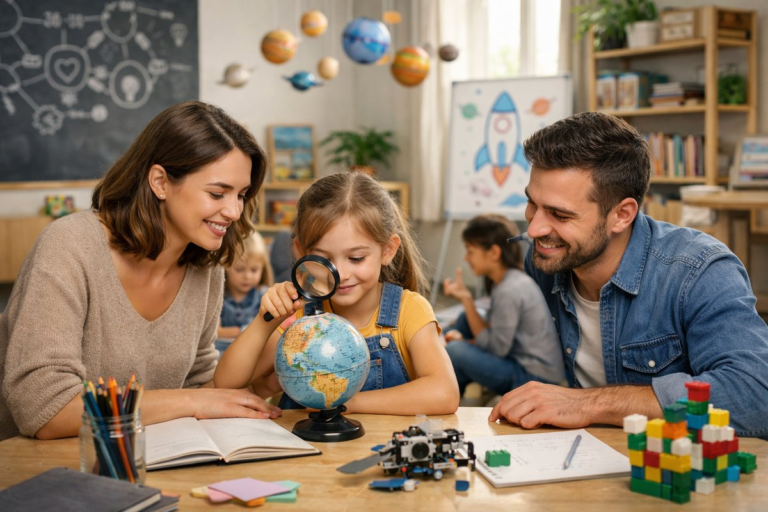
When nine-year-old Maya slammed her blocks tower to the ground in frustration, her mother didn’t scold her. Instead, she slid a colorful set of emotion cards across the table and asked Maya to choose one that matched her feelings. Moments later, armed with the words to name her frustration, Maya returned to her magnetic building tiles and reconstructed her tower-this time experimenting with new shapes and angles. It’s a small scene, but it reflects a larger shift in how parents are approaching learning at home: placing emotional awareness and hands-on discovery on equal footing.
In a recent report released by a prominent graduate school of education, researchers examined over 300 households that integrated emotional tools-like feeling charts and mindfulness prompts-into their STEM play routines. The findings are striking: children in this group showed a 25% increase in creative problem-solving scores, were twice as likely to persist through challenging tasks, and reported feeling more confident discussing their emotions. At a time when families continue to juggle remote work, school closures, and shifting schedules, this fusion of head and heart meets a rising demand for learning that honors both knowledge and well-being.
“We’re seeing a transformation in home classrooms,” says Dr. Elena Rivers, the lead researcher on the study. “Parents want more than just screen time or rote tasks. They’re looking for play experiences that help kids develop empathy, communication skills, and a sense of agency alongside math and science concepts.” Her team tracked daily play sessions over three months, coding for emotional check-ins, collaborative problem solving, and reflective moments when caregivers encouraged children to describe what they’d learned.
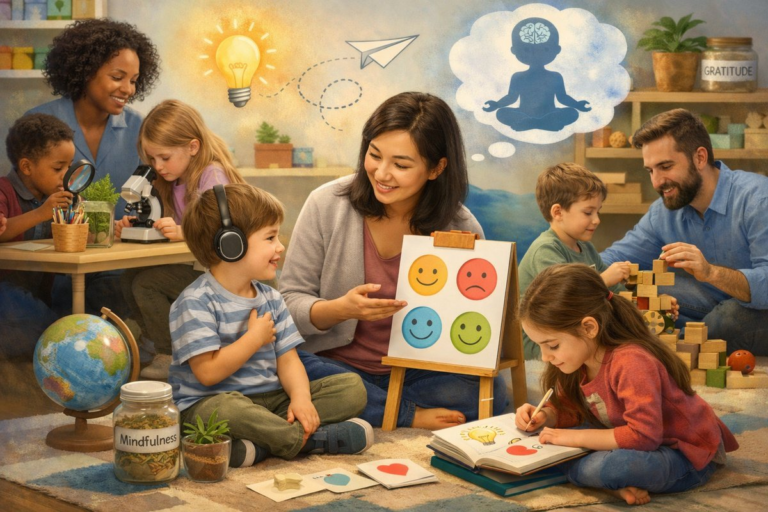
One family in Denver began each session with a five-minute mindfulness ritual-deep breaths encouraged by a plush breathing toy-followed by building challenges that ranged from a simple marble run to designing paper circuits. 11-year-old Logan described how naming his nervous excitement before a circuit-building task helped him stay calm when wires crossed and lights flickered. “I used to just give up,” he admits. “But now I know it’s okay to feel jittery. I just breathe, pick a card that says ‘curious,’ and try again.”
Across social media, parents share photos of emotion charts taped to dining room walls, alongside collections of modular blocks, DIY slime science kits, and art supplies. One viral video shows a father using labeled mood stones to guide his daughter through a geometry lesson-she selects a blue stone for “hopeful,” then sketches a hexagon, inspired to see it as a symbol of strength. These posts have drawn thousands of likes and comments, as caregivers seek fresh ideas for making learning feel both playful and emotionally safe.
Experts say this trend taps into decades of research on social-emotional learning (SEL), now in the spotlight as part of broader education policy debates. While many schools aim to integrate SEL into curricula, the home setting offers unique freedoms: families can tailor tools to a child’s interests, pace, and personality. That flexibility has led to an explosion of creative products-from puppet theater kits that let children act out feelings to guided journals designed for reflective sketching.
“Parents are essentially becoming co-educators in a richer way than ever before,” notes early childhood specialist Dr. Sophia Lin. “When caregivers hold space for emotions during problem solving, children learn that mistakes are part of discovery, and that understanding feelings is as valuable as mastering facts.” She recommends starting small: introduce a 10-card deck of emotion images, follow one simple science activity each week, and set aside a brief conversation afterward. Over time, these practices build a foundation of trust and curiosity that carries into school and social life.
Back in Maya’s living room, her mother watches as the young girl experiments with a new castle design. “I just asked her, ‘What do you notice now?'” she says softly, proud of how Maya’s frustration transformed into fascination. It’s the kind of breakthrough many parents are witnessing when they combine emotional vocabulary with open-ended play. In the words of Dr. Rivers, “This integration isn’t just an educational trend-it’s a movement toward raising thinkers who know their minds and hearts are both part of the learning journey.”
As families nationwide adapt to ever-changing routines, this model of “heart-centered STEM” offers a clear pathway: equip children with tactile tools, encourage them to name their emotions, and celebrate the discoveries-big or small-that emerge when intellect and empathy work hand in hand. The result is more than academic growth; it’s a generation of learners who feel heard, capable, and intrinsically motivated to explore.
For parents seeking to try these methods, the report’s resources include downloadable feeling charts, step-by-step experiment guides, and interview excerpts from families who’ve made the shift. Whether you’re building a simple pulley system from kitchen utensils or reflecting on what made a block structure wobble, the message is clear: learning is richer when curiosity and emotional insight travel together.
And so, as the afternoon light streams in, Maya huddles over her magnetic tiles, selecting arch pieces with quiet determination. When she hits a snag, her mother reminds her to pick a mood card. Maya glances at the card that reads “excited,” breathes in, and continues. One block at a time, she’s learning a lesson that will last far beyond her tower’s lifespan: that progress often begins with understanding how we feel.