Location
Mount Vernon, WA 98274

Location
Mount Vernon, WA 98274
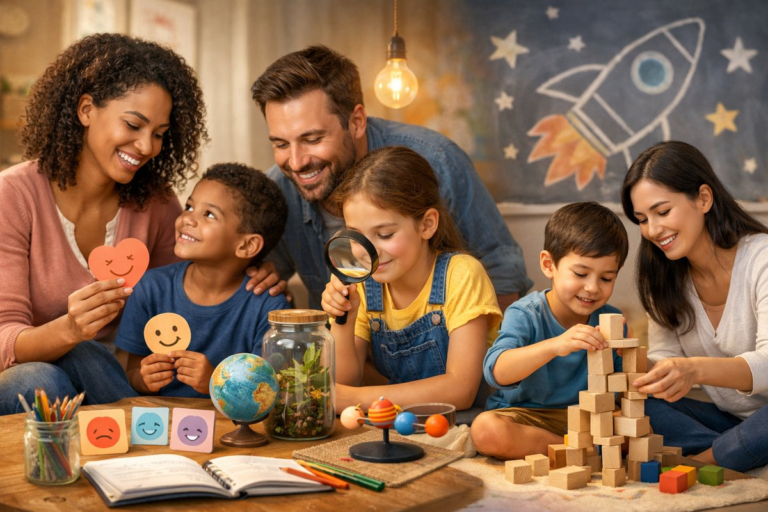
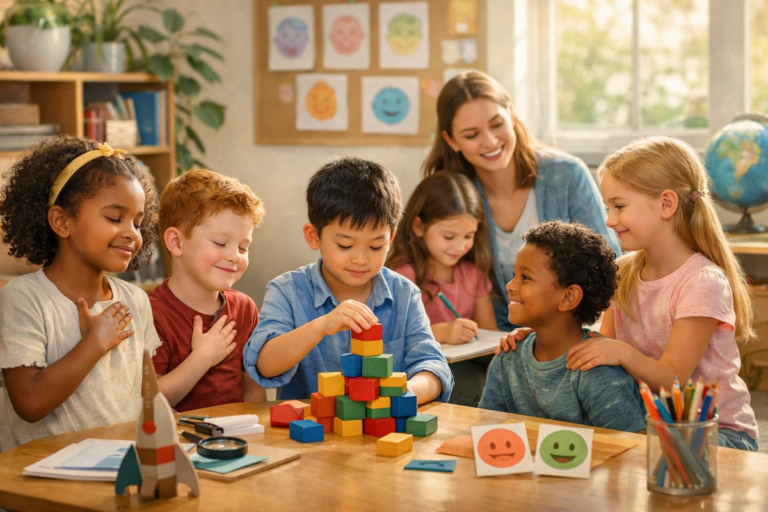
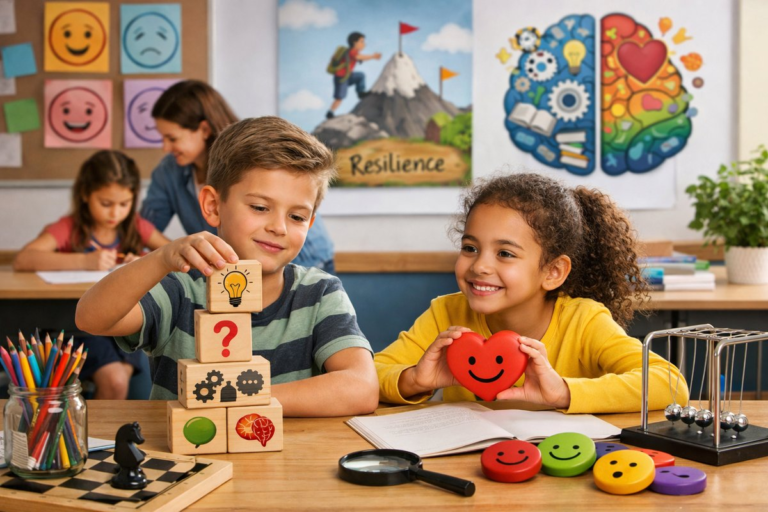
Across neighborhoods, families and community educators are blending playful activities with emotional coaching to support whole-child development. By pairing classic building sets with feelings charts and creative stations, parents report deeper engagement and smoother days at home.
In communities across the country, parents and educators are rethinking playtime at home and turning it into an integrated experience that weaves together cognitive skills and emotional growth. Recent pilot programs in local school districts and parent networks have introduced storytelling corners, block-building challenges, and reflective circle time as a way to nurture both the mind and the heart. These programs extend beyond traditional instruction by inviting children to explore feelings alongside shapes, numbers, and letters.
A recent study at a major university found that children who engage in play-based learning activities coupled with emotional check-ins display higher levels of self-regulation and creativity. Families who integrate a simple routine-building a wooden structure, then naming the feeling it evokes-report calmer afternoons and more open conversations. By giving youngsters the agency to design their own constructions and pair them with emotional words, parents say they observe a surprising confidence boost in their little architects.
One pioneering parent group has set up rotating learning stations at home. In the living room, a child-sized art easel stands beside a set of magnetic alphabet letters. In the corner, a feelings chart hangs within reach, and on the coffee table sits a deck of emotions flashcards. When nine-year-old Ruby finishes drafting a journal entry about her day, she glances at the chart to describe whether she feels ‘proud’, ‘anxious’, ‘excited’, or ‘frustrated’ before choosing a matching flashcard to place on her artboard.
Across the hallway, a set of wooden building blocks prompts open-ended challenges: build the tallest tower in under two minutes, then pause and name three words that describe how it felt to succeed or collapse. These micro-experiments in resilience allow children to discover cause and effect, spatial reasoning, and the vocabulary needed to describe disappointment when a carefully balanced structure falls over.
Experts in early childhood development say that creating these moments of pause is crucial. By offering a brief pause between action and reflection, caregivers guide kids toward greater self-awareness. This practice of naming emotions after a hands-on activity has been linked to stronger social skills in group settings and fewer meltdowns when routines shift unexpectedly.
Creative materials are invitations to dialogue. A small jar of non-toxic modeling clay sits on the dining table, along with simple sculpting tools. Parents encourage their children to shape a clay representation of today’s mood before bedtime. As little hands press and roll, caregivers ask questions like Which color best matches how you feel right now? and What can we do to turn this shape into something that feels happier?
Many families report that integrating these tools reduces screen time without increasing parental stress. Instead of reaching for a tablet when a toddler balks at bedtime, parents offer a plush chart featuring illustrated faces and emotion words. Even children who struggle with verbal expression can point and select the icon that matches mood, fostering a sense of agency and understanding.
Sustainability advocates in these parent communities emphasize choosing eco-friendly materials. Solid wood resources-such as natural building blocks-often outlast their plastic counterparts and pass down from sibling to sibling. Local toy swaps have become popular, allowing families to exchange gently used items and refresh the play lineup without buying new products. One community garden even hosts a quarterly tool exchange where families trade gardening sets, art supplies, and educational games while enjoying tea and conversation.
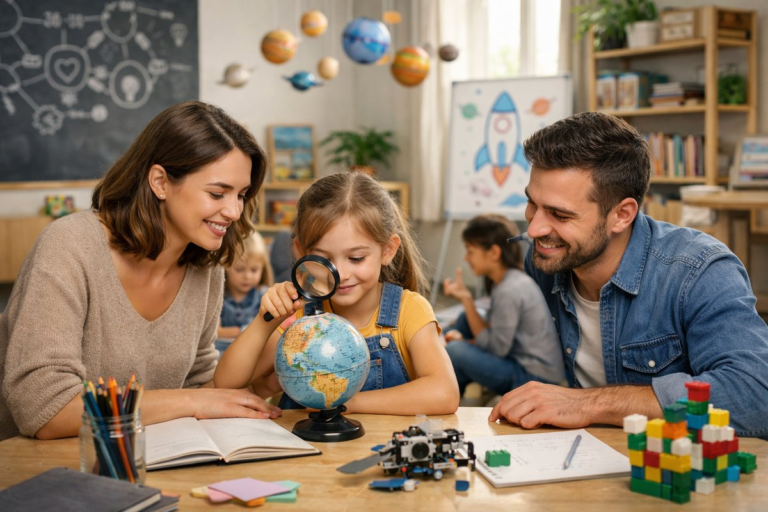
For parents keen on blending geography lessons with emotional insights, an interactive globe sits on a low shelf. Children spin the globe, land on a country, then describe how they imagine people there might feel during harvest season or a festival. A parent leads a short conversation about cultural practices, asking What do you think children in that place might celebrate? Before moving on, they encourage the child to choose an emotion word that connects to the imagined scene.
In many home setups, magnetic alphabet letters become more than literacy tools. They double as mood magnets when caregivers add small emotion stickers to each letter. Before or after spelling out a word, kids place the sticker next to the letter that best represents their energy level-whether they feel eager, calm, or tired. This twist invites mindful reflection in the midst of a spelling exercise.
The art easel station also doubles as a safe space for doodling feelings. Parents supply large pads of paper and washable markers. When a child draws a spiral or scribble, the caregiver and child can discuss textures and emotions-Is this swirl more like excitement or confusion? Would you give it a happy color or something darker? This dialogue helps build emotional literacy alongside creative expression.
For families juggling work-from-home schedules, a simple rota for station setup helps keep engagement high without overwhelming caregivers. One parent reports designating Mondays for block-building and emotions flashcards, Tuesdays for clay sculpting, Wednesdays for magnetic letters and writing prompts, and so on. This predictable rhythm allows siblings to anticipate the next day’s theme and maintain a sense of stability.
School districts observing these home experiments are taking notice. Some local after-school programs now incorporate emotional check-ins before academic homework. A community center in a small town recently launched an evening workshop where children and parents rotate through stations featuring puzzles, feeling wheels, and plant-growing kits. At each stop, a volunteer prompts the young learner to share one word that describes their current mood.
Child psychologists applaud this blended approach, noting that many traditional educational models focus on academic milestones but overlook emotional readiness. By introducing simple tools-feelings charts, interactive globes, clay, and magnetic letters-parents and educators can create richer, more connected learning environments. Kids learn that their thoughts and emotions matter just as much as their answers on a worksheet.
Looking ahead, some communities plan to expand these initiatives into neighborhood libraries and youth clubs. A handful of teachers have proposed loaning home-learning kits stocked with art easels, emotion flashcards, and wooden blocks so families without easy access to resources can participate. The hope is that every child, regardless of background, can experience a learning environment that celebrates both curiosity and emotional intelligence.
As home learning continues to evolve, parents find that the most powerful lessons arise when the tactile and the emotional meet. A simple stack of blocks, a circle of feeling words, or a clay shape in hand can open doors to creativity, conversation, and compassion. By weaving these tools into daily routines, families are cultivating a generation of thinkers who build not only structures, but also self-awareness and empathy.