Location
Mount Vernon, WA 98274

Location
Mount Vernon, WA 98274
A growing wave of parents is combining tactile toys and guided emotional moments to nurture critical thinking and resilience in early childhood. Recent studies highlight how simple storytelling dice, sensory blocks, and mindfulness prompts turn everyday play into powerful learning experiences.
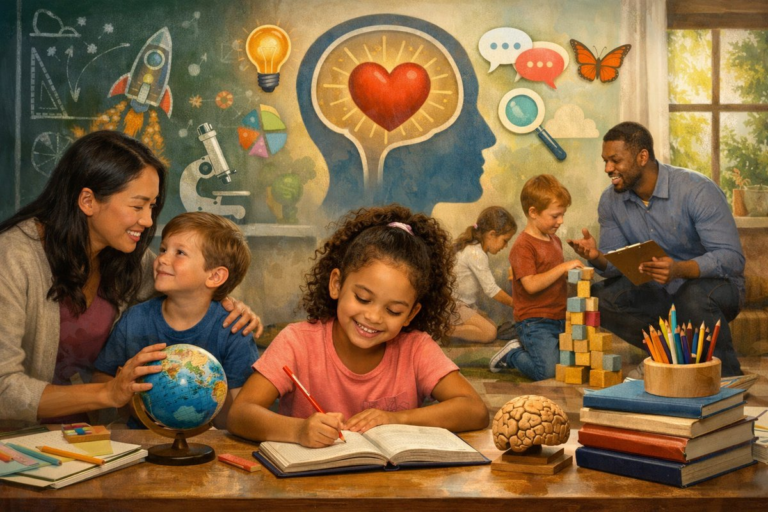
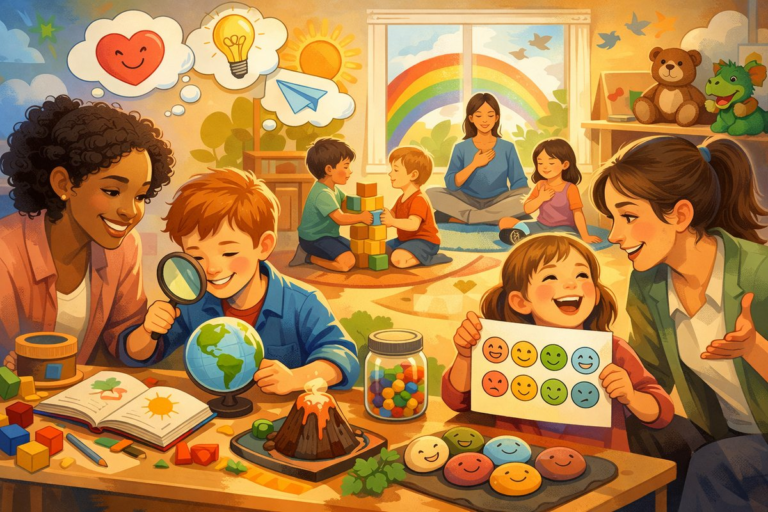
Families around the world are reimagining the home as a laboratory for both cerebral growth and emotional insight. In living rooms, kitchens, and backyards, parents are swapping passive screen time for hands-on experiments with sensory blocks, storytelling dice, and guided breathing breaks. The goal? To spark curiosity and agency in children while giving them language for big feelings.
This movement reflects new findings in developmental psychology. A study published last month in the Journal of Early Education reported that toddlers who engage in tactile play alongside brief, structured emotional check-ins show a 25 percent boost in problem-solving tasks compared to peers who only play freely. Researchers credit the combination of sensory exploration and verbal reflection for strengthening neural pathways that bridge cognition and self-awareness.
“When children manipulate shapes, they learn spatial reasoning,” explains one child development specialist. “When they pause to name an emotion after tossing a storytelling die, they reinforce verbal skills and emotional vocabulary. It’s a holistic approach that honors the interconnectedness of thinking and feeling.”
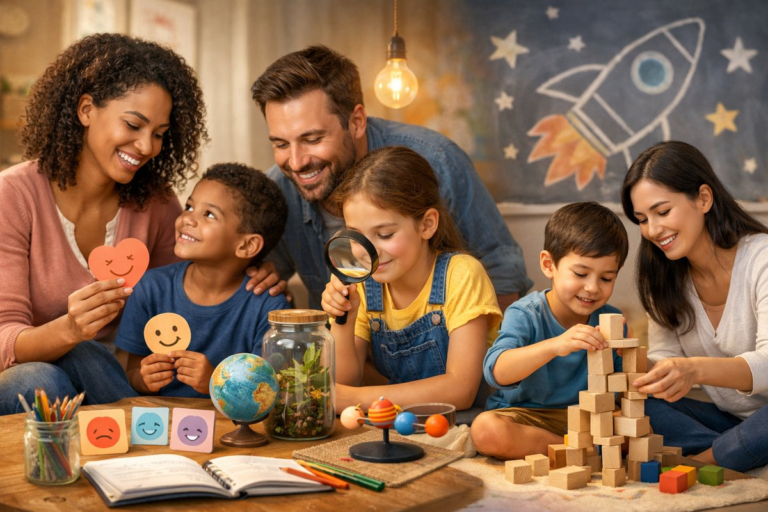
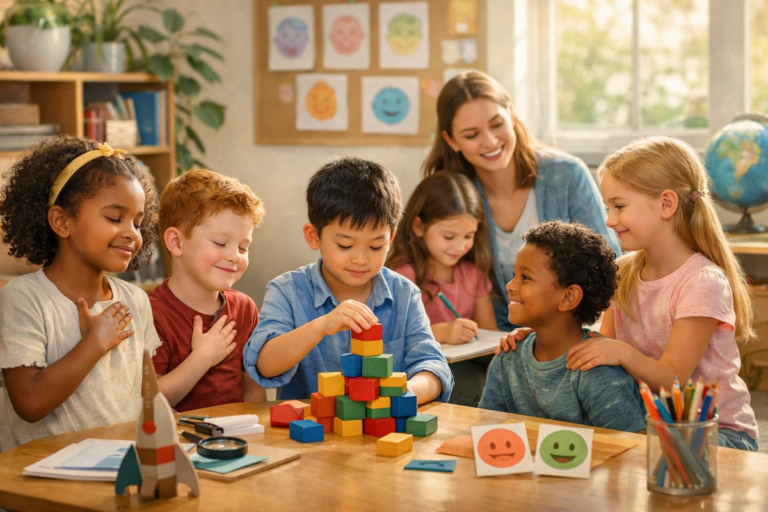
Back in family kitchens, parents have become playful architects of this synergy. One mother chronicles her morning ritual on social channels: her preschooler arranges magnetic building blocks to form a bridge, then draws a card illustrating a feeling-joy, frustration, curiosity-and describes how crossing their homemade bridge might feel. The routine wraps engineering challenges inside a safe emotional sandbox.
Educational entrepreneurs have taken note. Mess-free drawing mats in vibrant colors let little ones trace shapes, chart basic maps, or sketch imaginary creatures. Once the marker dries, parents can introduce a “feelings storyboard” exercise, where the child assigns a mood to each character in their doodle. This simple twist weaves creative confidence with emotional intelligence.
Another rising star is the interactive story dice set. Each cube depicts a scene or character-an adventurous cat, a rainstorm, a floating balloon. Children roll the dice and weave improvised narratives, while parents gently prompt them: “How do you think the cat feels when it sees lightning?” These spontaneous prompts cultivate empathy and imaginative thinking in every tale.
Textbook publisher data shows that sales of emotion-based flashcards soared by 40 percent over the past year. Families report using them as lunchbox surprises or bedtime conversation starters. One dad hides a card under his child’s plate; finding it sparks a shared conversation about the day’s highs and lows-an emotional debrief disguised as a game.
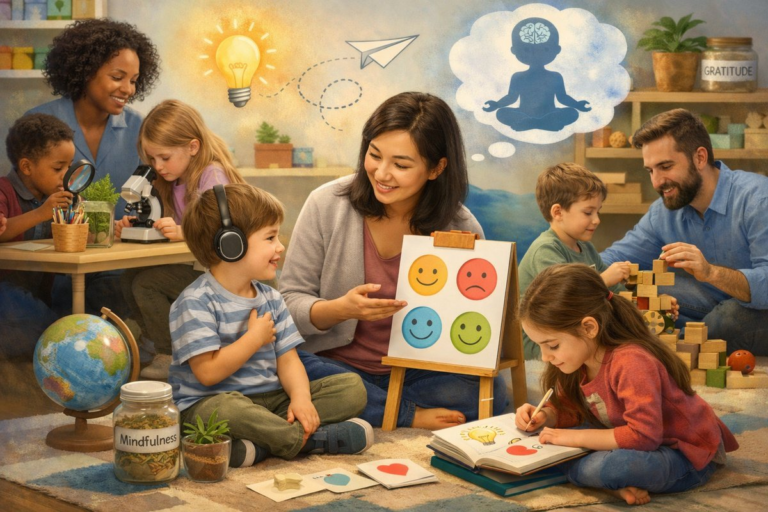
In many homes, the living room doubles as a mindfulness studio. Parents guide short breathing sessions between play segments, using chimes or soft instrumental tracks. These micro-pauses break up the day’s frenetic pace and help children name bodily sensations-fast heartbeat, tense muscles-before linking them to emotions like excitement or anxiety. The practice improves focus and self-regulation, laying groundwork for academic tasks ahead.
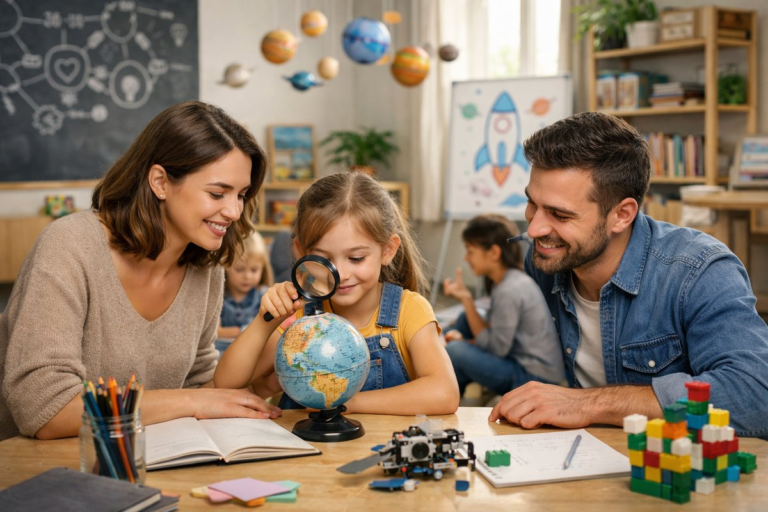
Local community centers are also adapting. Drop-in parent-child workshops now feature tables laden with tactile puzzles, water-drawing mats, and emotion card decks. Educators circulate, modeling how to weave reflective questions into play: “What colors would you choose if you were feeling brave today?” “Which block shape looks sad to you, and why?” This peer environment gives families fresh ideas and social reinforcement.
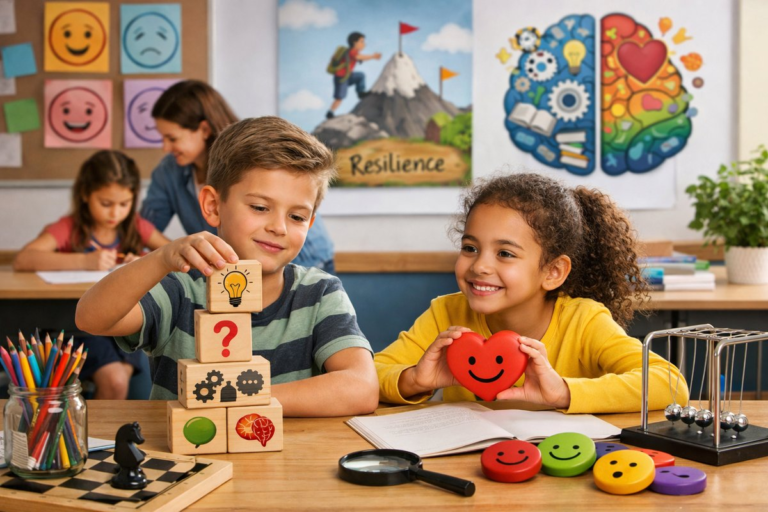
Behavioral scientists emphasize that these practices address more than early-childhood milestones. Emotional literacy fosters resilience in the face of challenges, while playful problem-solving builds confidence to tackle unfamiliar tasks. When children know they can make mistakes in an emotionally supportive setting, they develop a growth mindset-viewing setbacks as learning opportunities rather than failures.
The sustainability aspect of modern learning tools also resonates with conscious parents. Bamboo-based building tiles, recycled-paper flashcards, and non-toxic silicone drawing mats are growing in popularity. These materials align with family values around environmental stewardship, ensuring that play doesn’t come at the planet’s expense.
Meanwhile, digital helpers have evolved beyond passive videos. Some apps deliver brief guided meditation audio designed for young minds, with narrators who prompt listeners to imagine roots growing from their seated bodies or clouds drifting overhead. Used in moderation, these digital tracks complement physical play and help introduce mindfulness vocabulary.
Even mealtime has found its place. A simple placemat printed with emotion icons invites children to circle how they feel before eating-and again afterward. Parents report that this tiny ritual creates space for open dialogue about stressors or successes, strengthening family bonds and teaching kids to check in with themselves regularly.
Importantly, experts caution against overscheduling or turning every moment into a lesson. “Balance is crucial,” notes a pediatric educator. “Children still need unstructured playtime where they lead. Emotional tools are supplemental, not replacements for free exploration.” The aim is to seed curiosity rather than harvest performance.
For parents wondering where to start, experts recommend selecting one or two tools that align with their child’s interests. If a toddler loves stacking, introduce magnetic blocks alongside a prompt to describe how the tower might feel if it starts to wobble. If storytelling holds sway, blend narrative dice with a short breathing break before or after each round.
Success stories are already emerging. One family reports that their shy preschooler, who struggled to express frustration, now uses emotion cards to articulate when a puzzle proves tricky. Another parent shares that daily five-minute mindfulness sessions have noticeably calmed bedtime routines, reducing stalling tactics and fostering deeper rest.
As this blended approach gains traction, child psychiatrists and educators are tracking its impact. Early data suggests that kids exposed to multisensory play and emotional labeling outperform peers on measures of adaptive coping and social engagement by age six. The research underscores a simple truth: nurturing young minds requires equal attention to thought and feeling.
In the end, the most powerful learning tools may be the ones that inspire both wonder and empathy. Whether through building blocks that spark spatial reasoning or emotion prompts that spark self-awareness, parents are discovering that playful moments can leave lasting cognitive and emotional footprints. And in a fast-changing world, those footprints may guide children toward a future defined by curiosity, resilience, and heart.
affiliate_products:
[
{
“name”: “Interactive Storytelling Dice Set”,
“description”: “Six wooden dice featuring characters and scenes to inspire spontaneous narratives and emotional discussion prompts.”
},
{
“name”: “Magnetic Building Tiles”,
“description”: “Durable, colorful geometric tiles that connect magnetically for open-ended construction play and spatial reasoning.”
},
{
“name”: “Emotion Learning Flashcards for Kids”,
“description”: “A deck of illustrated cards showcasing a range of feelings, ideal for reflection games and lunchbox surprises.”
},
{
“name”: “Waterproof Silicone Drawing Mat”,
“description”: “Reusable doodle surface with non-toxic marker; wipes clean for endless creative mapping and storyboarding.”
},
{
“name”: “Guided Mindfulness Audio Tracks for Children”,
“description”: “Downloadable sessions featuring child-friendly narratives and gentle soundscapes to support daily breathwork.”
},
{
“name”: “Children’s Memory Matching Game Cards”,
“description”: “Double-sided cards combining cognitive puzzles with emotion icons to reinforce memory and feeling vocabulary.”
}
]