Location
Mount Vernon, WA 98274

Location
Mount Vernon, WA 98274
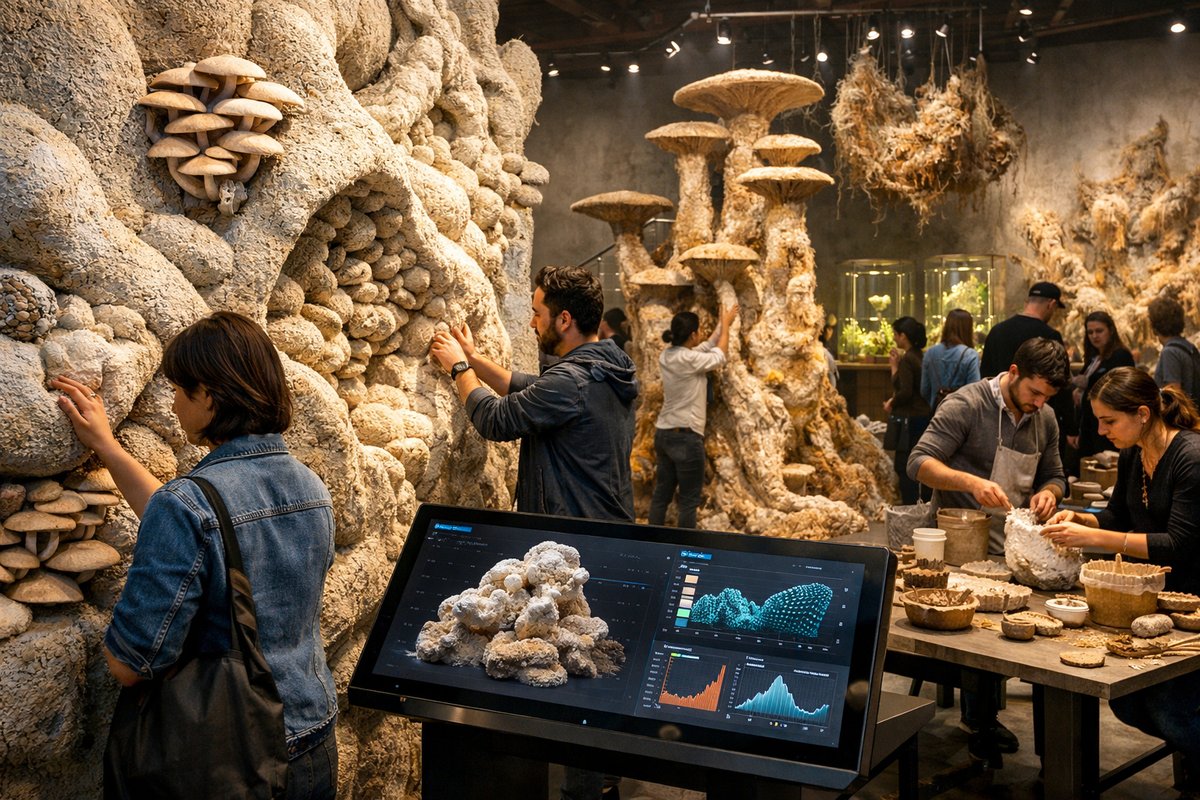
A groundbreaking biennial exhibition transforms gallery walls into breathing, evolving sculptures as artists and mycologists collaborate on large-scale mycelium installations. Visitors can shape living forms, monitor spore growth via digital interfaces, and join hands-on workshops to craft biodegradable art pieces that blur the line between design and ecology.
The vast atrium of the City Museum has been transformed into an organic cathedral of living forms, where tendrils of white mycelium weave through custom scaffolds, and spores drift through filtered beams of light. Fungal Futures, the inaugural Mycelium Biennial, opened to critical acclaim this week, showcasing how fungi-long hidden beneath forest floors-are stepping into the limelight as both medium and muse for contemporary artists and designers.
In recent years, interest in mycelium has surged beyond laboratory benches and packaging start-ups. According to industry analysts, global investment in mycelium-based materials topped $200 million last year, with applications in insulation, furniture, and even leather substitutes. Artists at Fungal Futures harness these filamentous networks to craft structures that breathe, decay, and regenerate, inviting visitors to witness the full arc of living design.
Dominating the center of the hall is Spore Cathedral, an ambitious installation by an anonymous collective who worked with wood frame specialists to create soaring arches of biodegradable panels. Each panel is inoculated with a unique fungal strain, selected for its rapid growth and sculptural density. Over days, the installation thickens into porous surfaces that modulate acoustics, dampening conversation into hushed whispers. The title hints at an ambiguous sanctity: visitors report a meditative hush as they step among the columns, mindful of the delicate ecosystem they’re traversing.
Curators joined forces with a team of mycologists to ensure structural integrity and visitor safety. They monitor humidity, temperature, and CO₂ levels around the clock, tuning climate controls to mimic a forest understory. “Mycelium offers tensile strength comparable to certain plastics,” notes one researcher, “but it’s fully compostable at the end of its life cycle.” That cradle-to-cradle potential resonates with designers striving for zero-waste models.
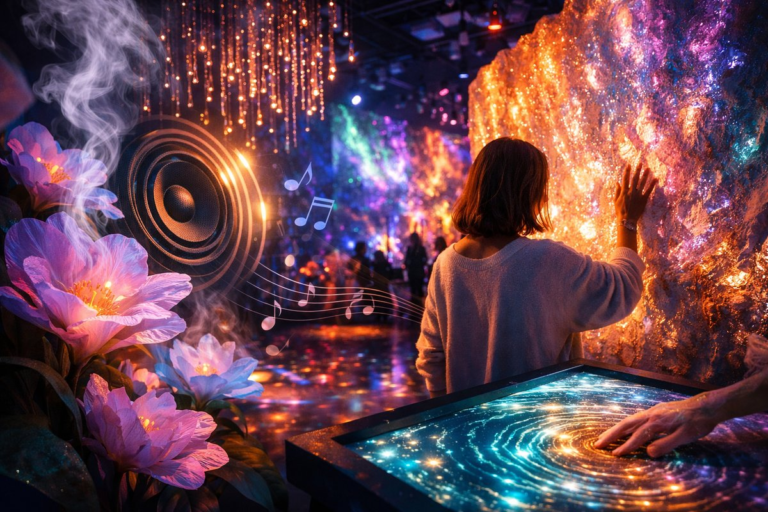
Along one gallery wall, a series of transparent terrariums hosts digital time-lapse displays. Visitors adjust knobs on a touchscreen interface to regulate light cycles and airflow, watching slender hyphae pulse in response. This interactive station blurs the line between spectator and caretaker: a real-time record of a living sculpture shaped by human choice.
Another highlight, Urban Mycelium Mapping, features an array of small basins inoculated with airborne spores collected from across the city. Each basin captures a unique urban microbiome-from subway platforms to rooftop gardens. LED panels reveal intricate growth patterns, inviting reflection on how fungal networks mirror human infrastructure. The project underscores a broader narrative: fungi have quietly shaped ecosystems and human culture for millennia, but only now are we learning to harness their design logic.
Fungal Futures extends beyond static installations. In a pop-up lab at the museum’s west wing, facilitators guide visitors through crafting their own mycelium bricks. Using mason jars filled with sterilized sawdust substrate, participants inoculate with spawn, then press the mixture into silicone molds. Over a few days, these custom forms fuse into firm, lightweight blocks that can be used as planters or even small stools.
Once the public workshops wrap, museum staff collect surplus substrate to donate to community gardens, where the nutrient-rich material enriches urban soil. “Turning waste into growth is the heart of this exhibition,” says the lead educator. By closing the loop between creation and compost, Fungal Futures offers a model for sustainable community engagement.
Designers and architects are already eyeing the outcomes. A recent pilot in Amsterdam repurposed mycelium panels from an earlier symposium as acoustic ceiling tiles in a co-working space. The panels attenuate noise while improving indoor air quality. This real-world application suggests that living art can inform practical design solutions in everyday environments.
Yet bringing living sculptures into public venues isn’t without challenges. Contamination by unwanted molds can compromise structural cohesion, prompting strict sterilization protocols and regular inspections. Regulatory frameworks around the transport and display of living organisms remain murky, requiring curators to navigate health and safety guidelines that vary by municipality.
Looking ahead, the dialogue between art, mycology, and technology hints at even more adventurous paths. Researchers are exploring genetic tuning to create fungi that fluoresce in different colors, opening doors to bio-light installations. Others plan to integrate bio-signals from fungal networks with ambient soundscapes, translating hyphal activity into evolving musical compositions.
For many attendees, the emotional resonance lies in witnessing a living process. “I watched my jar bloom overnight,” says one visitor, referring to the pop-up workshop. “It felt like I was collaborating with another species.” That sense of interdependency-where human creativity meets fungal intelligence-lies at the heart of Fungal Futures.
As the biennial draws to a close, organizers hope the exhibition will serve as a blueprint for future living-design platforms. By bridging art, ecology, and community participation, Fungal Futures underscores the power of curiosity and collaboration in shaping more sustainable futures. Visitors depart not only with memories of spore-lit halls but with tools and inspiration to cultivate living art in their own backyards.