Location
Mount Vernon, WA 98274

Location
Mount Vernon, WA 98274
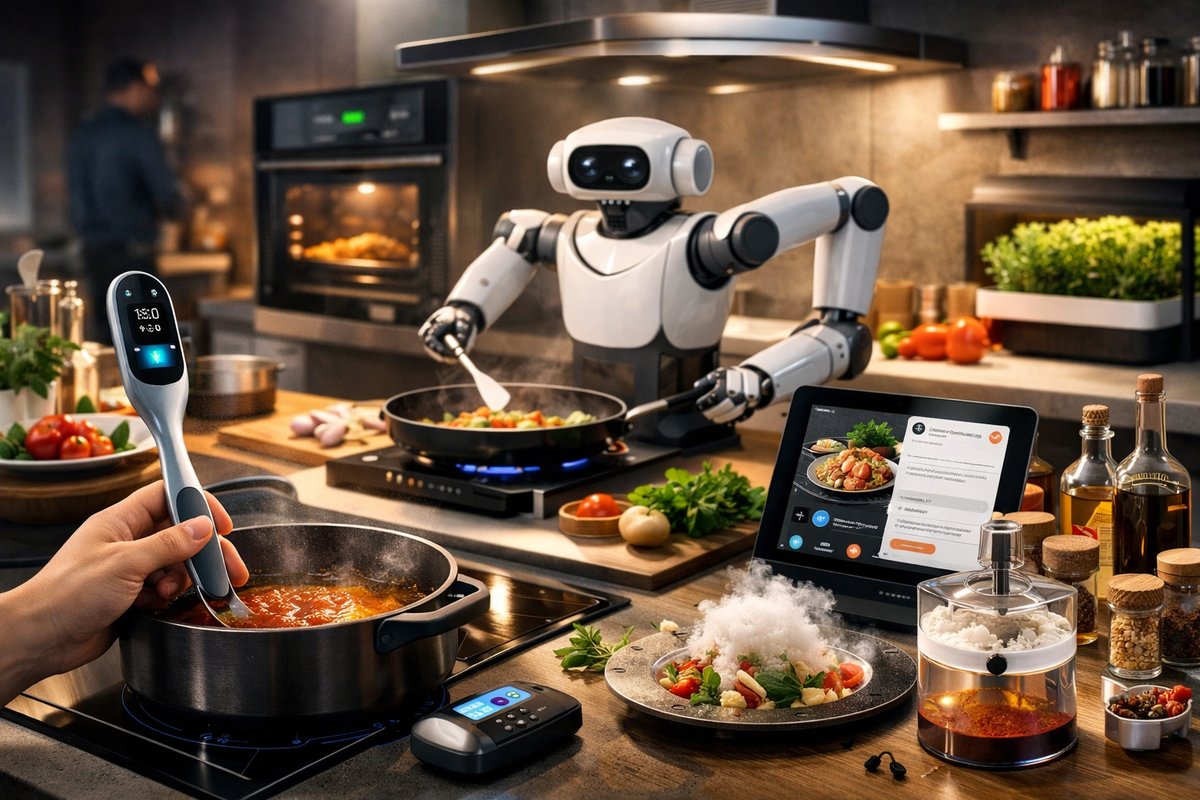
Home kitchens are turning into high-tech flavor laboratories as sensor-packed utensils, AI-powered recipe assistants, and collaborative cooking robots reshape how we prepare and enjoy meals. Dive into the latest tools, ingredients, and rituals that bridge tradition and innovation for curious cooks and playful palates alike.
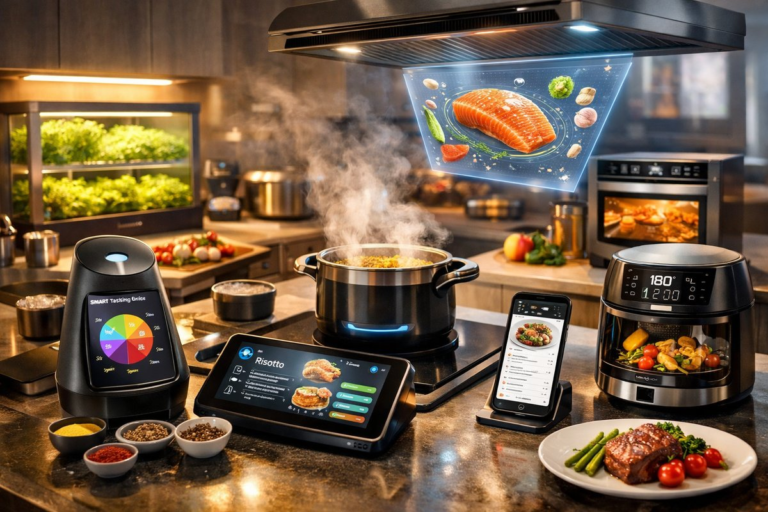
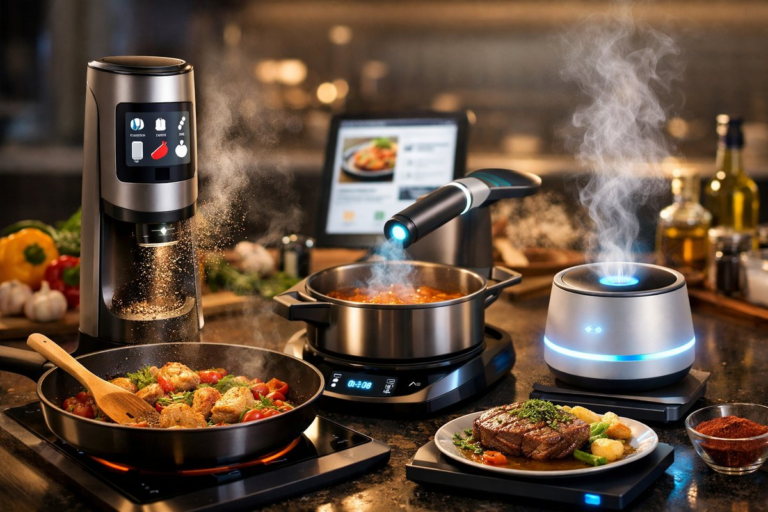
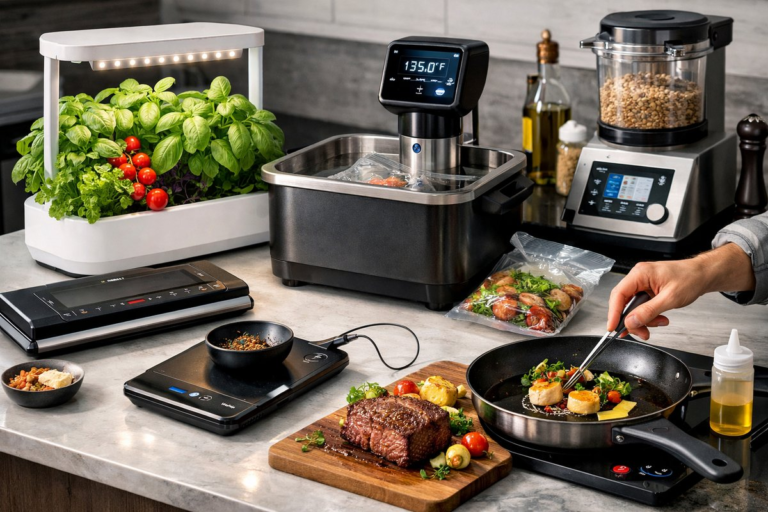
Julia steps into her kitchen as though crossing the threshold into a culinary laboratory. A sleek immersion circulator hums gently in a water bath next to a transparent vacuum chamber. On the countertop, a sensor-studded cutting board pulses softly, guiding her knife along pattern markers that ensure perfectly even slices. As she layers vegetables for her dinner stew, a small tabletop device releases wafts of rosemary and toasted garlic to heighten her sense of taste. This is no sci-fi set. It’s the modern home kitchen-where gadget and gastronomy meet to transform meals into multisensory adventures.
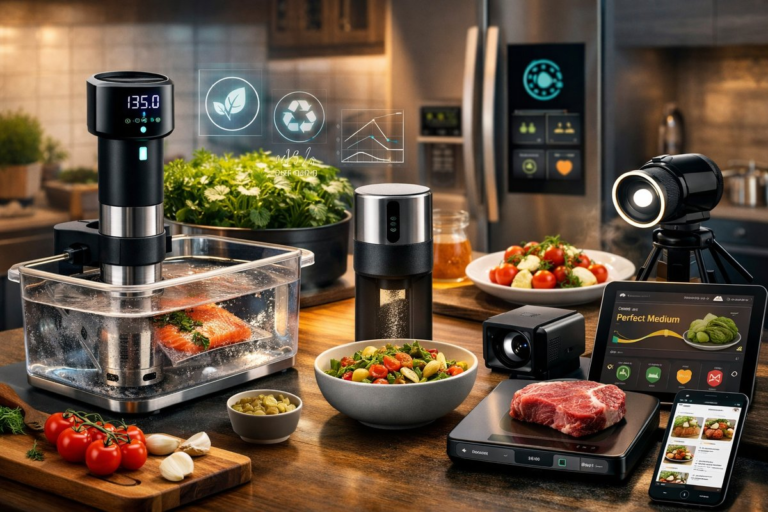
Across the globe, home cooks are embracing a surge of kitchen technology designed to make cooking more precise, sustainable, and delightful. From smart scales that pair with recipe apps to robotic arms that assist with repetitive tasks, today’s tools blend sensors, algorithms, and automation to elevate every step of the process. Yet this wave of innovation isn’t about replacing human creativity; it’s about amplifying curiosity, reducing waste, and sparking new rituals around food.
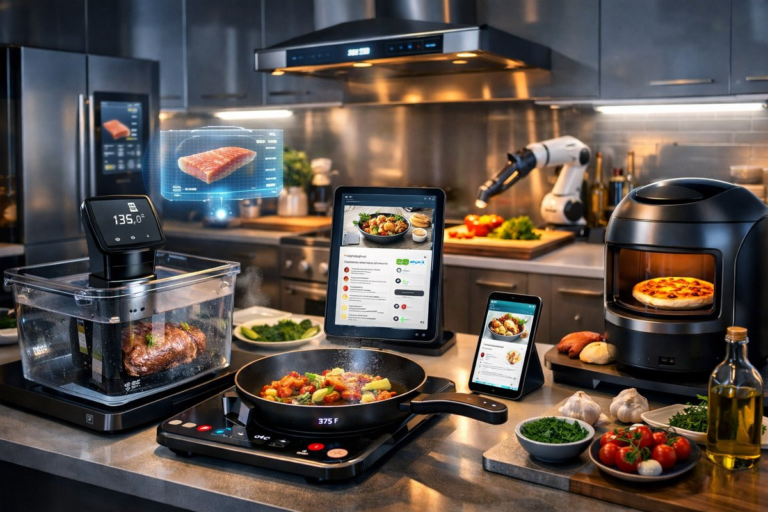
Imagine a pan that senses temperature and moisture in real time, adjusting the heat to prevent scorching while tracking flavor compounds released as you stir-fry onions. Or consider a countertop appliance that monitors fermentation via pH sensors to guide you through perfect yogurt, kimchi, or sourdough each time. These sensor-laden utensils feed data into smartphone dashboards, helping home chefs learn from each batch and build a digital flavor journal. Over time, patterns emerge: perhaps your ideal braise calls for a slower temperature ramp and a brief high-pressure sear at the finish. That knowledge becomes a reliable shortcut, freeing you to experiment with new spice blends instead of babysitting the stove.
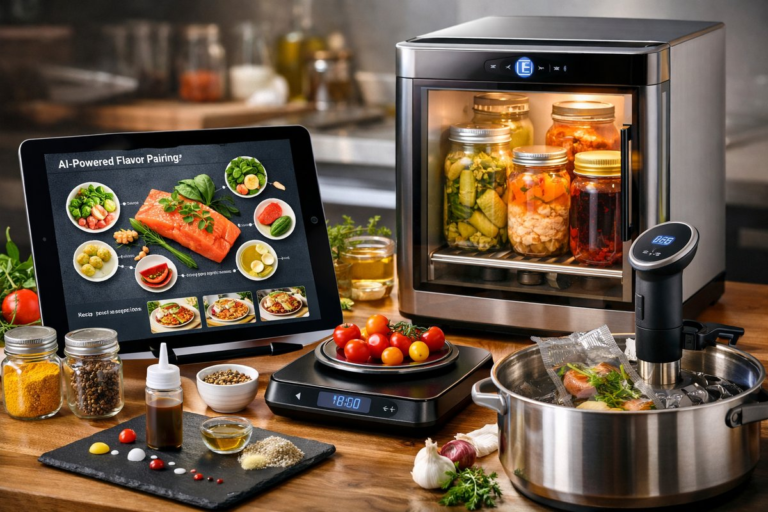
Behind the scenes sits artificial intelligence learning from millions of anonymous cooking sessions and public recipe databases. AI-driven assistants can suggest ingredient swaps based on dietary goals or pantry inventory, plan weeklong menus to minimize waste, and even simulate how flavors will meld under different cooking conditions. Drop a photo of a lonely zucchini on the counter, and your virtual sous-chef will propose a half-dozen ways to use it: roasted ribbons with garlic oil, grilled fritters with herb dip, or spiralized noodles tossed in sesame-miso sauce. What once required thumbing through cookbooks becomes an instant brainstorming session guided by data and taste science.
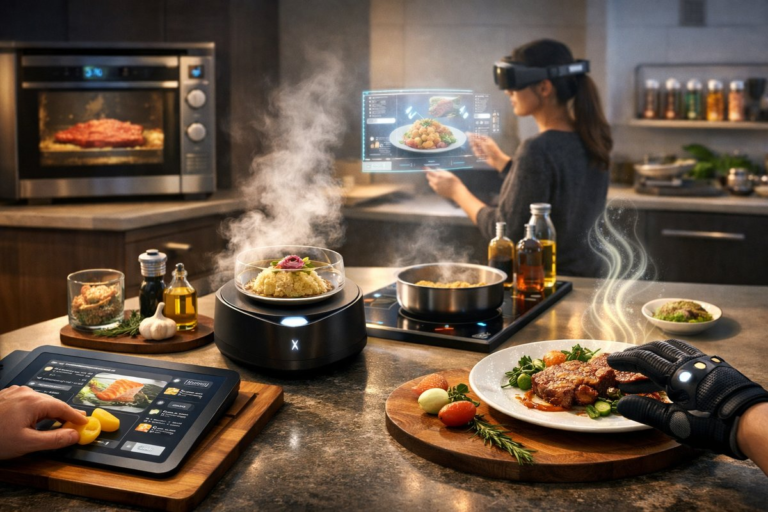
The rise of multisensory dining pods further expands the kitchen’s horizons. Lightweight headsets or directional speakers deliver ambient soundscapes-rainforest chirps for a Thai curry or crackling firewood for a smoky barbecue rub-while small aroma diffusers release curated scent notes that complement each dish. Researchers have shown that sound and smell dramatically influence perceived flavor, so a humble vegetable soup can taste richer when you hear a gentle creek and inhale fresh basil. These augmentations elevate everyday meals into immersive micro-experiences, forging emotional connections through richer sensory interplay.
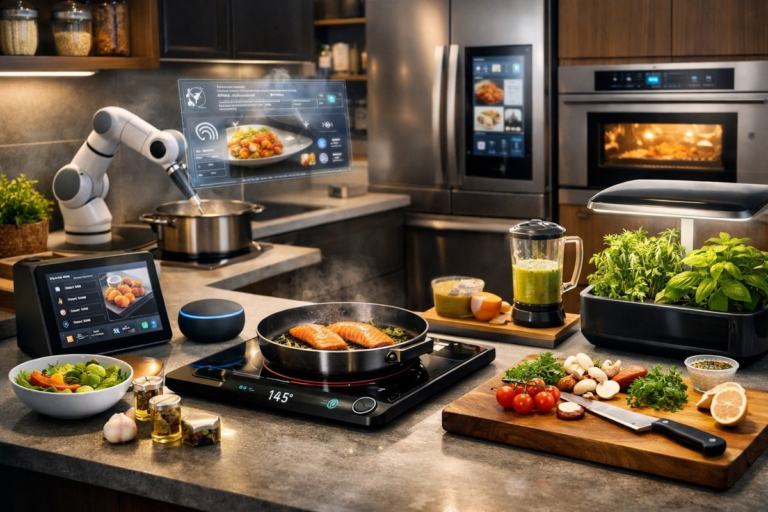
Robotic assistants also find a place in the home realm. Compact mechanical arms equipped with grippers and suction cups help with repetitive or heavy tasks: kneading dough, whisking egg whites to stiff peaks, or holding pans in precise positions under heat sources. Some prototypes even remember your preferred whisking angles and speeds, ensuring consistent emulsions for mayonnaise or hollandaise. These helpers work alongside you-never replacing the artful chef’s touch but offering extra hands when you’re juggling multiple dishes or hosting a dinner party.
Sustainability lies at the heart of many of these advances. Smart compost bins track food scraps, analyze moisture and decomposition rates, and send notifications when it’s time to turn or harvest nutrient-rich soil. Ingredient-precision systems dispense only what a recipe needs, cutting back on excess yields and packaging waste. Digital shopping lists update in real time as ingredients deplete, preventing last-minute grocery store runs and impulse buys that end up tossed. Even water-use monitors on faucets and induction cooktops help households reduce consumption as they track cooking patterns over weeks and months.
Yet with more data flowing from kitchen sensors and apps, privacy becomes a key concern. Today’s leading platforms emphasize local data storage and anonymous analytics so users retain full control over their culinary footprint. Your spice preferences, family favorite recipes, and personal dietary restrictions remain encrypted on in-home hubs unless you explicitly choose to share them for community-wide improvements. In a world where every screen and device vies for personal information, the kitchen can be a sanctuary of sensory discovery rather than a beacon for targeted ads.
Culinary educators and food historians also find new opportunities in this tech-rich environment. Digital recipe archives capture oral traditions passed down through generations, storing video clips and annotated line drawings that students can replay in augmented reality overlays. Instead of reading that grandma’s stew needs “a handful of parsley,” learners see an AR ghost-hand demonstrate exactly how much herb to chop. Culinary schools integrate these tools to help novices build confidence before they ever handle a live flame.
Meanwhile, experimental food scientists probe the boundary between natural ingredients and engineered sensations. Ultrasonic emulsifiers create silky-smooth sauces in seconds, while cold plasma jets sterilize surfaces without chemicals, letting home fermenters push flavors in new directions with lower risk. Food-printing attachments transform pureed vegetables, grains, or legumes into decorative lattice structures that crisp up under a conventional oven or air fryer. Though these techniques may seem niche now, early adopters predict a broader DIY molecular gastronomy wave coming to home kitchens within a few years.
The economics of kitchen tech are shifting, too. As components become more affordable and software moves to subscription-free models, accessible entry points emerge for budget-minded cooks. Open-source recipe platforms and DIY sensor kits let tinkerers build their own smart utensils, fueling a maker culture around flavor hacking. Neighborhood workshops host pop-up classes on everything from 3D chocolate printing to ultrasonic pickling, bridging the gap between hobbyists and the next generation of food entrepreneurs.
Looking ahead, the most compelling innovation may simply be the new rituals these tools inspire. Gathering to calibrate a communal fermentation crock, comparing flavor journals over video chat across continents, or collaborating on a recipe playlist that adjusts heat and seasoning for different skill levels-these practices reflect a modern desire to connect around food while honoring tradition. High-tech gadgets become vessels for creativity and community, not just trend pieces on Instagram feeds.
As you ready your own kitchen for this next wave, consider the moments you want to elevate: a midweek pasta dinner, a weekend brunch, or a holiday feast where even the gravy is crafted through precision temperature control. Tools that respect the environment, safeguard your data, and spark joyful exploration will ensure that every meal becomes a memory. After all, flavor itself is the ultimate adventure-one that thrives when we blend curiosity with craftsmanship and technology with heart.
Savory Tomorrow Awaits