Location
Mount Vernon, WA 98274

Location
Mount Vernon, WA 98274
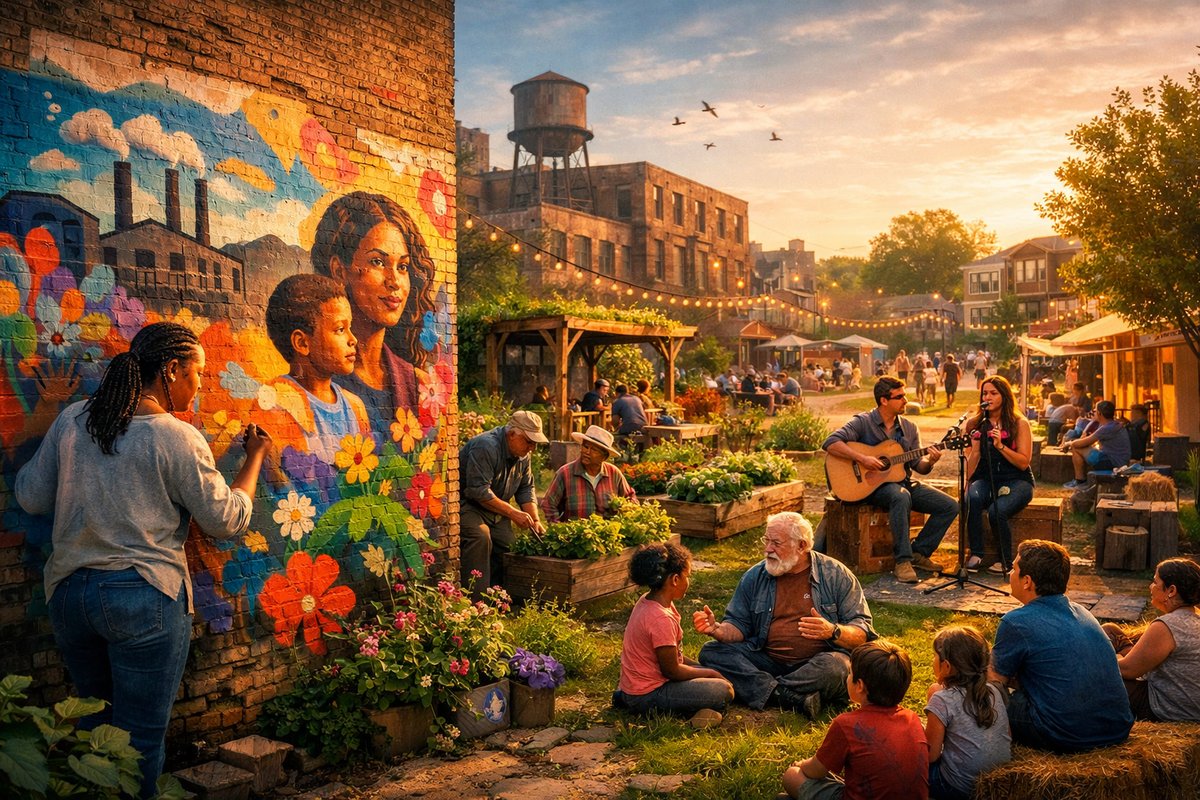
In a once-forgotten neighborhood shaken by factory closures and rising isolation, residents have woven new bonds through art, storytelling, and shared green spaces. This piece explores how a grassroots initiative transformed hopelessness into collective courage and renewed purpose.
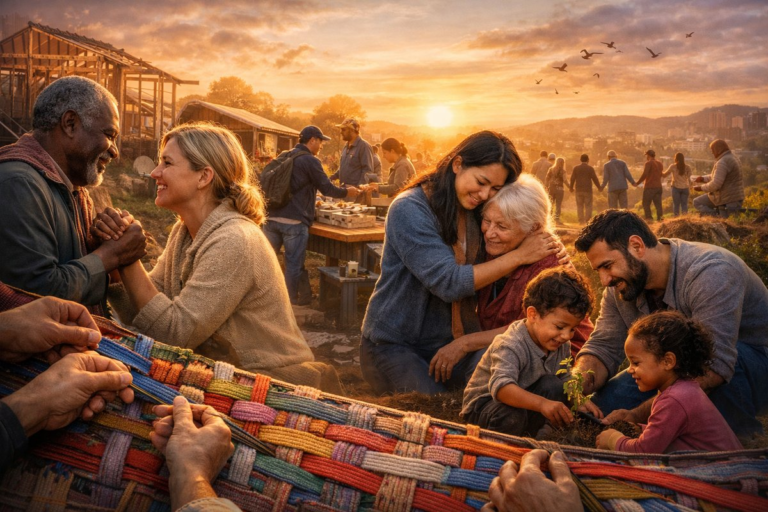
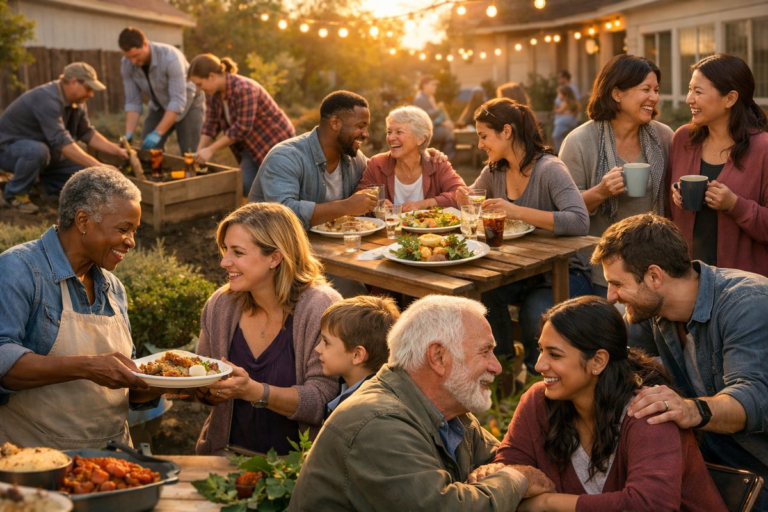
In Westbrook Heights, abandoned factories once stood silent as the heartbeats of an industrial era slowed to a halt. When the last assembly line shut down, unemployment in the neighborhood tripled in under two years, and with it came an ache of failure that spread through families and quieted the streets. Yet today, locals gather at a refurbished community center to paint vibrant murals, share personal narratives under string lights, and plant herb gardens in reclaimed lots. Their story is one of collective resilience and the quiet courage to rise again.
Just two years ago, Westbrook Heights was emblematic of stalled opportunity: boarded-up storefronts, empty playgrounds, and dinner tables left unfilled. Mental health professionals reporting in regional surveys noted a 40 percent increase in anxiety and depression among residents. According to county data, one in three households faced food insecurity, and local schools saw attendance drop by nearly 15 percent. Amid that despair, a handful of neighbors asked a simple question: What if art, conversation, and green life could reignite a sense of belonging?
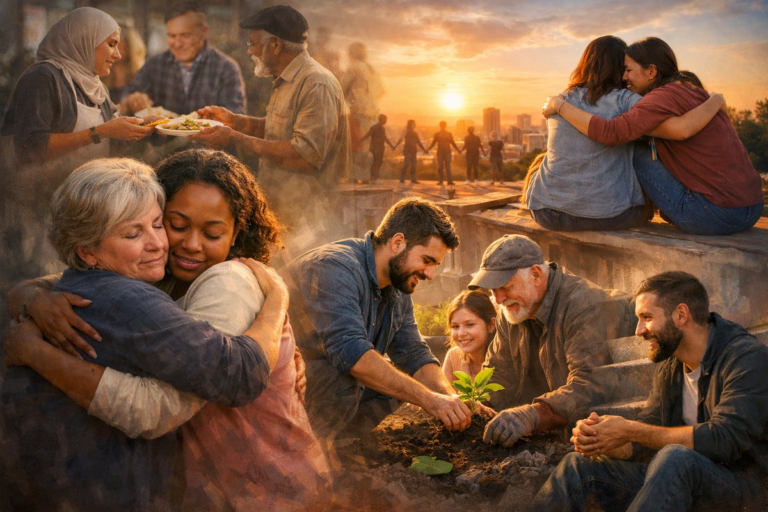
It began in a cramped basement of the old civic hall. A former teacher, known simply as Elena, organized an evening of open-mic storytelling. She encouraged each person to bring an object that represented a turning point in their life: a faded sports medal, a broken wristwatch, an old recipe card. In dim light, voices trembled and rose with emotion, revealing hopes deferred and the raw edges of resilience. One man spoke of losing his job and discovering a talent for sketching; another described finding solace in baking bread for neighbors. By the end of the night, strangers were hugging, wiping tears, and promising to help one another.
From that first gathering sprang a network of pop-up events held every week: painting workshops in vacant lots, writing circles under oak trees, and evening concerts performed by amateur musicians. Organizers tracked attendance; by month six, more than 200 unique individuals had taken part. The air buzzed with the swirl of paintbrushes and laughter, as community volunteers brought in water-based acrylic paint sets and homemade sketchbooks. Parents who once feared stepping outside after dark now strolled hand in hand to poetry readings under LED fairy lights that drew soft halos across renovated brick walls.
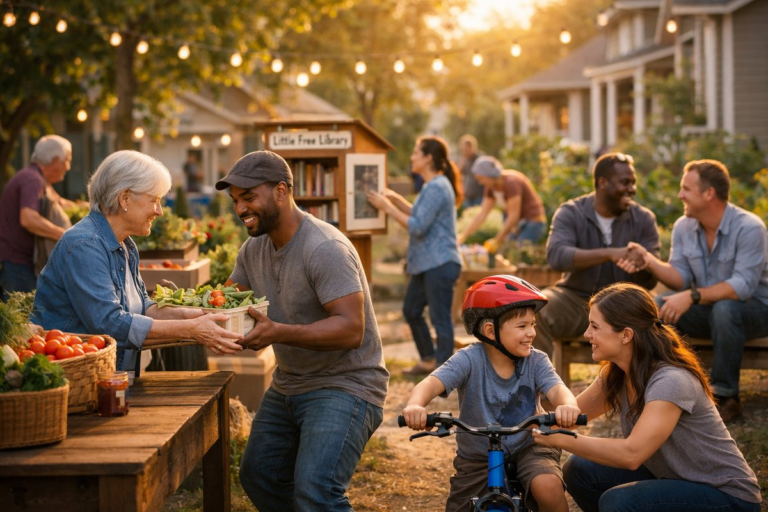
One mural now spans the side of a former hardware store: a cascade of oranges, greens, and blues depicting hands reaching toward one another, as though bridging invisible rifts. Sponsored by a small grant from a regional arts council, the project employed local youths to prime the wall and mix colors. “We were tired of walls that talked about decline,” says Malik, a teenager whose first job was mixing paint. “So we made a wall that shouts about possibility.” Nearby, herb planters brimming with basil, sage, and mint advertise an upcoming community garden workshop. The garden initiative shipped in seed kits and DIY planters, inviting families to cultivate not just vegetables but trust and conversation.
Amid these creative sparks, organizers recognized the importance of capturing voices. They provided portable audio recorders to volunteer “storycatchers,” who conducted impromptu interviews with elders and newcomers alike. Their recordings feed into a monthly podcast that reaches listeners well beyond neighborhood boundaries. Episode themes range from “Lessons from Grandparents” to “Facing Failure with Open Hands.” Downloads doubled in recent months, signaling that many outside Westbrook Heights hunger for real-life tales of overcoming hardship.
Dr. Priya Shah, a community psychologist studying the initiative’s effects, reports measurable improvements in social cohesion. “We’re seeing a 25 percent decrease in reported loneliness,” she notes, “and significant upticks in self-reported life satisfaction. When people share stories, when they create side by side, they reaffirm their dignity and purpose.” Shah’s team plans to publish a study later this year, citing the project as a model for other post-industrial towns.
Success has not come without obstacles. A sudden winter storm wiped out half the young sprigs in the garden plots, and a funding gap once threatened to pause workshops. But each setback prompted neighbors to rally: those with extra firewood distributed warm meals to workshop sites, while a local carpenter donated time to build sturdier planters. A fundraising drive sold hand-painted postcards depicting neighborhood landmarks, and donations trickled in from philanthropists moved by the podcast. “Every time we hit a wall,” says Elena, “we found that someone brought a ladder.”
On a recent Saturday, the revamped civic hall brimmed with activity once more. In one corner, children painted canvas tote bags for a neighborhood swap; in another, a group gathered around a long table, writing letters to absentee residents. The letters spoke of longing for return, of memories and hope for renewal. Nearby, a rotating exhibit displayed photographs documenting the year’s journey: before-and-after shots of derelict spaces becoming places of gathering, rows of seedlings sprouting, and beaming faces at open-mic nights.
Perhaps most striking is the bond between generations. Retirees who once felt sidelined now lead history-sharing workshops, pulling out old family albums and sepia-toned photographs. Young adults partner with them to digitize the images and weave them into multimedia presentations. The intergenerational exchange is credited with reducing age-related isolation: local senior centers report a 30 percent increase in attendees for weekday programs.
As winter softens into spring, plans are underway for a “Harvest of Stories” festival in the park. The two-day event will feature live painting, storytelling tents, guided herb-tasting walks, and a communal poetry slam. Organizers aim to welcome thousands of visitors, showcase regional artisans, and generate funds to expand community initiatives into neighboring districts.
“Resilience isn’t a solo act,” reflects Malik as he loads brushes into his backpack. “It’s a symphony of voices, tools, and green shoots. When we lift one another, we all grow.” Residents speak of newfound confidence-parents volunteering as mentors, teenagers organizing youth councils, and neighbors setting up small businesses. A local café reopening next month pledges to donate a portion of its profits to the community center.
In Westbrook Heights, the ache of past failure has transmuted into a promise of collective renewal. Through art, stories, and the simple act of planting seeds, neighbors discovered that purpose can flourish even in the coldest soil. Their journey underscores the universal truth that human bonds are among our most vital resources-and that hope, once kindled, can illuminate even the loneliest corners.
In the glow of shared creativity and mutual support, Westbrook Heights stands as proof that ordinary people, united by compassion and curiosity, can rewrite narratives of loss into chronicles of triumph. Their story is not just news; it is a testament to the beautiful resilience that makes us profoundly human.