Location
Mount Vernon, WA 98274

Location
Mount Vernon, WA 98274
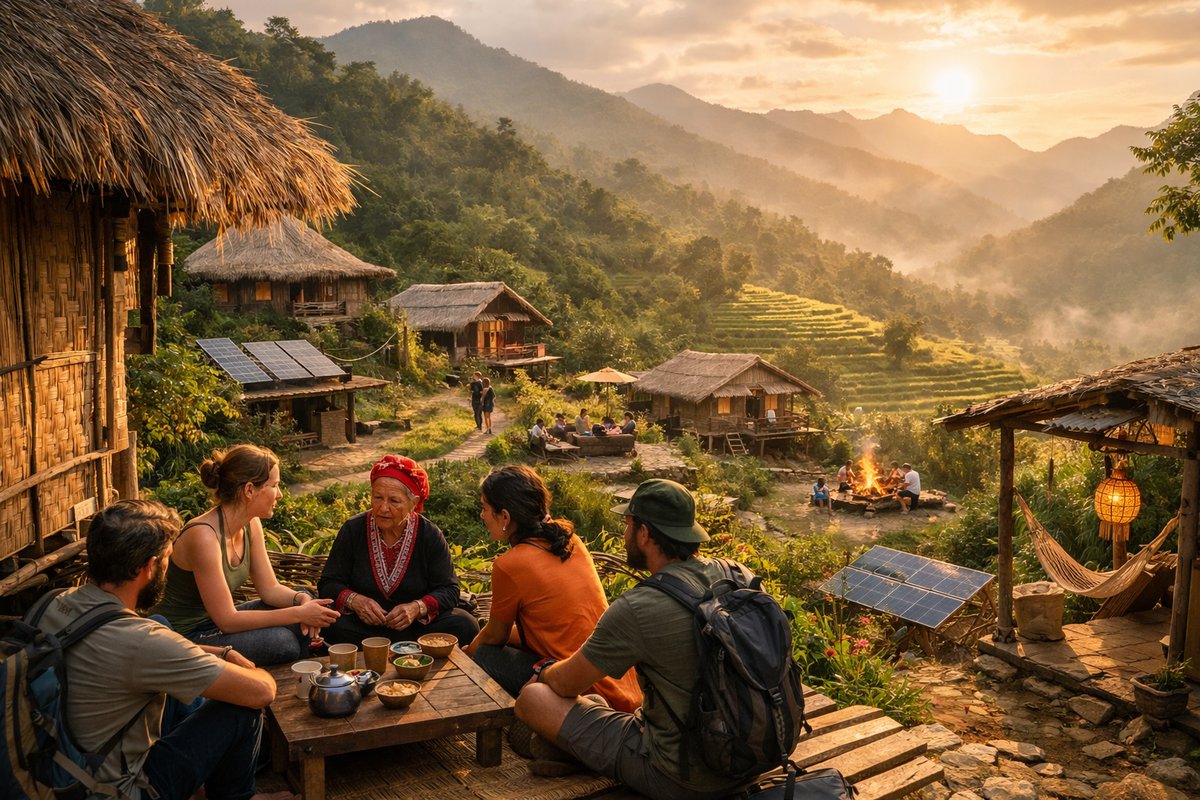
A new wave of intimate, community-driven lodging is emerging in off-the-grid hamlets around the world. Travelers craving authentic cultural exchange and low-impact adventure are turning toward eco-homestays that empower local hosts and preserve fragile landscapes.
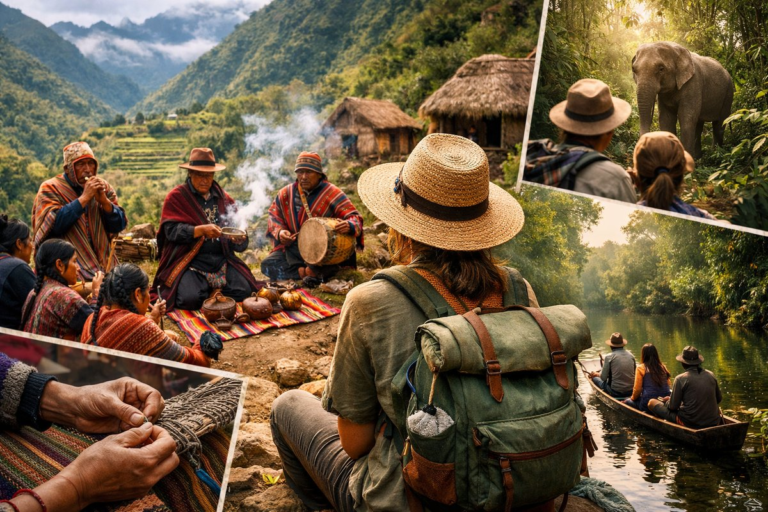
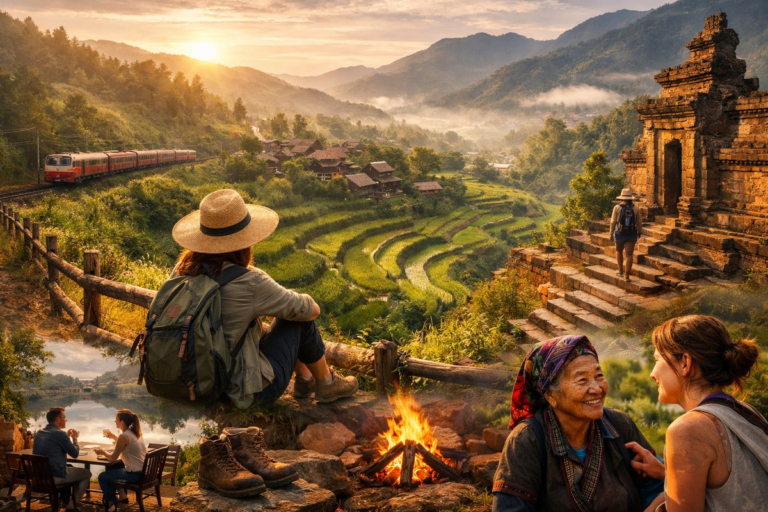
In valleys and hills far from highway billboards, a quiet revolution is reshaping the way we vacation. Across Europe, Asia, and North America, visitors are trading resort pools for family kitchens, guided tours for neighborly chats, and comfortable anonymity for personal connection. This new narrative of travel centers on eco-conscious homestays: rustic accommodations run by villagers who share not only a spare room, but also traditions, home-cooked meals, and stewardship of the land.
Once a niche option for backpackers, community-run homestays are emerging as a mainstream choice for conscious travelers. A recent survey by EuroTour Data found that nearly 40 percent of rural travelers in Europe now seek environmentally responsible lodging, and 30 percent say they are “highly motivated” by opportunities to immerse themselves in local culture. Travel analysts project a 20 percent annual growth in rural homestays worldwide this year, driven by a desire to offset carbon footprints and support small economies.
The trend is visible in the crumbling stone villages of Southern Italy. In the Apennines, a cooperative of five shepherd families opened spare rooms in hand-hewn houses with terracotta floors and olive-oil lamps. Hosts teach visitors how to shepherd sheep across mountain pastures, crush grapes in spring, and bake bread in wood-fired ovens. Guests often help tend vines, pick figs and sun-dry them, and master the art of making fresh ricotta. The cooperative’s income has doubled in two years, and local authorities hope that a trickle of new arrivals will halt the exodus of young people seeking urban work.
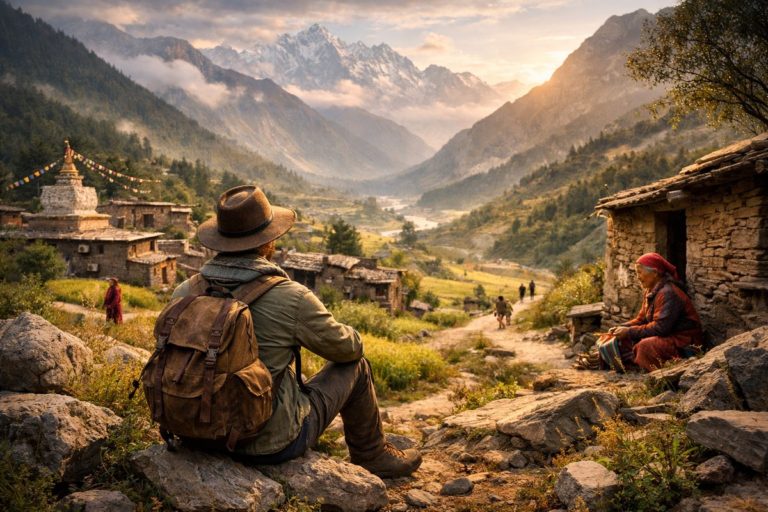
Further east, on a remote plateau in Japan’s Shikoku region, a grandmother-run farm welcomes travelers to tatami rooms and steaming bowls of miso soup. Here, the day begins with a tea-ceremony lesson and ends under a canopy of fireflies. Guests learn how to press soybeans into tofu, ferment vegetables for pickles, and forage for seasonal mushrooms. Many arrive with city stress and depart with renewed calm and a deeper appreciation for ritual. According to a report by Asia Travel Insights, 45 percent of visitors to homestays in rural Japan say the experience improved their mental well-being.
In North America, an initiative in the Appalachian Mountains has paired empty cabins once used for logging camps with local storytellers and craftspeople. Guests can help harvest wild blackberries, practice weaving with a local artisan, or join a moonlight hike led by an elder who recounts folk ballads. The program’s purpose is twofold: to revive forgotten crafts and to provide an alternate revenue stream for families living in counties where median incomes remain below the national average.
Travelers are drawn not just by the promise of rustic charm but by a shared commitment to sustainability. Most homestays operate on solar power, collect rainwater for irrigation, and compost kitchen scraps to feed backyard gardens. Many hosts have eliminated single-use plastics, replacing them with refillable dispensers and glass containers. Even local laundry is done with eco-friendly detergent made from soapberries, reducing chemical runoff into streams.
In each of these regions, bookings are managed through a decentralized online platform that verifies hosts and collects reviews. Unlike large booking sites, the platform charges minimal overhead, passing savings to families and keeping prices accessible. A typical night in one of these homestays ranges from $40 to $80 per person, all-inclusive, with home-cooked meals, guided activities, and local transportation.
For travelers eager to try this new approach, experts offer several practical tips. First, embrace simplicity. Many homestays have no Wi-Fi or sporadic cell service; bring a small solar charger to keep devices alive for emergencies. Second, pack reusable toiletries and a quick-dry towel. Third, learn a few greetings in the host’s language to show respect and open conversations. Finally, be prepared to participate: whether harvesting vegetables or joining a pottery session, guests become part of daily rituals rather than detached observers.
Some urban-based tour operators have introduced “homestay-circuit” packages that weave together stays in three or four villages over a two-week journey. These packages include insider access to local artisans, ingredient-sourcing expeditions at morning markets, and hands-on workshops in traditional crafts. Early feedback suggests these curated experiences appeal to both seasoned adventurers and families looking for meaningful, educational travel.
Local tourism boards have noted the positive impact of these guest-host relationships. In the Pyrenees, the regional council reports a 15 percent increase in visitor spending per capita, even as overall tourist numbers remain modest. Funds raised by homestays have been reinvested in community projects: restoring historic chapels, renovating village squares, and improving trail signage. Villagers say the new income has rekindled a sense of pride and encouraged youth to stay or return after studies.
Critics warn of potential drawbacks: over-promotion could strain small communities or drive up prices for longtime residents. To mitigate these risks, many homestay networks set annual visitor caps and require guests to apply several months in advance. Some use a lottery system to ensure fair access and avoid last-minute crowds.
Looking ahead, the movement shows signs of evolving further. A pilot program in Central America is training local entrepreneurs in eco-certification, so that homestays can market themselves under recognized green labels. Meanwhile, a tech startup is developing an offline-first booking app that syncs via satellite when connectivity is available, catering to the most remote locales. Travel writers predict that as this model spreads, it will inspire similar community-oriented stays in coastal fishing hamlets, highland ranches, and desert oases.
For now, eco-homestays remain a deliberate choice rather than a mass-market phenomenon. They appeal to travelers who seek more than Instagram snapshots-those who want to share stories by lamplight, learn age-old skills, and witness the rhythm of a place sung in a local tongue. In exchange, hosts receive a chance to preserve traditions, protect landscapes, and sustain families. When the road home begins, guests carry far more than souvenirs: they bring back a renewed sense of connection, a recognition that travel can be an act of stewardship, and perhaps a small jar of homemade preserves to recall the taste of a distant village kitchen.
As rural homestays continue to gain traction, they challenge the travel industry to rethink value. It’s no longer about luxury fixtures, grand lobbies, or centralized comforts. Instead, significance lies in the warmth of a welcome, the authenticity of shared meals, and the chance to step outside one’s routines. In the villages of the world, an alternative blueprint for tourism is taking shape-one small home at a time, one guest at a time, guiding us back to travel’s most human dimension.