Location
Mount Vernon, WA 98274

Location
Mount Vernon, WA 98274
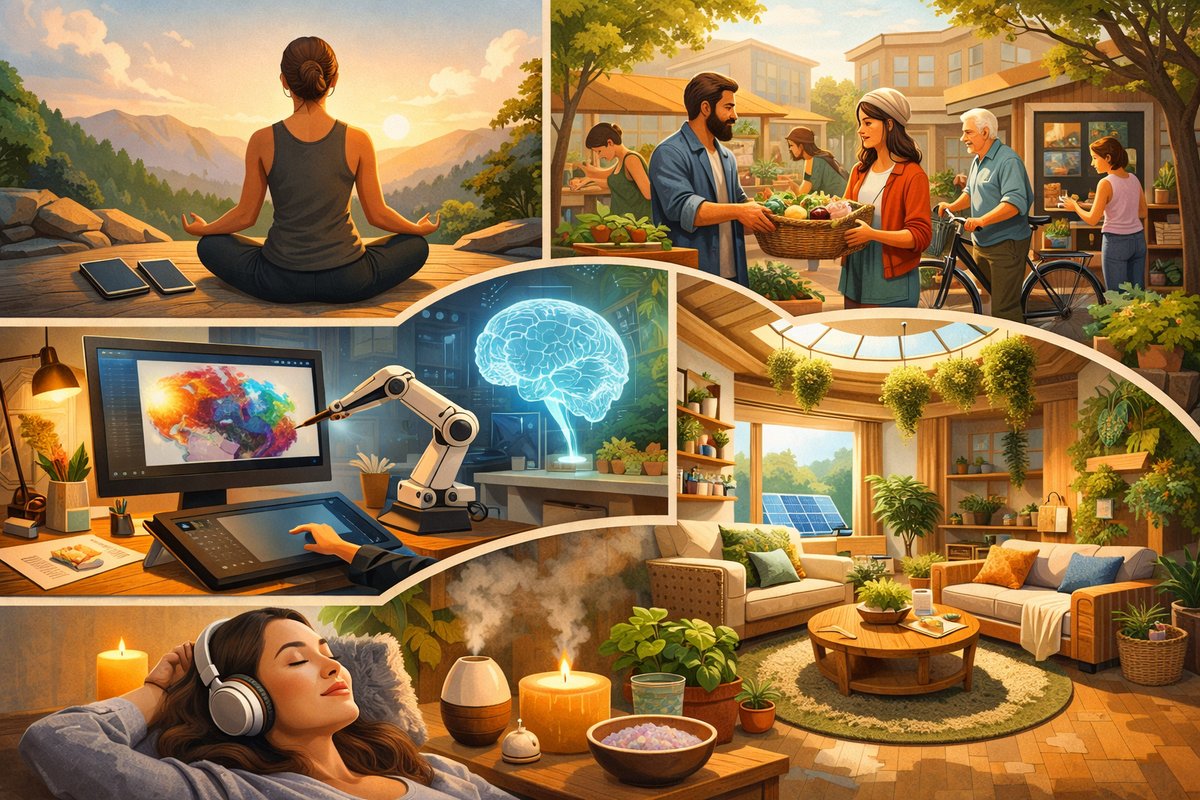
From deliberate screen fasts to neighborhood barter hubs, subtle shifts are rippling across how we work, create, and unwind. These five micro-trends-digital minimalism, hyperlocal networks, AI-assisted creativity, circular home design, and sensory self-care-offer glimpses of a future shaped by intention, community, and mindful experiences.
Every so often, society pulses with gentle currents rather than sweeping waves. Under the radar of mainstream headlines, small shifts in behavior and belief quietly accumulate strength, guiding how we spend our weekends, curate our living rooms, and even sculpt our inner landscapes. These micro-trends often escape early notice-no viral hashtag or boardroom mandate announces their arrival-but look closely and patterns emerge, revealing collective desires for connection, creativity, and a kinder pace.
The allure of always-on connectivity has dulled for a growing number of people who sense that relentless scrolling and notification chimes come with hidden costs. Rather than advocating a total rejection of technology, digital minimalism invites a more intentional rhythm: designated “screen-free” hours, weekly challenges to delete social apps, and analog rituals like printed “to-do” pads. In one coastal town, a small café has begun offering patrons free coffee in exchange for turning off smartphones at the counter-an experiment in rediscovering conversation without glowing screens.
This micro-trend draws on a deeper longing for focus and presence. Neuroscience studies have shown that frequent task-switching fragments attention, and even brief digital pauses can restore mental clarity. Apps that track screen time provide data, but real change comes from establishing personal boundaries: leaving phones in another room during dinner, carrying a physical paperback instead of an e-reader, or setting a gentle alarm to mark the end of a browsing session. Over time, these small resets accumulate, fostering calmer minds and richer face-to-face interactions.
When global e-commerce once held the promise of instant variety, some communities have circled back to neighbor-to-neighbor exchange. Online platforms dedicated to local bartering or tool lending let residents swap a power drill for gardening tips or offer homemade preserves in return for booking a dog-sitting session. These networks not only cut down on shipping and packaging waste but also nurture a sense of shared stewardship.
Across several urban districts, impromptu “swap shelves” have sprung up on sidewalks-weatherproof cabinets stocked with anything from cooking utensils to craft supplies. Passersby can pick what they need and leave what they no longer use. Because participation is voluntary and governed by a loose social code rather than strict rules, these mini-exchanges often breed unexpected friendships and neighborhood pride.
Beyond physical exchanges, digital forums dedicated to micro-communities prioritize hyperlocal news, lost-pet alerts, and informal skill shares. Instead of a sprawling feed of global content, members receive notifications about a nearby seed library event or a call for volunteers to repaint a community mural. The payoff is a more resilient social fabric, ready to support each other when challenges arise.
While headlines have fixated on generative models automating jobs, a lively countercurrent celebrates these tools as creative co-pilots. Writers experiment with AI prompts to overcome blank pages, budding musicians generate fresh chord progressions in seconds, and hobbyist designers refine patterns by tweaking algorithmic suggestions. Far from stifling artistry, many report that AI’s rapid ideation sparks confidence to pursue more ambitious projects.
Online workshops now combine traditional craft techniques-calligraphy, pottery, collage-with AI-assisted concept boards that translate mood words into color palettes or texture references. Virtual communities eagerly share “prompt recipes” that help architects visualize new façade treatments or educators develop interactive lesson graphics. As these approaches diffuse, AI becomes less of a mysterious black box and more of a familiar studio companion.
Yet participants emphasize the human touch: AI may sketch a draft, but real originality emerges when people iterate, annotate, and infuse work with personal stories. The underlying message is that creativity thrives when technology amplifies rather than replaces human intuition.
Beyond recycling bins, a growing movement invites homeowners to view furniture and décor as materials in motion-objects meant to evolve, repair, or transform rather than end up in a landfill. Online marketplaces dedicated to upcycled goods showcase coffee tables built from reclaimed wood, lamps repurposed from vintage glass bottles, and modular shelving made from salvaged metal pipes.
DIY influencers share step-by-step tutorials for reassembling thrift-store finds: sanding mismatched chairs until they match, painting worn dresser drawers in complementing tones, or converting old windows into greenhouse cloches for an indoor herb patch. These projects satisfy creative urges while reducing the demand for virgin materials.
Some neighborhoods even host community repair cafés where volunteers help neighbors fix broken electronics, sew torn clothing, or sharpen kitchen knives. By shifting the mindset from “discard and replace” to “restore and reimagine,” circular home habits slip into daily routines-whether that’s patching a favorite sweater or hosting a swap party for seldom-worn outfits.
Amid the clamor of modern life, seeking solace through curated sensory experiences has gained momentum. Rather than chasing the next luxury spa, many people craft micro-rituals at home: lighting a non-toxic wax candle scented with earthy botanicals, pairing that with a five-minute guided breathing session over soft ambient soundscapes, or slipping on a cool eye mask while listening to gentle rain recordings.
Portable Bluetooth speakers designed for clear mids and mellow lows make it easier to enjoy nature-inspired audio anywhere-from work cubicles to public parks. Meanwhile, smartphones stocked with sound-mixing apps let users layer forest noises with distant choir hums, ending up with a personalized backdrop that drowns out stress.
The appeal lies in accessibility. A quick sensory pause can occur on a train ride, in a lunch break, or before bed-and unlike costly treatments, these rituals rely on small tools and personal creativity. As more mental health experts highlight the benefits of deliberate sensory shifts, integrating self-care into daily life becomes less of a weekend indulgence and more of a sustainable mindset.
Taken together, these micro-trends sketch a portrait of a world slowly recalibrating toward intention, community, and multisensory awareness. There’s no grand manifesto uniting digital minimalists with upcycling advocates, yet each movement arises from a shared impulse: to reclaim agency over time, space, and attention.
In isolation, these shifts might seem modest-a neighborhood tool library here, an AI sketch there-but as they interweave, a new ethos emerges. We’re learning to move at a human scale, choose tools that enhance rather than dominate, and anchor our lives in relationships both with people and with the objects we surround ourselves with. In these understated whispers of change, the next chapter of daily life is quietly taking shape.