Location
Mount Vernon, WA 98274

Location
Mount Vernon, WA 98274
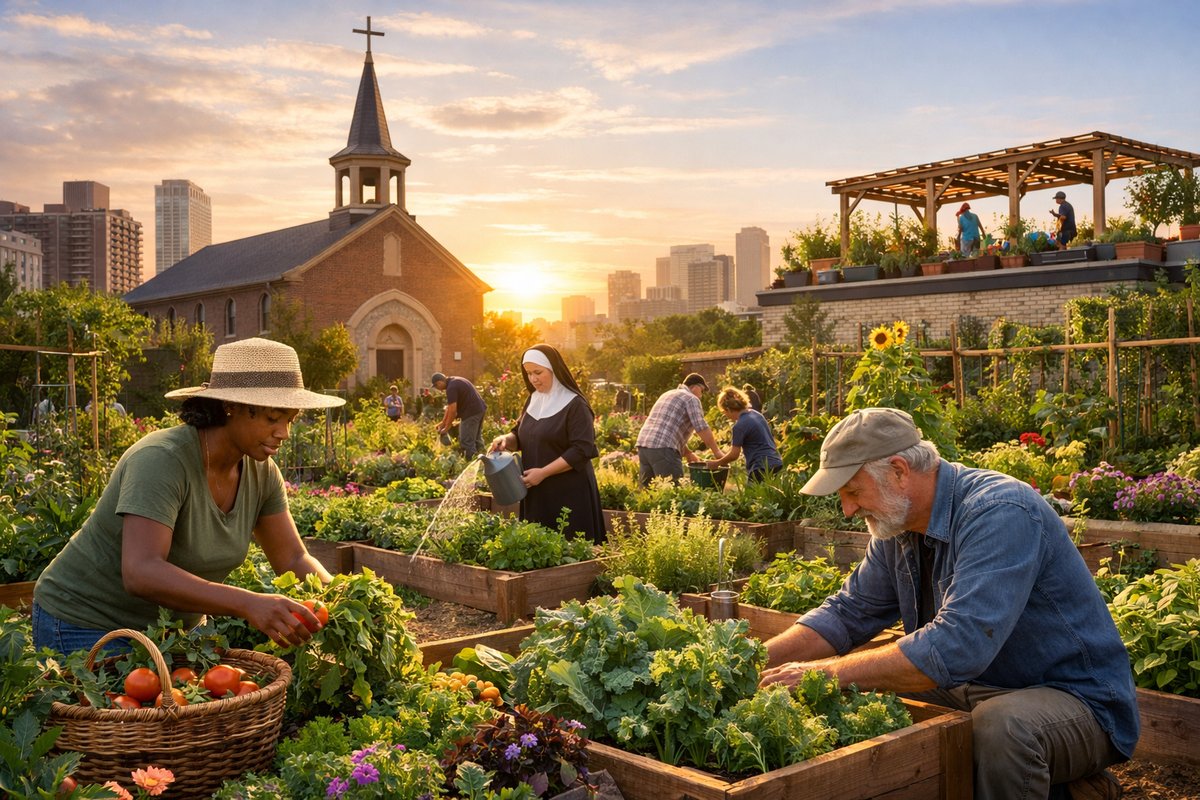
Across cities facing food insecurity, Christian congregations are transforming vacant lots and rooftops into flourishing community gardens. These green sanctuaries feed neighbors, nurture spiritual practice, and weave environmental stewardship into daily worship.
Across neglected lots and atop flat roofs in neighborhoods grappling with limited fresh produce, Christian communities are planting seeds of faith and fellowship. What began as a few raised beds behind a small urban parish has grown into a network of church-led garden projects that deliver fresh vegetables to food-insecure families, and offer green spaces for prayerful reflection.
In many cities, one in eight households struggles to access affordable, nutritious food. Local congregations have answered that challenge by converting underutilized spaces into verdant plots. In one mid-sized city, seven churches joined forces to clear debris, install raised garden bed kits, and build composting systems that recycle kitchen scraps into rich soil. Within months, kale, tomatoes, and squash were spilling over beds and into baskets for weekend distributions.
Volunteer coordinator Maria Lopez describes the gardens as both ministry and mission. “When families come to pick up fresh produce, they also receive a devotion card or an invitation to a short outdoor prayer service,” she explains. “It’s not just charity; it’s about hospitality-welcoming people into a space where creation itself becomes a source of spiritual encounter.”
Garden teams meet early on Saturday mornings. Children learn to water plants with gentle hoses, seniors carefully remove weeds, and teens label seedlings with handwritten tags. Each activity is tied to a short scriptural reflection posted on waterproof outdoor signage, guiding volunteers to consider themes like growth, patience, and stewardship.
Environmental care has long featured in church teachings. These urban gardens make creation care tangible: every watering can filled and every compost turn becomes an act of worship. By harvesting rainwater in barrels and using solar-powered grow lights in winter, congregations reduce utility costs and model sustainable practices for nearby residents.
Beyond the physical work, organizers are experimenting with digital tools to deepen engagement. QR codes anchored in stone pathways link to audio prayers recorded by lay leaders and video guides showing how to prepare the harvest for healthy meals. On social media, short clips titled “Garden Moments” share daily reflections, inviting followers to pause for a minute of gratitude amid busy schedules.
Partnerships with local food banks and nonprofits have amplified impact. One church donated half its harvest to a mobile pantry serving seniors; another exchanged weekly produce shares for cooking classes hosted in an adjacent community center. These collaborations ensure that fresh vegetables reach homebound individuals and families on limited budgets.
Workshops are central to the initiative’s educational thrust. Master gardeners and agricultural extension agents lead sessions on soil testing, companion planting, and pest management-skills that volunteers can take home to container gardens on balconies or window sills. Over time, participants report lower grocery bills and greater confidence in stewarding small green spaces.
In the first year, a coalition of six participating congregations supplied more than two tons of produce to local pantries, while hosting nearly a hundred worship-in-the-garden events. Attendance at midweek prayer walks grew as neighbors discovered quiet paths lined with basil and rosemary. Many spoke of unexpected moments when the scent of lavender or the sight of a hummingbird coaxed them into spontaneous prayer.
For some volunteers, the meditative quality of gardening has been healing. Survivors of trauma describe the rhythm of sowing seeds and watching sprouts emerge as a process of restoration. Pastors note fewer calls to crisis hotlines, attributing part of the improvement to the calming environment of soil beneath fingernails and sun on the face.
Challenges have emerged as well. Securing city permits for rooftop gardens can be time-consuming, and zoning codes sometimes restrict agricultural activity in residential zones. Fundraising for raised planters, tools, and irrigation systems requires creativity: bake sales, crowdfunded campaigns, and sermon series on generosity have helped bridge funding gaps.
When space is at a premium, container gardening has stepped in. Dozens of five-gallon buckets and repurposed wooden crates now line fences, sprouting herbs and peppers. Even potted lemon trees offer reminders of scriptural imagery-planting seeds that bear fruit for a hundredfold return.
One suburban congregation turned its church foyer into an indoor seedling station each spring, complete with grow lamps and seed-starting trays. Members drop in daily to tend young sprouts before they’re moved outside. Each tray features a laminated devotion linking the fragile seedlings to themes of resurrection and new beginnings.
In a compelling case study, a historic brick church converted its derelict parking lot into a 2,500-square-foot garden. Within two seasons, volunteers cultivated more than a dozen varieties of produce and installed benches where small groups gather for vespers. Neighbors who once drove past the empty lot now linger over cups of coffee beneath pergolas draped in climbing beans.
Citywide, these Christian garden initiatives have formed informal networks. Leaders share best practices on virtual forums and convene quarterly “garden fairs” to exchange tips and swap surplus seedlings. Plans are underway to develop a centralized resource portal offering templates for garden layouts, volunteer agreements, and devotional content.
Looking ahead, faith communities envision replicating the model in apartment complexes, hospital rooftops, and schoolyards. A mobile garden trailer, stocked with soil-filled planters and portable signage kits, will roll into neighborhoods lacking green space. Each visit will combine fresh-picked produce giveaways, pop-up prayer circles, and brief demonstrations on composting.
Participants speak of a spiritual flourishing that parallels the gardens’ physical bounty. “I came looking for fresh lettuce,” admits one young mother. “What I found was a place to breathe, to belong, and to remember that even in a concrete jungle, life can grow.”
For churches, the movement embodies the heart of their calling. By tending seeds, they cultivate hope; by sharing harvests, they embody generosity; and by rooting ministry in the rhythms of creation, they offer a living parable of faith that literally takes root in city soil.
Whether you belong to a congregation or simply care about neighbors in need, the call is clear: look around for unloved spaces, gather tools and willing hands, and start planting. In tilling the earth, you may find that faith, justice, and community flourish together.
As spring approaches, more churches will unroll tarps, erect trellises, and break ground. In every seed planted, there is a promise-of abundance, of renewal, and of a faith that grows beyond the walls of any sanctuary.