Location
Mount Vernon, WA 98274

Location
Mount Vernon, WA 98274
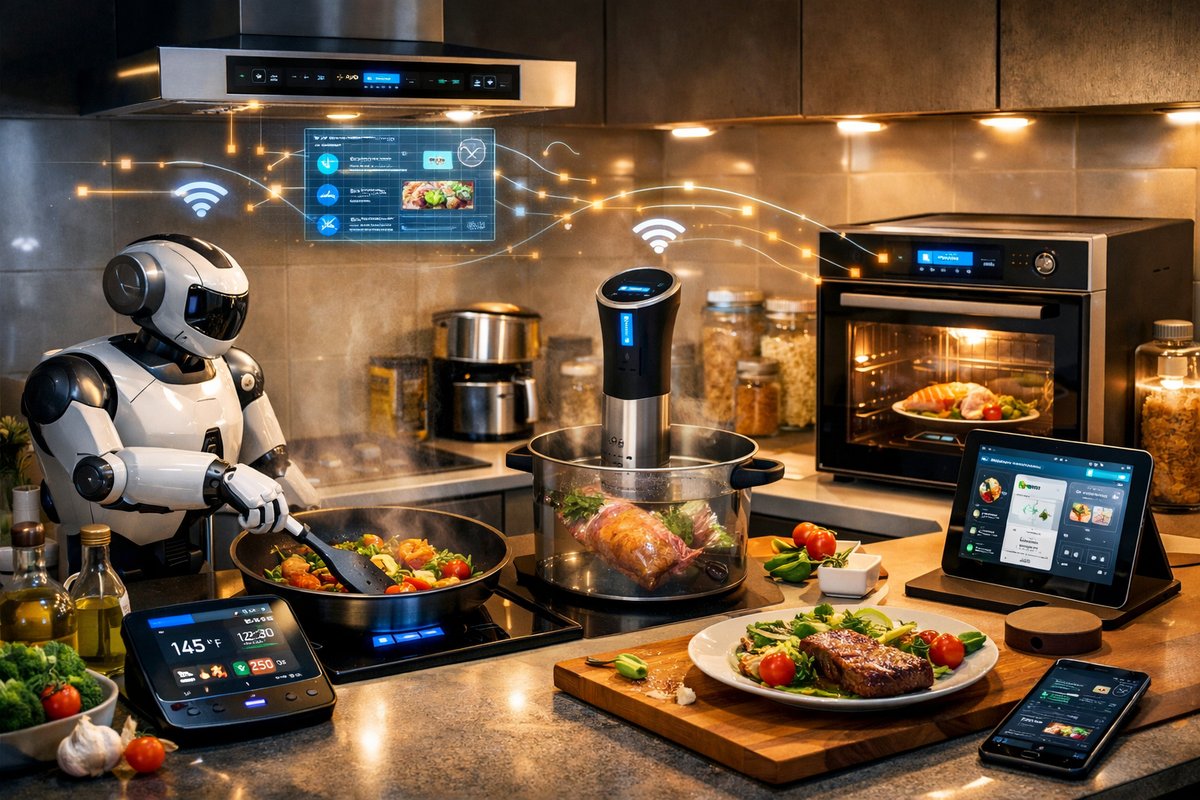
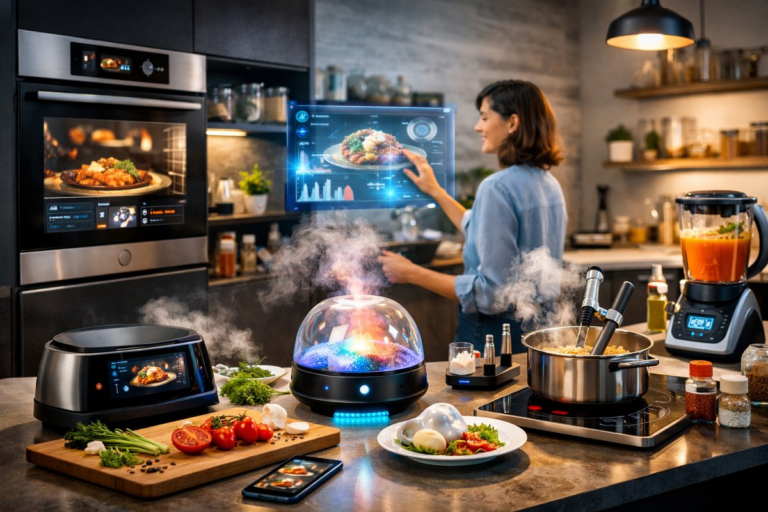
Home kitchens are undergoing a quiet revolution as smart sensors, precision cookers, and even robotic assistants move from research labs into everyday cooking routines. From device-to-device dialogue that guides timing to data-driven insights that reduce waste, a new wave of technology is reinventing how meals are conceived, prepared, and savored.
Across countertop surfaces around the globe, a symphony of data streams is quietly orchestrating the next generation of home cooking. No longer confined to simple timers and precision scales, today’s kitchens are becoming living laboratories where algorithms, sensors, and connected utensils team up to transform ingredients into unforgettable dining experiences.
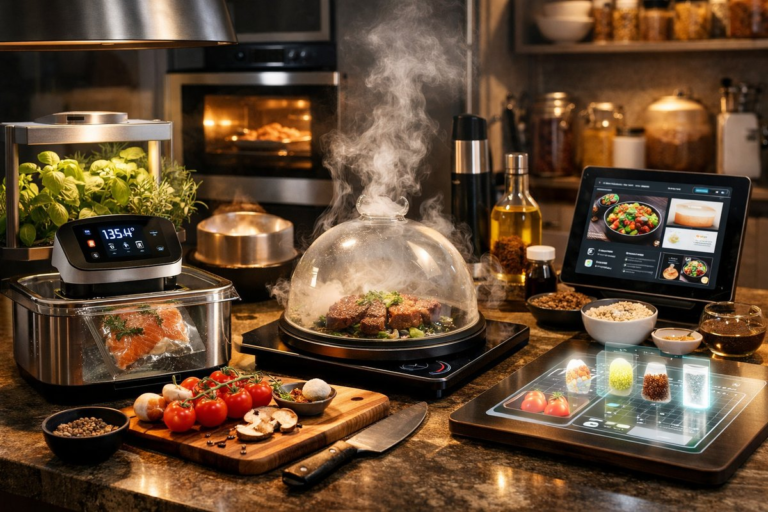
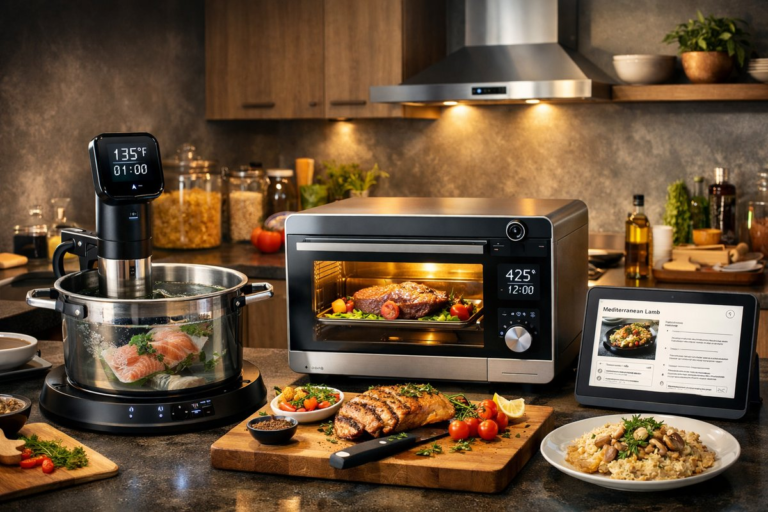
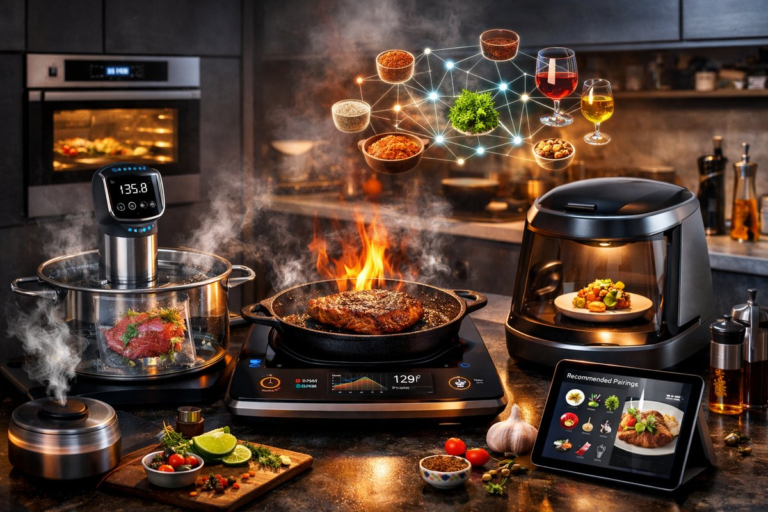
It all began with precision cooking tools that elevated the humble sous-vide technique. Early adopters embraced immersion circulators to bathe proteins in perfectly regulated waterbaths, delivering consistent doneness from edge to edge. What was once a professional kitchen trick has now become a mainstay for home chefs seeking foolproof results at dinner parties. Recent user surveys show that nearly four in ten households planning to invest in new kitchen equipment cite sous-vide devices among their top wishes.
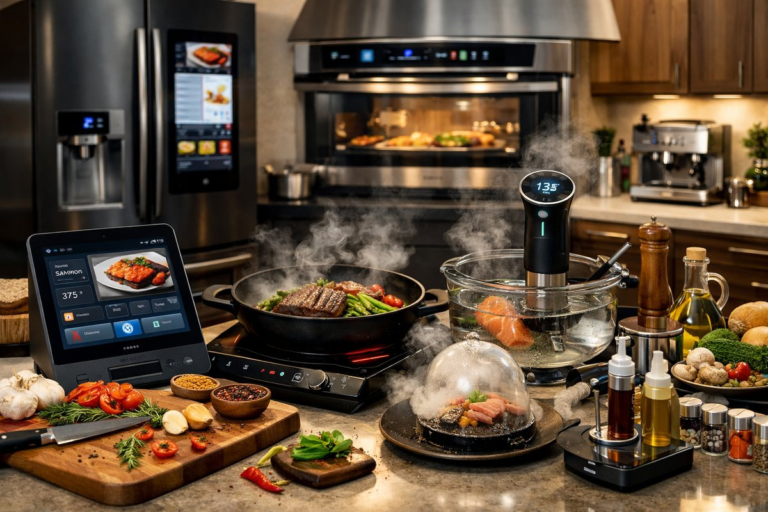
Building on that trend, smart thermometers have staked their claim on wireless wrists and meat probes. These Bluetooth-enabled sensors sync with smartphone apps to track internal temperatures in real time, sending notifications when roasts or poultry reach peak safety thresholds. Beyond simple alerts, advanced models aggregate cooking logs, compare data against communal recipe libraries, and even adjust cook times to account for ambient temperature shifts. As a result, cooks in apartments and sprawling homes alike gain confidence that prime rib will emerge juicy, tender, and worry-free.
Meanwhile, induction cooktops wired to home networks are rethinking how heat is delivered. By continuously monitoring cookware position and surface temperature, these stovetops can dynamically tune power levels within milliseconds. The result is near-instant temperature shifts that mimic gas burners without open flame or wasted heat. In test kitchens, chefs praise this tech for its ability to maintain gentle simmers or achieve rapid sears with minimal fuss. Connected control panels even enable voice commands: imagine asking your stove to “bring water to a rolling boil,” then letting you step away while family conversations unfold.
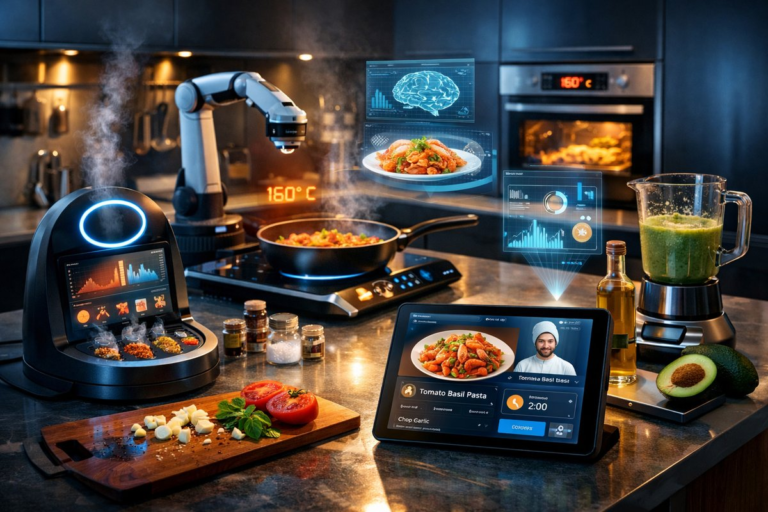
Perhaps most eye-catching of all are countertop cooking robots that debuted at recent consumer technology expos. These compact mechanical arms can chop, stir, and sauté under the guidance of embedded cameras and machine-learning software. One prototype demonstrated butter-glazed pan-seared chicken breast without any human intervention, using computer vision to adjust stirring speed and detection thresholds. While full commercial rollout remains on cooking show timelines, pilot programs in high-traffic test kitchens suggest that lightweight robotic sous-chefs could be in homes within the next few years.
Not to be outdone, app-driven meal platforms are layering convenience atop hardware. Picture a digital recipe card that communicates with your smart oven to preheat, programs your multi-cooker to the desired pressure setting, and cues your connected scale to weigh ingredients with gram-level accuracy. Emerging “step-by-step” cooking modes leverage animated visuals and threshold-based instructions, so even inexperienced cooks receive just-in-time guidance. According to industry analysts, consumers using interactive recipe apps report 30 percent fewer mistakes in timing and seasoning compared with those following paper recipes.
Sustainability advocates have also found allies in kitchen technology. Smart bins equipped with visual recognition can track spoilage rates, alerting users when produce nears its prime. Paired with composting attachments that accelerate organic breakdown, these systems aim to reduce household food waste by up to half. Early adopters report not only lower grocery bills but also a greater willingness to experiment with underused ingredients, knowing they won’t languish unseen in the back of the fridge.
Connectivity extends beyond individual households as communal cookspaces embrace cloud-based ingredient questionnaires. Shared kitchens in co-living spaces can now allocate pantry staples automatically based on residents’ dietary needs and historical usage patterns. Group orders for bulk legumes or grains adjust in real time, optimizing for freshness and minimizing overstock. In one urban loft community, this arrangement has driven weekly waste down by 25 percent, with residents praising both the savings and the surprise pantry find.
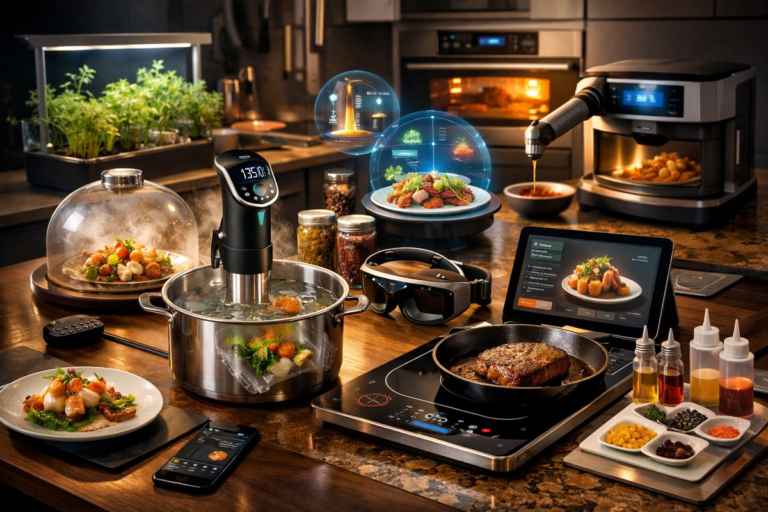
As cooking gadgets multiply, interoperability has become a cornerstone of product design. The latest wave of open standards allows digital knives, sous-vide lids, and extractor hoods to “speak” the same data language. A master kitchen hub can track which burners are in use, how long each ingredient has been resting, and when to signal the table for plating. Developers are even exploring API frameworks that let independent recipe creators design custom cooking workflows, from paella pans that noodle through rice absorption cycles to fermentation crocks that log pH levels.
Augmented reality is the next frontier in recipe storytelling. Early experiments project step-by-step guides onto countertops or pans, freeing cooks from flipping through books or screens. By scanning ingredient arrays, AR overlays can highlight the exact toss lines for chopped vegetables or indicate when sautéed onions are translucent. This visual scaffolding appeals not just to tech enthusiasts but also to tactile learners who benefit from spatial cues.
Robust software ecosystems are emerging alongside hardware. Community-driven marketplaces now host modules for everything from natural-language meal planners to waste-tracking dashboards. Hobbyists can download gesture controls that pause cooking sequences with a simple wave or integrate nutritional databases that estimate macro-nutrient profiles as meals come together. The collective creativity of these online repositories promises an ever-expanding palette of kitchen techniques.
Yet even as sensors proliferate, the most celebrated ingredient remains human intuition. Seasoned cooks remind us that the ideal roast carries a tale of heritage, spontaneity, and personal flair that no algorithm can fully capture. Rather than replace creativity, technology is positioning itself as a toolkit-amplifying insights, smoothing execution, and preserving room for serendipitous experimentation.
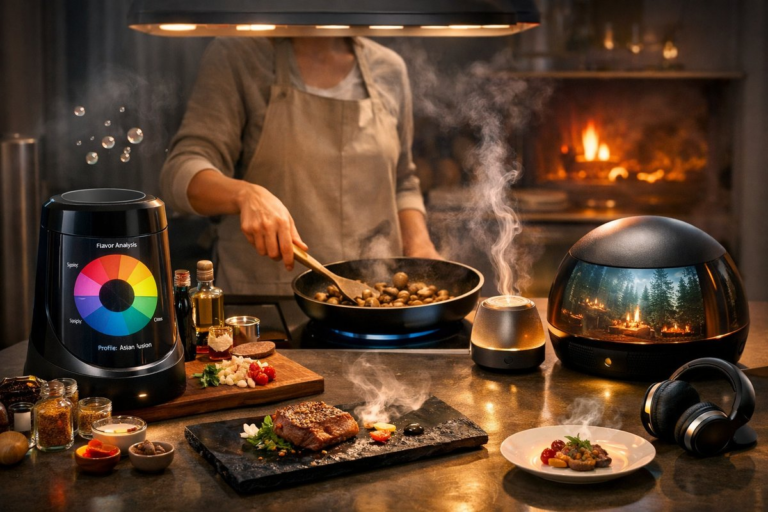
Looking ahead, the melding of food and kitchen technology hints at tantalizing possibilities. Imagine flavor profiles mapped by taste-sensor arrays, recommending bespoke spice blends. Or drones that ferry ingredients from hydroponic window farms to stove-top stations. While some visions may feel futuristic, incremental advances are already reshaping dinner tables today.
In the end, the heart of the home kitchen lies in moments shared around food-sizzling pans, aromatic steams, laughter over imperfect flips. Smart devices and data streams are stepping into these spaces, not as cold replacements, but as curious collaborators. For cooks eager to transform meals into moments, the emerging landscape of kitchen technology offers an invitation: pick up your tools, trust your instincts, and let flavor meet firmware in a delicious duet.