Location
Mount Vernon, WA 98274

Location
Mount Vernon, WA 98274

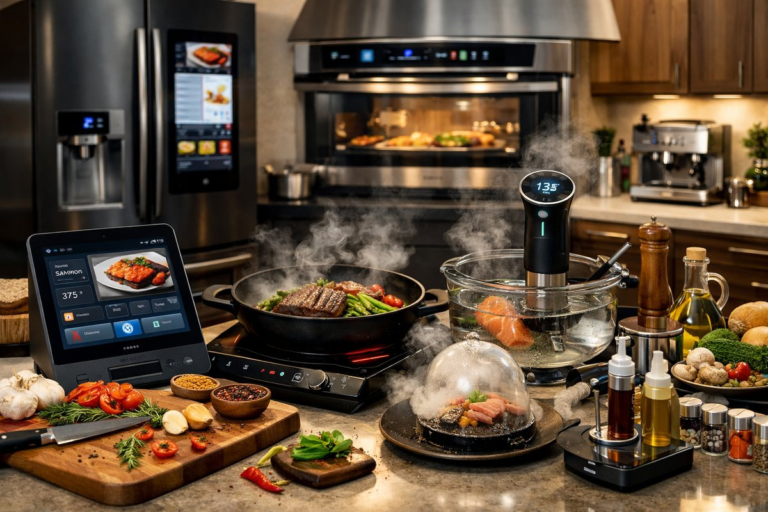
A surge of smart gadgets is reshaping home kitchens, turning everyday routines into interactive culinary adventures. From sensor-driven ovens to digital fermentation vessels, these innovations promise greater precision, sustainability, and emotional connection around the dinner table.
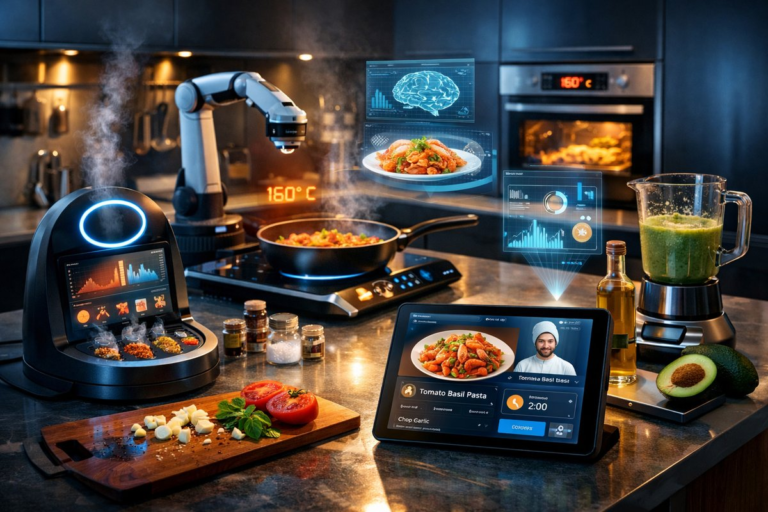
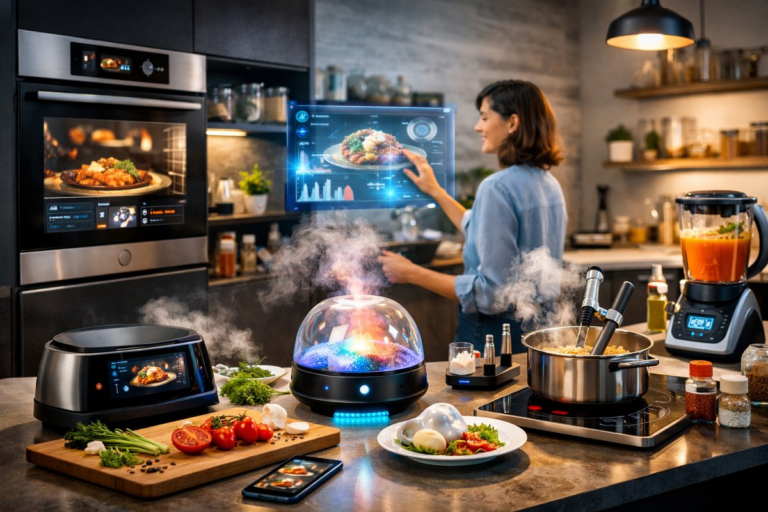
In living rooms around the world, screens have evolved into portals of entertainment and productivity. Now the kitchen is enjoying its own renaissance, driven by a wave of connected tools that blend precision engineering and intuitive design. Home cooks are discovering that artificial intelligence, Internet of Things connectivity, and advanced sensor arrays can collaborate to unlock flavors and textures once reserved for professional chefs.
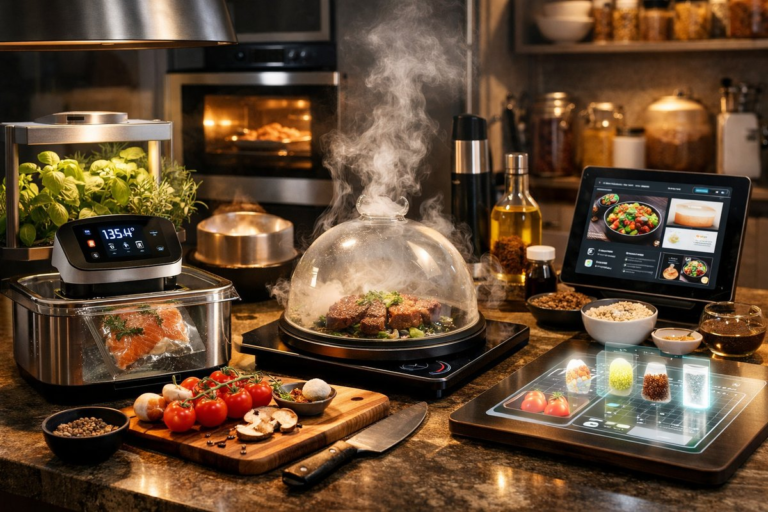
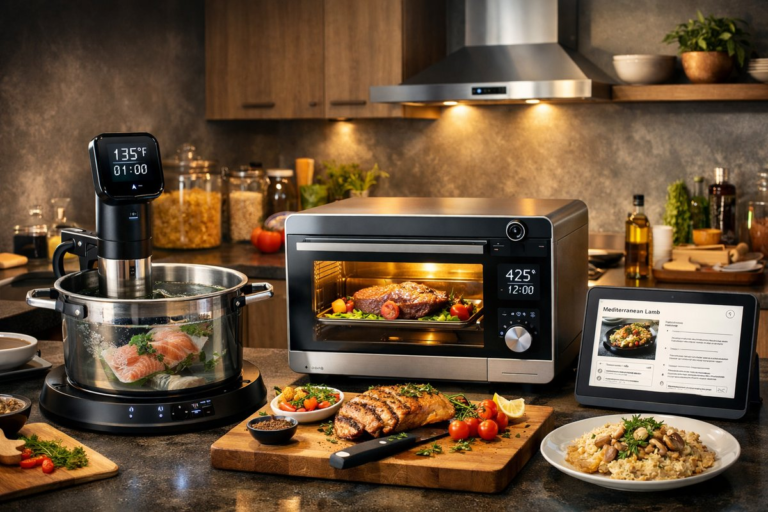
Imagine an oven that continually analyzes humidity, temperature gradients and even the browning rate of a roast, making split-second adjustments without intervention. Sensor-driven countertop ovens have moved beyond simple timers and dials. Using infrared cameras and machine-learning algorithms, these units detect surface color changes in real time. A loaf of sourdough, for example, emerges with a perfectly crackled crust and tender crumb, every time. The narrative arc of trial and error has been replaced by seamless feedback loops between sensor modules and heating elements.
Fermentation, long considered a delicate art, is also riding the tech wave. Smart fermentation vessels monitor pH levels, temperature and carbon dioxide buildup while transmitting data to mobile dashboards. Enthusiastic home fermenters can track the progress of kimchi, kombucha or yogurt cultures minute by minute. When a vessel senses the optimal acidity, it notifies the cook that the batch has reached peak flavor. This level of control transforms an unpredictable process into a structured ritual, inviting both beginners and seasoned hobbyists to explore new flavor frontiers.
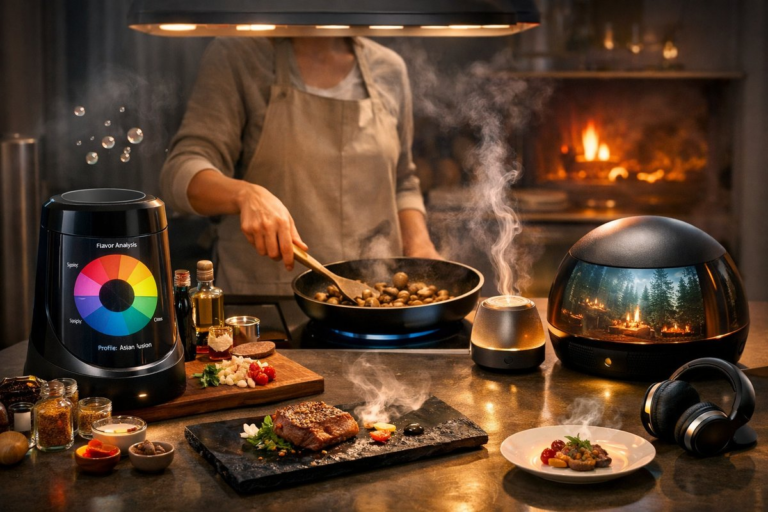
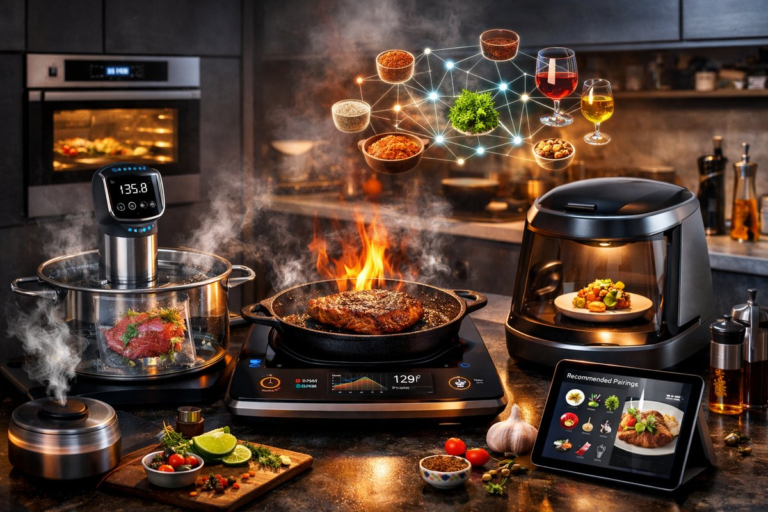
Spice management has taken a leap forward as well. Digital spice racks equipped with RFID readers and weight sensors can identify which jars are in use and how much remains. A companion app suggests complementary blends based on what’s about to run low, while push notifications remind the cook to reorder saffron threads before the pan runs dry. This streamlined system reduces waste, ensures pantry readiness and inspires cooks to experiment with novel seasoning combinations.
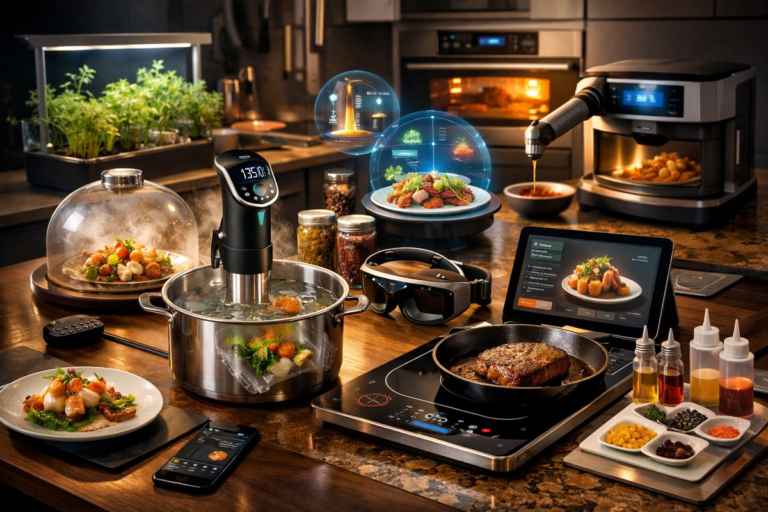
The journey from recipe to plate can now feel like an immersive story. Voice-activated guides and augmented reality overlays walk users through step-by-step instructions, highlighting pot edges, stirring speed and serving suggestions. A holographic projection might gently pulse on the countertop, illustrating the perfect julienne cut or the ideal fold for a crepe. By combining visual cues, audio prompts and real-time feedback, these immersive recipe assistants foster a stress-free environment and bridge the gap between remote learning and hands-on practice.
Automation has also slipped its boundaries into prep and cleanup. Small robotic arms capable of basic chopping, whisking and even plating are making appearances in experimental kitchens and accelerator labs. A motorized scrubber accessory attaches to existing faucets, sensing dirt levels on cookware and adjusting water pressure and detergent release accordingly. These cleaning bots reduce the time spent on repetitive tasks, freeing cooks to engage with ingredients in more creative ways.
Beyond the limits of traditional cookware, 3D food printing has begun to intrigue dessert lovers and event planners alike. Edible filaments made from chocolate, pastry dough or plant-based protein can be deposited in intricate geometric patterns at submillimeter precision. Chefs can craft custom garnishes, personalized candies or avant-garde canapés with complex textures that would be impossible by hand. While still emerging, this technology hints at a future where presentation becomes as dynamic as the flavors themselves.
On the planning side of the table, AI-powered meal-planning platforms analyze dietary goals, seasonal produce availability and individual taste profiles. After collecting data from wearable devices and online grocery orders, these systems propose weekly menus that minimize food waste and adapt to nutritional targets. Automated shopping lists are generated, factoring in existing pantry stock levels tracked by smart containers. For busy households, meal planning turns from a chore into a collaborative, data-driven experience.
Sustainability remains at the heart of many of these developments. Compost sensor bins detect moisture and temperature within food scraps, recommending the ideal aeration schedule to speed decomposition. Integrated dashboards encourage users to track their carbon footprint, highlighting small changes-like baking a root vegetable medley instead of importing out-of-season produce-that can yield measurable environmental benefits. This eco-centric approach speaks to cooks who care about provenance, waste reduction and regenerative practices.
Beyond efficiency and novelty, the emotional dimension of cooking has found new expression through technology. Video capture and livestream features build stronger connections between friends and family separated by distance. One cook in Tokyo can receive live feedback from a cousin in Rio, sharing plating tips and cultural backstories that enrich the meal. In this way, technology becomes a conduit for storytelling, cultural exchange and collective joy around the dinner table.
The market for these kitchen innovations is expanding rapidly. Startups and established manufacturers alike are competing to integrate voice control, multi-sensor networks and AI-driven software platforms into their product lines. Industry projections estimate that global smart kitchen device revenue could double in the next five years, driven by consumer appetite for multifunctional, sustainable and design-forward appliances. Retailers are responding by carving out dedicated smart-kitchen sections and offering cross-device subscription plans for recipe libraries and maintenance alerts.
Still, adoption hurdles remain. High initial costs and concerns over data privacy can give potential buyers pause. Wi-Fi connectivity means potential vulnerabilities, and cooks must weigh the convenience of automatic updates against the risks of third-party data sharing. Companies are increasingly responding to these concerns by offering transparent privacy policies, local-only data storage options and modular designs that let users opt in or out of premium cloud-based features.
As home cooking continues its high-tech evolution, one thing remains clear: the essence of a great meal lies in the moments it creates. Whether it’s the satisfaction of monitoring a perfectly pitched sourdough rise or the delight of discovering a bespoke flavor pairing suggested by an AI assistant, these tools are amplifying the joy of cooking. In kitchens worldwide, sensors and software are no longer distant concepts-they are active partners that celebrate curiosity, creativity and the simple pleasure of a shared meal.