Location
Mount Vernon, WA 98274

Location
Mount Vernon, WA 98274
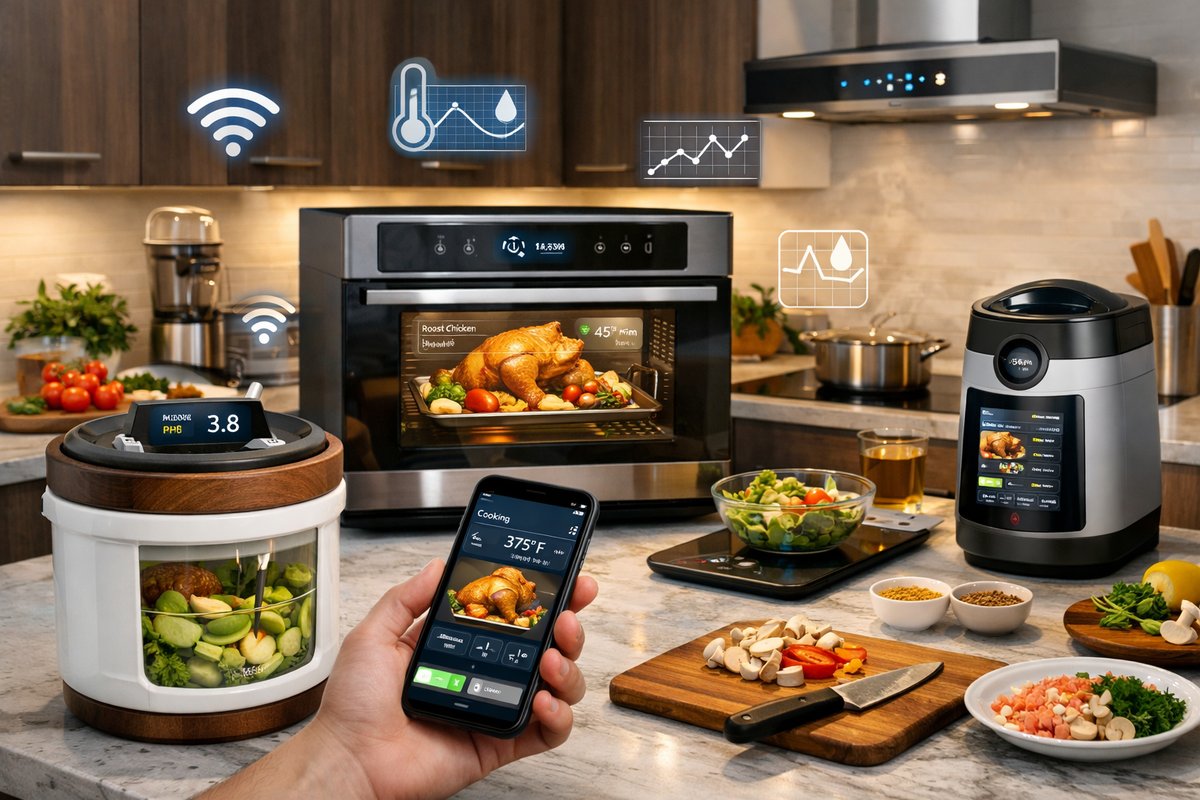
Home kitchens are undergoing a renaissance as connected devices, advanced sensors, and AI-driven platforms bring professional techniques within reach of curious cooks. From ovens that learn cooking profiles to smart fermentation crocks that track pH in real time, emerging tools are reshaping how meals are conceived, prepared, and shared.
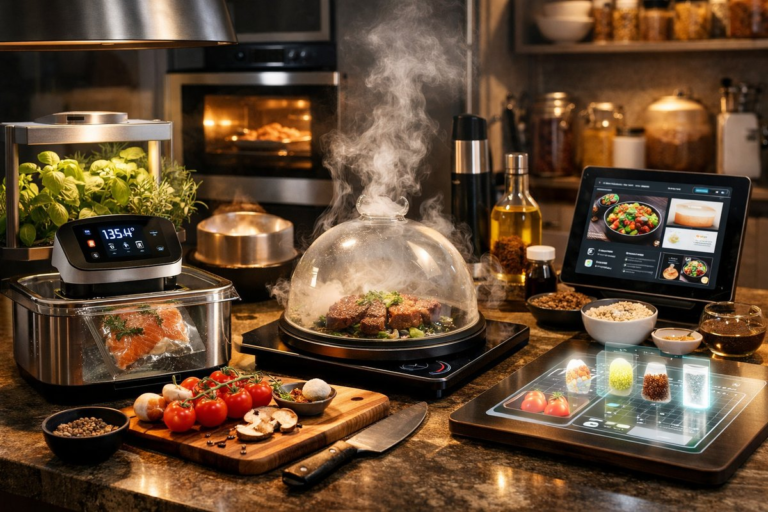
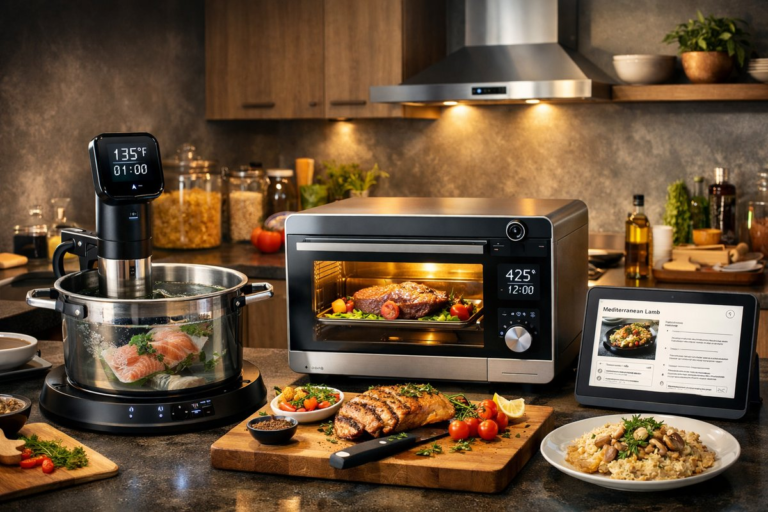
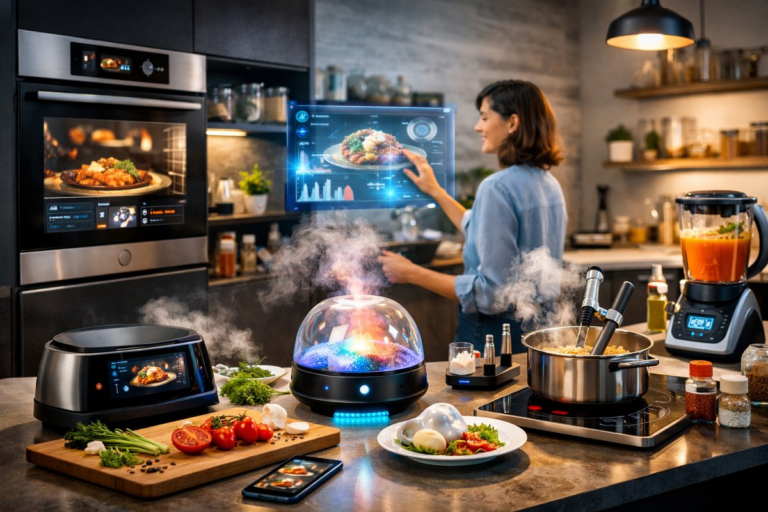
In kitchens around the world, a quiet revolution is underway. Cutting-edge sensors once reserved for industrial food processing are migrating onto countertops, promising precision and convenience without sacrificing flavor. At recent technology expos, prototypes of ovens that adjust temperature curves based on moisture readings stole the spotlight, and immersion circulators equipped with machine-learning algorithms demonstrated how an hour in water can consistently yield steak cooked to the exact shade of pink you prefer. Meanwhile, app-connected jars are monitoring acidity levels in home-brew kombucha, and stovetop “smart rings” are mapping heat distribution to eliminate hot spots. These innovations hint at a future where the line between chef and home cook dissolves, replaced by a collaborative dance between human intuition and automated guidance.
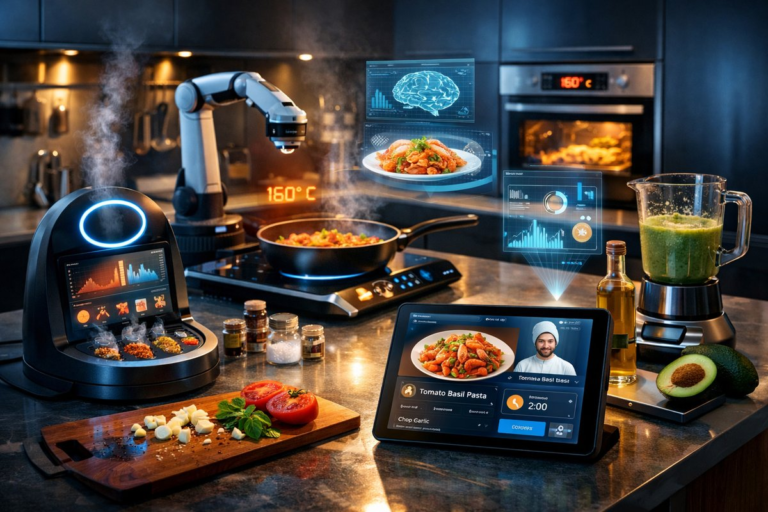
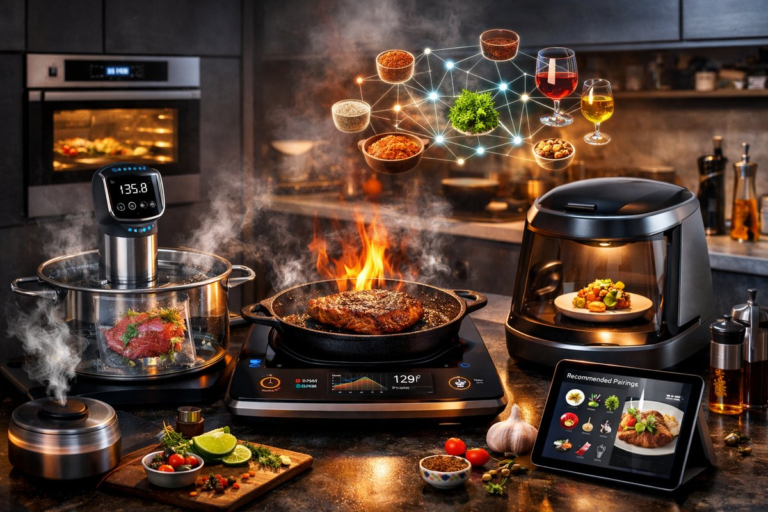
Take the rise of intelligent cooktops as a case in point. Unlike traditional induction burners that respond to pot placement and power settings alone, the newest models integrate infrared scanners and thermal cameras to read a pan’s surface temperature across dozens of zones. A simmer function might maintain a gentle five-degree variance over the entire pan, preventing dairy from scorching or sauce from breaking. Bars of programmable memory let you recall your favorite settings-low-and-slow for tomato ragù, high-heat for stir-fries-with a single tap. This level of precision not only streamlines classic techniques but also lowers the barrier for exploring global cuisines, bringing sous-vide mashups and stir-fry alchemy to household tables everywhere.
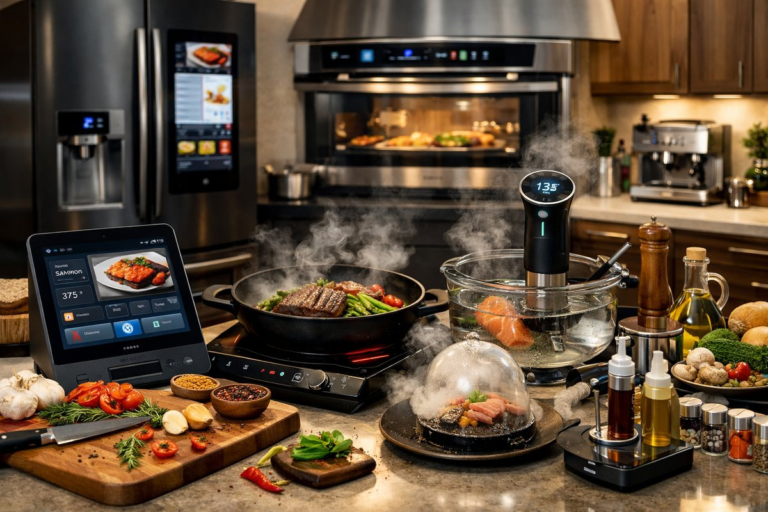
Beyond cooktops, refrigerators are no longer mere islands of cold storage. Modern smart refrigerators use embedded cameras and barcode scanners to log inventory automatically, sending low-stock alerts to your phone and even suggesting recipes based on what you have on hand. Some high-end models now support ingredient recognition through computer vision, identifying fresh produce by shape and color rather than relying solely on manual entry. In tandem, countertop devices like connected kitchen scales sync weight data in real time with companion apps, ensuring that bakers achieve perfect ratios for lean breads or laminated pastries. The outcome is a kitchen environment that knows what it has, guides you toward creative use of leftovers, and frees up mental bandwidth for inspiration rather than inventory.
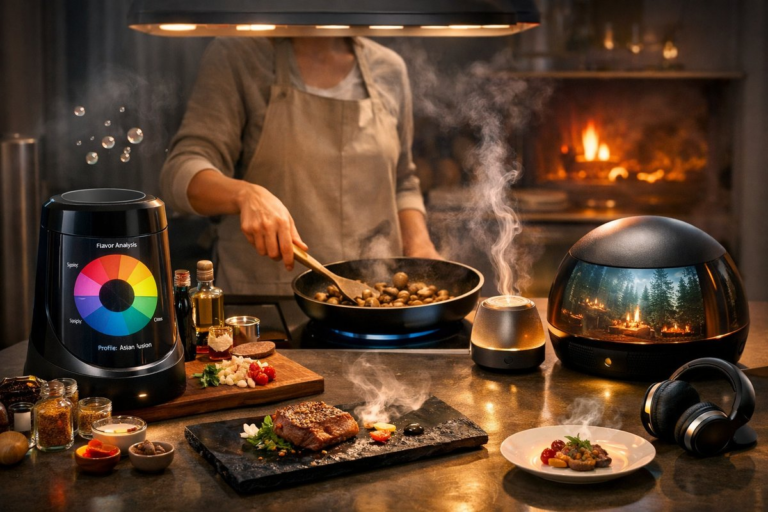
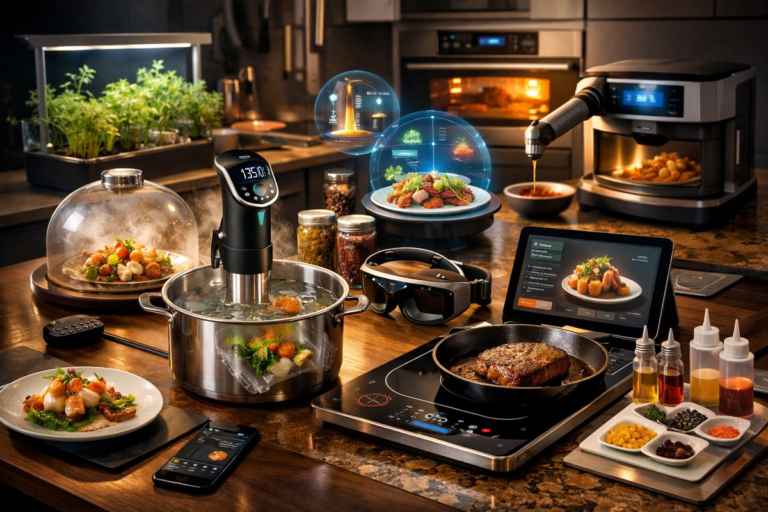
Artificial intelligence has also permeated the realm of recipe discovery. Voice-activated cooking assistants can talk you through techniques step by step, adjusting pacing if they detect that a sauce is not yet thickened or if a roast’s internal probe reads lower than expected. Augmented-reality overlays, visible through smart glasses or on tablet screens, project virtual instructions onto the cookware itself-draw a swirl here, pour here, flip there-reducing cognitive load for newcomers. Meanwhile, AI-driven recipe platforms analyze millions of user-submitted photos and reviews to recommend viable substitutions when you’re missing an ingredient. They can even propose novel flavor pairings by cross-referencing chemical compound profiles of spices, fruits, and proteins, turning your pantry into a playground of unexpected harmonies.
In parallel with digital cookery, hardware innovation is pushing the envelope of material science. 3D food printers are shifting from novelty to niche kitchen tool, extruding layers of vegetable-based inks or protein pastes to form intricate shapes that would be near-impossible by hand. Researchers have demonstrated multi-nozzle printers capable of depositing edible gels, chocolate, and dough in tandem, enabling customized snacks with precise texture gradients. Programmable fermentation systems are also emerging, allowing home brewers of kombucha, kefir, and sourdough to track pH, temperature, and microbial activity through smartphone dashboards. The devices automate stirring, temperature control, and even micro-oxygenation, producing consistent results batch after batch. This blend of biomechanics and software turns traditional processes into data-driven science, yet preserves the tactile joy of hands-on culinary craft.
Amid the excitement, sustainability and privacy have become guiding principles for designers and consumers alike. Ecologically minded engineers are exploring recyclable sensor modules and low-power wireless standards to minimize e-waste and reduce energy consumption. Some smart cookware now ships with swappable battery packs that users can refurbish or recycle separately, extending product lifespans. On the software side, local-first architectures and open-source firmware give cooks control over data collection, letting them opt out of cloud syncing when preparing sensitive recipes or family-secret sauces. In regions where power outages are common, offline modes and manual overrides ensure that the technology remains an aide rather than a gatekeeper. This values-driven approach underscores a commitment to transparency, environmental stewardship, and user autonomy.
Yet even as these tools promise to democratize advanced techniques, they raise questions about skill development and sensory intuition. Will an overreliance on automation dull our ability to judge texture by touch, aroma by scent, or taste by palette alone? Some veteran chefs worry that the next generation might lose the muscle memory and instinct honed by decades of trial and error. Others see an opportunity: novice cooks who master precision guided by sensors can build confidence quickly, then be freed to experiment more boldly. Educational initiatives blending digital feedback with analog practice are already cropping up in culinary schools, marrying the best of both worlds and training a hybrid generation of cooks versed in gadgetry and grease alike.
What lies ahead is a kitchen ecosystem where human creativity meshes with algorithmic insight, where every spice, temperature curve, and fermentation cycle can be tracked, refined, and shared with precision. We’re approaching an era in which a home cook in a small urban flat has at their fingertips capabilities once found only in Michelin-star labs and high-tech test kitchens. The next wave of innovation may well be defined not by more automation, but by interfaces that celebrate the human element-haptic feedback handles, mindful cooking modes that encourage reflection, and gamified rituals that turn each meal into a playful exploration of flavor. In this emerging landscape, the kitchen remains the heart of the home, but it beats to a new rhythm-one tuned to sensors, sustainability, and soulful connection through every savory bite.