Location
Mount Vernon, WA 98274

Location
Mount Vernon, WA 98274
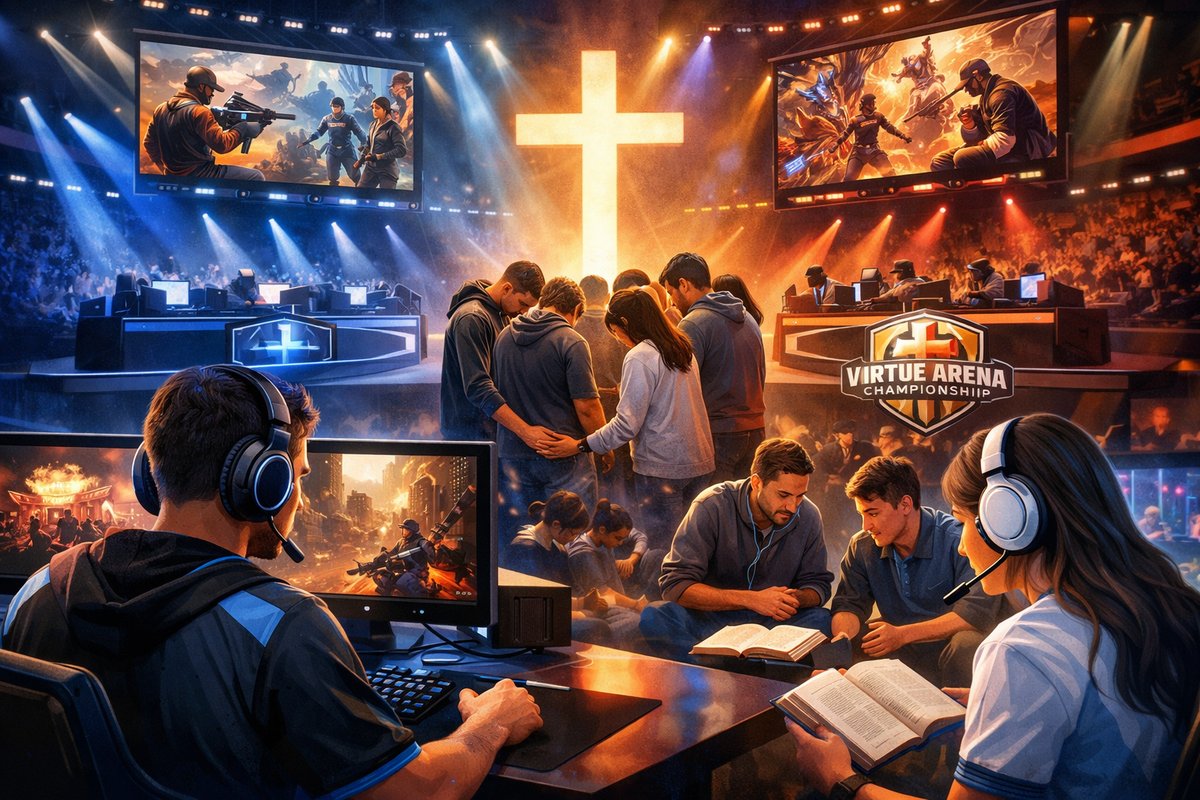
A new grassroots esports league is uniting Christian gamers across the globe for competitive play and spiritual connection. The Virtue Arena Championship pairs popular multiplayer titles with community-driven devotionals and mentorship programs. As gaming tournaments go live, organizers say this fusion of skill and faith is redefining how young believers gather.
A grassroots movement among Christian gaming communities has coalesced into a formal esports league designed to blend competitive play with spiritual fellowship. Dubbed the Virtue Arena Championship, the initiative kicked off its inaugural season with online qualifiers last month. Players from more than ten countries signed up to compete in popular team-based titles while participating in live devotionals, fellowship chats, and volunteer service opportunities. Organizers say the league’s success reflects a growing desire among young believers to weave their faith into every aspect of daily life, even virtual battlegrounds.
The Virtue Arena Championship was founded by a group of amateur gamers who felt traditional church youth groups weren’t connecting with the next generation. One of the co-founders, a college student and weekend worship band drummer, explains that gaming provided a familiar social outlet where values could be reinforced naturally. “We wanted something that felt authentic to our peers,” she reflects. “You can’t tell a teenager who spends hours gaming every week to put down the controller and pick up a Bible. Instead, we decided to bring the Bible into the game.”
Central to the league’s mission is a code of conduct grounded in respect, honesty, and encouragement. Before each match, teams gather virtually for a brief devotional led by volunteer chaplains who volunteer time between rounds. Scripture passages emphasizing teamwork and humility set the tone, followed by a short reflection question that players can discuss in live chat rooms. League officials believe that framing competition as an opportunity to serve and uplift others has helped curb toxic behavior and promote accountability.
Beyond in-game devotionals, the championship has forged partnerships with mental health organizations and community service groups. After every monthly tournament, participants are encouraged to complete virtual or local volunteer projects, such as online tutoring for underserved youth or digital literacy workshops at community centers. Esports captains track their teams’ hours and share stories of outreach during community meetups, strengthening a sense of shared purpose that extends beyond wins and losses on the scoreboard.
The inaugural season features three major titles: a tactical shooter, a cooperative building adventure, and a high-speed sports simulator. Organizers intentionally chose games that value strategy, creativity, and collaboration. Teams of five face off in tactical maps one weekend, collaborate to build massive structures the next, and race futuristic vehicles in the following month’s grand final. This variety invites players with different skill sets to participate, creating diverse rosters that mirror the multifaceted talents found in church communities.
Matches are broadcast live on popular streaming platforms, with custom overlays displaying key verses and league updates. Interactive elements allow viewers to drop digital “cheers” or prayer intentions for their favorite teams. Volunteer moderators keep chatrooms focused on encouragement and positive engagement, while licensed therapists host brief wellness check-ins during downtime. The blend of high-energy competition and reflective pauses has attracted a steadily growing audience, with early broadcasts averaging thousands of concurrent viewers.
In addition to livestreams, the Virtue Arena community hosts weekly virtual Bible studies and Q&A panels featuring guest speakers from ministry and gaming backgrounds. Discussions range from exploring biblical themes in game narratives to navigating ethical challenges in digital spaces. These sessions are recorded and made available on demand, creating a library of resources that participants can revisit at their own pace.
Several youth pastors and campus ministries have also embraced the league as a tool for outreach. Some churches rent out local gaming lounges for watch parties, complete with pizza and prayer stations. Others integrate highlights from the championship into youth group sessions, using tournament footage to spark conversations about teamwork, integrity, and resilience. By acknowledging gaming as a valid cultural touchpoint, ministry leaders hope to reduce the divide between secular hobbies and spiritual formation.
For many players, involvement goes beyond competition and scripture. A growing number of teams organize regional gatherings where they meet in person for fellowship, service projects, and friendly scrimmages. These meetups often start with a short worship session or volunteer activity, followed by casual gaming and potluck dinners. The combination of face-to-face interaction and shared faith has helped deepen relationships that began online, reinforcing the community’s emphasis on holistic well-being.
Seasoned gamers have stepped into coaching roles, offering strategy workshops and skill drills analogous to traditional sports clinics. These coaches often share personal testimonies about balancing competitive ambition with spiritual growth, reminding players that success is measured by character as much as by victory counts. One esports coach, a former professional player turned youth mentor, explains that gaming can cultivate discipline and focus when approached with healthy boundaries and intentionality.
Looking ahead, league organizers plan to expand into regional qualifiers and live finals held at faith-based conferences and youth retreats. They envision a traveling event circuit where players compete on rented stages, interspersed with worship sessions and service initiatives tailored to local communities. Plans are also underway for scholarship opportunities, offering prizes such as gaming hardware grants to talented students who demonstrate leadership and compassion.
The Virtue Arena Championship exemplifies a broader trend of faith communities embracing digital culture rather than shunning it. By harnessing the immersive appeal of esports, the league is providing a fresh model for how believers can connect, grow, and serve in virtual worlds. Organizers believe this approach will resonate with young adults seeking authenticity and belonging in an increasingly online landscape.
Critics caution that blending competitive gaming with spiritual formation could blur important boundaries or risk trivializing worship. In response, league leaders emphasize that all activities remain fully voluntary and supplementary to local congregations’ established ministries. They also encourage participants to maintain healthy screen-time practices and to prioritize in-person fellowship alongside digital engagement.
As the Virtue Arena Championship gears up for its spring finals, excitement is building among participants and spectators alike. Whether battling for tournament glory or exploring a new avenue for faith-based community, gamers across the globe are discovering that virtual arenas can become spaces of encouragement, service, and shared belief. The league’s founders hope this experiment will inspire other faith communities to explore creative ways of bridging technology and tradition, proving that play and prayer can indeed go hand in hand.