Location
Mount Vernon, WA 98274

Location
Mount Vernon, WA 98274
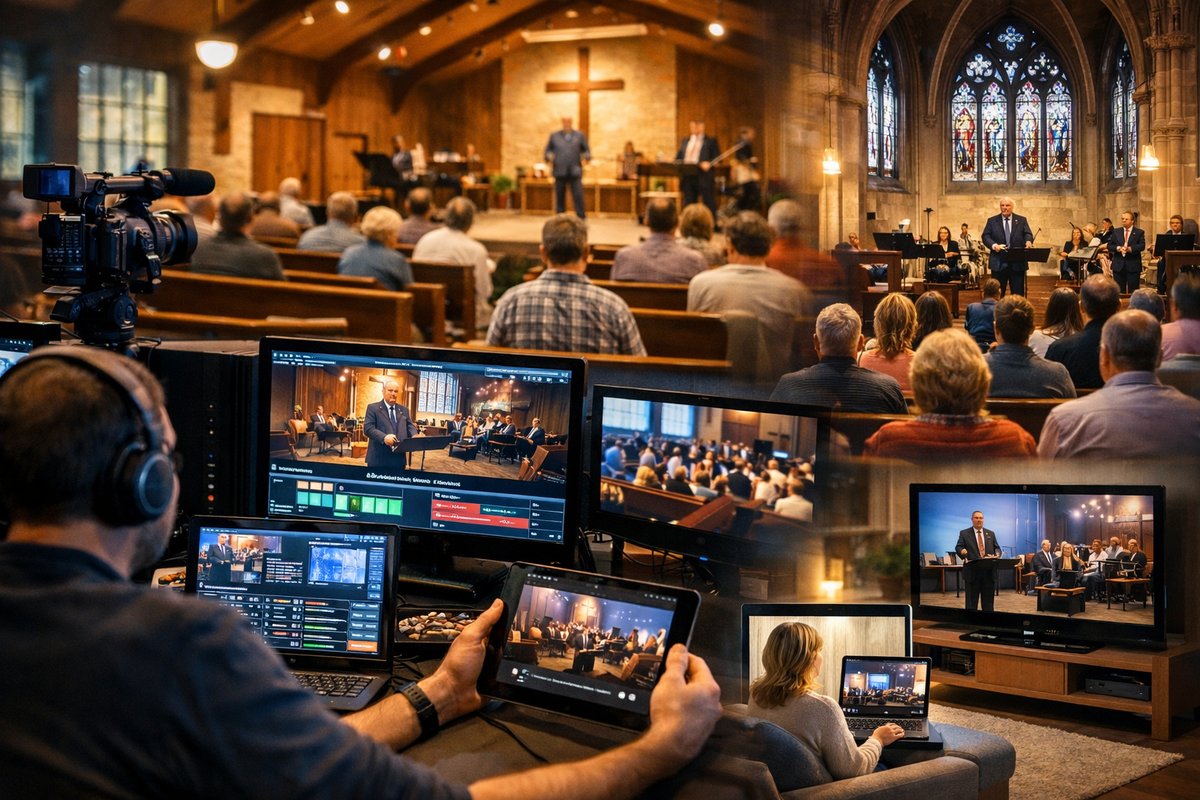
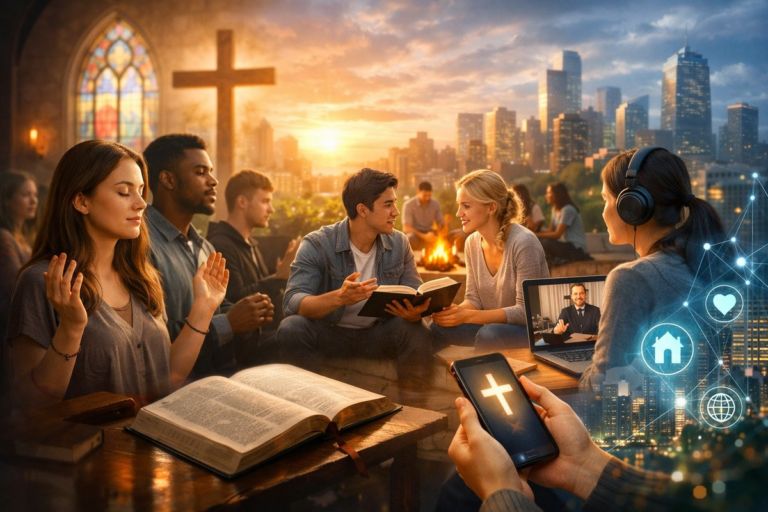
As congregations adjust to post-pandemic rhythms, a growing number of churches are embracing hybrid worship models that combine in-person gatherings with live and on-demand streaming. From rural chapels to urban cathedrals, communities are investing in technology, training volunteers, and rethinking liturgy to engage worshipers both inside and beyond their sanctuary walls.
Across living rooms and sanctuary aisles, worship has entered a new frontier. In the months following eased restrictions, churches large and small are settling into hybrid worship routines that blend on-site services with digital engagement. Recent data suggest that nearly half of weekly worshipers now participate in at least one online service per month, and church leaders say this shift is reshaping everything from liturgical planning to volunteer training.
Many congregations attribute their hybrid model’s success to strategic investments in streaming technology. One midwestern congregation reported replacing its aging projection system with a plug-and-play streaming kit costing just a few hundred dollars. Equipped with a USB webcam, a wireless lapel microphone, and an LED ring light, volunteers learned basic audio mixing in under an hour. “We went from zero livestreams to broadcasting every Sunday in less than two weeks,” says the volunteer tech coordinator. “It’s not Hollywood-level quality, but people can see faces and hear voices clearly.”
National research backs up this grassroots enthusiasm. A recent survey by a faith-based research center found that 42 percent of churchgoers attended services online at least once a month, and 17 percent said they would never return exclusively to in-person worship. Younger generations, in particular, prize flexibility: they appreciate being able to join a midweek Bible study on a commute or catch a sermon replay on their lunch break.
But moving worship online has required more than just hardware. Pastors and worship teams have reimagined liturgy for digital audiences. Elements that relied on assembly-handshakes, passing baskets, group prayers-have given way to interactive chat features, virtual prayer walls, and QR codes that link to hymn lyrics on personal devices. One church introduced a “digital communion kit,” mailing pre-sealed grape juice cups and wafers to homebound members ahead of each Eucharist service.
Beyond Sunday mornings, hybrid models are fostering community on new channels. After the livestream ends, breakout rooms on video-conferencing apps host virtual coffee hours, prayer circles, or scripture study groups. A coastal parish cites its weekly online fellowship as the single most powerful driver of connection. “We say hello and share prayer requests,” explains a volunteer moderator. “It’s not the same as passing the peace in person, but people are logging in from three different time zones to encourage each other.”
The stakes are high for congregations that hesitate. Churches in small towns have discovered that streaming services can reach shut-in seniors, deployed military personnel, or young adults who moved away for work. Urban megachurches recruit global audiences through slick production values-and hold onto them with robust online giving platforms. In rural areas, hybrid worship can revive declining attendance by engaging dispersed populations.
Yet not every church greets hybridization with open arms. Some pastors worry about liturgical integrity and the risk of turning worship into a passive viewing experience. “A screen can’t convey the same spiritual energy you feel in a gathered body,” one clergy leader notes. To preserve a sense of sacred space, several churches are experimenting with “sanctuary sizzle reels”-short highlight videos that capture singing, candle lighting, and communal blessings, edited to flow like a worship trailer before each online service.
Training volunteers has emerged as a critical hurdle. Digital streaming requires reliable internet, audio-visual coordination, and the ability to troubleshoot on the fly. In response, dioceses and denominational offices are offering online workshops, certification courses, and equipment grants. A regional partnership in the Southeast recently pooled resources to distribute portable PA systems to twenty struggling rural congregations.
Theological questions are also circulating. When baptism occurs before a camera, is it still a valid sacrament? How do churches handle the pastoral call of visiting hospitalized members when services are primarily virtual? Many pastors now juggle letter writing, home visits, and virtual counseling alongside leading both live and livestreamed services. The role of the clergy has become as much digital curator as spiritual guide.
Looking ahead, experts predict innovation will accelerate. Artificial-intelligence transcription tools are being tested to generate real-time sermon captions and multilingual subtitles. Augmented-reality layouts could one day place virtual scripture verses or hymn verses alongside the preacher on screen. But most church leaders agree that the human element remains paramount. “Technology is an enabler, not a savior,” says one denominational IT director. “It allows us to serve more people, but it doesn’t replace the relationships we build face to face.”
For congregations embarking on the hybrid journey, flexibility is key. Churches that allow small focus groups to shape digital content see higher engagement. Experimenting with worship times, interactive elements, and multimedia formats has become standard practice. In one Appalachian parish, musicians lay down tracks remotely and edit them into a blended at-church/at-home worship playlist, giving online viewers the sense of a live ensemble performance.
Despite lingering concerns about digital fatigue, ministers report that hybrid worship has renewed excitement for some volunteers who previously felt sidelined. Tech-savvy young adults lead camera crews, graphic designers craft on-screen slides, and homebound members contribute by recording prayers or testimonies. “We have more people serving on Sunday now than we did before the pandemic,” says a church administrator. “They just serve in different roles.”
As this era of blended pews and pixels settles in, a central question remains: what constitutes a worshiping community? Hybrid churches are redefining that term through creativity and collaboration. What began as an emergency response has given rise to a lasting ministry model-one that keeps Sunday doors open in the building and in the browser alike.
For many congregations, hybrid worship has become a bridge across distances, generations, and personal circumstances. It is a testament to the resilience of faith communities-and an invitation to gather in new ways, wherever hearts and screens may be. Whether streamed through a smartphone, a living-room TV, or inside a packed sanctuary, worship continues to unite seekers in a shared journey toward meaning and hope.