Location
Mount Vernon, WA 98274

Location
Mount Vernon, WA 98274
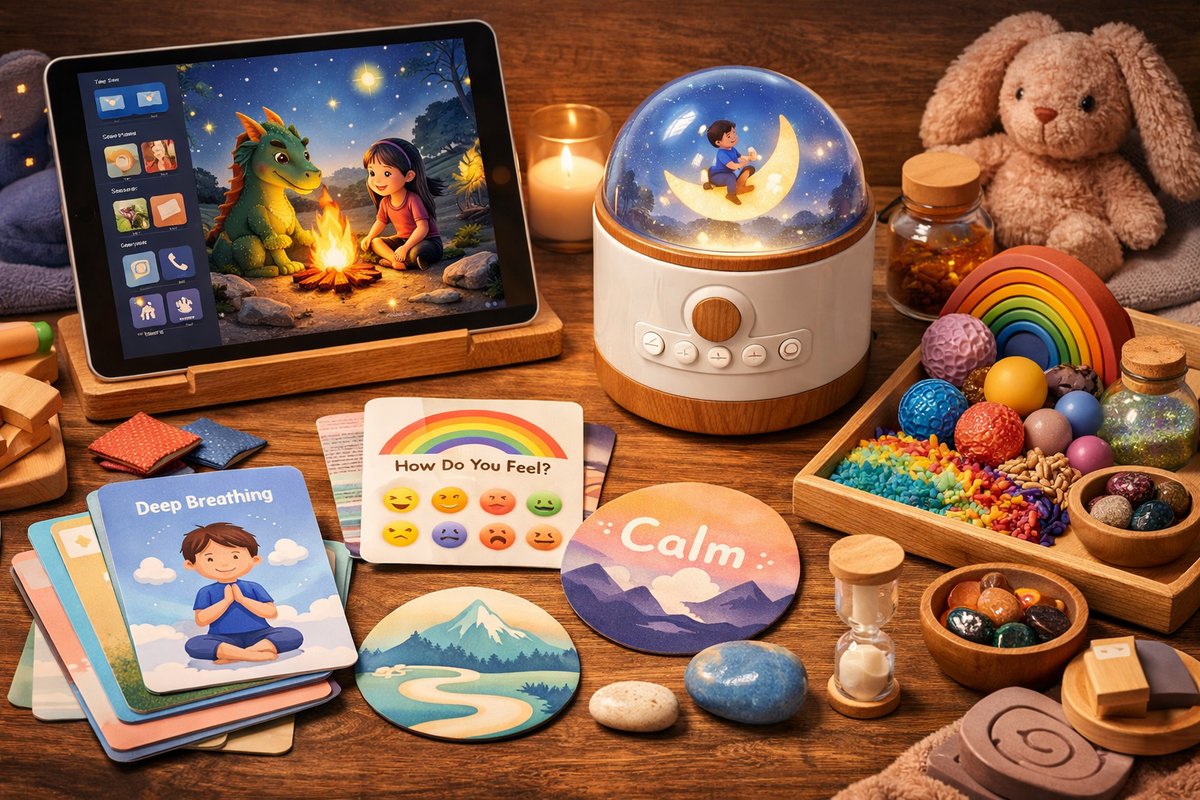
Innovative AI-powered narrative tools and sensory-rich play kits are emerging as powerful allies for parents eager to nurture emotional intelligence alongside traditional learning. From customizable bedtime stories to mindfulness flashcards, this wave of resources is reshaping the parenting landscape.
In recent months, a growing number of parents have begun integrating AI-generated storytelling platforms into everyday family life, marking a shift in how emotional intelligence and curiosity intertwine with screen time. These tools use simple prompts-your child’s name, a favorite animal, or a current mood-to craft personalized tales designed to spark empathy and problem-solving skills. Early adopters report that children lean into narrative twists with genuine investment, often pausing their play to discuss how characters might feel or react. This spontaneous dialogue around emotions signals a new era of digital play, one where algorithms help families co-create stories that nurture both imagination and emotional awareness.
Alongside AI-driven narratives, the resurgence of tactile, sensory-rich play kits has brought texture, color and hands-on discovery back into the home. One popular kit pairs soft modular blocks in varying densities with color-coded emotion labels. As children assemble towers and tunnels, parents prompt them to select blocks that match a given mood-“build your happiest rainbow” or “construct a calm cave.” This physical mapping of feelings transforms abstract concepts into tangible experiences, encouraging kids to explore emotional vocabulary through touch and movement.
The blending of high-tech and high-touch approaches forms the backbone of what educators are calling “hybrid emotion learning.” Schools and parent groups across the country report pilot programs that combine AI story generators with physical emotion-token systems. In one Midwestern community center, after-school sessions guide elementary students through a cycle of digital storytelling followed by unstructured play with themed sensory stations-water beads for tranquility, kinetic sand for focus, and art panels for self-expression. Program leaders observe that children emerging from the screens often carry more nuanced emotional cues into the play zones, tackling collaborative challenges with greater empathy and patience.
At the same time, mindfulness flashcards designed specifically for young learners are gaining traction in family routines and classroom circles alike. Each deck features simple prompts paired with child-friendly illustrations-“Name one thing you’re proud of today,” or “Take three deep breaths and imagine a soft cloud.” Caregivers and teachers appreciate their portability: a quick card draw before dinner, on the school bus, or even during a grocery store line can reset a tense mood and open space for reflection.
The appeal of these modular emotion tools lies in their dual capacity to scaffold meaningful conversations and remain adaptable to diverse home environments. In urban apartments, where outdoor adventure might be limited, parents set up pop-up sensory corners under kitchen tables. In suburban backyards, families weave mindfulness prompts into treasure hunts and evening campfire rituals. Even in multi-generational households, grandparents and siblings bring fresh perspectives to story arcs and sensory stations, creating a ripple effect of emotional literacy that spans ages.
Parental enthusiasm for these resources is reflected in recent survey data from a national child development nonprofit. Over 70 percent of responders indicated they would invest in at least one emotion-driven learning tool-be it a digital app, a set of mindfulness cards, or a sensory play kit-over the next year. Key motivations include fostering empathy, improving communication, and offering children positive outlets for stress relief. At the same time, 60 percent expressed concern about screen overuse, underscoring why hybrid models that integrate physical components are so appealing.
Manufacturers have taken note, rapidly expanding offerings that blend digital and analog experiences. Some new story apps sync with color-changing projection devices, transforming bedroom walls into immersive scenes drawn from the narrative. Other kits pair story prompts with themed tactile objects-tiny plush characters or ceramic emotion stones-that children can handle as the plot unfolds. These combinations reinforce the link between story-based exploration and embodied emotional learning.
This trend dovetails with a broader movement toward ethical technology integration in childhood education. Nonprofit coalitions are drafting guidelines to ensure that AI elements are transparent, privacy-focused, and designed with child development experts. Schools piloting AI narrative modules require parental opt-in and maintain control over data retention, addressing concerns about unwanted personalization and digital footprints. Parents and educators alike stress the importance of balancing novelty with boundaries-setting clear limits on screen time while celebrating moments of collaborative discovery.
Amid these advances, community hubs are emerging as vital testing grounds for emotion-driven tools. Public libraries host “story hackathons” where families co-design narrative prompts with librarians and local artists. Parenting groups convene workshops to swap DIY kits-handcrafted emotion stones, color-coded play scarves, and homegrown garden patches that teach patience and responsibility. Such grassroots efforts remind families that powerful learning experiences don’t always require an app or a subscription, but can grow from simple materials and shared curiosity.
Early evidence suggests that children exposed to hybrid emotion learning programs show measurable gains in self-regulation and social awareness. A small longitudinal study in a Californian school district tracked 150 third graders over six months, using assessments of cooperative play and emotional vocabulary. Students who participated in weekly AI storytelling sessions paired with sensory stations outperformed comparison groups by nearly 20 percent in expressing feelings and resolving peer conflicts. While researchers caution that larger studies are needed, these initial findings point toward scalable strategies for fostering emotional resilience in diverse classroom settings.
For busy parents looking to integrate these ideas at home, experts recommend starting small: select one digital storytelling tool, designate a cozy sensory corner-perhaps a low shelf with sensory bins and emotion prompts-and weave short mindfulness card draws into daily routines. Over time, families can iterate on their setups, adding new textures, narrative accessories, or outdoor extensions to keep curiosity fresh.
As the lines between digital and physical learning continue to blur, the core principle remains clear: nurturing young thinkers requires both imaginative sparks and grounded, tangible experiences. By meeting children where they are-on screens, under kitchen tables, or around backyard fire pits-parents can cultivate emotional intelligence as a living, ever-evolving practice.
Looking ahead, designers and educators are exploring how wearable feedback devices might gently guide children toward calm states during challenging tasks, or how augmented reality could layer emotion-recognition prompts onto real-world adventures. Whatever form these innovations take, the driving force will remain the same: empowering families to raise empathetic problem solvers who understand that every feeling is a doorway to deeper connection.