Location
Mount Vernon, WA 98274

Location
Mount Vernon, WA 98274
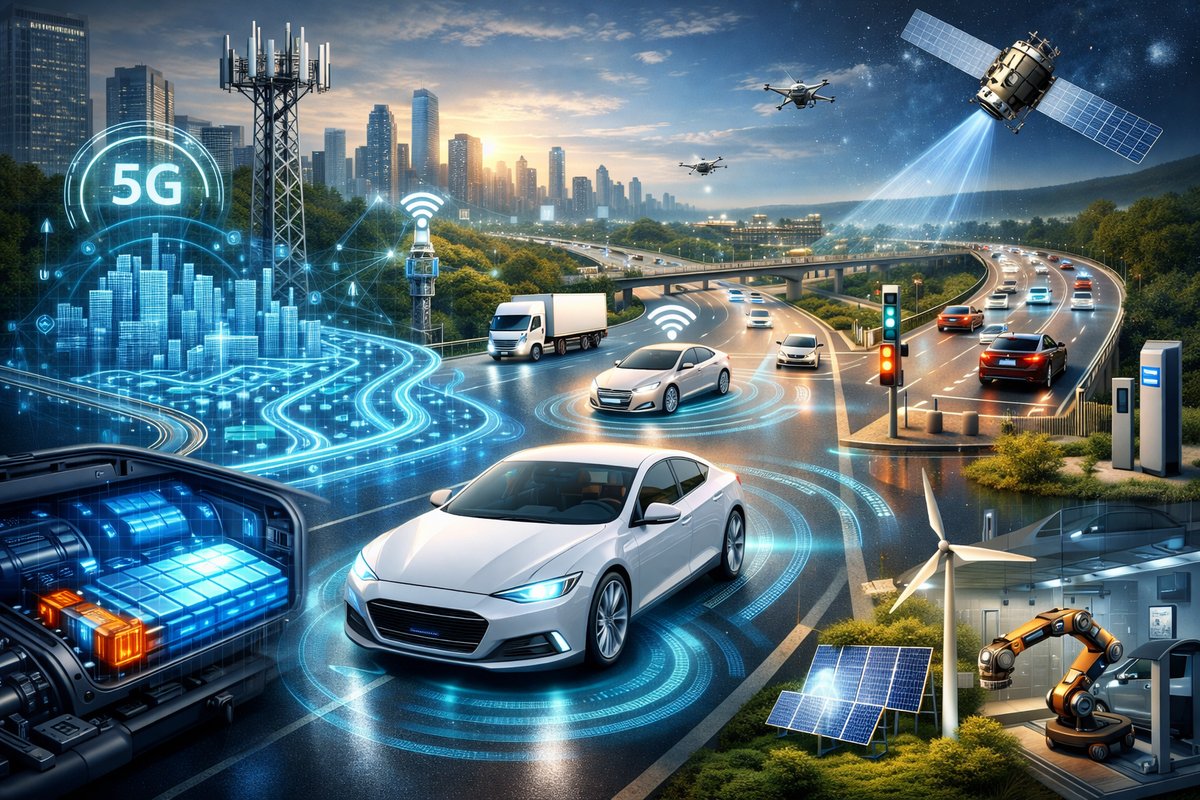
From AI-driven battery management to digital twin road networks, cutting-edge automotive technology is turning our cars, roads, and highways into intelligent, interconnected ecosystems. We explore how next-generation sensors, vehicle-to-everything networks, and sustainable innovations are reshaping how we move, maintain, and even cherish our vehicles.
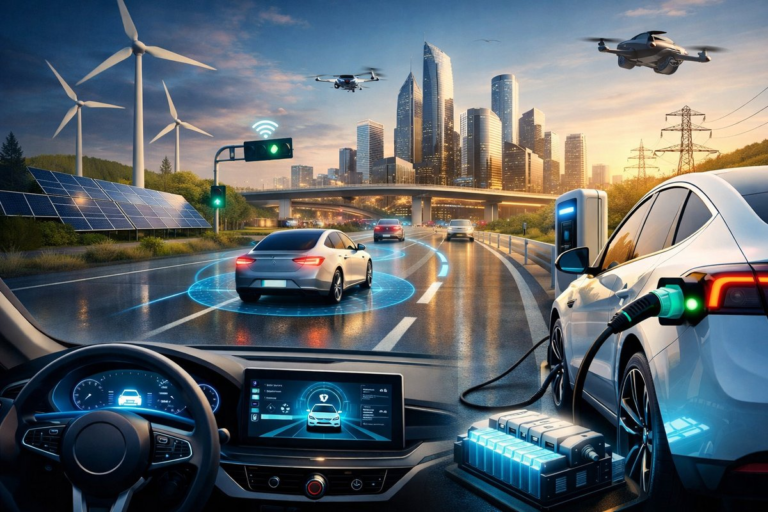
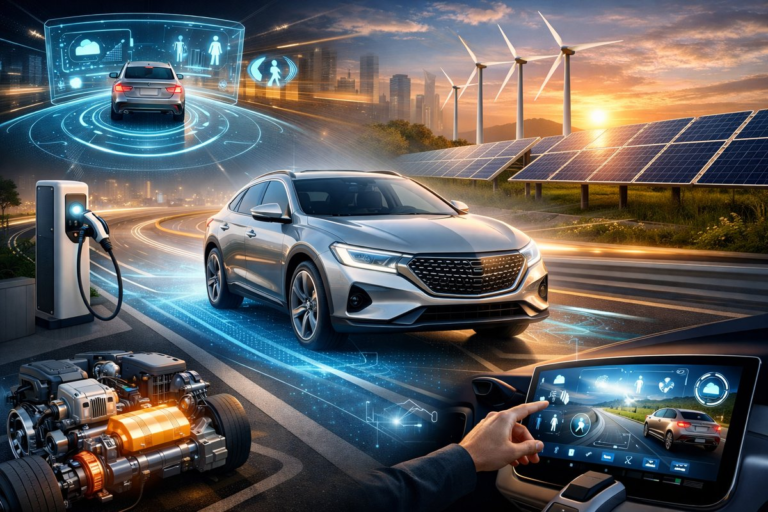
What if your car could think, learn, and adapt to its surroundings almost as quickly as you do? Increasingly, modern vehicles and the roads they travel on are becoming part of a unified cognitive mobility network. Gone are the days when a car was simply a mechanical conveyance; today’s automobiles are sensor-laden computers on wheels, tapping into streams of data to optimize performance, enhance safety, and reduce environmental impact. From advanced driver-assistance systems (ADAS) that detect pedestrians to predictive maintenance alerts sent directly to your smartphone, the boundaries between machine, infrastructure, and human are blurring.
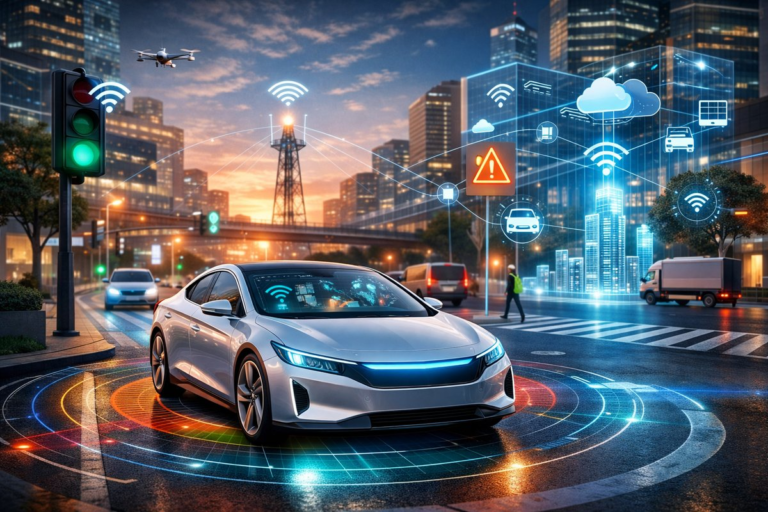
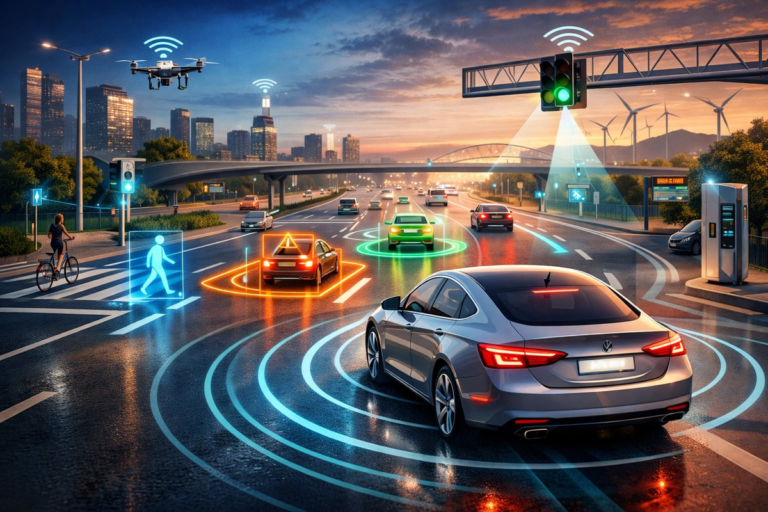
Under the hood, edge AI modules process terabytes of sensor data every hour. Cameras, radar sensors, short-range lidar assemblies, and inertial measurement units feed custom neural networks running on dedicated hardware accelerators. Those networks identify lane markings in low-light conditions, detect debris on the roadway, and predict sudden braking events by analyzing subtle changes in vehicle motion. When a driver signals to change lanes, the AI checks blind-spot cameras, cross-traffic radar, and historical congestion patterns in real time, delivering warnings or even taking corrective steering action if a potential collision is imminent.
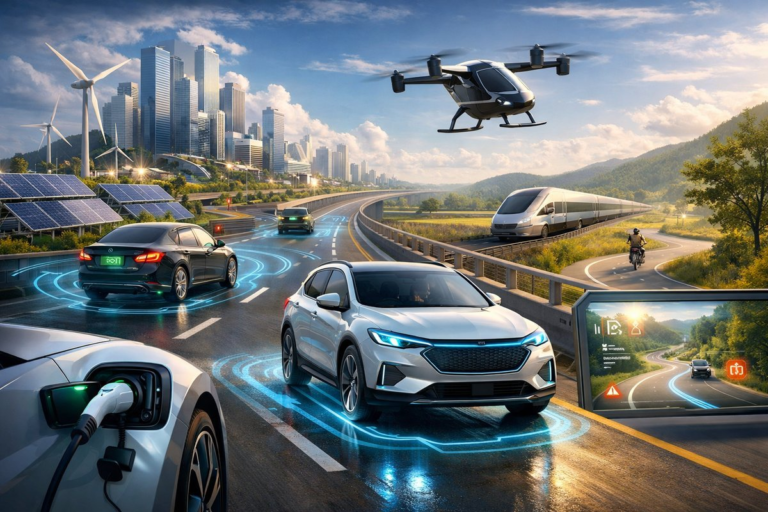
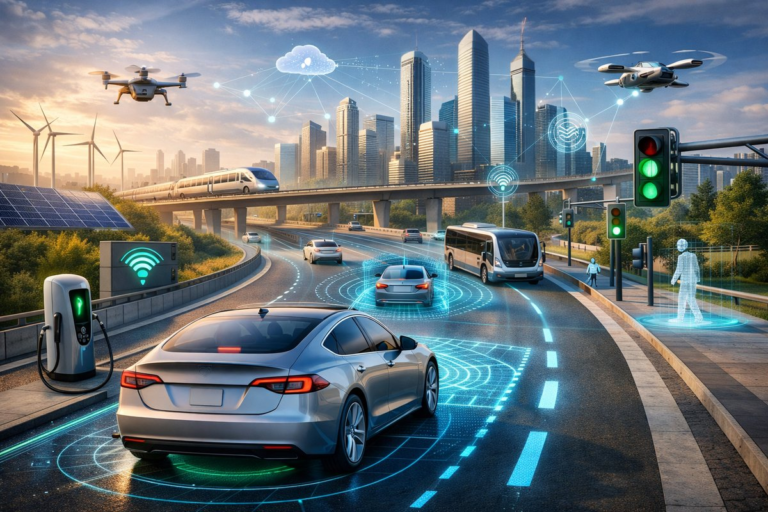
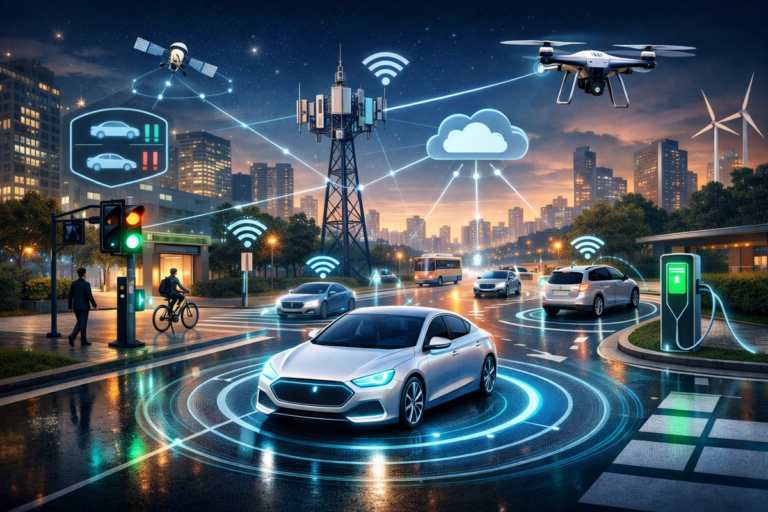
Equally transformative is vehicle-to-everything (V2X) communication, where cars, traffic signals, construction zones, and even roadside vending machines share status updates via low-latency wireless protocols. Trial programs in several European cities now use 5G mmWave networks to transmit green-light-timing data to approaching EVs, enabling them to optimize acceleration to glide through multiple intersections on a single charge. Similarly, highway maintenance crews employ connected sensors embedded in pavement to detect early microcracks. Those sensors ping central servers with temperature and load metrics, allowing predictive repairs before potholes appear.
The concept of a digital twin extends beyond the vehicle itself and into the roadways we travel. City planners are building virtual replicas of entire arterial networks, integrating topographic surveys, utility maps, and traffic simulation models. AI-powered analytics overlay projected growth in autonomous ride-hailing fleets and freight corridors, pinpointing where capacity upgrades or dedicated EV charging plazas will be most needed. When a section of pavement shows signs of accelerated wear, the digital twin flags the spot for asphalt reinforcement or sensor replacement, reducing unplanned closures and improving ride comfort.
Meanwhile, electric vehicle charging has moved beyond static high-power stations. Dynamic wireless charging lanes embedded beneath the surface of city streets have entered pilot stages in multiple regions, allowing EVs equipped with induction coils to draw power on the move. In parallel, smart charging management systems use AI to balance grid loads, automatically delaying non-urgent charging sessions until renewable energy production peaks. On the individual level, next-generation battery management units employ thermal-imaging cameras and ultrasonic diagnostics to predict cell imbalances and forestall degradation. The result is faster charging, longer battery life, and reduced strain on aging power grids.
As the cockpit evolves, augmented reality head-up displays (AR HUDs) are projecting navigation cues and hazard alerts directly onto the windshield. Instead of glancing down at a center-console screen, drivers see virtual arrows superimposed on the real-world road surface, highlighting the optimal path through complex interchange ramps. Pedestrian crossings and cyclist lanes can be highlighted in dynamic color overlays. In fleet applications, managers deploy AR HUDs to guide drivers through efficient loading-zone approaches or off-hours street cleaning schedules, improving logistics precision and safety.
Interconnecting all these advancements is a shared concern for data privacy and cybersecurity. Because connected vehicles generate massive profiles of usage patterns, location trails, and even biometric indicators like driver fatigue levels, automakers and regulators are drafting robust governance frameworks. Encryption standards for V2X messaging are evolving quickly, borrowing techniques from financial networks to prevent spoofing or man-in-the-middle attacks. In addition, decentralized edge computing architectures are emerging, where sensitive operations such as face-recognition-based driver authentications occur on the vehicle itself, limiting raw data transmissions and enhancing personal privacy.
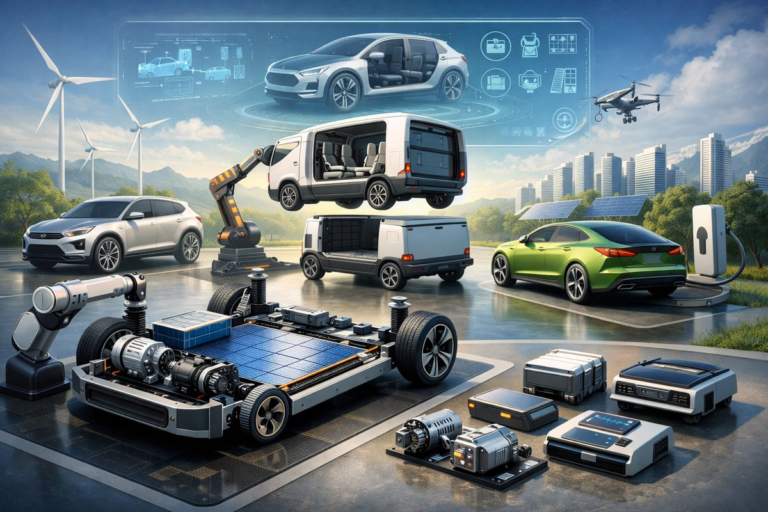
Innovation doesn’t always mean discarding the past. Classic car enthusiasts are increasingly retrofitting timeless models with fully electric powertrains, custom battery packs, and modern braking and suspension controls. Workshops specializing in such conversions use advanced simulation tools to engineer safe, balanced chassis dynamics, preserving the emotional resonance of a vintage interior while delivering whisper-quiet acceleration and zero tailpipe emissions. These conversions capture both nostalgia and sustainability, turning beloved heirlooms into contemporary proof points of a low-carbon future.
The sustainability narrative extends beyond tailpipe emissions. Second-life battery programs are collecting used EV packs and repurposing them for grid-level energy storage, solar integration, or microgrid applications in remote communities. Specialized recycling facilities have developed hydrometallurgical processes that recover up to 95% of critical metals like lithium, cobalt, and nickel, while bioreactor systems use bacteria to dissolve remaining impurities. Autonomous collection drones and electric service vans ensure the logistics chain remains clean, efficient, and scalable.
For everyday drivers, these advances translate into practical improvements. Sophisticated navigation apps now integrate crowdsourced road-surface condition reports with traffic-flow predictions, rerouting drivers around impending delays or poor pavement sections. Tire-pressure monitoring sensor kits communicate directly to the dashboard app, generating alerts long before a slow leak becomes a roadside emergency. Over-the-air software updates deliver optimized brake-booster calibration or enhance adaptive cruise-control smoothing, all without a garage visit.
Looking ahead, the next paradigm shift will be prescriptive mobility, where AI doesn’t just predict maintenance needs or traffic jams-it suggests entire mobility plans. Imagine a single platform that bundles an EV car-share reservation, a regional high-speed train ticket, and a last-mile e-scooter reservation for a seamless journey to work. Fleet operators could use these insights to rebalance vehicles across zones and meet demand spikes. Urban designers would incorporate AI-driven scenario testing into infrastructure grants, fast-tracking pilot projects that demonstrate tangible improvements in equity, safety, and carbon reduction. At its core, this transition to human-centred mobility promises to reconnect us with the simple joy of movement-reinventing our relationship with machines of motion, memory, and meaning.
Through every mile of roadway and every line of code, automotive technology is steering us toward an era where transportation learns, adapts, and even anticipates our needs. The fusion of AI, connectivity, and sustainable design is breaking down the old silos between driver, vehicle, and infrastructure. As these systems mature, we move beyond reactive responses to hazards or breakdowns and into a realm where our vehicles are our most intuitive travel partners. The road ahead may be complex, but in the union of data and design, we find the potential for safer, cleaner, and more emotionally resonant journeys.