Location
Mount Vernon, WA 98274

Location
Mount Vernon, WA 98274
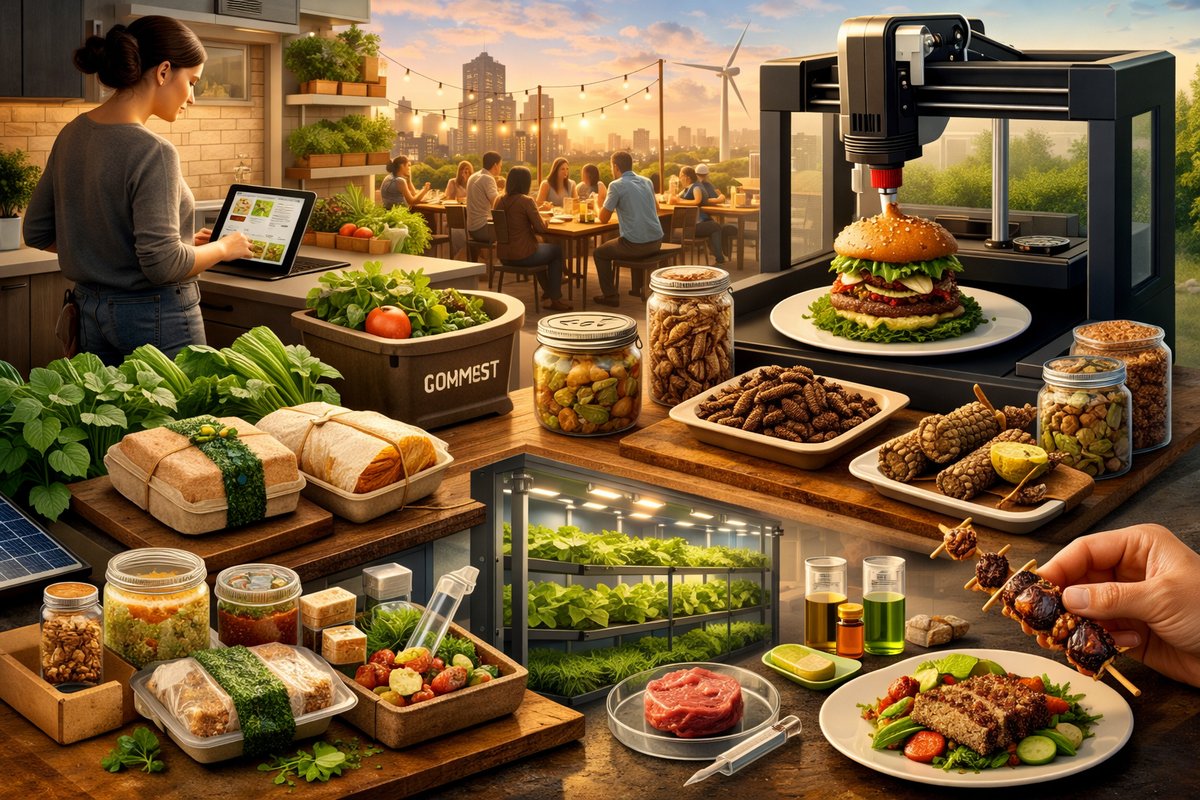
A new wave of culinary innovation is blending sustainability, technology and community to reshape dining from home kitchens to citywide gatherings. From zero-waste packaging breakthroughs to insect-based proteins, these trends promise flavor, ethics and connection in every bite.
Across home kitchens, neighborhood markets and experimental dining rooms, five culinary movements are converging to usher in a more sustainable, inclusive and tech-savvy food future. These trends address environmental challenges, celebrate cultural roots and harness digital tools to transform how we source, prepare and share meals.
The first movement focuses on a shift beneath our feet. Regenerative sourcing takes conventional agriculture beyond sustainability by restoring soil health, biodiversity and water systems. Farms adopting cover cropping, rotational grazing and polyculture are producing nutrient-dense ingredients while drawing down carbon from the atmosphere. Chefs and home cooks alike are seeking out grains, vegetables and meats labeled for regenerative certification, attending farm tours and even volunteering at community regenerative plots.
At a recent farmers market outside Boston, one vendor displayed kale grown using multi-species cover crops and compost teas. Nearby, a butcher described pigs rotated across orchards, feeding on food scraps and fallen fruit. Diners sampling a seasonal stew could taste the difference: a richer mouthfeel and deeper umami notes attributed to soil brimming with microbial life. Regenerative sourcing isn’t just a tagline-it’s a culinary ethos that connects each plate to the ecology that yields it.
A complementary innovation addresses what happens after the meal. Single-use plastics and stubborn packaging have long plagued waste streams. Now, edible packaging and compostable alternatives are moving from labs into grocery aisles. Companies are developing seaweed-based wrappers that dissolve in hot water, rice-paper containers for on-the-go snacks and bioplastics made from agricultural byproducts like mango peels or potato starch.
One European startup unveiled cutlery made entirely from pressed wheat fiber, sturdy enough to pierce roasted root vegetables yet dissolvable in under five weeks in home compost. Another brand launched airtight bags of dried fruit slices sealed in a jelly-like film that you can eat along with the fruit. These innovations are fueling collaborations with grocers, cafés and airlines exploring plastic-free meal services. Consumers eager to reduce landfill contributions are embracing beeswax wraps and reusable silicone storage pouches, turning every lunch prep into a small act of environmental stewardship.
Perhaps no trend sparks more conversation than insect protein stepping into mainstream kitchens. While entomophagy has sustained communities across Asia, Africa and Latin America for generations, Western markets are just beginning to experiment. Cricket flour, roach-free mealworms and grasshopper snacks are being pitched as sustainable sources of complete protein, rich in iron, calcium and essential amino acids. Environmental assessments show insect farming uses a fraction of land, water and feed compared to beef or pork, producing far fewer greenhouse gases.
Grocery shelves now stock insect-infused pasta, protein bars and even savory granolas. High-end restaurants are incorporating cricket-dust into sauces for a nutty depth, while food trucks in California serve tortillas packed with black soldier fly larvae and smoky chile. Chefs emphasize that appearance and preparation matter: roasted and seasoned properly, insects can deliver a crisp texture and subtle umami that elevates familiar dishes. Culinary schools are also offering entomophagy modules, training future chefs to handle and cook edible insects safely.
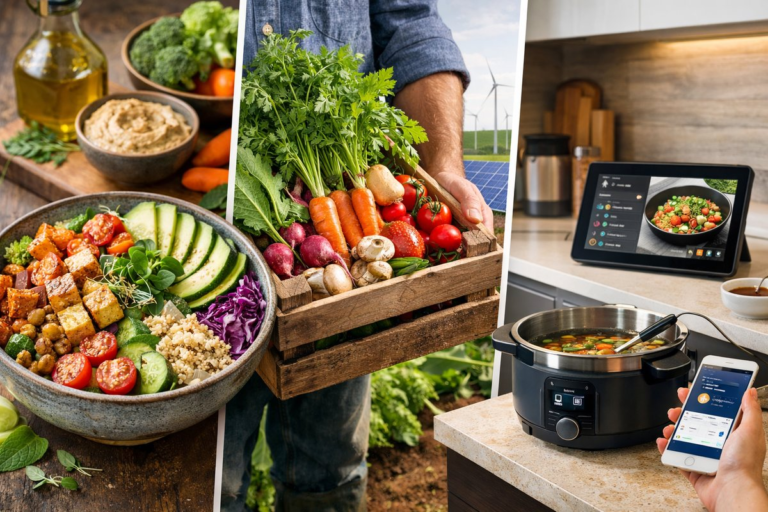
Meanwhile, digital innovation is finding its way into both pro kitchens and living rooms. AI-powered flavor pairing platforms analyze thousands of ingredient combinations, suggesting novel matchups like matcha with roasted tomato or pear with white miso. Integrated smart scales guide cooks through custom recipes in real time, adjusting quantities based on servings and dietary preferences. Voice-controlled appliances can orchestrate multi-step processes-blending, steaming and searing-while you prep next steps.
At a tech showcase in Seoul, a countertop robotic arm demonstrated the precision plating of a five-course tasting menu, moving ingredient dollops with millimeter accuracy. In home kitchens, smart ovens are learning to recognize foods via computer vision and adjust temperature curves automatically. These tools aren’t replacing creativity; they’re scaffolding it, freeing cooks from memorizing timers or conversions and letting them focus on technique and taste discovery.
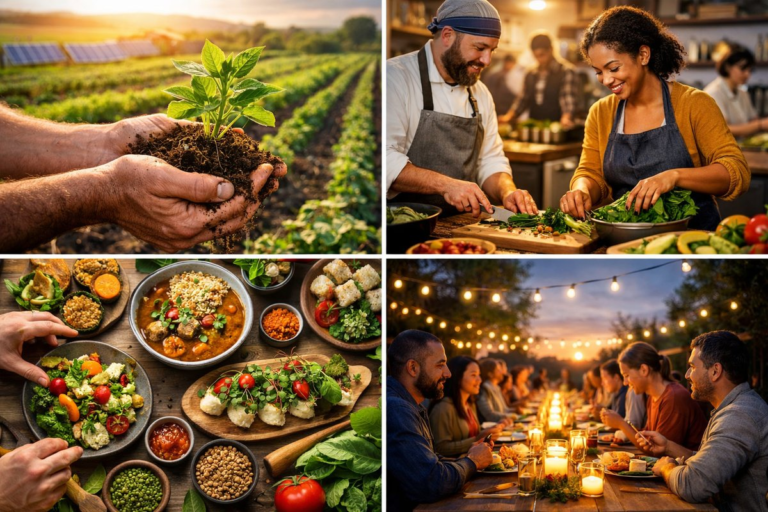
Finally, a revival of community kitchens and shared tables is knitting culinary connections back into neighborhoods. On urban rooftops, collectives are erecting communal kitchens where neighbors swap recipes in multiple languages, cook side by side and host monthly feasts featuring homegrown produce. “Pay-what-you-can” kitchen incubators are helping culinary entrepreneurs launch micro-businesses without prohibitive rental costs. Mobile food libraries circulate specialized equipment-from pressure cookers to dehydrators-so hobby cooks can experiment without buying every gadget.
In Detroit, a nonprofit turned vacant lots into pop-up supper clubs, pairing local farmers with emerging chefs and diners who contribute ingredients or labor in exchange for a seat. These gatherings transcend a typical meal; they foster conversations about food justice, land access and cultural heritage. In remote regions, networked community fridges stock donated goods, homemade preserves and fresh milk, inviting neighbors to take or leave as needed, reinforcing trust and solidarity.
Taken together, these five culinary currents reflect a broader hunger for authenticity, resilience and shared experiences. Sustainable sourcing reconnects us to the land, edible packaging reimagines waste as resource, insect protein challenges dietary norms, AI tools amplify creativity and communal cooking restores food’s role as social glue. Each movement holds promise on its own, but their convergence signals a more holistic approach-one that honors nourishment, environmental responsibility and human connection in equal measure.
Looking ahead, we can expect cross-pollination among these trends. Imagine regenerative insect farms supplying cricket flour for hyper-local pasta served in community kitchens, wrapped in edible seaweed packaging and plated by a robotic assistant guided by AI flavor insights. Whether you’re a home cook, professional chef or curious diner, these movements invite you to participate in the evolving story of food-one gesture at a time.
As kitchens become laboratories for sustainability and stories, every meal offers a chance to shape the future we want on our plates and our planet. The tools and traditions guiding this transformation remind us that cooking is never just about sustenance; it’s a practice of care-for our bodies, our communities and the ecosystems we depend on. By embracing these emerging currents, we rekindle food’s greatest gifts: creativity, connection and the possibility of positive change with every shared bite.