Location
Mount Vernon, WA 98274

Location
Mount Vernon, WA 98274
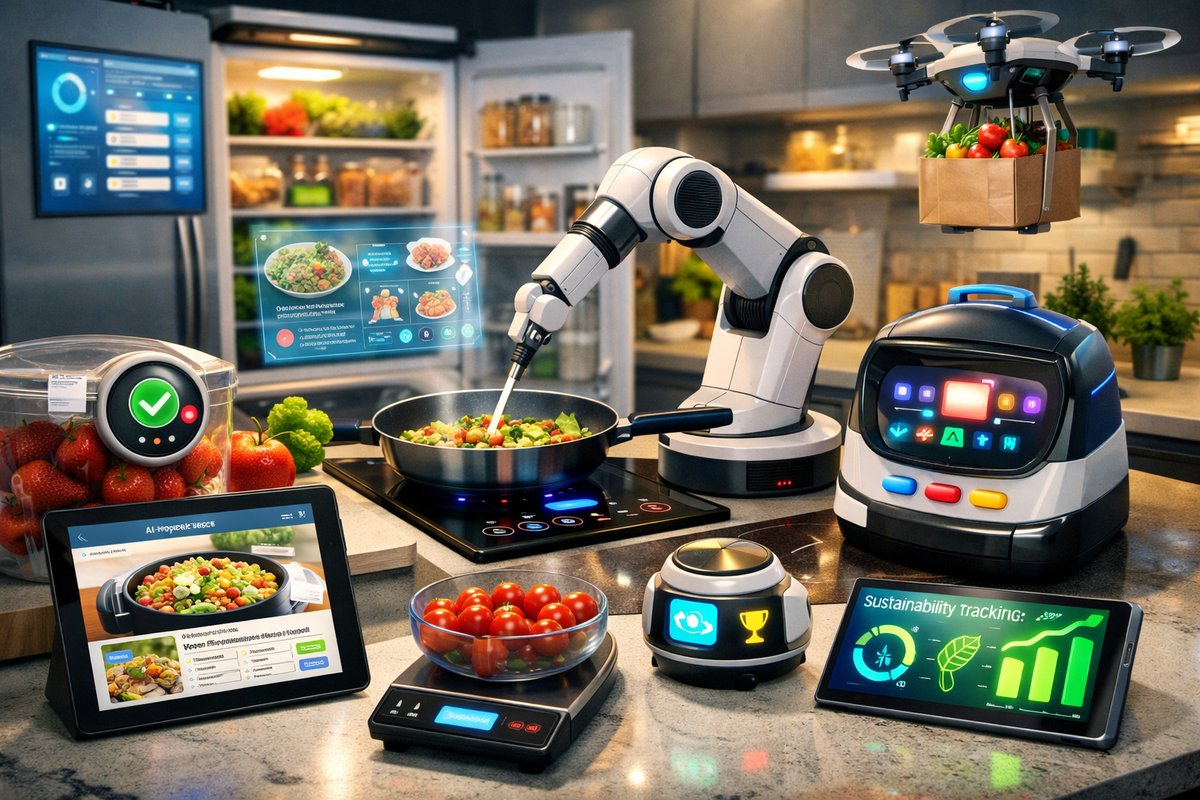
From freshness sensors that guard against spoilage to AI-driven recipe engines tailoring meals to your pantry, the latest wave of kitchen technology is transforming how we cook, eat and even shop. Gamified gadgets, robotic helpers and sustainability tracking are turning everyday cooking into a playful, data-driven adventure.
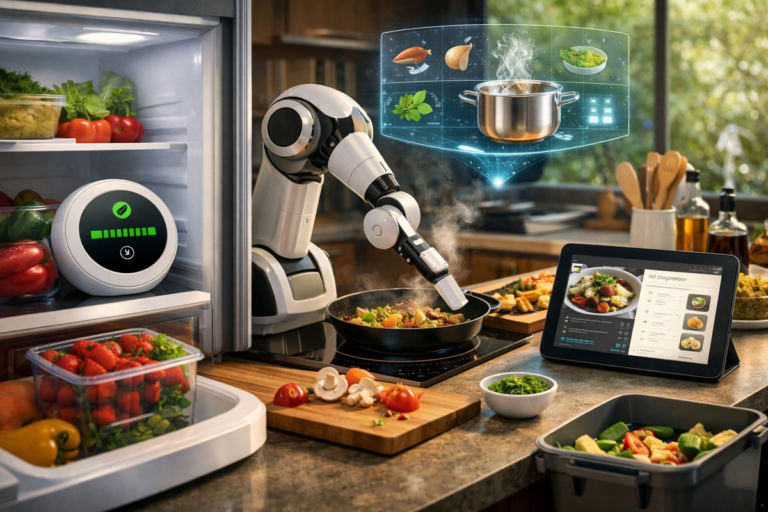
Imagine opening your refrigerator and receiving an alert that your leafy greens are about to go limp. Moments later, an AI-powered app suggests a vibrant pesto recipe using those exact ingredients-and even cues a connected oven to preheat to the ideal temperature. This is no sci-fi dream. A growing ecosystem of kitchen gadgets is merging sensors, machine learning and robotics to take the guesswork out of cooking and transform mundane tasks into seamless rituals.
In today’s news, several startups have unveiled portable freshness sensors-handheld devices that scan produce and packaging for spoilage markers. These units use near-infrared spectroscopy to measure moisture levels, pH shifts and microbial activity. Shoppers can wave the sensor over apples, avocados or vacuum-sealed meat and receive an on-screen freshness score. The result: reduced food waste and better tasting meals. Some models even integrate with smartphone apps, automatically updating your shopping list when produce dips below a safe threshold.
Parallel to freshness monitoring, AI recipe generators have seen a dramatic surge. By combining computer vision with pantry databases, these systems can recognize what’s in your cabinets and suggest recipes that match your dietary needs. A recent beta release from a tech accelerator program demonstrates how a smartphone camera can scan cereal boxes, spice jars and condiments, instantly build a digital inventory and deliver personalized meal plans in under a minute.
Meanwhile, robotic sous-chef arms are stepping out of industrial kitchens and onto the countertop. These pint-sized mechanical arms handle repetitive tasks: whisking eggs to soft peaks, folding batter, or precisely dicing onions. Controlled via drag-and-drop touch interfaces or voice commands, they free home cooks from tedious prep work. Early adopters report that the tactile precision of a robotic arm reduces wrist strain and ensures uniform cuts-ideal for anyone aiming to elevate their plating to restaurant quality.
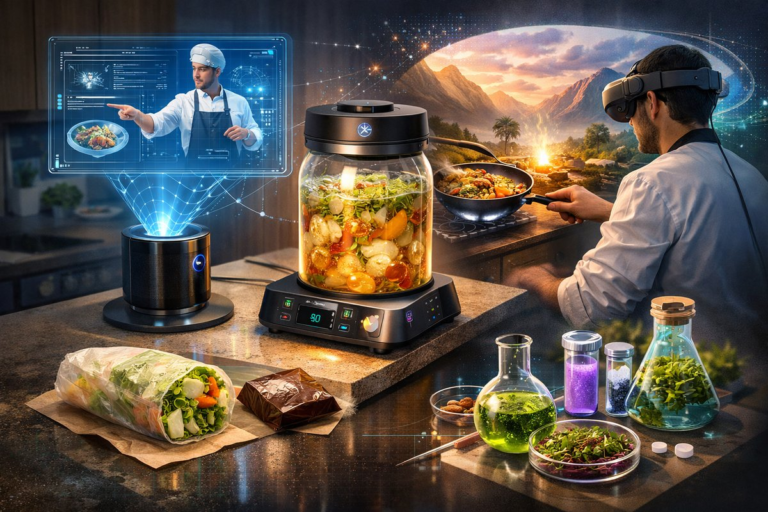
Beyond robotics, 3D food printers are exploring textural creativity rather than mass production. Kitchens outfitted with these units can extrude vegetable purees, chocolate and plant-based proteins into intricate shapes. Pastry chefs are experimenting with edible lattice structures, while nutritionists design geometric snacks fortified with vitamins. Though still niche, 3D printing in the kitchen points to a future where form, function and flavor merge in unexpected ways.
Sustainability has become a central theme in the smart kitchen movement. New platforms can track the carbon footprint of each ingredient you use. By scanning packaging barcodes, these apps estimate greenhouse gas emissions tied to farming, transport and processing. They then display eco-scores alongside nutritional information. Such transparency helps conscious cooks swap in locally sourced produce or plant-based proteins to lower their environmental impact without sacrificing taste.
Integration is another frontier. Voice assistants, meal-planning platforms and grocery-delivery services are forging deeper bonds. Next-gen gadgets can trigger shopping orders when pantry levels dip below specified thresholds. For example, a connected spice dispenser logs usage patterns, reordering saffron or cumin pods just before you run out. Seamless handoffs between cooking, tracking and shopping promise to streamline weekly meal prep from stove to storefront.
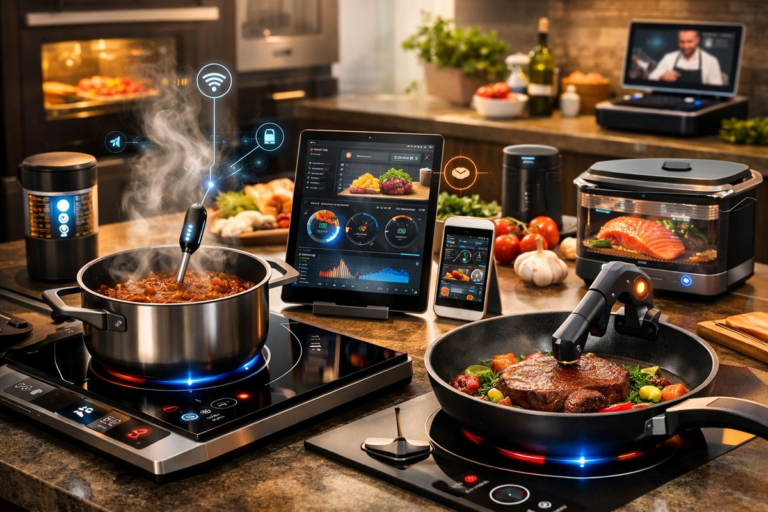
Modular design philosophies are underpinning many of these innovations. Instead of replacing entire appliances, you can attach sensor modules, app-controlled heating units or robotic add-ons to existing cookware. This approach reduces e-waste and lets cooks upgrade individual functions over time. A shopper might buy a standard convection oven and later snap on a temperature-mapping sensor that charts hot spots inside the cavity in real time.
Of course, these connected kitchens raise privacy and data-security questions. What happens when shopping habits, dietary preferences and even biometric cooking patterns are stored in the cloud? Industry insiders recommend choosing devices with on-device processing for sensitive tasks, end-to-end encryption and clear data-deletion policies. Trustworthy manufacturers are now displaying privacy-certification badges to reassure buyers that their culinary secrets stay in the kitchen.
Global adoption rates have climbed rapidly in urban centers. In one metropolitan pilot program, 40 percent of households tested smart compost bins that weigh food scraps, generate methane-reduction reports and automatically schedule pick-ups for community composting. Residents noted a 25 percent drop in landfill waste and discovered new compost-friendly recipes for leftover grains and produce trimmings.
Professional chefs and home cooks alike are embracing the playfulness these tools bring to basic routines. Flavor exploration has taken on a data-driven twist: apps can suggest unconventional pairings-like roasted grapes with smoked paprika or kelp-infused ice cubes-to spark creativity. Community platforms allow users to share “flavor experiments” complete with images, user-ratings and step-by-step instructions.
Challenges remain. High upfront costs, compatibility issues among competing standards and a sometimes steep learning curve can deter less tech-savvy cooks. Hardware maintenance-calibrating sensors or replacing robotic grippers-can introduce frustration. However, rental models and subscription-based hardware leasing are emerging to lower barriers and allow incremental upgrades.
Investors are pouring funding into the smart-kitchen sector at record pace. In recent quarters, venture capital rounds have emphasized companies focusing on AI-based food profiling, sustainability analytics and robotics for home use. Analysts predict that by the end of next year, connected kitchen devices will outsell traditional small appliances in many markets, signaling a tipping point for mainstream adoption.
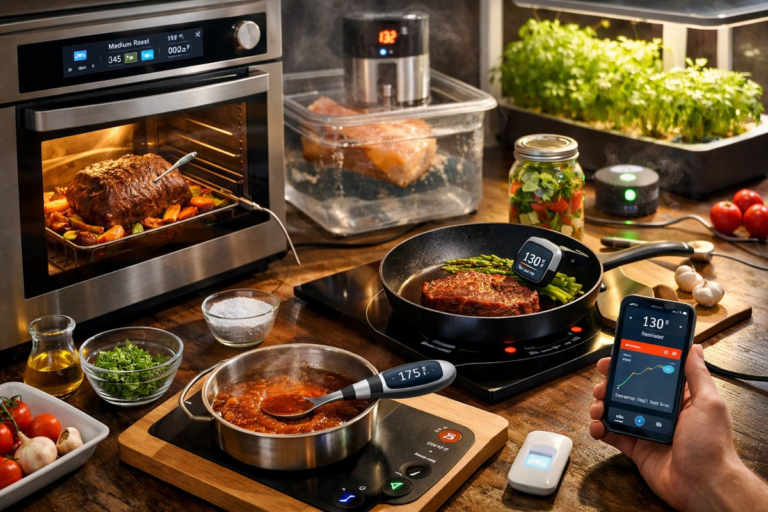
For curious cooks eager to dip a toe into this world, experts recommend starting small: add a precision immersion circulator for sous-vide cooking, pair it with a simple app to log temperatures, or invest in a pocket-sized freshness sensor. These first steps can deliver big gains in taste consistency and ingredient longevity without overhauling the entire kitchen.
Take the case of one weekend warrior in Oregon who used a handheld produce scanner to revive a bag of limp spinach. After the device flagged the greens as borderline, she whipped up a quick sauté with garlic, lemon and chili flakes-turning a near-waste scenario into a vibrant side dish. That single data point reshaped her cooking habits and inspired her to experiment with other freshness checks.
Looking ahead, the convergence of haptic interfaces, emotional-intelligence algorithms and advanced robotics promises to make cooking not only more efficient but more emotionally engaging. Imagine an oven that senses your stress levels through voice cues and adjusts the lighting and timer countdown in soothing colors and reminders. Such developments could transform the kitchen into a mindful space, where technology supports both culinary artistry and well-being.
As the lines between kitchen, laboratory and digital studio blur, home cooking is poised for its most radical reinvention yet. Whether you’re a flavor fanatic or a data devotee, the latest wave of food tech invites you to experiment, optimize and savor each moment-one sensor reading and one AI-crafted recipe at a time.