Location
Mount Vernon, WA 98274

Location
Mount Vernon, WA 98274
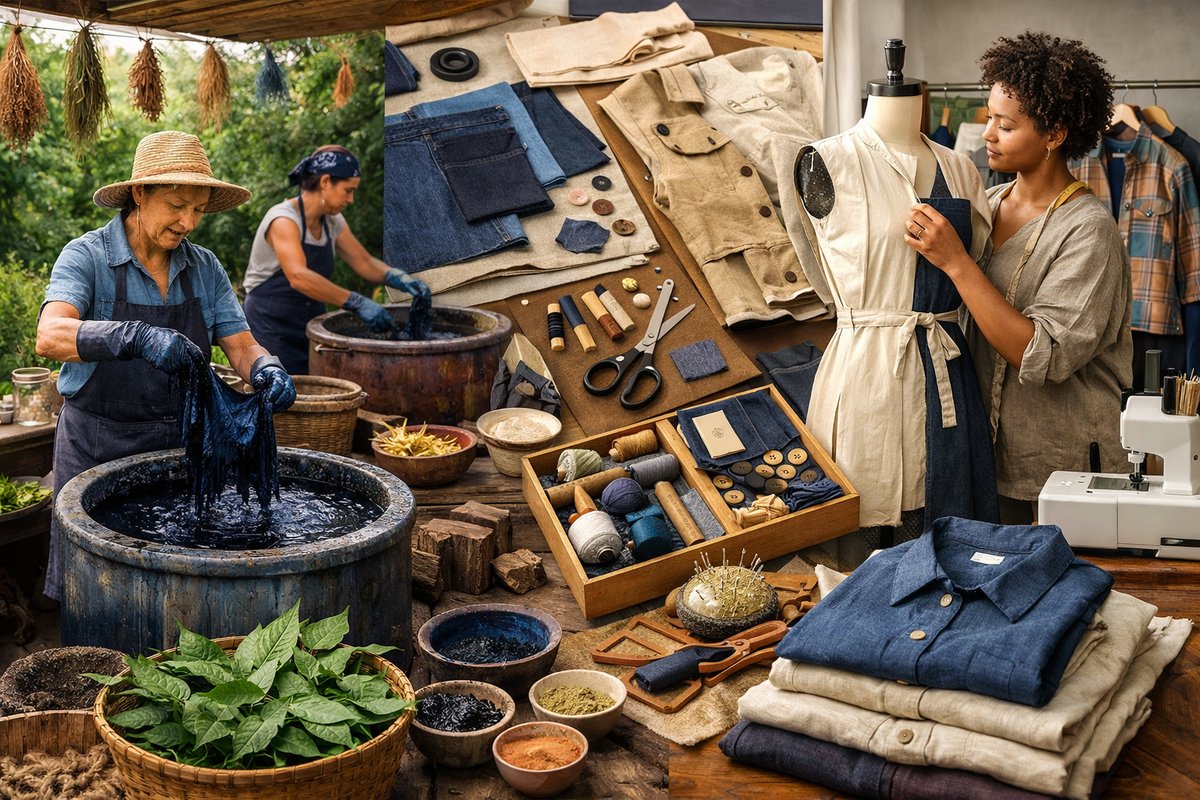
A surge of community dye workshops and bespoke zero-waste tailoring studios is reshaping how we source, create, and care for our wardrobes. From botanical indigo vats to modular garment kits, this movement blends traditional craft with modern innovation for a more sustainable future.
An unexpected blend of heritage craft and digital tools is fueling the latest chapter in sustainable fashion. Across pop-up workshops, independent studios and online platforms, makers and enthusiasts are reimagining every stage of a garment’s life cycle. The result is an eco-chic aesthetic that foregrounds zero-waste cutting, artisanal dyeing techniques and modular design, inviting consumers to become active participants rather than passive shoppers.
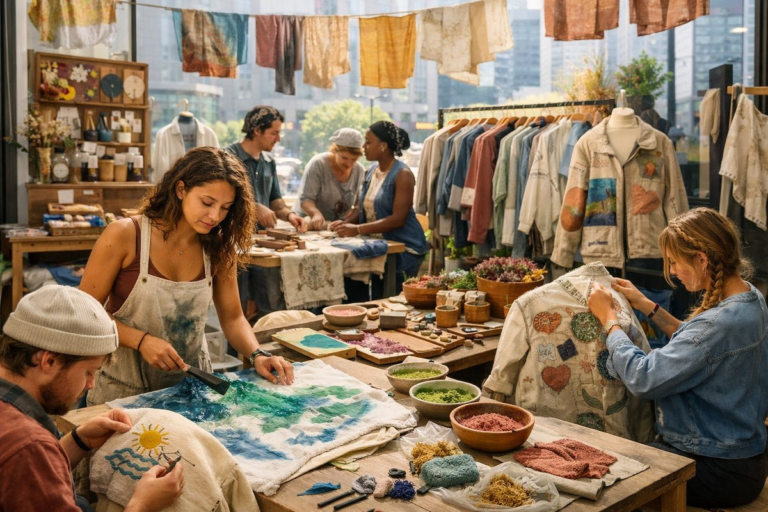
In cities from Portland to Copenhagen, community dye events are transforming underused community spaces into vibrant dye labs. Participants gather around steaming vats of plant-based dyes-indigo, madder root, and avocado pits-all harvested or repurposed from food scraps and local farms. Under the guidance of experienced dyers, they learn how pH levels, mordants and temperature curves impact hue. The hands-on process fosters deeper appreciation for color chemistry and the raw ingredients that give fabric its soul.
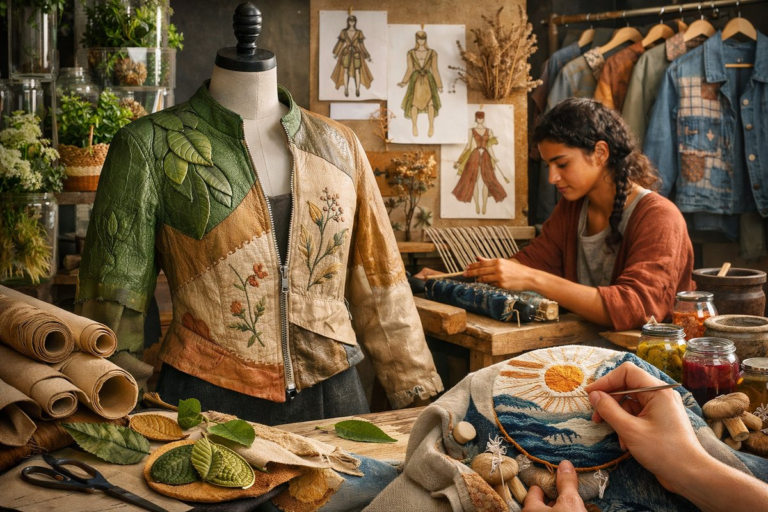
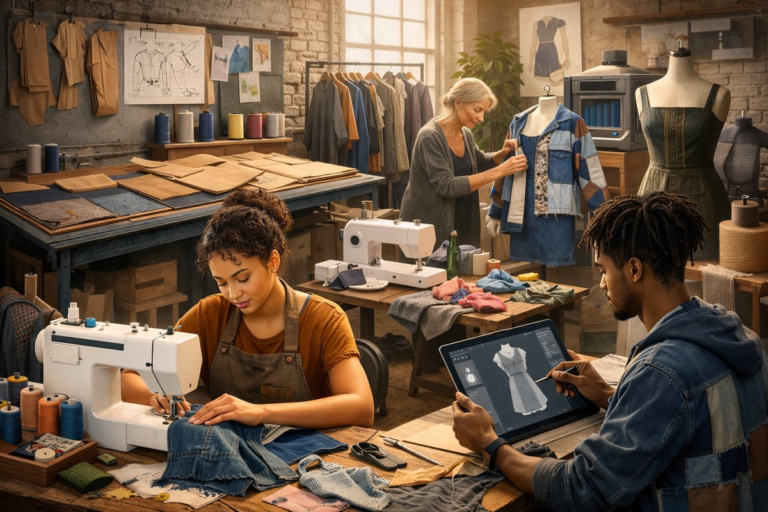
Simultaneously, a cadre of bespoke tailoring studios is charting a zero-waste path. Drawing on decades-old pattern design principles, these ateliers slice patterns to nest shapes closely on fabric, slashing offcut waste. Scraps become patchwork accents or padding for accessory lines. Some pioneering brands even offer a “fabric take-back” program-collecting old garments to be deconstructed, sorted by fiber and re-spun into new yarns. This closed-loop approach not only reduces landfill burden but also keeps textile value in circulation.
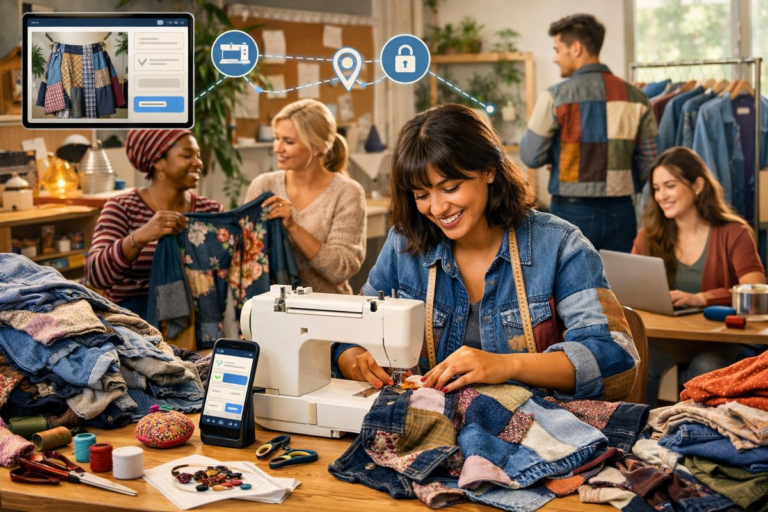
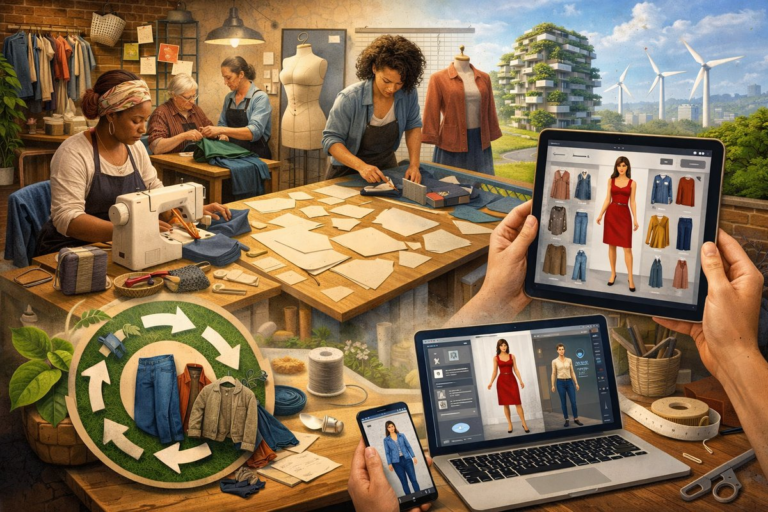
A key driver is modular clothing systems that allow wearers to customize pieces season after season. Imagine a base jacket with interchangeable sleeves in linen, recycled polyester or organic cotton. Or a skirt panel that snaps into different lengths and layers for variable silhouettes. Digital pattern-sharing platforms let users download and remix designs, tapping local maker spaces or home sewing setups to assemble garments with minimal machine time. This participatory model shifts ownership from mass brands to communities of creators.
Behind all of this is growing consumer awareness around the environmental toll of fast fashion. Recent studies estimate that textile production accounts for nearly 10 percent of global carbon emissions and devours vast quantities of freshwater. Synthetic dyes, microplastics from wash cycles and landfills stuffed with discarded clothes compound the crisis. Many fashion-curious millennials and Gen Z buyers are now demanding transparency in supply chains, ethical fiber sourcing and extended product lifespans.
It’s not just hobbyists who are responding. Venture capital flows into textile recycling ventures and digital tailoring apps have tripled in the past two years. A handful of new brands are partnering with research labs to develop biodegradable fabrics infused with natural antimicrobial properties, cutting down on laundering frequency. Meanwhile, established mills are investing in closed-water dyeing systems that recover and neutralize wastewater. The result is a supply chain recalibration at every level.
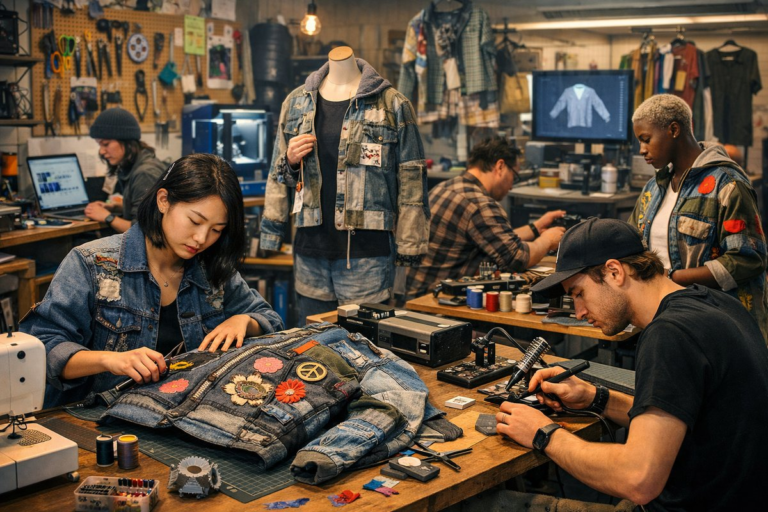
These shifts are most visible at the grassroots. Take the case of a refurbished warehouse turned community fabric library. Members scan inventory via an app, borrow off-cuts or full yards of deadstock cloth, then return or replenish with donations. Weekly meetups feature guest instructors on mending techniques, pattern hacking and slow stitching. The space doubles as a living showroom-anyone can try on prototypes or contribute to a communal patchwork mural wall.
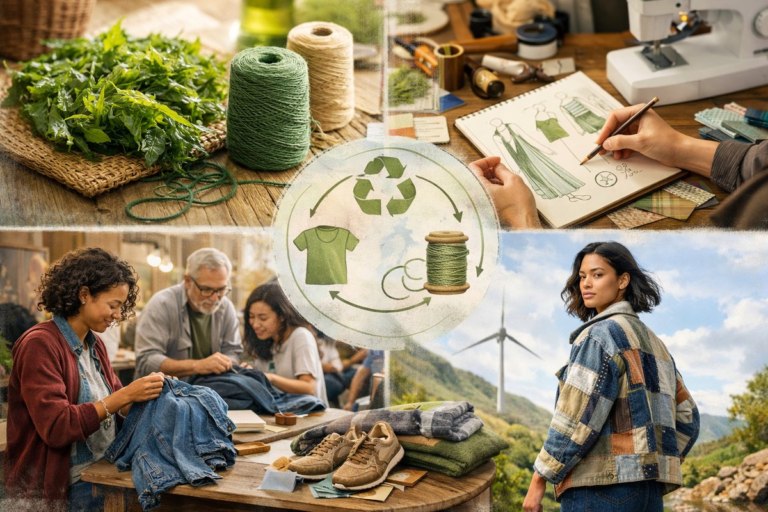
On the product development front, designers are experimenting with algae-based pigments that require no mordants and can biodegrade harmlessly. Others are drawing inspiration from circular natural cycles-using fruit peels, nut shells and coffee grounds to create rich taupes and rust tones. By documenting recipes and batch data on open-source repositories, dyers worldwide can replicate or modify the process without relying on synthetic formulas.
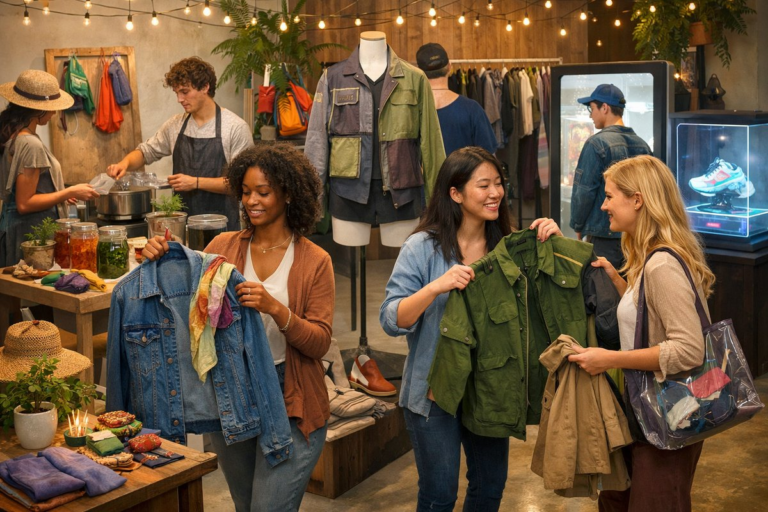
Perhaps most surprising is how these sustainable impulses are infusing mainstream storefronts. A handful of large retailers are piloting in-store dye stations where customers can bring in plain white or neutral garments to customize with earth-friendly pigments. Some offer on-the-spot patch repairs or decorative embroidery as an upcharge service. These experiential add-ons not only extend the lifespan of mass-market pieces but also build emotional connections between wearers and their clothing.
Critics caution that scaled-up adoption will require regulatory guardrails around natural dye sourcing and wastewater management. Improper collection of botanical materials could pressure wild plant populations, while unmonitored exhaust from community workshops may introduce tannins or metal mordants into storm drains. Collaborative frameworks between local municipalities, nonprofit environmental groups and industry players are emerging to certify best practices and ensure resource stewardship.
Consumers also play a pivotal role. Simple acts-like choosing clothes that can be easily mended, washing less frequently in cold water, or swapping garments instead of discarding them-contribute to the movement’s momentum. Online marketplaces dedicated to preloved and repurposed fashion are thriving, fueled by a new ethos that values longevity over novelty.
This convergence of craft heritage, digital innovation and ethical accountability marks a turning point. Zero-waste tailoring studios and artisanal dye communities are not just niche curiosities; they are proof points that style and sustainability can co-exist without compromise. As workshops pop up in unexpected urban corners and modular garment kits flood social feeds, the fashion industry is waking up to a more circular future.
For anyone seeking to deepen their style story, these emerging practices offer both aesthetic pleasure and tangible impact. Whether crafting a one-of-a-kind vintage denim jacket with hand-applied botanical prints, or subscribing to a modular tee program that ships new fabric panels each season, the power is in the maker’s hands. In this eco-chic revolution, every stitch, every shade and every choice speaks volumes about the world we want to wear tomorrow.