Location
Mount Vernon, WA 98274

Location
Mount Vernon, WA 98274
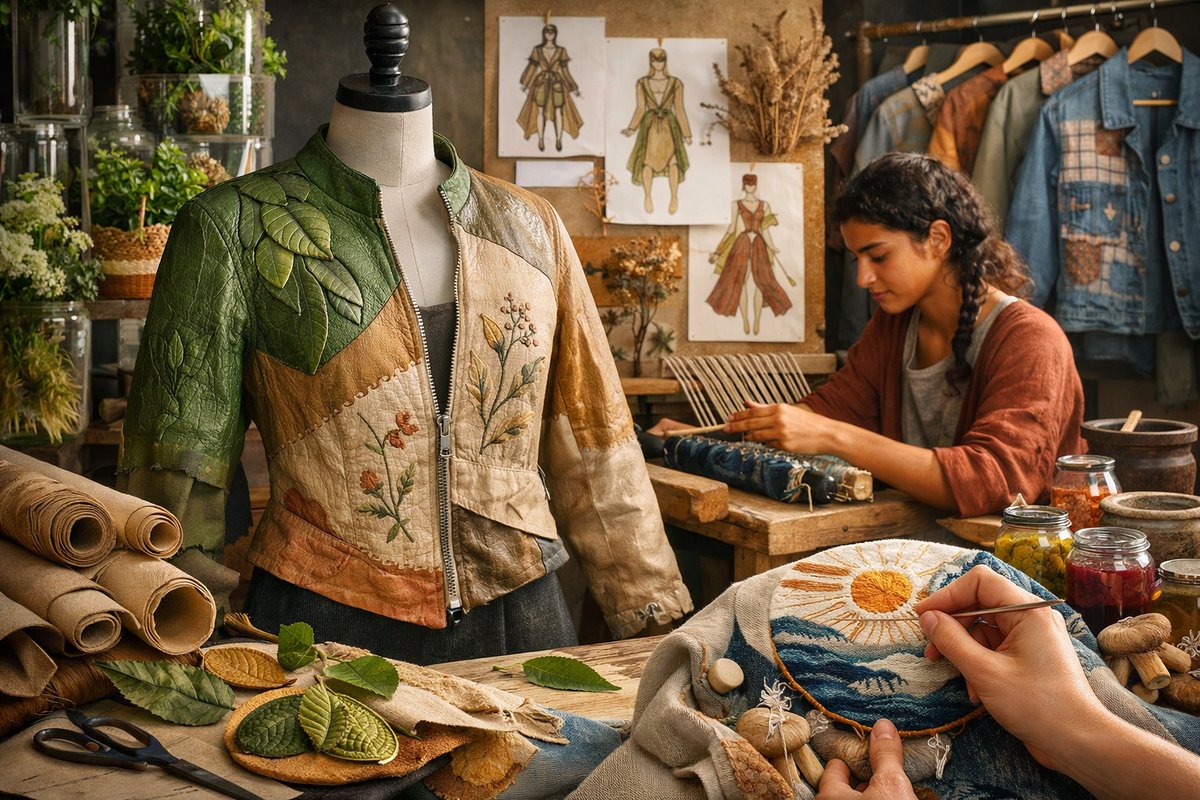
A new wave of designers and artisans are transforming garments into living narratives, blending sustainable materials with personal expression. From biopolymer leather alternatives to community-driven craft workshops, fashion is becoming a canvas for individuality and environmental advocacy. Explore how emerging tools and practices are redefining what it means to wear your values.
In a former textile warehouse turned design hub on the edge of a European capital, visitors are lined up to experience an exhibition unlike any other. At “Threads of Identity,” mannequins draped in flowing tunics tell stories of migration, hand-stitched denim jackets chronicle community initiatives, and digitally printed scarves capture the signatures of supporters for environmental causes. This immersive showcase marks a pivotal moment in the fashion world, one where sustainability, technology and autobiography converge.
Gone are the days when clothing was merely a matter of style or season. Today, a growing contingent of designers and consumers demands that what you wear reflects not only personal taste but also values and convictions. Industry reports from recent global fashion weeks highlight a 35% increase in sustainable collections, while consumer surveys indicate that more than half of shoppers under 30 prioritize ethical sourcing and transparency. Label tags now carry QR codes linking to raw material origins, production footprints and even artisan biographies.
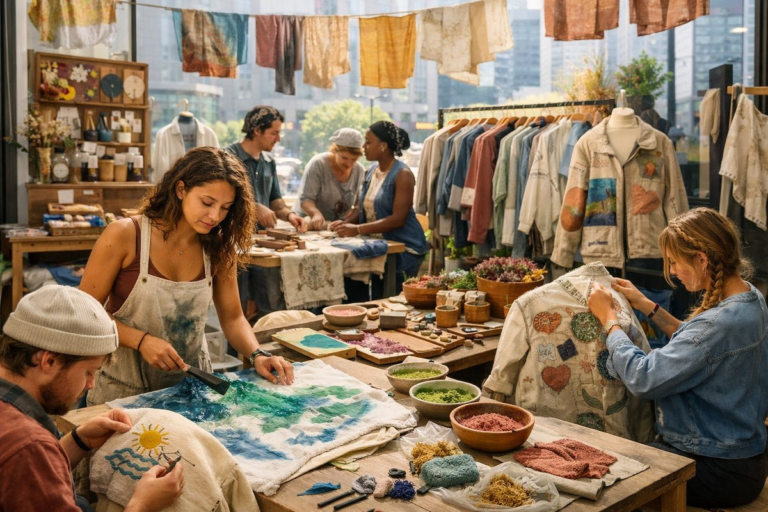
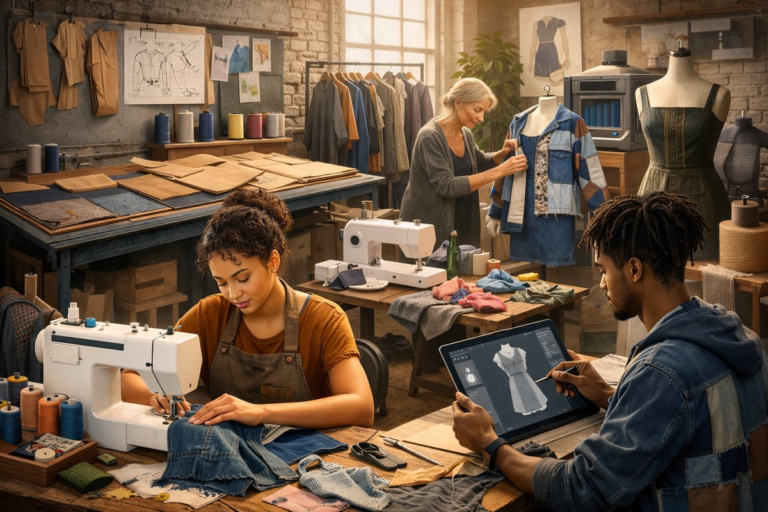
But beyond certifications and carbon calculations, the latest trend centers on narrative-driven apparel. In cities from Tokyo to São Paulo, pop-up ateliers invite participants to contribute text, sketches or personal photographs that are then transformed into patterns or embroideries. Some workshops use open-source software to translate user input into generative prints, allowing everyday customers to co-design limited-edition runs. This democratization of pattern making is reshaping the designer-consumer relationship by placing storytelling at its core.
Biotech startups are also playing a starring role. At a recent sustainable innovation fair in Berlin, one company unveiled a leather-like material grown from fungal mycelium that can be custom-tinted using plant-based dyes. Another showcased a translucent, algae-derived textile that changes color in response to air quality-ideal for wearers in urban environments who want visual reminders of the world around them. These materials are drop-in replacements for conventional fabrics, meaning they work with existing manufacturing processes and tailors.
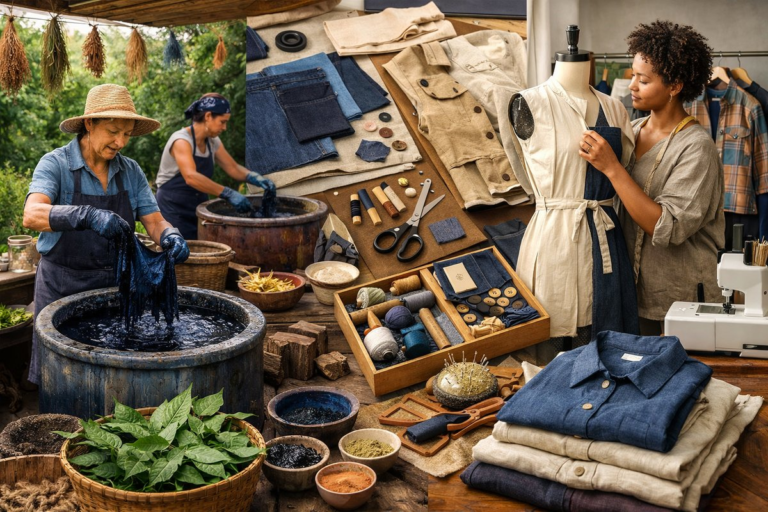
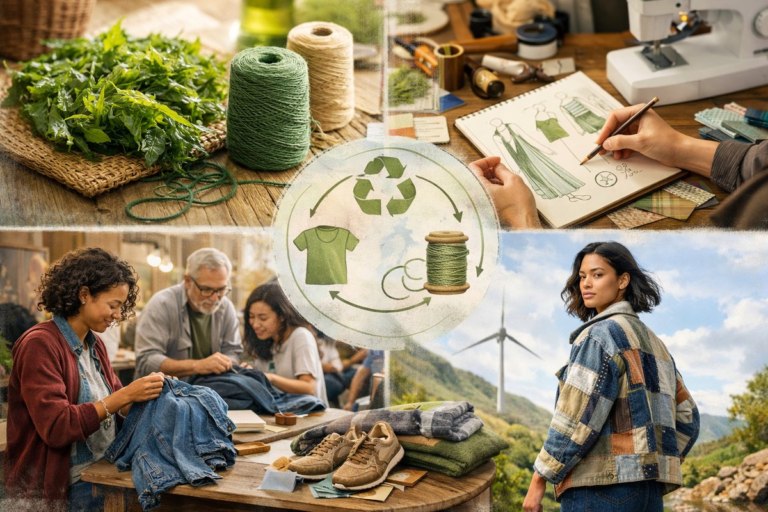
Meanwhile, microenterprises are sprouting in underrepresented regions, leveraging mobile dye labs and solar-powered sewing machines to produce capsule collections rooted in local craft traditions. In a small coastal town, artisans harvest seaweed to derive natural pigments that yield deep indigo blues. Inland, a co-op sources linen from regenerative farms, turning outdated crop residues into button-grade bioplastic buttons. The result is minimal waste, support for rural economies and garments imbued with regional heritage.
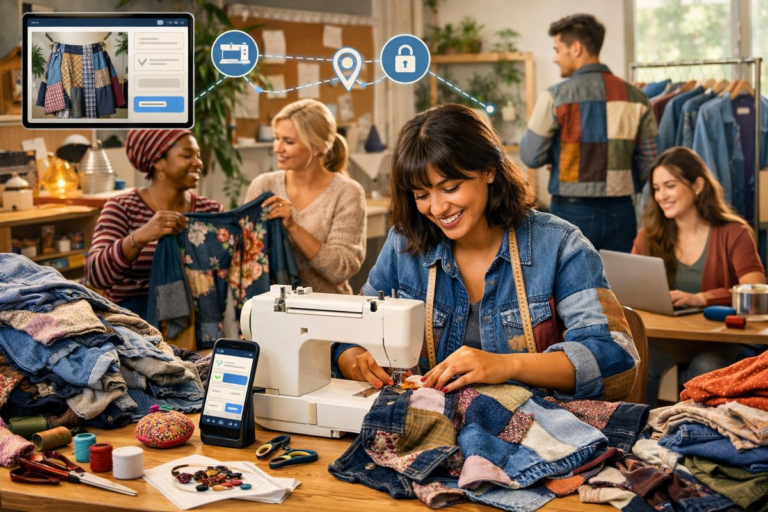
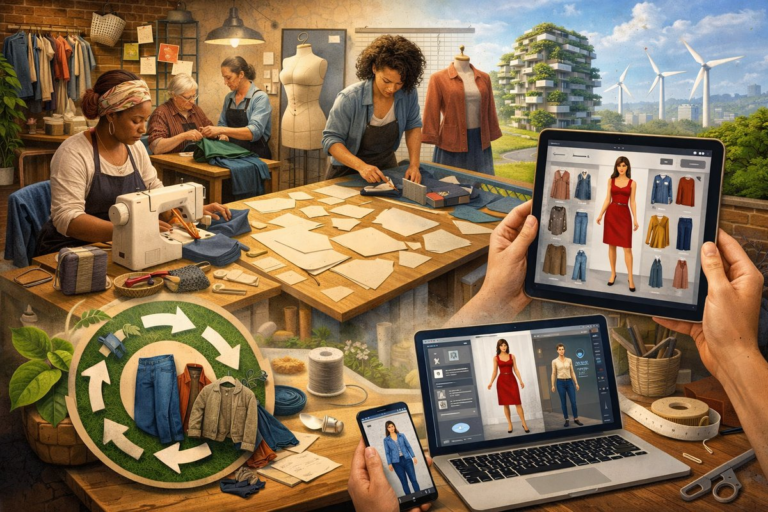
Digital platforms are keeping pace. A handful of emerging apps let users upload life milestones-like graduation, community service or a family journey-and algorithmically map those events onto fabricized infographics. The finished product might feature a timeline across the hemline or constellation-like starbursts at the neckline, each symbol anchored by a key in the lining. This form of “data couture” invites wearers to literally wear their histories and values on the outside.
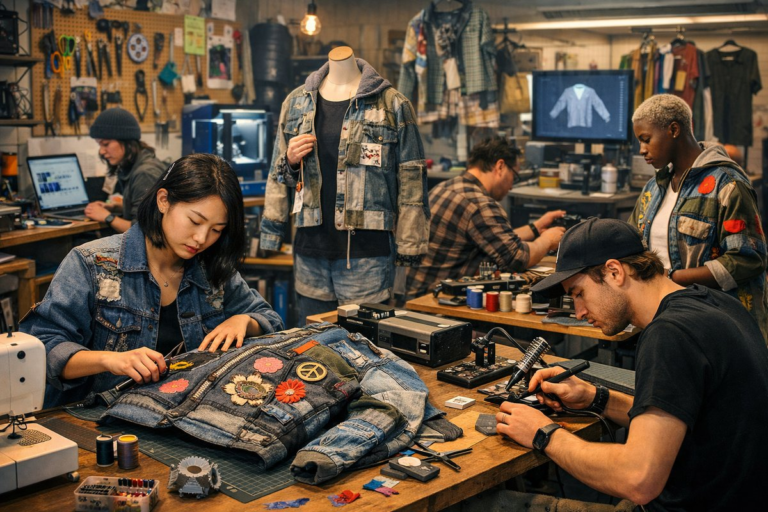
Critics argue that the trend toward hyper-personalization risks turning style into vanity display or exacerbating consumerism. But designers working in this space emphasize repair, reuse and circularity. One studio staples in miniature seed packets into garment labels so that once a piece reaches the end of its life, the owner can plant the tags to grow wildflowers. Repair kits are included to encourage mending over replacement, and marketplaces are emerging for trading or upcycling narrative pieces that no longer fit a wearer’s story.
Government and NGO support has begun to follow. A recent regional initiative in South America announced grants for designers integrating community narratives into slow-fashion models. The plan includes funding for handloom cooperatives, digital embroidery machines and training programs for young artisans. By framing apparel as a medium for social dialogue, policymakers hope to create jobs while preserving intangible cultural heritage.
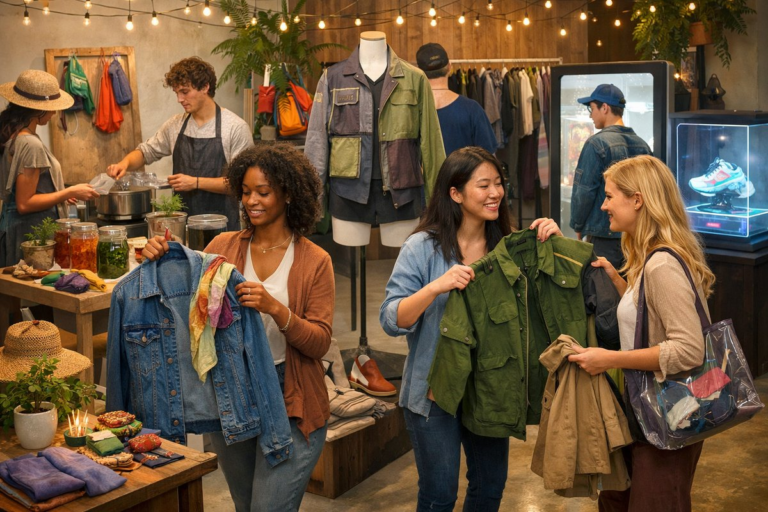
On the retail side, select boutiques are experimenting with installation-style selling: customers enter rooms designed as living rooms, kitchens or community centers, where garments hang alongside photo journals and video testimonials from the people who influenced each piece. This multisensory approach aims to connect shoppers to real human stories rather than anonymous factory production lines.
Of course, challenges remain. Sourcing consistent batches of biotextiles at scale can be difficult, and shipping finished narratively rich garments internationally may undermine some sustainability gains. Data privacy is another concern: when personal information is embedded in clothing, wearers must be confident that only they control how that story is shared. Open standards for secure, anonymous story-mapping are still under development.
Yet for many pioneers, these obstacles are part of the creative journey. At an open-air festival in North America, collaborative groups of strangers joined fabric-printing stations to co-create “patchworks of purpose.” Each square represented an aspiration-climate action, mental health awareness, refugee support-stitched together by volunteer sewers into a communal tapestry that now travels to schools as a teaching tool.
What does all this mean for the everyday wardrobe? Expect to see more items marketed not by color or cut alone but by concept: a “Waterway Conservation Tee,” each printed with data on lost wetlands; a “Solar Soil Jacket” dyed using photovoltaic-powered vats; or an “Ancestral Continuum Dress” woven with yarn spun from heritage grain fibers. These garments will carry educational insert cards, AR markers for virtual storytelling and modular attachments that let wearers customize pieces seasonally.
The fashion calendar is already adjusting. Mainstream runways, once dominated by novelty silhouettes, are opening segments for narrative and sustainable lines, with buyers scouting pieces that tell cohesive stories. Even fast-fashion brands are testing subscription models where customers receive one story-driven garment each quarter, along with instructions for remaking or returning it for material recycling.
As the market matures, standardization efforts are expected to rise. Industry groups are developing best practices for verifying narrative authenticity, ensuring that digital annotations truly represent contributor voices rather than corporate marketing spin. Blockchain pilots are underway to timestamp garment stories, creating immutable records of origin and evolution.
For consumers, the takeaway is clear: fashion is no longer a silent backdrop but an expressive medium. How we dress can amplify community voices, memorialize personal journeys and call attention to urgent causes. In this moment of convergence-between biochemistry, digital design and social activism-clothing becomes both canvas and catalyst.
Looking ahead, the lines between apparel, art installation and social platform are likely to blur further. Imagine connected wardrobe apps that suggest new story updates based on recent life events, or neighborhood pop-up looms where passersby can weave a shared message into a public quilt. These innovations point to a future in which every closet serves as a library of experiences, ripe for renewal and reinterpretation.
The era of passive consumption is waning. Instead, fashion is stepping forward as a participatory infrastructure, one where each seam tells a tale, every patch holds significance and each garment carries the imprint of human connection. In that richly woven tapestry, we don’t just wear clothes-we wear our values.