Location
Mount Vernon, WA 98274

Location
Mount Vernon, WA 98274
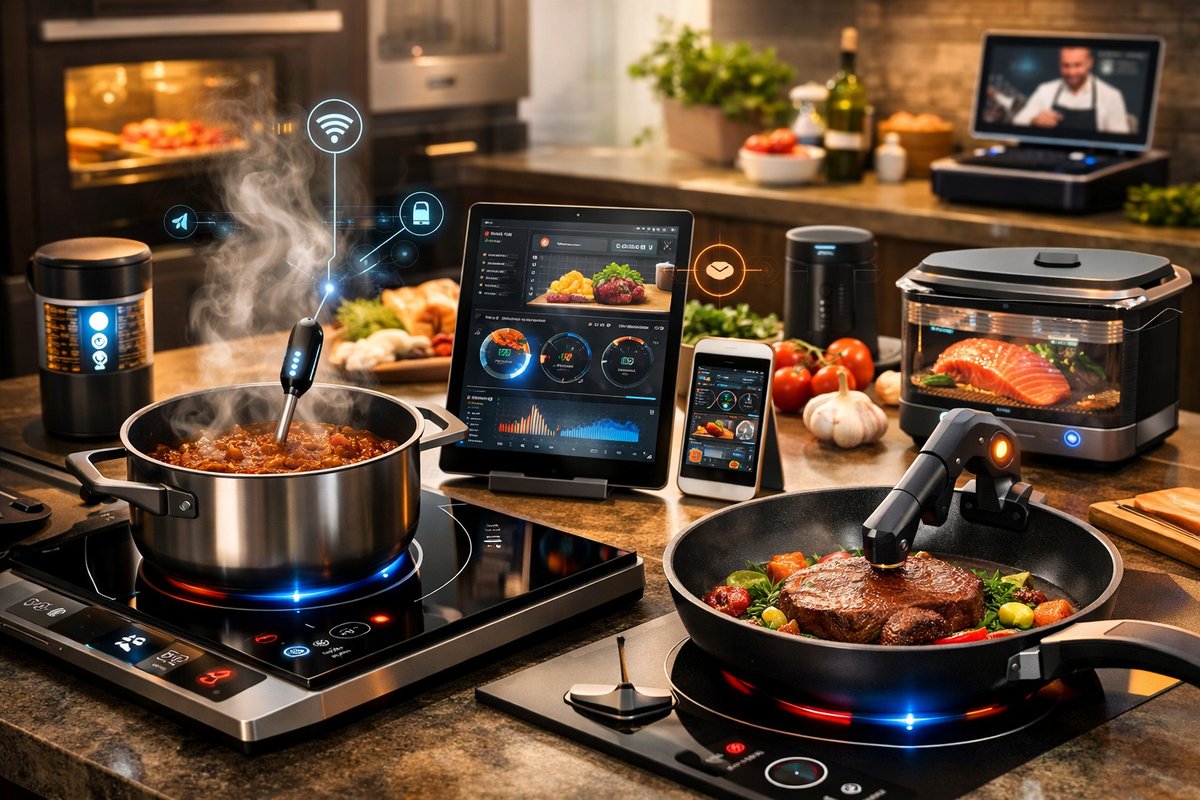
A new generation of kitchen gadgets is blending sensors, connectivity, and artificial intelligence to guide every stir, sear, and simmer. From aroma-sensing probes to app-driven cookware, today's innovations promise to elevate flavor, reduce waste, and turn home cooks into culinary explorers.
Cooking has always been a blend of art and science, but recent breakthroughs in kitchen technology are shifting that balance in surprising ways. No longer limited to simple timers and thermostat knobs, today’s appliances come wired, sensor-laden, and algorithmically empowered. These next-gen tools aren’t just about convenience-they’re designed to track freshness, learn your taste preferences, and even coach you toward perfect results. For curious cooks and playful palates, the promise is tantalizing: meals that feel tailor-made and leave nothing to chance.
Imagine a small probe that scans the aroma of a simmering curry and alerts you through an app when the balance of spices has reached its ideal “sweet spot.” Or a cooktop surface that measures the thermal conductivity of each pan, automatically adjusting heat zones to match the metal and contents beneath. These are no longer prototypes confined to research labs. In homes across the country, hobbyists and early adopters are reporting richer sauces, more consistent roasts, and fewer burnt edges.
One startup out of the Midwest has developed a handheld flavor sensor that analyzes volatile compounds released during cooking. By comparing real-time readings to a cloud-based flavor database, it can tell you if your chili needs more acidity, if a steak is approaching medium-rare, or if your bread dough has developed adequate fermentation aromas. This portable device, about the size of a smartphone, links via Bluetooth to a companion recipe app that offers instant adjustments-drizzle a spoonful of lemon, toss in an extra clove of garlic, or let the dough proof for five minutes longer.
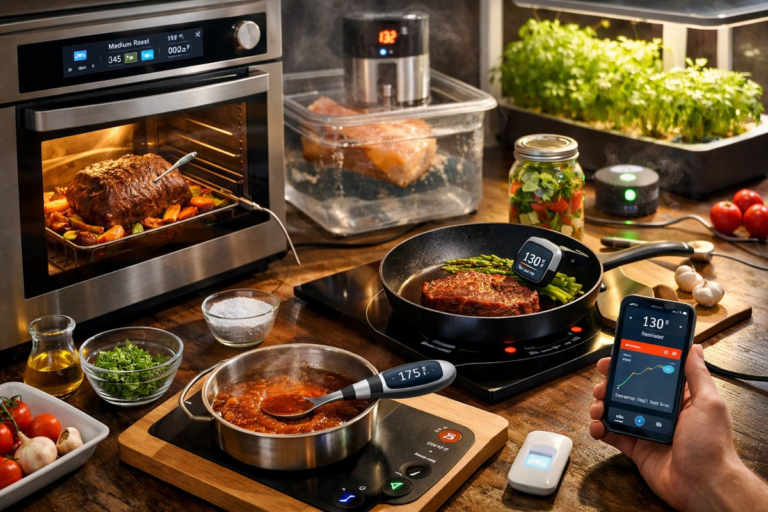
At the heart of these advances is the marriage of Internet of Things (IoT) connectivity with machine learning. Take induction cooktops that learn your pan’s footprint and estimated heat capacity. As you move a pot around, embedded sensors measure metal thickness and temperature rise, feeding that data into an onboard AI model. The result: precise simmering, reliable searing, and automatic switch-off when liquids hit your preset boil point. Users report that rice grains no longer stick, jams no longer scorch, and delicate sauces maintain a perfect emulsion.
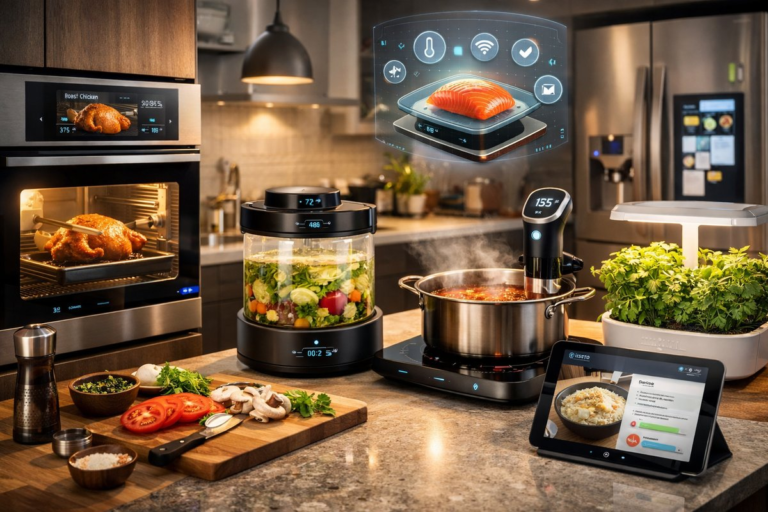
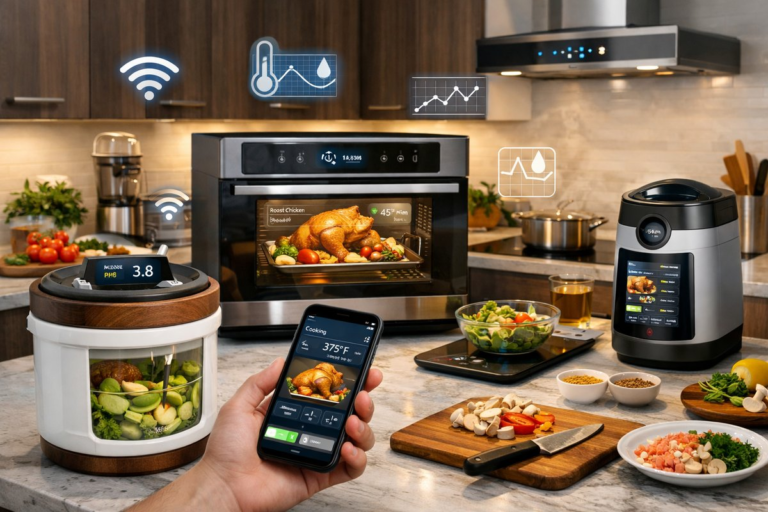
Beyond stovetop wizardry, countertop appliances are also getting smarter. Air fryers that sync with recipe platforms can download pretested cooking profiles for hundreds of dishes. Simply scan a QR code or tap a recipe in the app, and the machine will set time, temperature, and fan speed accordingly. No more guesswork on chicken wings or crinkle-cut fries-just crisp, golden results. And if you prefer to experiment, the interface allows you to tweak each parameter and save custom programs for future use.
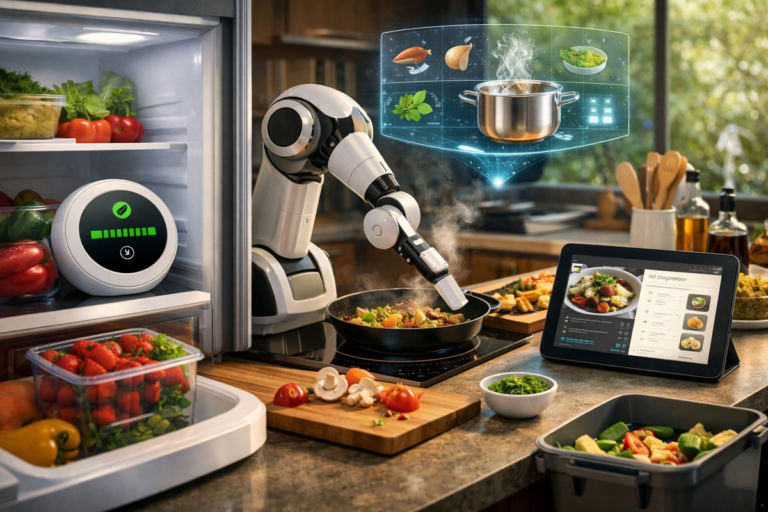
Another frontier is freshness monitoring. Smart storage containers embedded with humidity and gas sensors can track the condition of produce, dairy, and meat. These containers connect to your phone, sending alerts when greens begin to wilt or when cheese is at peak flavor development. By guiding users to consume ingredients at their optimal moments, these systems aim to cut down on food waste and save money-an increasingly urgent goal for sustainability-minded households.
For novice cooks, guided experiences are proving transformative. Picture a voice-controlled assistant integrated into a range hood or wall-mounted touchscreen. As you load ingredients into a smart skillet, the assistant walks you through each step: “Add the onions now and sauté until translucent-about two minutes. Then stir in the garlic and toast for 30 seconds.” The device monitors internal pan temperature, too, so it knows when the garlic will brown or burn. Instead of juggling timers and ingredient bowls, you simply follow along.
Yet even advanced tech can’t erase the joy of sensory discovery. That’s why many innovators are focusing on open platforms that encourage user-generated recipes and sensor-data sharing. Online communities now trade aroma profiles for regional dishes, calibration settings for heirloom cookware, and troubleshooting tips for finicky sensors. This makers-style culture brings a spirit of curiosity and collaboration-reminding us that technology should expand creativity rather than replace it.
Despite the buzz around algorithms, design and ritual remain central. Appliances with intuitive tactile controls, warm ambient lighting, and customizable skins honor cooking as a sensory experience. Some smart devices even emit gentle haptic feedback when ingredients are stirred at just the right rhythm or intensities mimic a mortar and pestle grind. These features underscore an important lesson: kitchen tech works best when it complements human intuition rather than overrides it.
Practical benefits are also clear in energy management. Smart ovens can distribute heat more efficiently by mapping interior hotspots, while connected hobs coordinate multiple burners to avoid energy spikes. Some systems integrate with home energy monitoring platforms, adjusting cooking schedules to off-peak hours or suggesting batch-cooking plans when renewable power supply is high. By linking culinary routines with broader sustainability goals, these innovations empower eco-conscious cooks to reduce their carbon footprint.
In real kitchens, integration remains the biggest hurdle. With dozens of devices from various makers-each with its own app and wireless standard-cross-compatibility can falter. To address this, an industry consortium is working on an open connectivity protocol for culinary devices, promising seamless interplay between cooktops, scales, sensors, and ovens. If successful, cooks could orchestrate an entire meal with a single unified interface, from pulling out ingredients to plating the final dish.
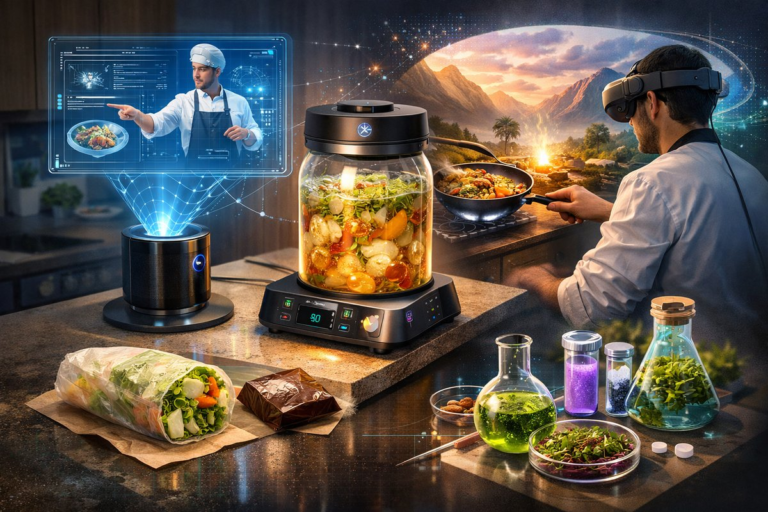
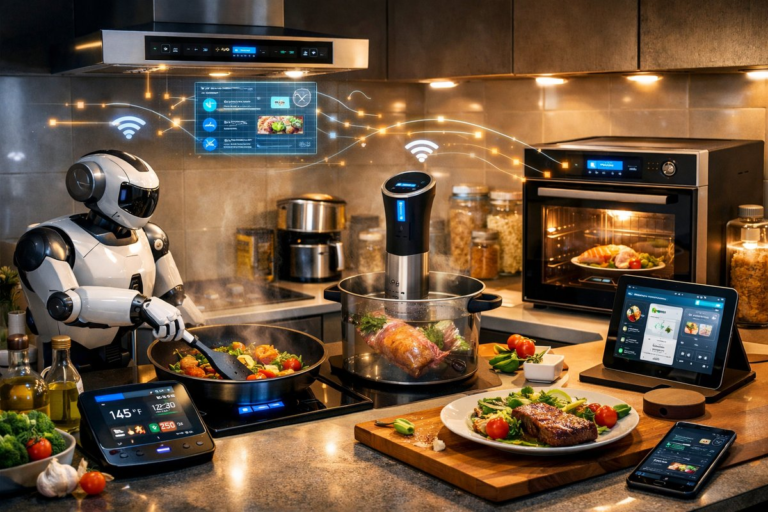
Looking ahead, the vision extends even further. Researchers are exploring flavor-focused robotics that perform delicate tasks like folding omelets or shaping pasta. AI companions could curate menus based on dietary goals, pantry inventory, and even local farmer’s market availability. Augmented reality glasses may project step-by-step cooking cues directly onto your work surface. While these concepts border on futuristic, today’s smart kitchen gadgets reveal that the path to tomorrow’s culinary landscape has already begun.
For adventurous cooks and everyday meal-makers alike, smart kitchen technology offers a fresh palette of tools. From aroma-mapping sensors to energy-aware ovens, these gadgets invite us to reimagine home cooking not as a chore but as an interactive, data-driven craft. As devices learn from our habits and preferences, they free us to explore new flavors, refine our techniques, and savor the moment-proof that when flavor meets firmware, the kitchen becomes a playground of endless discovery.