Location
Mount Vernon, WA 98274

Location
Mount Vernon, WA 98274
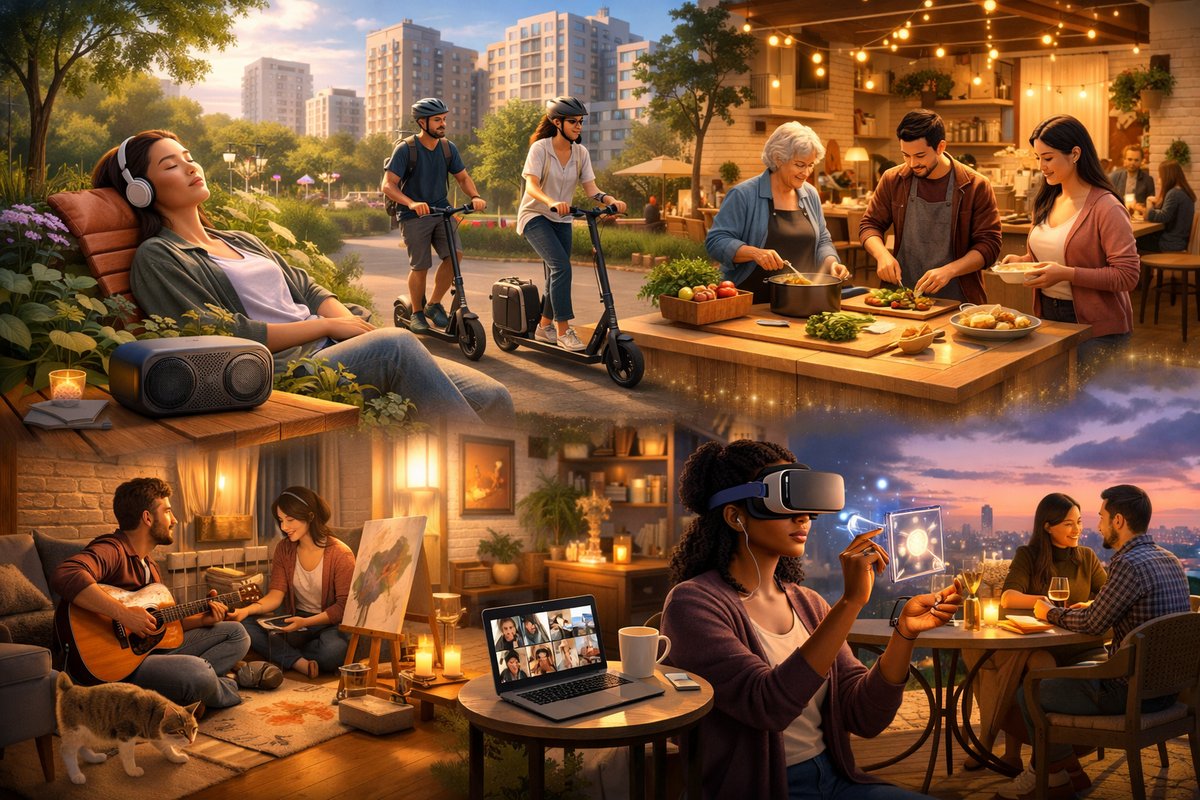
Across neighborhoods and living rooms, a constellation of subtle shifts is reshaping how we eat, commute, connect, and create. From portable soundscapes in public gardens to pop-up community kitchens in apartment lobbies, these micro-trends point to a future grounded in intimacy, adaptability, and emotional intelligence.
Every so often, the most influential changes arrive not as grand declarations but as faint ripples beneath everyday routines. As cities densify and digital noise grows louder, people are instinctively carving out brief, intentional pockets of calm, creativity, and connection. These emerging patterns aren’t viral sensations or headline-grabbing innovations; they are micro-rituals and designs quietly weaving themselves into the fabric of daily life. Here are six of the most compelling micro-trends that promise to guide our next cultural pulse.
The ritual of powering down has evolved into a practiced art. Beyond weekend digital detox retreats, “phone-curating dinners” are sprouting in urban dining rooms where participants deposit devices in a central basket before gathering around shared plates. Hosts often provide a printed menu of light prompts-questions about a childhood memory or a moment of gratitude-to steer the conversation. Within 15 minutes of device-free interaction, habits of reflexive scrolling give way to genuine eye contact and laughter. As fleeting as these dinners may be, they hint at a widespread desire for micro-moments of focused presence.
Micro-mobility has matured from sporadic e-scooter trials to neighborhood-oriented commuter hubs. In several mid-sized cities, cargo-capable electric bikes now sit alongside shared umbrellas and portable phone chargers at street corners, tucked beneath solar-powered canopies. Riders scan a simple QR code to unlock a bike, glide to a nearby transit stop or café, and then return it to any designated hub within a two-block radius. This frictionless system addresses the last mile without demanding monthly subscriptions or long locking docks. As people opt for a five-minute ride over a ten-minute walk, local traffic gently eases and carbon footprints shrink by fractions-micro-wins with collective impact.
Communal cooking has transcended weekend pop-ups to become a fixture in multi-family residences. In newly designed apartment complexes, shared kitchens host “pantry swaps,” where neighbors trade spices, homemade sauces, or surplus harvests from balcony gardens. Movable induction hot plates and collapsible prep stations are often stored on open shelves, ready for spontaneous gatherings. A resident might arrive home with ingredients for a single-dish curry and find three others waiting to season, stir, or sample. These micro-jams of culinary collaboration foster empathy and reduce individual food waste, turning solitary meal prep into micro-celebrations of interdependence.
Ambient wellbeing is seeping into public spaces through discreet technology. In several parks and coworking courtyards, low-profile speakers hidden in planters emit gentle soundscapes-rainfall with distant thunder, soft bird calls, or minimalist piano loops. Park visitors slip on lightweight earbuds pre-paired to a local network or tune in via their own devices to stream a unified sonic cushion. The effect is subtle: chatter and traffic noise recede by a quarter, stress markers dip, and short bench breaks feel restorative. Urban planners now view these “sound baths” as modular components in small plazas, cluing into the idea that emotional wellness need not occupy its own building but can ride alongside everyday routines.
As living spaces shrink, adaptive furniture and micro-living kits are ushering in new design codes. Fold-away kitchens that disappear behind cabinet doors, sofa beds with built-in storage, and mobile shelving units on casters have long existed, but the latest wave emphasizes modularity. Vertical garden planter kits mount on balcony fences or inside window frames to green narrow corridors. Slip-on cushion covers and snap-together shelving can be swapped out seasonally, personalizing each micro-environment with ease. These elements allow residents to reconfigure a single room from home office to dinner table to mini-studio, responding to shifting needs without a single power tool.
Creativity, too, is undergoing a micro-transformation through AI-assisted tools designed for public play. Local art collectives are staging “prompt parties” in empty storefronts, where passersby jot a phrase-“morning mist on steel rooftops,” “library of forgotten memories”-on a whiteboard. An on-site digital kiosk then translates these prompts into generative visuals projected on nearby walls. Attendees may pick up a stylus and tweak shapes in real time, altering color palettes or abstract forms. These ephemeral gallery strips last just a weekend before being repainted, but they leave behind sticky notes of ideas and an expanded sense of collective authorship.
Micro-events are sprouting in overlooked intersections: a silent disco on a triangular traffic island, a rotating “reading bench” outside a laundromat stocked with community-donated books, or a two-hour tea-tasting pop-up in a vacant storefront. Organizers rely on social media geotags and minimal equipment-portable speakers, collapsible stools, shared playlists-to keep budgets low and attendance intimate. Guests don wireless headphones or share a single speaker, fostering an oddly public yet personal experience. The brevity of these gatherings lowers the bar for involvement, inviting even the busiest commuter to pause, mingle, or sip jasmine tea under twinkling fairy lights.
A quieter form of travel has emerged just beyond our front porches. In rural counties and suburban fringes, “doorstep tourism” encourages residents to map short circuits that highlight local farms, artisans, and vistas reachable by foot or pedal. Guided smartphone trails deliver micro-histories, pointing out an old family orchard or a craft workshop tucked behind a hardware store. At each stop, travelers scan a QR code for a 30-second audio clip that layers memory, technique, or lore above ambient sounds recorded on site. The result is a curated journey measured in minutes rather than miles, deepening appreciation for overlooked corners of home territory.
These six micro-trends share a throughline: they amplify intimacy, agency, and resilience without demanding massive infrastructure or hefty budgets. They reveal a shift from grand gestures to small, personalized adaptations that quietly ripple through communities. By embracing intentional pauses, community-centered mobility, agile design, and localized creativity, people are building a future attuned to emotional landscapes as much as technological breakthroughs. Whether you drop your phone into a basket at dinner or trace a self-guided loop through hidden orchards, these emerging patterns beckon you to engage more fully with the world just outside your door-and perhaps inspire your own micro-innovation.