Location
Mount Vernon, WA 98274

Location
Mount Vernon, WA 98274
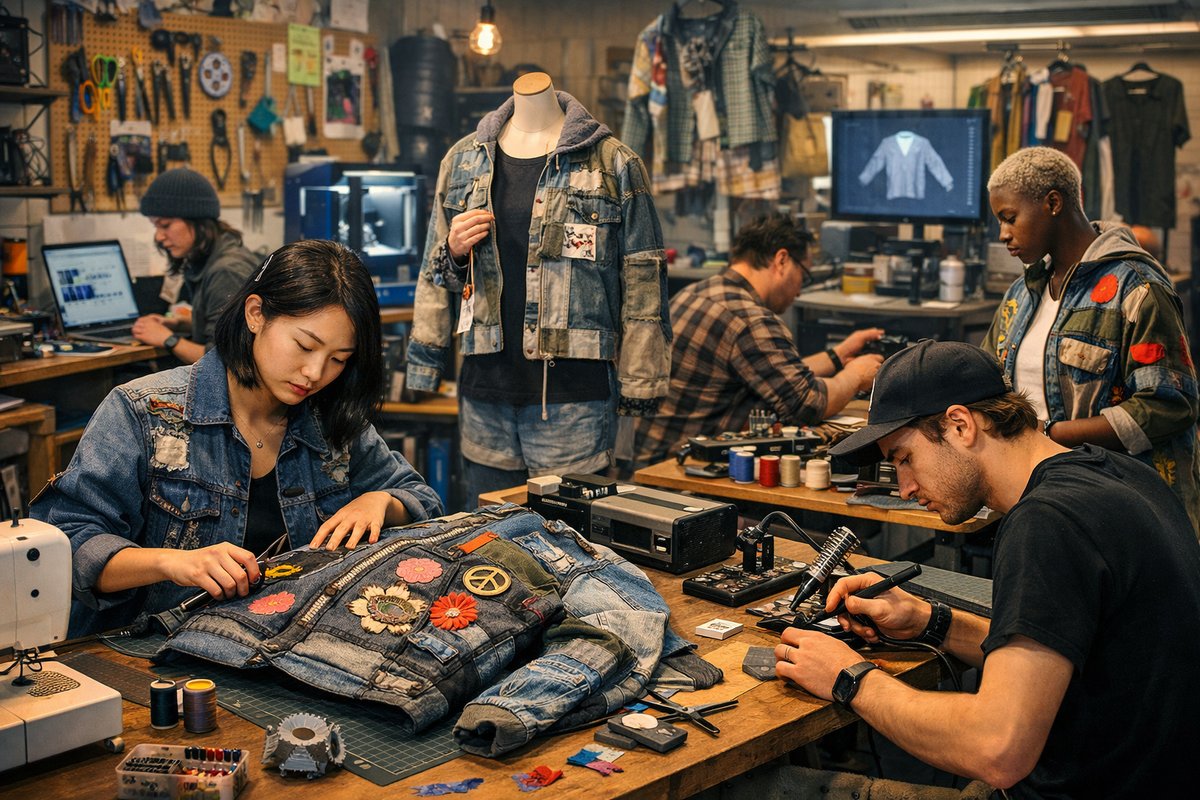
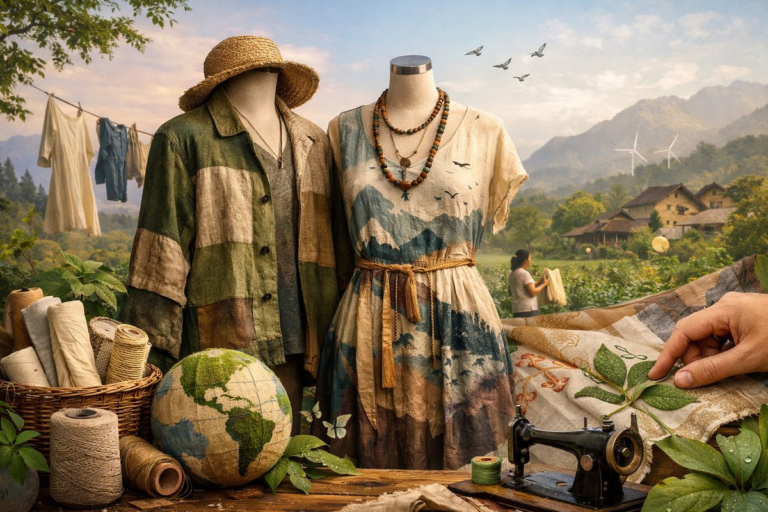
In cities from Berlin to Tokyo, community workshops and modular design labs are turning scraps and open-source tools into statement pieces that wearers can personalize. This shift toward transparency, digital craftsmanship, and circular economies signals a new era where clothing becomes both a canvas for self-expression and a manifesto for sustainability.
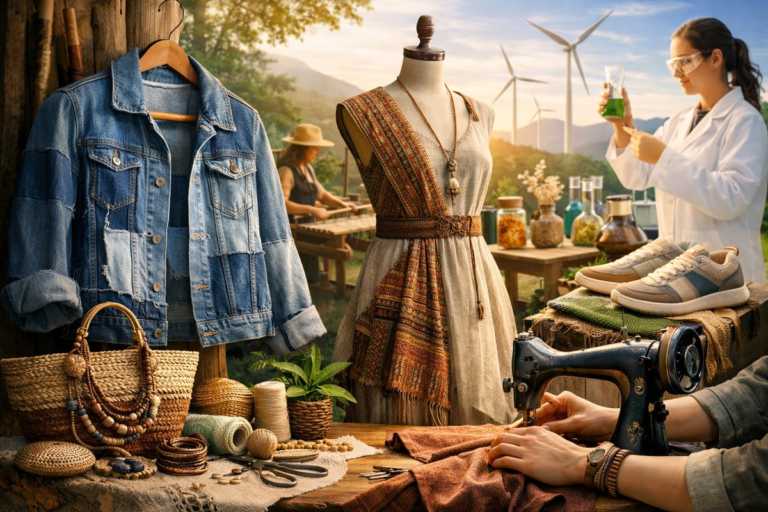
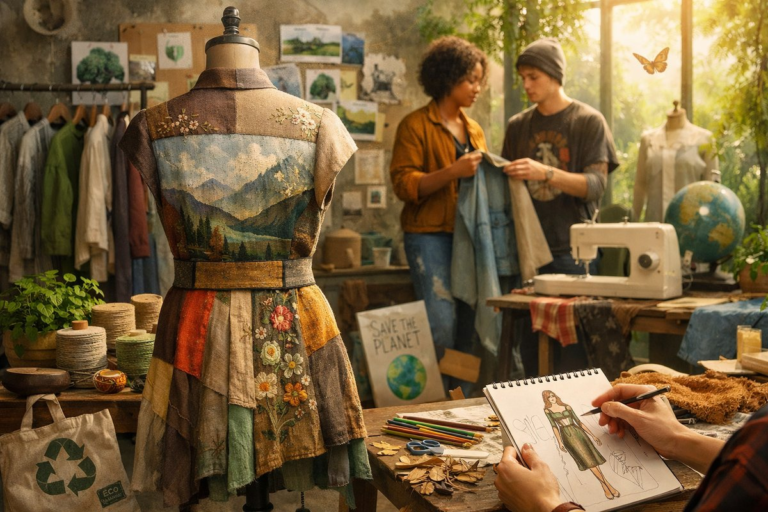
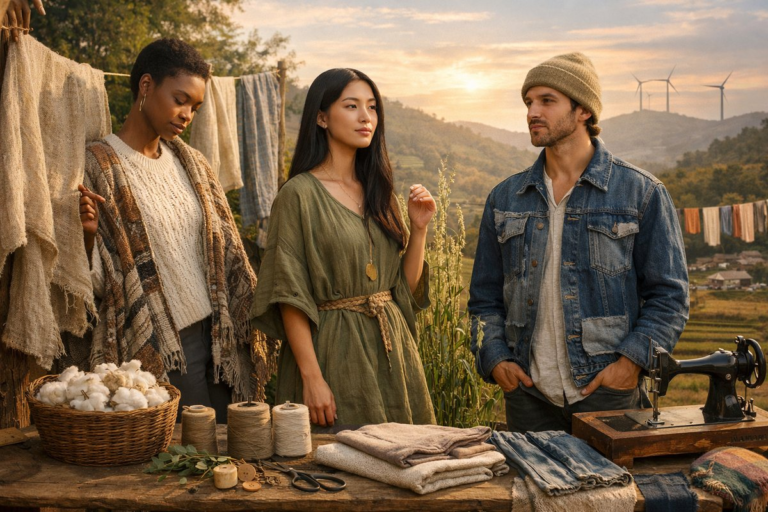
Last month, a former warehouse in Berlin’s Kreuzberg district was transformed into a buzzing atelier where local residents gathered to co-create one-off garments from fabric off-cuts, recycled denims, and leftover yarns. Participants brought torn jackets or worn tees, and under the guidance of volunteer weavers, digital knitters, and small-batch dyers, each item was reborn with new colors, patterns, and stories. Far from a one-off festival stunt, this workshop represents a growing movement that positions community and circularity at the core of apparel innovation.
Across Europe and Asia, grassroots labs and pop-up studios are democratizing tools that were once confined to high-end design houses. Open-source 3D knitting machines-compact enough to fit into a co-working space-enable hobbyists to produce seamless sweaters with digitally programmed stitch patterns. In São Paulo, a social enterprise collects discarded polyethylene terephthalate bottles and melts them down to extrude synthetic yarns, which are then hand-woven into colorful tote bags. These initiatives underscore a shift from mass-market uniformity to locally rooted, values-driven craftsmanship.
The rise of modular clothing has further blurred the line between garment and gadget. Magnetic snap-in panels let a single jacket transform into a vest, a cape, or a crossbody bag in seconds. Designers are experimenting with zip-on sleeves, swappable collars, and detachable linings, empowering wearers to adapt outfits for changing seasons or moods. At a recent showcase at the Copenhagen Fashion Summit, a series of modular trench coats drew attention for embedding solar-harvesting strips in removable hoods-an innovation that literally lets eco-minded wearers charge their phones on the go.
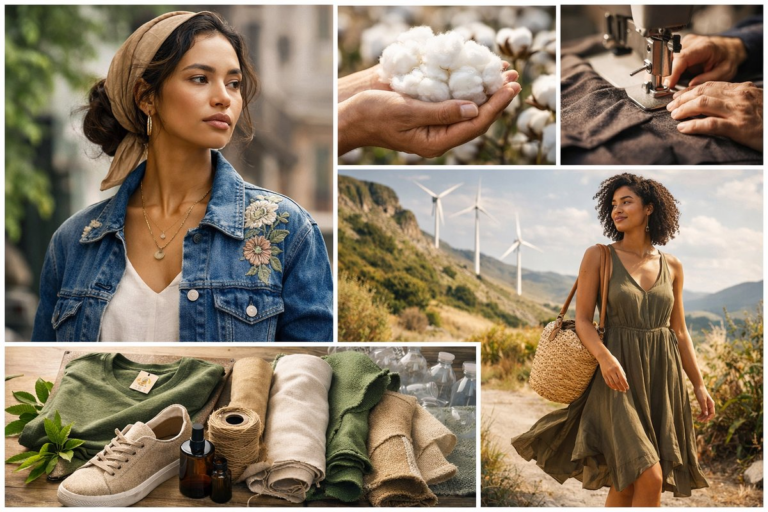
Meanwhile, consumers are demanding deeper transparency in how their clothes are made. A 2023 study by a leading management consultancy found that 70 percent of Gen Z respondents are willing to pay a premium for brands that prove ethical sourcing and low environmental impact. In response, more labels are embedding QR-code tags into seams, allowing shoppers to trace each piece back to the farm where cotton was harvested or the artisan who spun the yarn. This blockchain-backed provenance not only reassures buyers but also elevates the voices of makers whose labor has historically gone unrecognized.
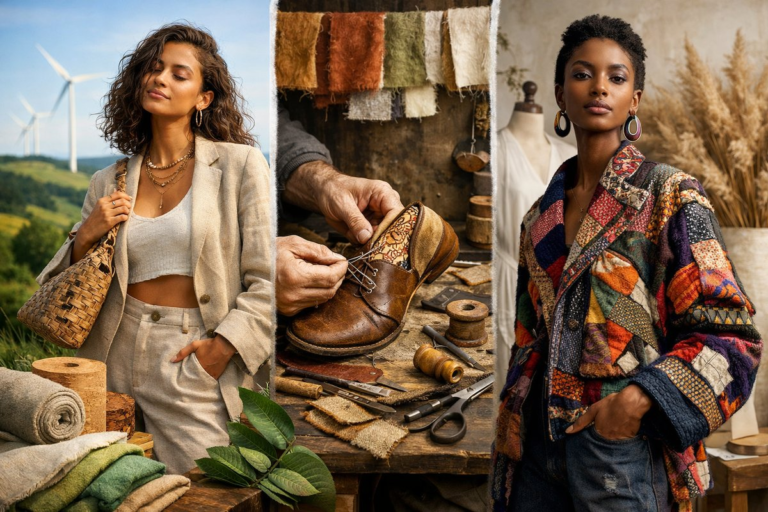
Bold accessories have become storytelling devices in their own right. Jewelers are salvaging metal scraps from electronics recycling centers, melting them down and casting them into geometric studs and statement cuffs. Artisans in India’s western hills collaborate with refugees to upcycle fishing nets into iridescent resin earrings, each pair inscribed with the coordinates of the sea where the nets were deployed. Such pieces carry layered narratives of migration, climate resilience, and cross-cultural solidarity.
Digital craft platforms are unlocking new forms of creative collaboration. A Tokyo-based collective recently launched an online hub where designers can upload custom embroidery patterns that anyone with a home embroidery machine can download and stitch. Contributors earn micro-royalties every time their designs are produced. In one week, the platform logged over 10,000 downloads, spawning everything from dragonfly motifs on denim jackets to abstract line art on cushion covers.
At the heart of this renaissance is a commitment to slow fashion-a counterpoint to the rapid-turnover model that once fueled throwaway trends. In Brooklyn, a studio has introduced a repair-and-refinish subscription: members send in worn garments and have them patched, resized, or restyled using deadstock fabrics. The result is a curated capsule wardrobe that evolves over time, reflecting both personal history and an evolving aesthetic.
Major fashion hubs are taking notice. Paris’s Palais de Tokyo hosted a multi-brand exhibit spotlighting zero-waste pattern-making techniques that slice textiles into interlocking shapes, minimizing off-cuts to near zero. In Seoul, the city government funded an incubation program for eco-textile startups, awarding seed grants to ventures exploring mushroom-based leather alternatives and algae-derived dyes. These public-private partnerships signal that sustainability is no longer a fringe concern but a strategic priority for city planners and cultural institutions alike.
Yet challenges persist. Scalability remains a hurdle for many artisanal practices, and the energy demands of digital knitting machinery can offset environmental gains if not managed with renewable power. Some industry experts caution against greenwashing-when hollow sustainability claims outpace real impact-as the hype around circular fashion intensifies. To navigate these pitfalls, thought leaders are calling for standardized impact metrics and third-party audits that verify carbon footprints, water usage, and social welfare benchmarks across supply chains.
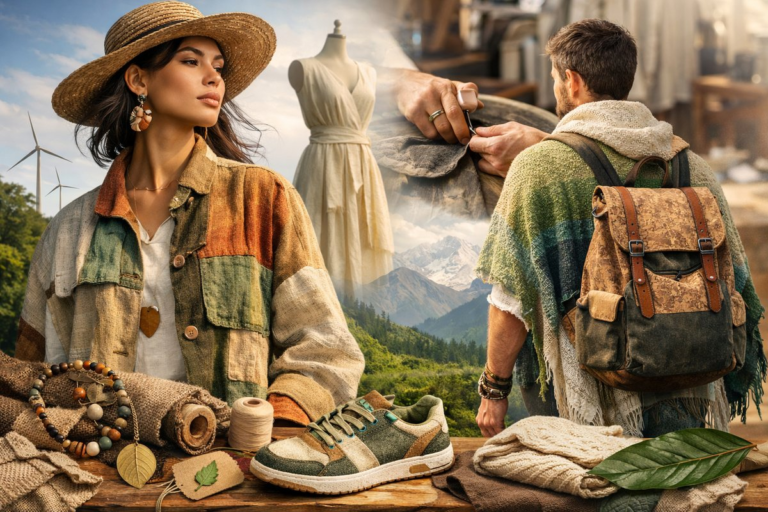
For the style-curious consumer, these developments mean more opportunities to align personal expression with ethical values. A wardrobe might feature a digitally knitted merino-blend poncho one day, an upcycled denim patchwork skirt the next, and a plant-dyed silk scarf infused with local pigments after that. Each piece becomes a conversation starter, carrying stories of community workshops, open-source creativity, and ecological stewardship.
Retailers are retooling their business models to stay relevant. Some flagship stores now host repair bars staffed by in-house tailors, while others offer rental subscriptions for occasionwear, ensuring garments see multiple lives rather than languish in closets. Online platforms integrate carbon-offset calculators at checkout, giving shoppers real-time insights into the environmental cost of their purchases and the option to contribute to reforestation projects.
As we look ahead, the next frontier may lie at the intersection of biotech and fashion. Startups are experimenting with living fabrics-mycelium-based textiles that can self-heal minor tears and biodegrade harmlessly after use. Imagine a T-shirt that regenerates small rips overnight or sneakers that fully compost when discarded. While these materials are still in early stages, they embody the ethos that fashion can be regenerative rather than extractive.
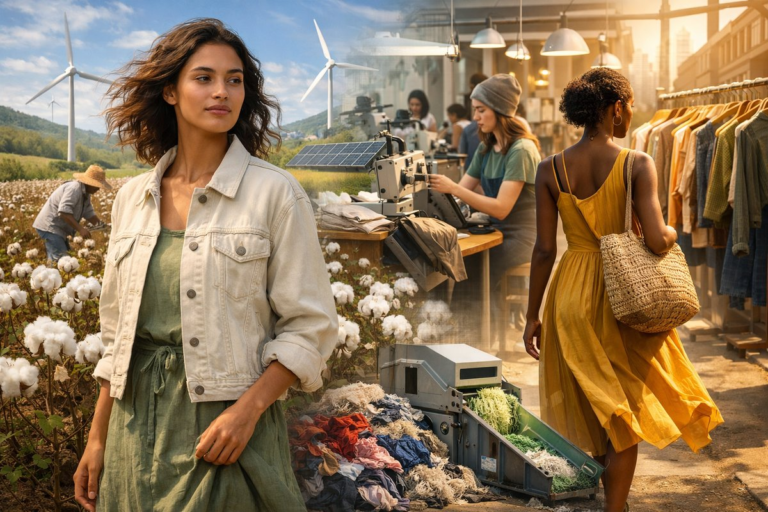
In a world where ever-faster trends once dictated consumption, a countermovement is emerging that prizes story, quality, and community. Whether it’s a solar-charged hood that powers your earbuds, a QR-coded label that tells a maker’s name, or a patchwork tunic crafted from neighborhood donations, each garment becomes a vessel for values. The question now is not just what we wear, but how-and why-we wear it.