Location
Mount Vernon, WA 98274

Location
Mount Vernon, WA 98274
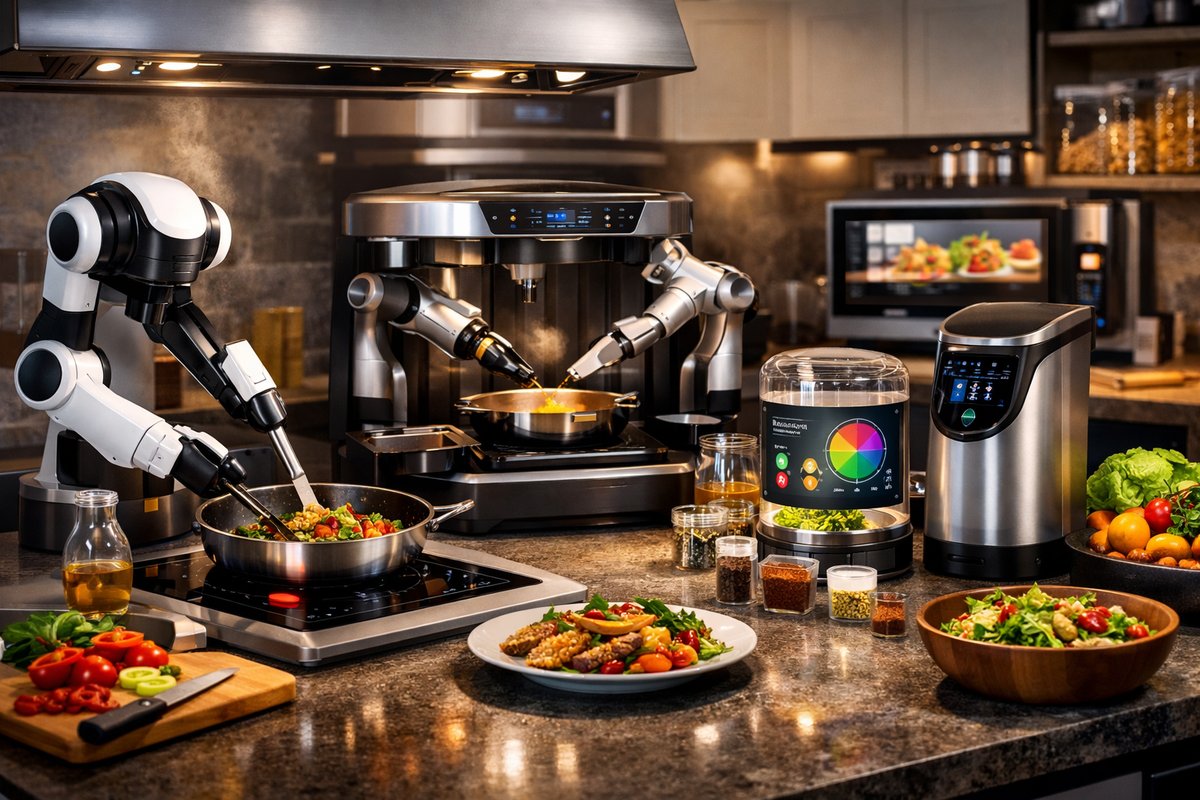
A new generation of kitchen gadgets is emerging at the intersection of AI, sensors, and robotics-promising not only greater convenience but a more sustainable, curiosity-driven approach to meal preparation. From open-platform cooking robots to flavor-profiling sensors, discover how these innovations are reshaping the home kitchen.
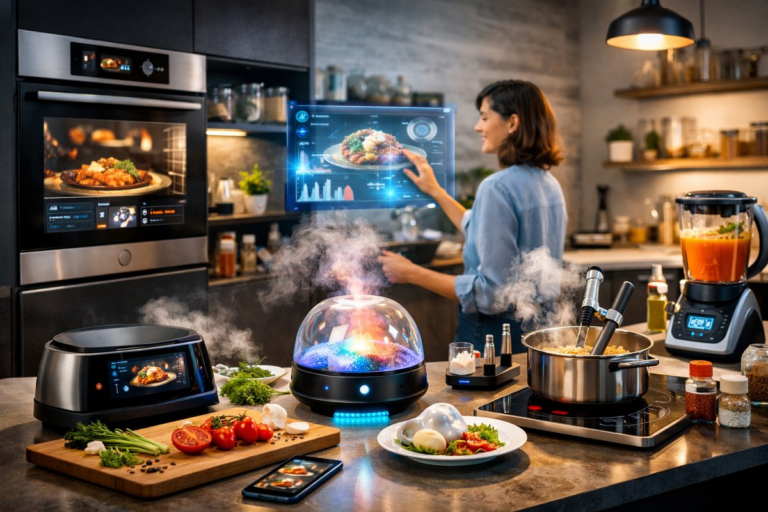
The kitchen of tomorrow is less about pots and pans and more about processors and protocols. In pilot programs and early-adopter homes around the globe, a wave of kitchen technologies is transforming meal prep from a routine chore into a data-rich exploration. As AI-driven sensors, modular robotics, and cloud-connected appliances become more accessible, curious cooks are gaining new tools to experiment with flavor, reduce waste, and unlock professional-grade techniques on a home scale.
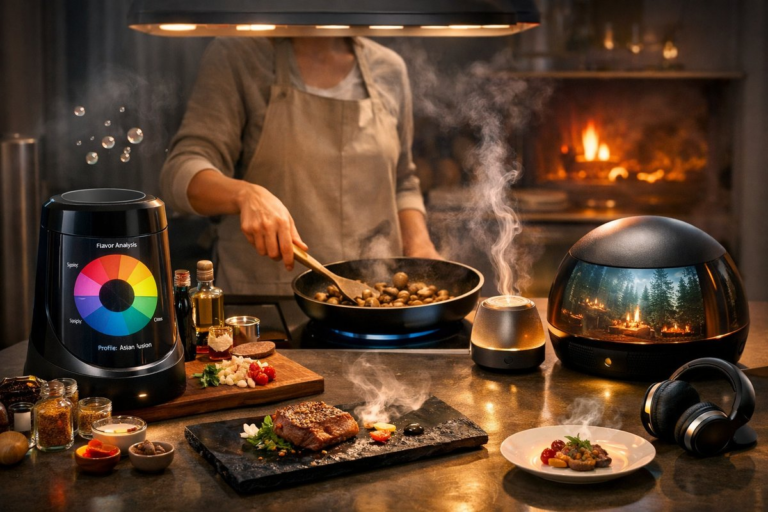
At the heart of this shift is an emerging class of flavor-profiling sensors. These devices use optical spectroscopy and electrochemical analysis to map the molecular makeup of ingredients in real time. Home users can place a small sensor wand over a cut of meat or a spoonful of sauce, and within seconds receive a digital breakdown of salts, sugars, acids, and volatile aromatics. Paired with a companion app powered by machine-learning algorithms, these sensors can suggest recipe adjustments: a pinch more salt, a splash of acid, or the ideal cooking temperature to highlight hidden notes of umami. Early testers report that a single session with such a gadget can yield restaurant-level refinements to familiar dishes.
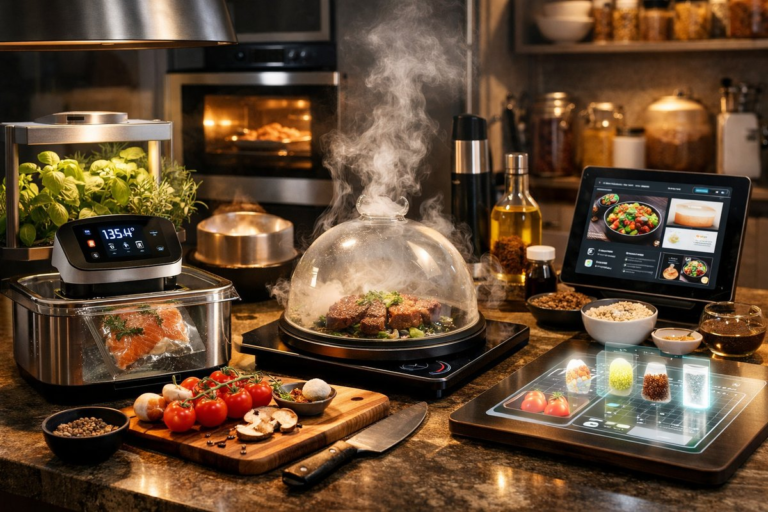
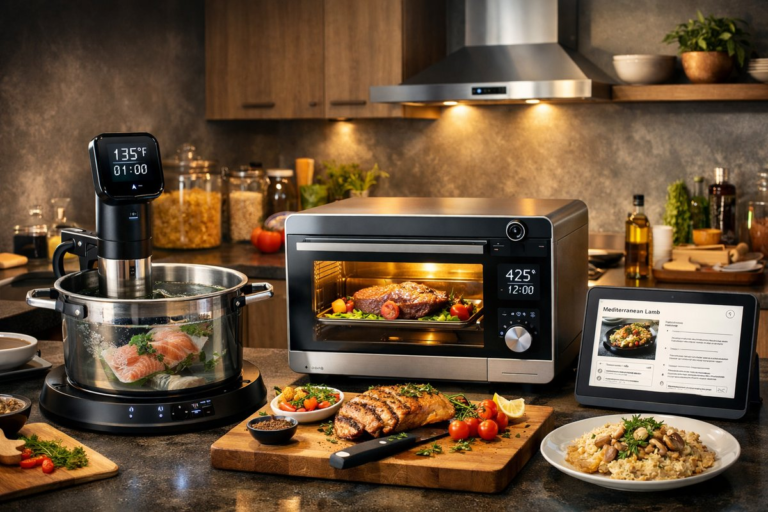
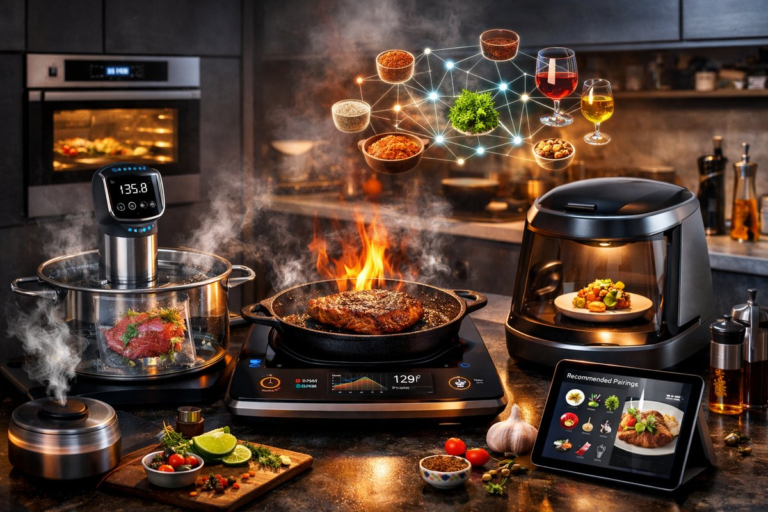
Meanwhile, connected sous-vide circulators are moving beyond simple temperature holds. Newer models integrate with smart ingredient databases and track cooking curves for thousands of proteins and vegetables. Users can select a desired texture profile-tender but firm asparagus, velvety medium-rare steak, glass-like poached eggs-and the device will adjust circulation patterns, temperature ramps, and timing accordingly. These circulators also sync with home energy-monitoring platforms, allowing eco-conscious cooks to schedule long-soak proteins during off-peak hours or when solar panels are generating the most power.
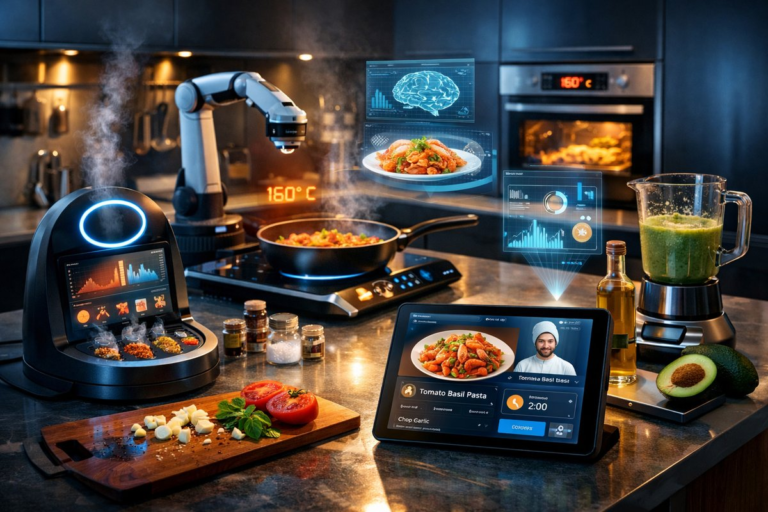
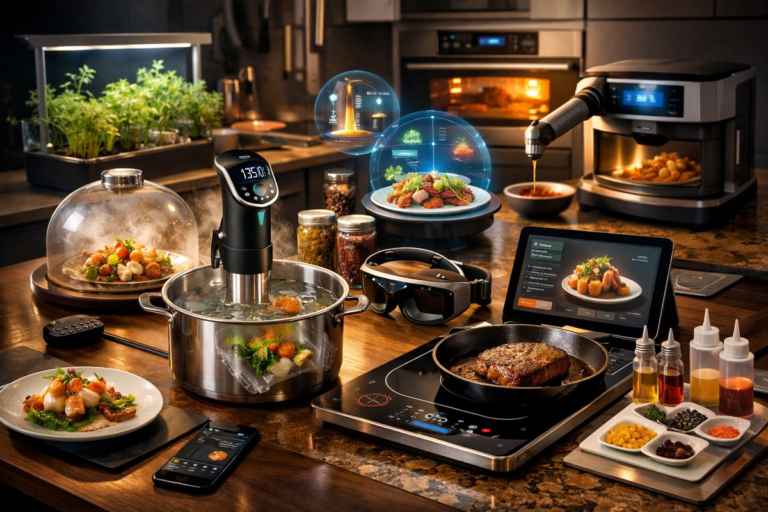
In advanced kitchen labs, modular robotics are making their way from research floors into consumer kitchens. One emerging system features interchangeable tool heads-stirring paddles, whisk attachments, and even a mini food processor-mounted on a programmable robotic arm. Home chefs can record custom movements with an intuitive gesture-capture interface, then automate repetitive steps like whisking meringue, folding batter, or tempering chocolate. Although still priced at a premium for most households, enthusiasts say these robots cut prep time and free attention for plating and plating aesthetics.
Open-source platforms are accelerating innovation in this space. Developers share code modules and hardware blueprints for new sensor integrations, recipe workflows, and even voice-control skills. This communal approach mirrors software ecosystems, allowing independent designers to build specialized algorithms-fermentation trackers, spice-blending suggestions, allergen detectors-and distribute them through user-driven marketplaces. For home cooks, it means a growing catalog of downloadable “kitchen apps” that can be swapped in and out as tastes and needs evolve.
Sustainability is woven into many of these technologies. Smart vacuum sealers that track freshness data can recommend the optimal storage method for leftovers, reducing food waste by up to 30 percent in early trials. Automated composting units analyze organic scraps and accelerate breakdown processes, allowing cooks to turn kitchen waste into nutrient-rich soil in days rather than weeks. Digital shopping lists link directly to home ingredient inventories-scanned by smart scales-so that purchase decisions are grounded in real-time stock data, helping users avoid impulse buys and neglect that ends in the trash bin.
At the intersection of flavor exploration and sustainability, AI-powered recipe generators are also gaining traction. These platforms suggest personalized menus based on dietary preferences, leftover inventories, and even local seasonal produce availability. A home cook might input an overripe pear, a handful of almonds, and a bottle of sparkling water; the system will propose multiple dessert or snack options, complete with step-by-step instructions optimized for time, energy use, and flavor balance.
Despite the promise, some cooks worry about losing the tactile, hands-on joy of cooking. Enthusiasts counter that the best systems are designed to augment, not replace, human intuition. In this hybrid model, sensors and robots handle precision-driven tasks-temperature control, pH balancing, data collection-while cooks focus on creativity, presentation, and the emotional connection that comes from sharing a meal.
In professional kitchens, these tools are already making waves. A few high-profile restaurants have experimented with sensor-guided tasting menus that adapt in real time, adjusting seasoning levels between courses based on guest feedback and ambient conditions. Back-end dashboards allow chefs to monitor humidity, temperature, and flavor metrics across dozens of dishes simultaneously, ensuring consistency and enabling last-minute tweaks during service.
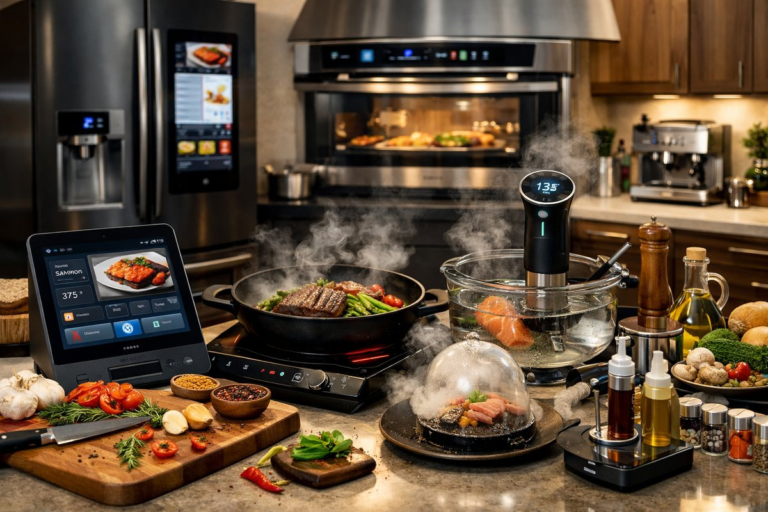
Bringing those insights home, consumer appliances are starting to share performance data with restaurant-grade thermometer probes and induction burners. Imagine a scenario where your oven receives a firmware update featuring the exact cooking profile for a celebrated chef’s signature roast, downloaded directly from a culinary institute’s public repository. While that level of open sharing raises intellectual-property questions in professional circles, the potential for home education and inspiration is immense.
From a privacy standpoint, designers emphasize on-device processing and user-controlled data repositories. Many systems operate in “offline mode,” allowing sensor analysis and robotic automation without uploading personal cooking histories to the cloud. When cloud connectivity is enabled, data is anonymized and encrypted, giving users the choice to contribute to collective insights around flavor trends and sustainability metrics-without revealing private dietary information.
So what does all this mean for the everyday cook? For novices, smart scales, guided recipe platforms, and intuitive sous-vide starters offer a low barrier to more consistent results. Seasoned hobbyists can layer on sensor data and modular robotics to refine technique and explore flavor chemistry. And for lifelong learners, open APIs and community code repositories provide endless opportunities to customize workflows, share discoveries, and push the boundaries of what a kitchen can be.
The next wave of kitchen technology isn’t just about saving time-it’s about enriching the cooking experience with data-driven insights and sustainable practices. As sensors, AI, and robotics converge in a new generation of home appliances, the act of cooking transforms into an adventure in flavor science. Whether you’re chasing the perfect crust on a loaf of sourdough or experimenting with plant-based proteins, these tools aim to spark curiosity and empower cooks at every skill level.
In a world where food is culture, community, and innovation all in one, this technological renaissance invites us to blend artistry with analytics. The humble home kitchen may soon become a micro-laboratory, where every meal is an opportunity to learn, iterate, and celebrate the rich tapestry of taste.