Location
Mount Vernon, WA 98274

Location
Mount Vernon, WA 98274
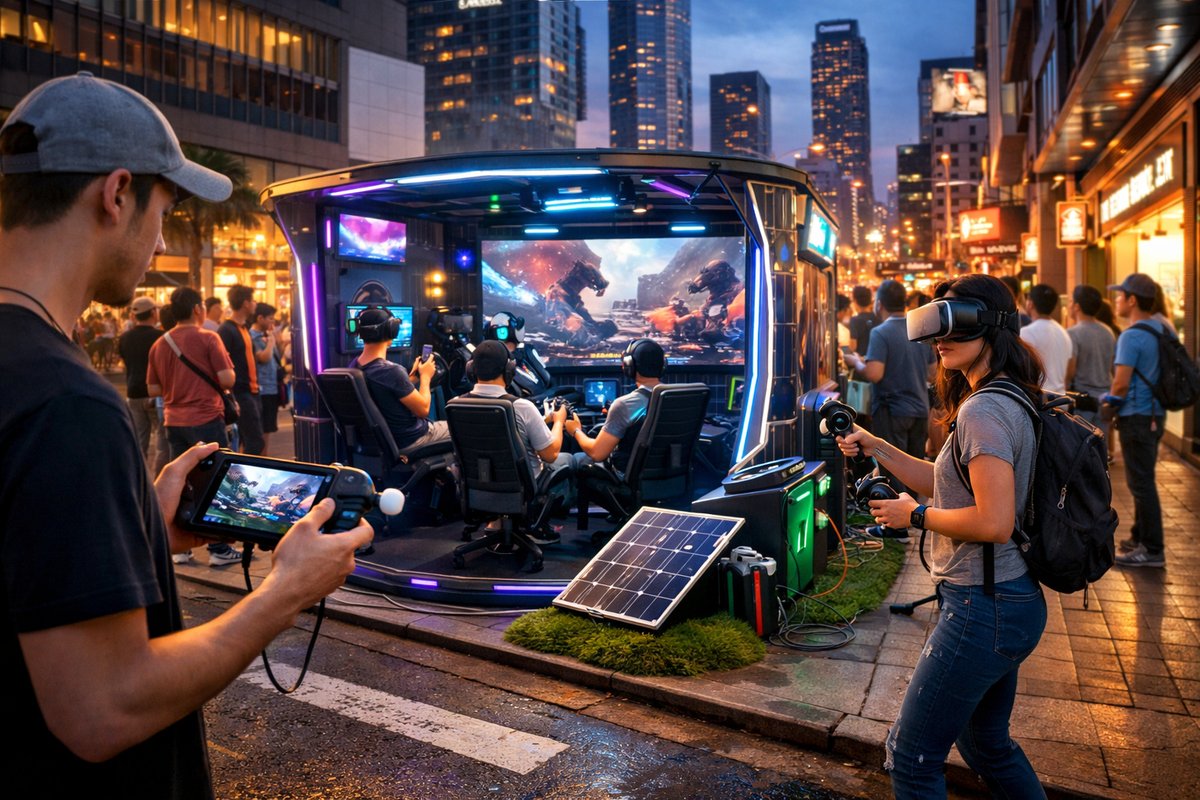
From pop-up micro-arenas on urban sidewalks to cloud-powered handheld rigs, gaming is spilling out of living rooms and into the real world. This article explores the rise of hybrid entertainment zones that blend high-tech setups with communal energy, and how sustainability, privacy, and social connection shape the next level of play.
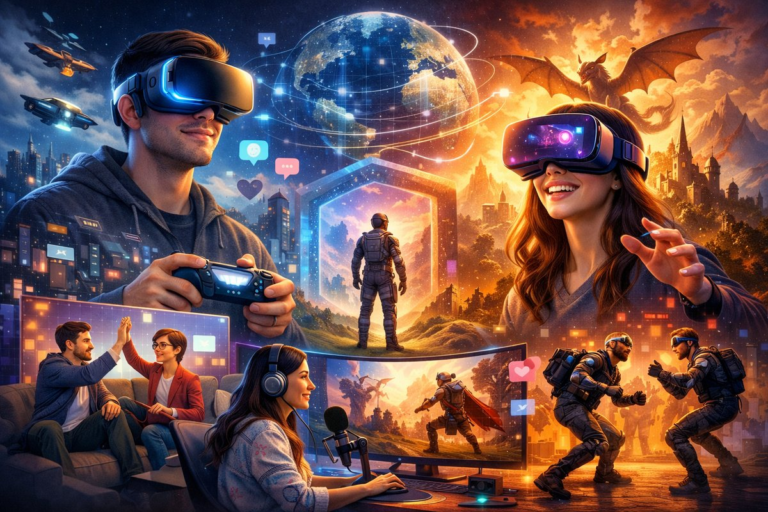
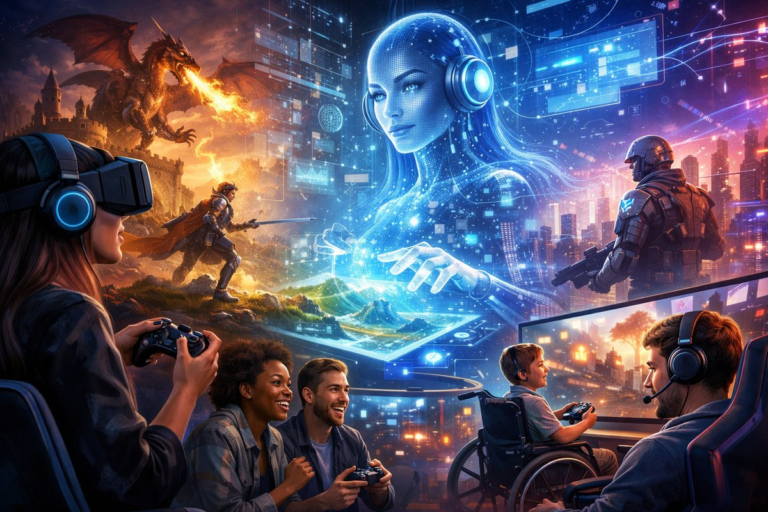
Across metropolises and college campuses alike, a new trend is taking hold: gaming escapes the confines of home and embraces hybrid, pop-up arenas that merge physical gathering spots with cloud-based consoles. Local entrepreneurs are transforming shipping containers into weekend event hubs, while storefronts host rotating VR experiences that feel equal parts art installation and gaming lounge. These hybrid environments invite both dedicated fans and curious newcomers to enjoy communal competition, test the latest gear, and connect over shared experiences-no high-end home theater required.
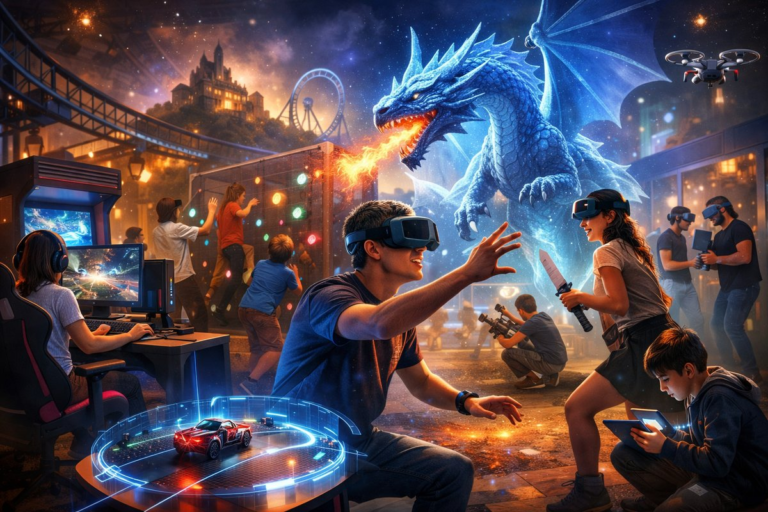
One of the fastest-growing formats is the micro-arcade pop-up, a modular kiosk packed with handheld consoles, streaming decks, and VR headsets. Organizers often rent adaptable furniture and immersive lighting rigs to create immersive zones in parks or parking lots. When the event ends, everything folds into a single van, leaving behind only digital impressions and community chatter. This modular approach mirrors a broader shift: gaming is becoming more mobile, more social, and less anchored to any one physical space.
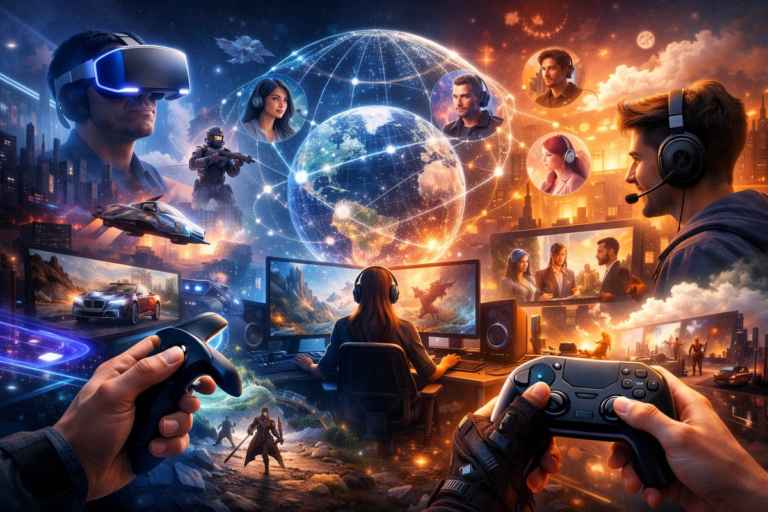
Cloud gaming services are at the heart of the hybrid revolution. By offloading heavy processing to remote servers, these platforms make triple-A titles playable on mid-range laptops, tablets, and even phones. Players at a pop-up event can stream the same game that someone else enjoys on a dedicated rig at home, ensuring everyone competes on equal footing. This democratization of hardware is boosting participation in communal events and lowering the barrier for indie developers eager to showcase their work in public settings.
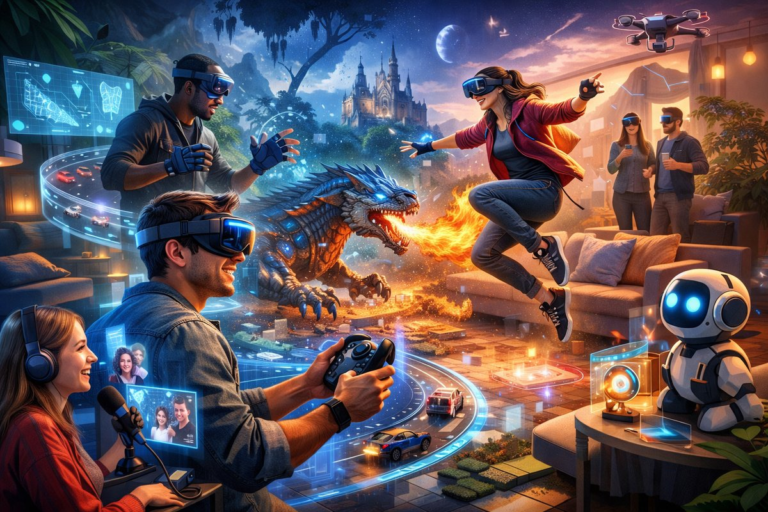
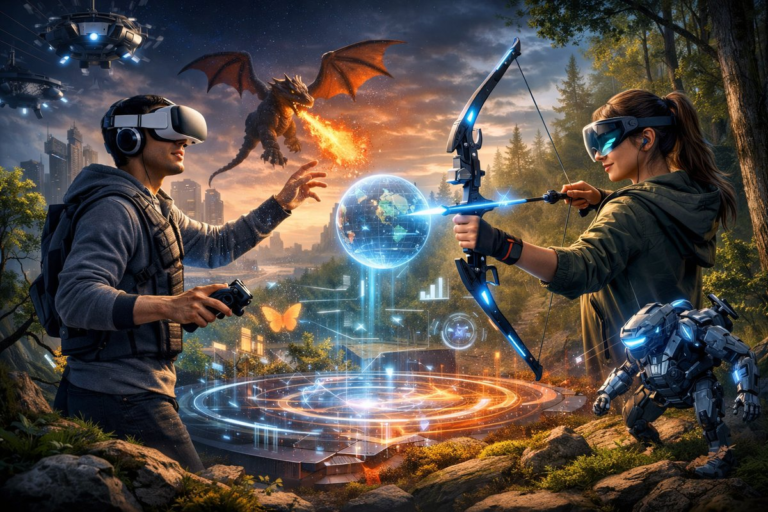
Though VR arcades have existed for years, portable VR setups are now shedding bulky constraints. Lightweight headsets tethered to streaming sticks or compact gaming PCs deliver full-fidelity experiences without a clumsy desktop tower. At a recent street festival, attendees donned wireless headsets to explore haunted mansions or rhythm-action worlds, swapping gear between matches while snagging snacks at a nearby food truck. The blend of convenience and spectacle is proving magnetic for audiences who might never carve out space for VR at home.
Meanwhile, home gaming setups are leveling up to mirror the finesse of commercial arcades. Enthusiasts invest in ambient lighting strips that sync to on-screen action, high-response mechanical keyboards with haptic switches, and custom audio stations with virtual surround processing. Some even repurpose industrial shelving and modular desk mounts to craft zones that can be reconfigured for livestream sessions, tabletop board-game nights, or indie dev meetups. In a world bent on flexibility, these DIY setups offer a taste of that same modular ethos found in professional pop-ups.
Yet as data streams between personal devices, cloud servers, and public networks, concerns over privacy are rising. Hybrid events that track player stats often rely on third-party services to manage profiles, and gamers worry about how that information might be shared or monetized. Forward-thinking operators now adopt local-first architectures, ensuring sensitive data resides on private nodes and only anonymized metrics flow outward. Transparent policies and opt-in consent protocols are emerging as badges of trust in a scene built on social connection.
Another critical factor shaping these experiences is sustainability. Running high-power gaming hardware in transient locations can spike energy use and e-waste. Event hosts are experimenting with solar-powered trailers, battery systems recycled from electric vehicles, and energy-efficient streaming sticks. At home, eco-minded players look for peripherals rated for low standby draw, or invest in refurbished gear to extend component lifecycles. The result is a grassroots push toward greener play-one match at a time.
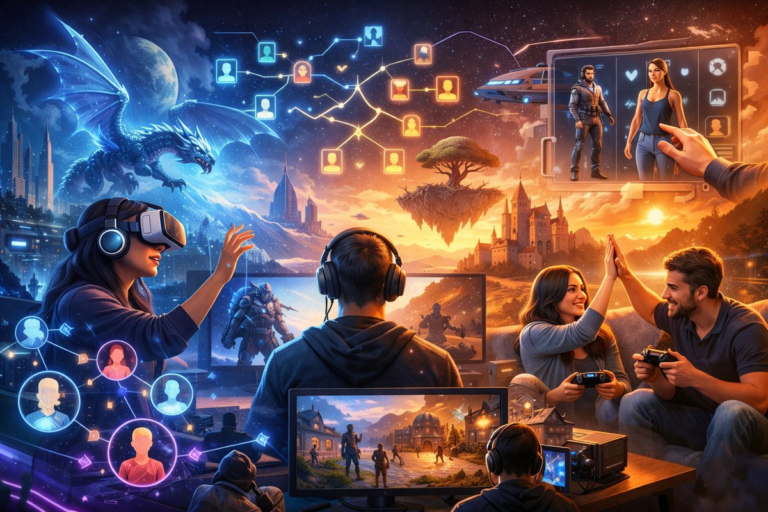
The social impact of community-driven gaming zones extends beyond tournaments and leaderboards. In restorative therapy programs, volunteers use VR pop-ups to help seniors combat isolation, while youth centers host coding workshops alongside racing-sim demos. Shared play sparks emotional intelligence, as participants read nonverbal cues, negotiate roles in cooperative quests, and celebrate both victories and defeats. This human-centered dimension reminds us that play is as much about connection as it is about scoring points.
Local entrepreneurs are tapping into this wave, launching rentable kiosk franchises that bring hybrid gaming to festivals, campuses, and corporate team-building events. Revenue streams now include branded tournaments, pay-per-hour streaming booths, and sponsored “try-before-you-buy” demos of upcoming titles. These models borrow from pop-up retail and experiential marketing, signaling a maturing industry that values agility and community engagement over static storefronts.
Looking ahead, artificial intelligence promises to deepen personalization within hybrid spaces. Imagine dynamic playlists of mini-games tailored to attendee preferences or adaptive ambient lighting that shifts color palettes in response to on-screen moods. AI-driven voice assistants could guide newcomers through controls, while machine learning algorithms balance matchmaking in real time. This convergence of algorithmic insight and communal energy points toward gaming experiences that evolve moment by moment.
Cross-industry collaborations are also on the rise, with musicians live-streaming interactive concerts from modular stages decked out in racing rigs and dance pads. Retailers partner with developers to host in-store demos that double as Twitch broadcast sets. Even theme parks are exploring mobile micro-zones that can nest within larger attractions. As screens proliferate in any environment, the lines between spectator and participant continue to blur.
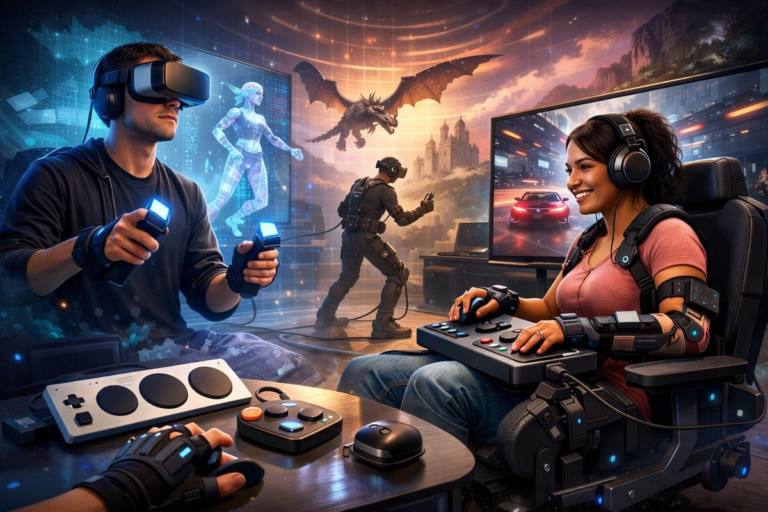
Challenges remain, particularly around accessibility and infrastructure. Not every city block can support high-speed backhaul, and rural regions may struggle to host low-latency events. Inclusive design practices must ensure that players of all abilities can engage comfortably, from adjustable seating to captioned audio feeds. Addressing these hurdles will be key to ensuring hybrid gaming setups are open to the widest possible audience.
Ultimately, the hybrid gaming revolution is a testament to the enduring power of play. By dismantling the walls between home, arcade, and cloud, these initiatives offer fresh ways to connect, compete, and create together. Whether you’re hosting a pop-up VR haunt in a reclaimed warehouse or tinkering with a modular desk mount at home, the spirit of innovation is alive-and it’s leveling up every day.